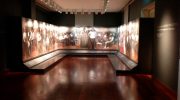
Cyprus Museum Nicosia

Cyprus Museum Nicosia

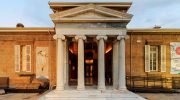
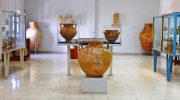
The Cyprus Museum stands on Museum Street in central Nicosia as the oldest and largest archaeological museum in Cyprus. Founded in 1882 during British occupation, the museum houses the most extensive collection of Cypriot antiquities in the world. The institution displays only artifacts discovered on the island, creating a focused narrative of Cyprus's archaeological heritage from the Neolithic period through the Roman era.  wikimedia.org The museum building itself carries historical importance, with construction commencing in 1908 and completing in 1924 when Cyprus remained a British colony. Extensions added in 1961 created additional galleries, storerooms, and offices that surround a central square area housing auxiliary offices, a library, and laboratories for preserving and studying items. Fourteen display halls follow chronological and…

Read more
Larnaca Museum

Larnaca Museum

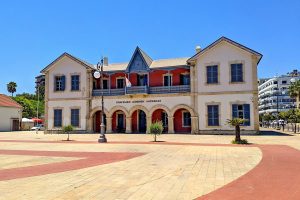
The Larnaca District Archaeological Museum houses discoveries from one of Cyprus's most important ancient port cities. The museum was inaugurated in 1969 and underwent major renovation in 2022, emerging with two new wings organized thematically. The collection showcases finds from the ancient city kingdom of Kition and major Neolithic settlements including Choirokoitia and Tenta Kalavasos. googlemaps Located just 100 meters from the Kition Bamboula archaeological site, the museum serves as an essential introduction to understanding Larnaca's 11,000 year history as a coastal trading center. The exhibits span from 8000 BC through the Roman period, demonstrating how Larnaca participated in Mediterranean wide trade networks while developing distinct local culture. Entry is free, making the museum accessible to all visitors regardless of…

Read more
Limassol Archaeological Museum

Limassol Archaeological Museum

The Limassol Archaeological Museum houses a rich collection spanning 9,000 years of human civilization in southern Cyprus. Founded in 1948 and originally housed in Limassol Castle, the museum moved to its current purpose-built structure in 1975. The building consists of two long rooms joined together by two transversal spaces, covering 3,000 square meters. The exhibits focus on discoveries from the Limassol district, particularly from the ancient kingdoms of Kourion and Amathous. dynamic-media-cdn Unlike the Cyprus Museum in Nicosia, which displays material from across the entire island, this regional facility concentrates on southern coastal culture and trade. The collection includes pottery, jewelry, sculptures, tools, and everyday objects that provide insight into how ancient Cypriots lived in this fertile and strategic region.…

Read more
Cyprus Archaeological Museums

Cyprus Archaeological Museums

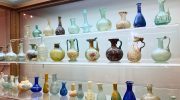
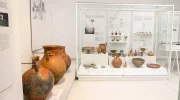
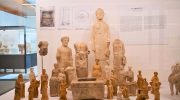
Most people think of museums as dusty repositories of old things, but Cyprus's archaeological museums are different - they're time machines that transform scattered ruins into coherent human stories. From Stone Age tools to sunken Roman ships, these institutions preserve not just artifacts but memory itself, showing how an island at the crossroads of three continents became a meeting place of cultures, faiths, and civilizations. Stepping inside, visitors encounter objects once held by real people whose lives weren't so different from the present day. Guardians of an Island's Memory Cyprus's archaeological museums form a network across the island, each one telling the story of its region while contributing to a larger narrative of continuity and change. These aren't just buildings…

Read more
Ayia Napa Thalassa Museum

Ayia Napa Thalassa Museum

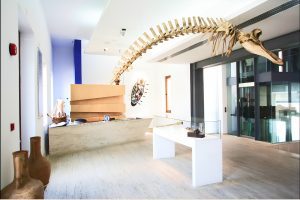
The Thalassa Municipal Museum stands in the center of Ayia Napa as the first museum dedicated entirely to maritime heritage in the Mediterranean region. Named after the Greek word for 'sea,' it opened in August 2005 to showcase the relationship between Cyprus and the surrounding waters. tripplanet.ru The museum operates under the direction of the Pierides Foundation, the Hellenic Institute for the Preservation of Nautical Tradition, and the Tornaritis-Pierides Marine Life Foundation. The building itself, constructed from marble, onyx, wood, and metal, features six levels where exhibits can be viewed from multiple angles, including underground display cases that visitors walk over. Maritime History Through the Ages The museum presents 7,000 years of Cypriot history, from the Neolithic period to Venetian…

Read more
Kyrenia Shipwreck Museum

Kyrenia Shipwreck Museum

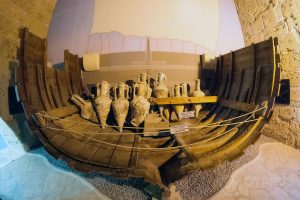
The Kyrenia Shipwreck Museum houses the oldest recovered Greek merchant ship in the world, located within Kyrenia Castle in the Turkish-occupied part of Cyprus. The vessel sank approximately one nautical mile off the coast around 300 BC during the era of Alexander the Great's successors. A local diving instructor named Andreas Cariolou discovered the wreck in November 1965 while collecting sponges at 33 meters depth during a storm. admiral-travel-com He lost the exact position and required over 200 dives before relocating it in 1967. The ship measures 15 meters in length and was constructed from Aleppo pine around 389 BC, sailing for about 80 years before its final voyage. visitncy-com The wreck represents a unique window into ancient Mediterranean trade,…

Read more
Gallery Kypriaki Gonia, Cyprus

Gallery Kypriaki Gonia, Cyprus

Gallery Kypriaki Gonia stands as one of Larnaca's most established independent art spaces. Located at 45 Stadiou Street in central Larnaca, this gallery has operated continuously since 1993. The name "Kypriaki Gonia" translates to "Cypriot Corner," which accurately reflects its core mission to showcase art by local and international artists. The gallery maintains a focus on both traditional and contemporary artistic approaches, giving visitors exposure to different styles and periods of Cypriot art. googlemaps-com Over three decades, the gallery has built a reputation for consistent quality in its exhibition program. It provides a platform where established artists can present major bodies of work and emerging artists can gain visibility. The space operates as a commercial gallery while also functioning as…

Read more
Ethnographic Costume Museum (Lefkara)

Ethnographic Costume Museum (Lefkara)

The Museum of Traditional Embroidery and Silversmith-work in Lefkara preserves Cyprus's most celebrated handicrafts within the walls of a 19th-century mansion. Located in the village of Pano Lefkara, approximately 45 kilometres from both Larnaca and Limassol, this museum documents the artisan traditions that sustained the community and brought international recognition to a small mountain settlement. tripadvisor.com Historical Background The museum occupies the House of Patsalos, named after the wealthy family that once owned this substantial white limestone residence. The house itself represents the prosperity that embroidery and silversmithing brought to Lefkara during its economic peak. The Patsalos family began accumulating wealth in the mid-19th century under Michalis Patsalos, who established the family's various business interests. Beyond producing Lefkara lace and…

Read more
Pierides Ethnographic Museum

Pierides Ethnographic Museum

The Pierides Museum is the oldest private museum in Cyprus, housed in the ancestral home of the Pierides family in central Larnaca. This colonial-style mansion contains approximately 2,500 artifacts that document 9,000 years of Cypriot history, from the Neolithic period through the medieval era. The collection was assembled over five generations and represents one of the most important private archaeological holdings in the Eastern Mediterranean. visitcyprus-com Historical Background The museum's history began in 1839 when Demetrios Pierides started collecting Cypriot antiquities. Born in 1811, Pierides witnessed the widespread looting and export of Cyprus's archaeological heritage during the early 19th century. Foreign collectors and archaeologists routinely removed artifacts from the island, shipping them to museums in London, Paris, and other European…

Read more