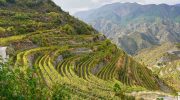
The Cyprus Tourism Organisation created seven designated wine routes between 2004 and 2013 with funding from European Union structural programs. These routes include over 60 wineries, traditional restaurants, museums, churches, and cultural attractions spread across wine-producing regions. Each route showcases different indigenous grape varieties and unique terroir characteristics based on altitude, soil composition, and microclimate.
- The Krasochoria Wine Villages Route
- The Commandaria Wine Route
- Omodos Stands as the Most Visited Wine Village
- Koilani Preserves Traditional Winemaking Equipment
- Harvest Season Brings Villages to Life
- The Limassol Wine Festival Celebrates 64 Years
- Planning a Wine Tourism Visit
- Wine Tourism Supports Village Economies
The Krasochoria Wine Villages Route
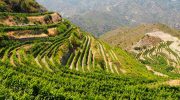
The Krasochoria Wine Villages route in the Limassol district represents the heart of Cyprus wine production. This area contains 20 picturesque villages with the highest concentration of wineries on the island. Villages like Omodos and Koilani alone house 10 wineries between them. The dry climate and unique limestone geology create ideal conditions for cultivating both indigenous varieties like Xynisteri and Mavro, plus imported grapes, including Cabernet Sauvignon, Grenache, and Syrah. In total, 23 different grape varieties grow across this region.
The Commandaria Wine Route
The Commandaria route traverses 14 villages where production of the world’s oldest named wine has continued since the 12th century. Knights of St. John perfected Commandaria production methods after establishing their headquarters at Kolossi Castle, creating the feudal estate called La Grande Commanderie. This sweet dessert wine won the first recorded international wine competition in 1224 when French King Philip Augustus declared it the finest wine presented.
Omodos Stands as the Most Visited Wine Village
Omodos ranks as Cyprus’s most popular wine village due to its exceptional preservation of traditional architecture and culture. The village sits at 810 meters elevation on the southern slopes of the Troodos Mountains, surrounded by terraced vineyards that create a verdant carpet across the hillsides. Stone houses with tiled roofs, wooden balconies, and paved courtyards filled with large clay pottery jars line narrow cobblestone alleys.
The village square measures 3,000 square meters, making it possibly the largest traditional plaza in Cyprus. Created in 1910 and restored to its original stone paving in 1987, the square sits in front of the historic Monastery of the Holy Cross. This monastery was established before Saint Helen’s visit to Cyprus in 327 AD, though the exact founding date remains unknown. The monastery complex houses museums dedicated to Byzantine icons, folkloric art, paintings by Cypriot artists, and the 1955 to 1959 independence struggle.

Five wineries currently operate in Omodos, including Ktima Gerolemo, Zenon, Olympus Winery, Linos Winery, and Oenou Yi. These family-run operations offer tours that explain both traditional and modern winemaking techniques. Visitors can see fermentation tanks, aging barrels, bottling equipment, and often the vineyards themselves. Tastings typically include multiple wines paired with local foods like halloumi cheese, olives, and traditional bread.
Koilani Preserves Traditional Winemaking Equipment
Koilani village sits at similar elevation to Omodos on the eastern slopes of Mount Afami, with extensive vineyards covering the surrounding hillsides. The village name derives from Mount Kyllini in Greece’s Peloponnese region, while nearby Mount Afami takes its name from Zeus Efimios of Arcadia. Archaeological evidence confirms settlement here during Roman times, with tombs containing pottery vessels discovered in the area.
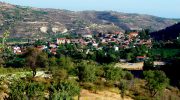
The population peaked at 1,385 residents in 1946 before urbanization gradually reduced numbers. The village maintained separate Greek and Turkish communities until 1946, with the Turkish residents operating their own mosque and school. Today, Koilani has preserved its traditional architecture remarkably well, with few modern buildings constructed. The village maintains strict architectural guidelines that require new construction to match traditional stone and wood designs.
Two museums showcase Koilani’s heritage. The Church Museum displays ecclesiastical artifacts, religious icons, and vestments documenting centuries of Orthodox Christian worship. The Vineyard Museum preserves complete collections of traditional viticulture tools and equipment, allowing visitors to understand how grapes were cultivated, harvested, and processed before mechanization. These displays include wooden wine presses, ceramic fermentation vessels, copper distilling equipment for zivania production, and hand tools for vineyard maintenance.

The Chapel of Ayia Mavri stands as Koilani’s most distinctive religious structure. Built under a massive plane tree in a majestic natural setting, the chapel features unusual architecture and important medieval murals on interior walls. Two main churches, Panagia Eleousa and Monogeni Chapel, serve the remaining residents and operate on rotation due to the small congregation size.
Harvest Season Brings Villages to Life
September and October mark the traditional grape harvest months across Cyprus wine regions. The process can last from five days to over a month depending on vineyard size and grape variety. Hand harvesting remains the preferred method for quality wine production, allowing careful selection of properly ripened fruit while leaving underripe or damaged grapes on the vine. This labor-intensive approach requires significant manual labor but produces superior results compared to mechanical harvesting.
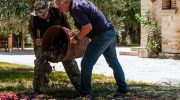
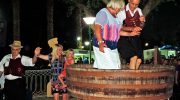
Families and communities traditionally gather for harvest work, making it a social occasion as much as agricultural necessity. The steep, terraced vineyards common in Cyprus mountain villages make mechanical harvesting impossible, so hand picking continues out of practical necessity. After collection, grapes are transported to local wineries in small batches to begin fermentation quickly while fruit remains fresh.

Traditional grape-based foods feature prominently at harvest festivals. Palouzes is a cream made from white grape juice mixed with flour and cooked until it reaches golden color and thick consistency. The warm palouzes can be flavored with rose geranium leaves, orange blossom water, vanilla, or mastic resin. It is consumed both warm and cold as a natural, healthy dessert without added sugar.
The Limassol Wine Festival Celebrates 64 Years
The Wine Festival of Cyprus in Limassol stands as the island’s premier wine celebration and one of Europe’s oldest continuous wine festivals. Established in 1961 by the Limassol Development Association, the festival has operated for 64 years with only brief interruptions during political conflicts in 1964 and 1974 to 1977. The Limassol Municipality has organized the event since 1978.

The festival takes place in the Limassol Municipal Gardens, a 60,000 square meter park established in 1888 along the city’s seafront. The lush botanical setting includes mature trees, walking paths, playgrounds, an open-air stage, and even the Limassol Zoo. This environment creates a pleasant atmosphere for the nine-day celebration held annually from late September to early October. The 2025 edition ran from September 27 to October 5.
A seven-meter tall statue of a traditional vine grower wearing authentic Cypriot vrakas (wide breeches) marks the festival entrance. Created by artist Giorgos Mavrogenis in 1962, this figure became the festival’s official emblem. At the statue’s base appears the motto “Drink wine to live long,” attributed to Cypriot writer and poet Michalis Pitsillides. The statue serves as a meeting point and photo location for thousands of festival attendees.
Planning a Wine Tourism Visit
Wine route exploration works well as either self-guided driving tours or organized group experiences. Self-guided visitors can download route maps and winery information from the Cyprus Tourism Organisation website. Most wineries welcome drop-in visitors during business hours, though calling ahead ensures staff availability for detailed tours. GPS navigation makes finding small villages straightforward, and road signage on wine routes includes directional markers to major wineries.

Small group tours offered by specialized companies like Cyprus Taste Tours limit participants to seven people maximum, ensuring personal attention and opportunities for questions. These tours typically visit three to four wineries in a day, include traditional meze lunches, and provide transportation so all participants can enjoy tastings without driving concerns. Guides offer context about Cypriot wine history, indigenous grape varieties, and cultural traditions that enhance the experience beyond simple wine sampling.
The best time for wine tourism visits runs from April through October. Harvest season in September and October offers the most authentic cultural experiences with active festivals and visible vineyard work. However, these months also bring the highest temperatures and largest tourist crowds. Spring months of April and May provide moderate weather, flowering vineyards, and fewer visitors. Summer months remain quite hot in villages despite mountain elevation, though evenings cool pleasantly.
Wine Tourism Supports Village Economies
Over 90 percent of Cyprus wineries are small, family-owned operations producing fewer than 100,000 bottles annually. These boutique producers cannot compete on price with industrial wineries or imported wines, which have captured two-thirds of the local Cyprus market valued at 75 million euros yearly. Wine tourism provides crucial direct sales channels and marketing opportunities for small producers.
When visitors purchase wine directly from winery tasting rooms, producers earn significantly higher margins than selling through retail distribution. This direct relationship also builds customer loyalty, with tourists often continuing to purchase bottles after returning home through online orders. Many wineries have developed shipping arrangements with wine import companies in European countries and North America to serve their tourism-derived customer base.
Festival participation and tourism also support broader village economies beyond wineries themselves. Restaurants, artisan shops, accommodation providers, and cultural sites all benefit from wine tourist spending. A visitor might spend 50 to 100 euros on wine purchases but another 100 to 150 euros on meals, accommodation, crafts, and other local products during a village visit.