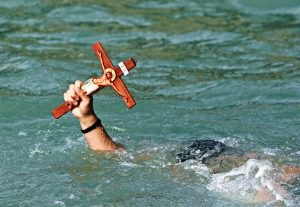
Epiphany in Cyprus marks the conclusion of the 12-day Christmas period on January 6, commemorating Christ’s baptism in the Jordan River by John the Baptist. Known as Theophania or Ta Fota meaning Feast of Lights, the celebration centers on water blessing ceremonies that purify homes, drive away evil spirits, and renew communities for the coming year.
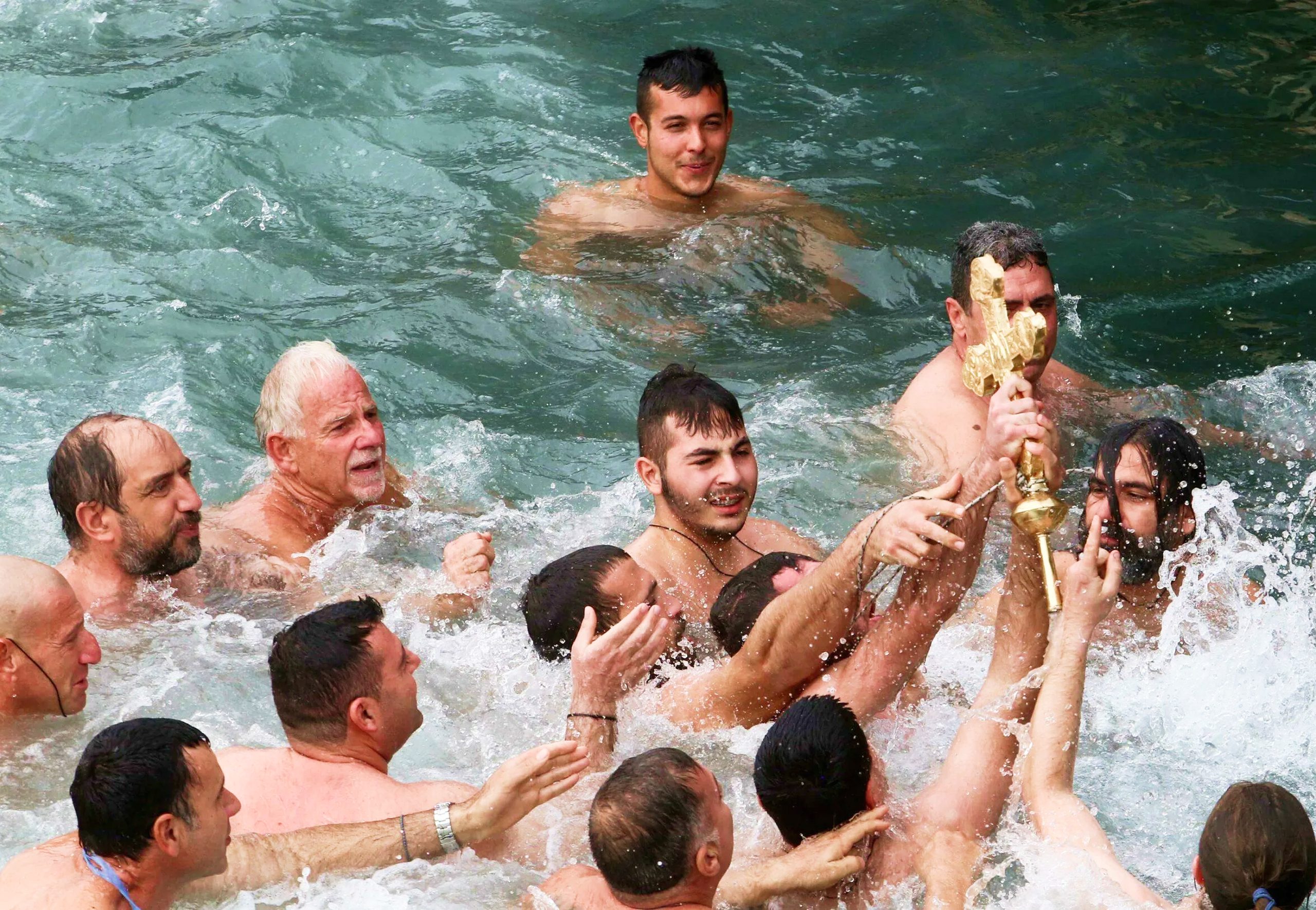
The most dramatic ritual involves priests throwing a wooden cross into the sea, rivers, or lakes while brave swimmers dive into cold winter waters to retrieve it. The person who successfully recovers the cross receives blessings and good fortune for the entire year ahead. Beyond the cross diving spectacle, Epiphany includes church services, home blessings, distribution of holy water, children’s caroling, and traditional sweets.
The day officially ends the presence of Kalikantzari, mischievous goblins believed to plague homes during the Christmas period, restoring order and spiritual cleanliness to Cypriot households and communities.
Historical Background
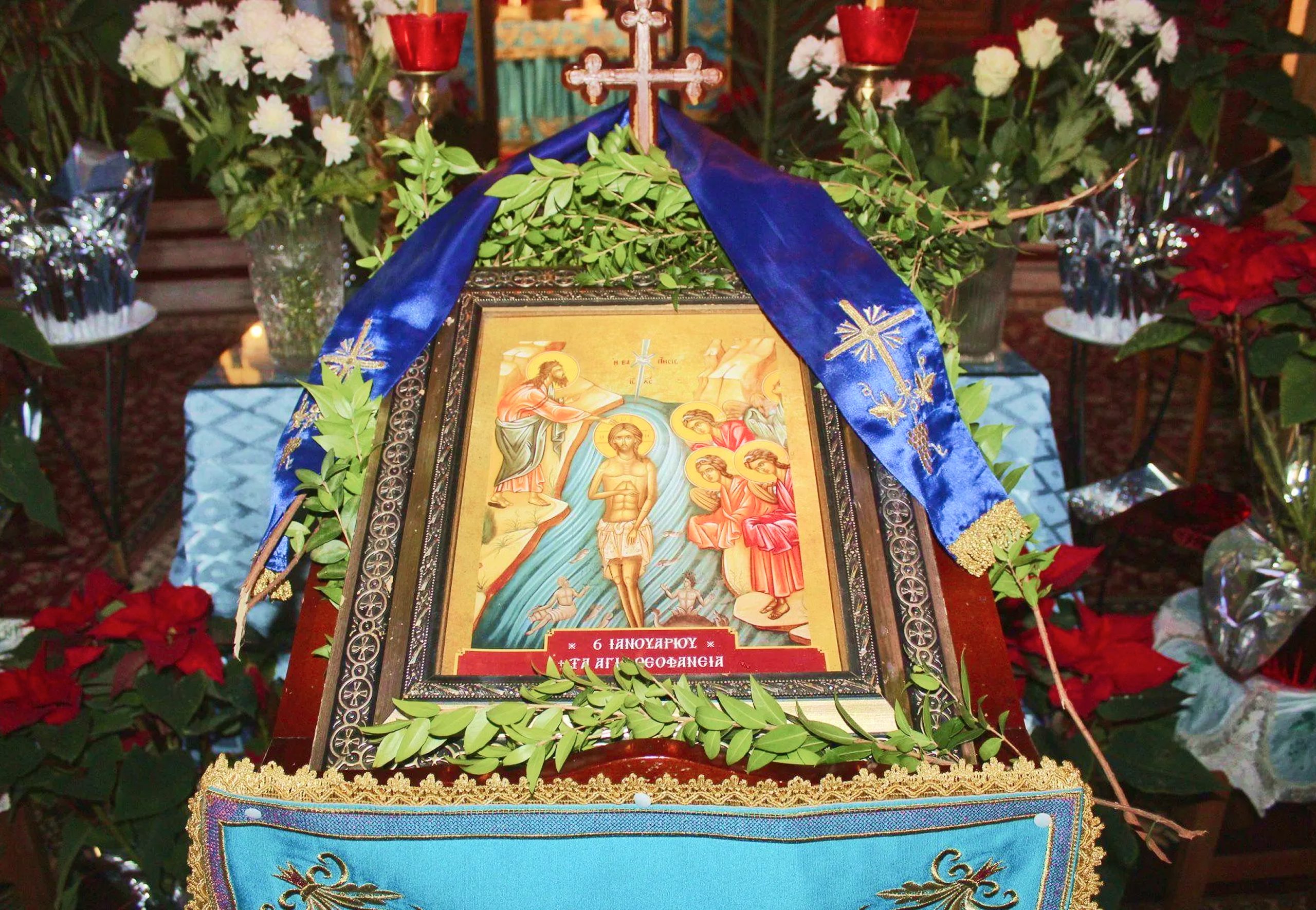
The Feast of Epiphany commemorates the moment when Jesus was baptized by John the Baptist in the Jordan River, marking the public beginning of his ministry. According to the Gospels, when Christ emerged from the water, the heavens opened and the Holy Spirit descended in the form of a dove while God’s voice proclaimed Jesus as his beloved son. This event represents the Theophany or manifestation of the Holy Trinity, with all three divine persons present simultaneously. For Orthodox Christians, this revelation established Christ’s divine nature and the trinitarian doctrine central to Christian theology.
The water itself gained sacred significance through Christ’s immersion, as Orthodox theology teaches that his baptism sanctified all water throughout creation. This theological concept explains why Epiphany water blessings carry such importance in Orthodox practice. The blessed water becomes a sacramental, a physical means through which divine grace enters the material world. Cypriots keep bottles of Epiphany holy water near home icons throughout the year, using it for healing, protection, and spiritual cleansing when needed.
The Great Blessing of Waters Ceremony
Church services on Epiphany eve and morning follow elaborate liturgical patterns specific to this feast. The Great Blessing of Waters occurs after the Divine Liturgy concludes, when priests bless large containers of water placed in the church center. The ceremony involves multiple prayers, hymns, and ritual actions including making the sign of the cross three times over the water with a lit candle. The priest then immerses a cross and basil sprig into the blessed water three times while the choir chants “When You Were Baptized in the Jordan, O Lord.”
Congregants receive small amounts of the blessed water called Agiasmos or Drosos to take home in bottles and containers. Families preserve this water carefully, using it sparingly throughout the year for blessing homes, sprinkling on sick family members, protecting against evil, and sanctifying important occasions. The water is believed to possess healing properties and spiritual power that does not diminish over time. Some Cypriots maintain that properly blessed Epiphany water never spoils or develops bacteria, viewing this as miraculous confirmation of its sacred character.
The Cross Diving Ritual and Competition
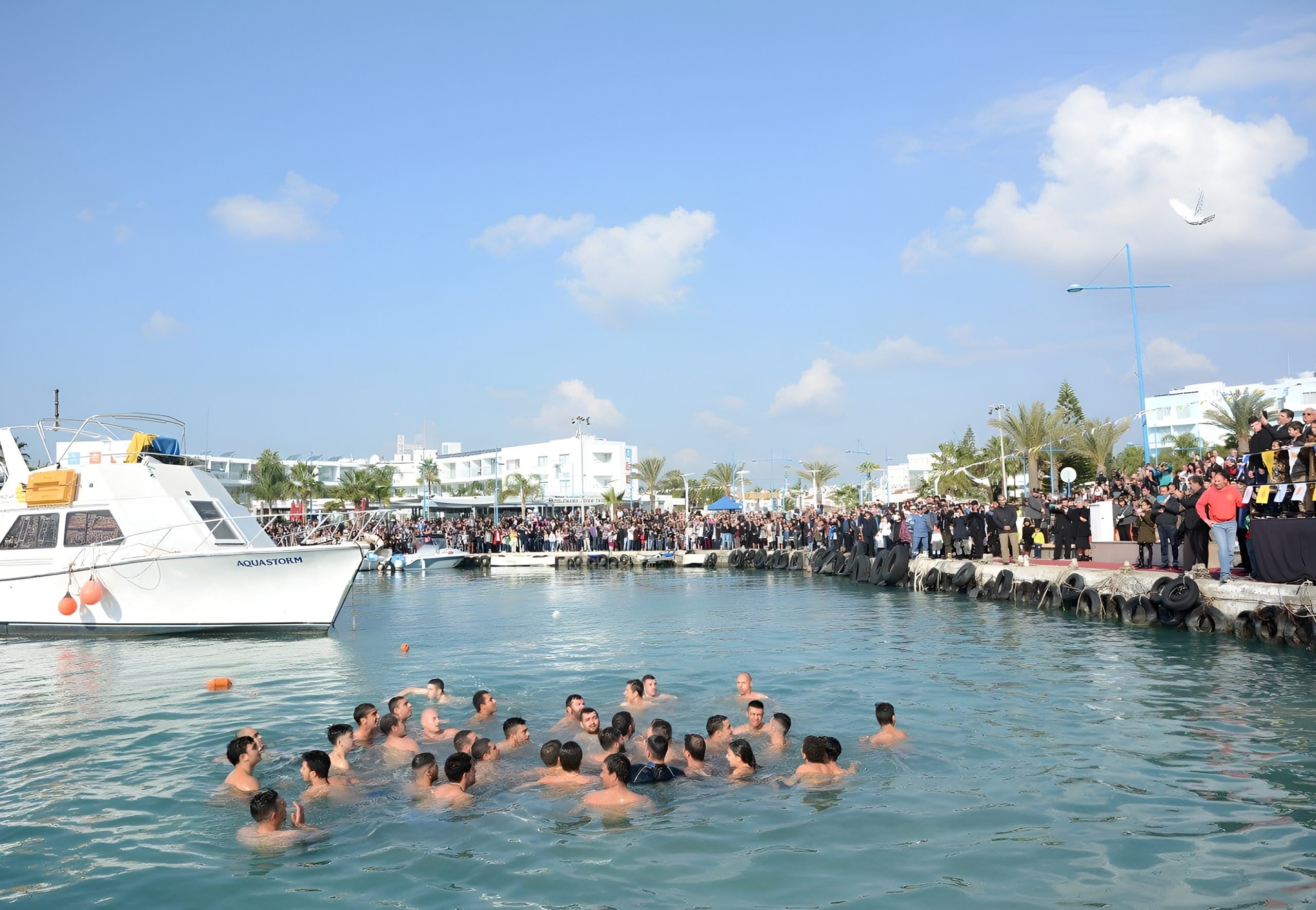
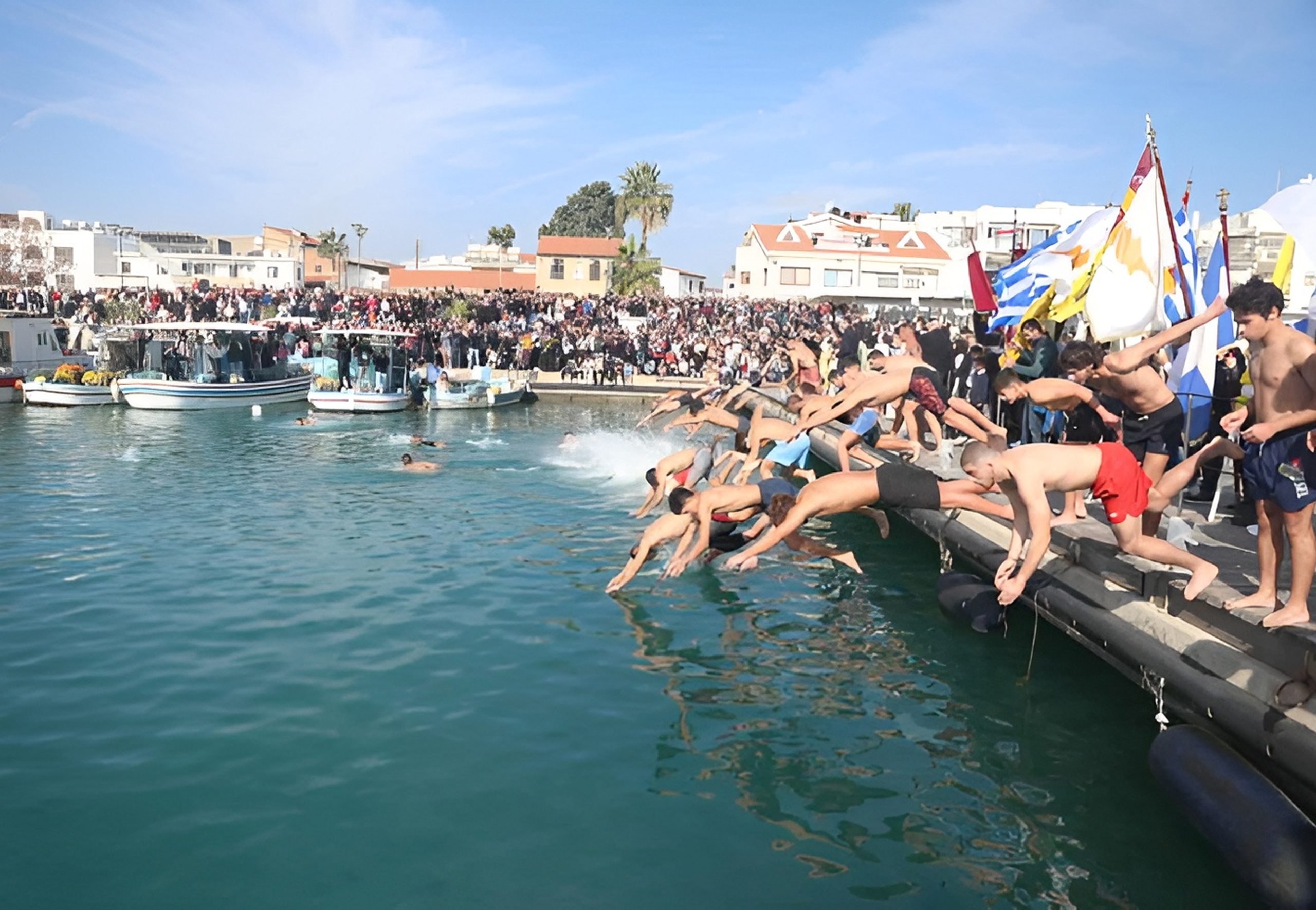
Upon reaching the water, the priest performs additional prayers and blessings before throwing a wooden cross far into the sea or river. The moment the cross leaves his hand, dozens or even hundreds of young men leap into the cold winter water and swim frantically toward where it sank. The competition to retrieve the cross creates intense excitement as swimmers dive repeatedly searching the murky depths. January water temperatures in Cyprus range from 16 to 18 degrees Celsius, cold enough to shock the system but not dangerously frigid.
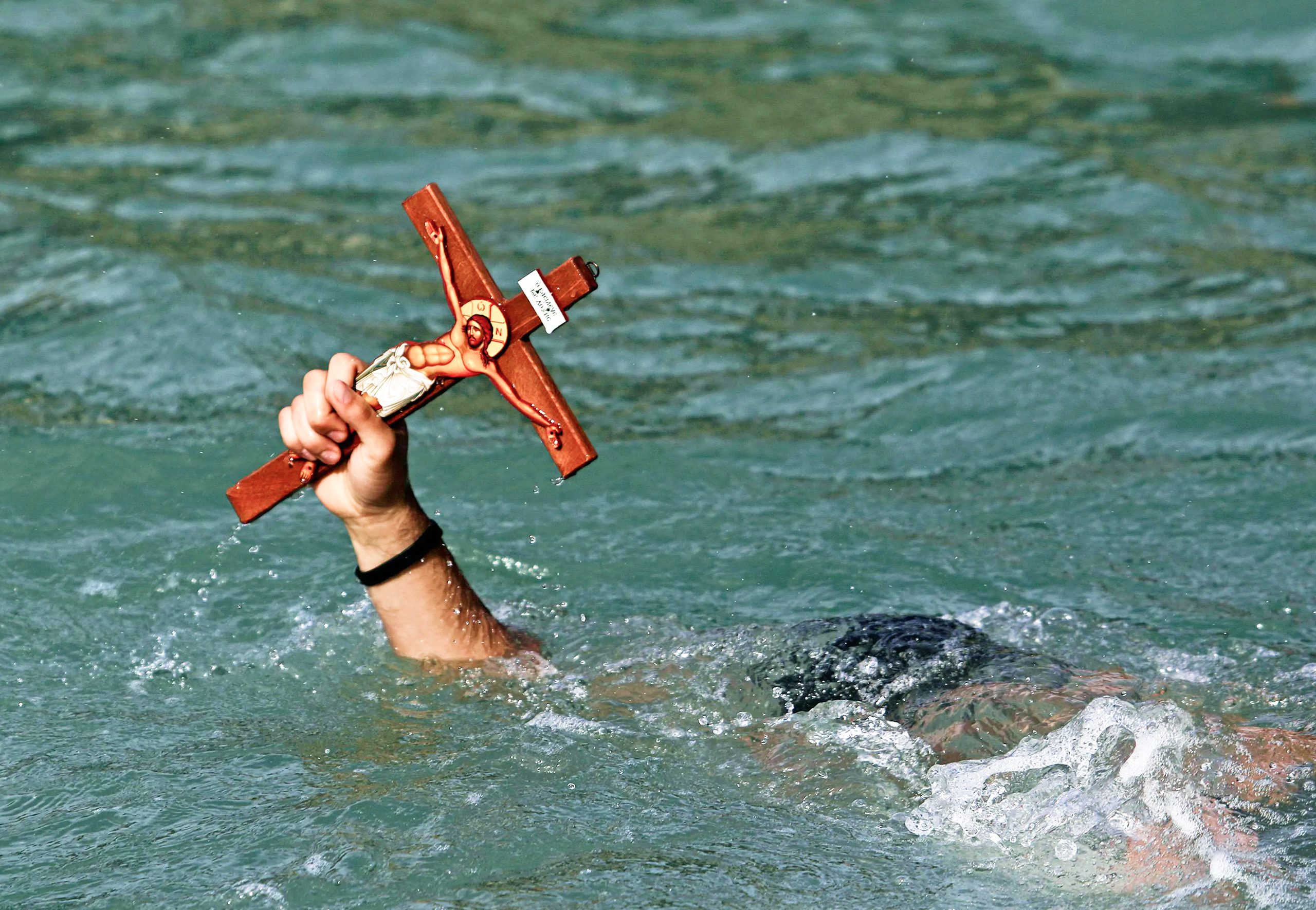
The successful diver emerges triumphantly holding the cross high while crowds cheer and applaud. Tradition holds that this person receives divine blessings, good health, and prosperity for the entire coming year. In some locations, the winner receives a small monetary prize from municipal authorities or community organizations. More importantly, retrieving the cross confers social prestige and recognition within the community. Young men who successfully retrieve the cross gain reputations for courage and strength that enhance their standing among peers.
After the cross retrieval, priests often bless fishing boats lined up at harbors. Fishermen bring their vessels to be sprinkled with holy water, ensuring safe voyages and abundant catches throughout the year. This blessing of boats connects Epiphany to Cyprus’s maritime culture and the practical concerns of those who make their living from the sea. The ceremony acknowledges the dangers fishermen face and seeks divine protection for their dangerous occupation.
Home Blessings and Banishing the Kalikantzari
On Epiphany eve and the feast day itself, priests visit homes throughout their parishes to perform blessings. The priest carries a container of holy water and a basil sprig, moving from room to room while sprinkling water and chanting prayers. This ritual purifies the home, protects inhabitants, and drives away any lingering Kalikantzari goblins who have plagued households during the 12 days of Christmas. Families prepare for these visits by cleaning thoroughly and arranging religious icons prominently.
According to Cypriot folklore, Kalikantzari emerge from underground during the Christmas period to cause mischief. These small creatures spoil food and wine, break furniture, make milk sour, and play various pranks on unsuspecting families. They particularly target children born during the 12-day period, who were believed vulnerable to transformation into Kalikantzari themselves. The creatures cannot count beyond two, so hanging colanders outside doors confuses them as they obsessively attempt to count the holes.
The Epiphany water blessing definitively expels the Kalikantzari, sending them back underground where they resume their year-long task of sawing through the World Tree that supports the earth. By the time they nearly succeed in cutting through the tree, another Christmas arrives and they abandon their work to return to the surface, creating an endless cycle. This folk belief blends pre-Christian elements with Orthodox symbolism, demonstrating how Cyprus preserved ancient traditions by adapting them to Christian contexts.
Children’s Caroling and Pouloustrina Gifts
On Epiphany eve, children travel door to door singing special Kalanda carols specific to this feast. The verses announce the coming of Epiphany, describe Christ’s baptism, and offer blessings to the household. Homeowners reward the carolers with coins, sweets, or traditional treats. The caroling tradition connects modern children to centuries of folk practice while teaching them religious stories through song.
On Epiphany day itself, children receive pouloustrina, small amounts of money given by relatives, grandparents, and godparents. Before receiving the gift, children traditionally recite “Kalimera kai ta Fota kai tin pouloustrina prota,” meaning Good morning on Fota and let me have my pouloustrina first. The word pouloustrina derives from French “pour etrenne” meaning for good luck, a linguistic remnant from Frankish rule in medieval Cyprus. This gift-giving custom provides children with holiday money after the main New Year’s celebrations have passed.
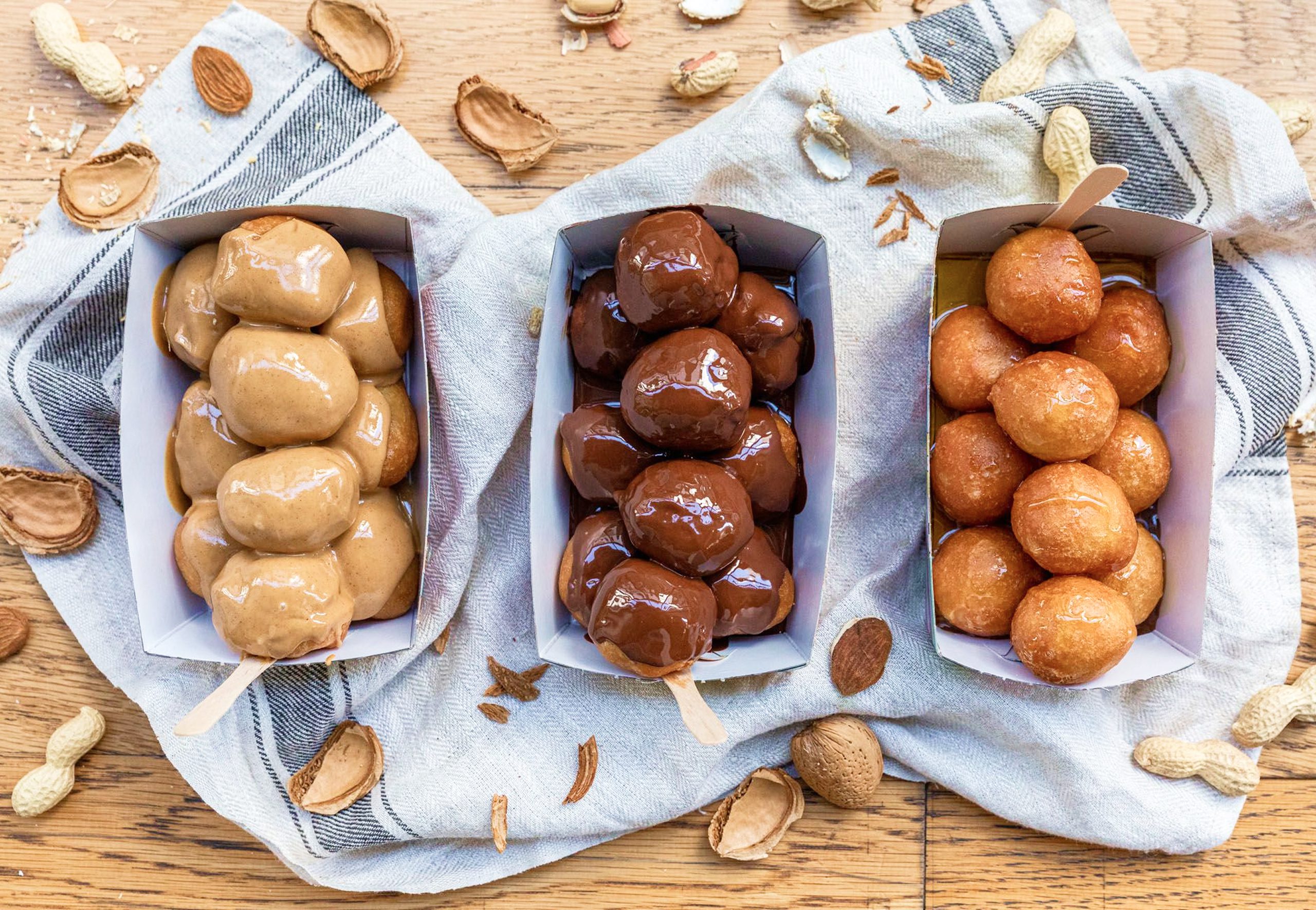
Some families prepare special Epiphany treats called xerotigana or loukoumades, fried dough pastries soaked in honey syrup. Tradition dictates throwing some of these sweets onto rooftops as final offerings to departing Kalikantzari, appeasing the creatures before they return underground. The combination of religious observance and folk custom creates layered celebrations that satisfy both spiritual needs and social entertainment.
Modern Celebrations and Cultural Continuity
Contemporary Epiphany celebrations blend traditional rituals with modern entertainment. Coastal municipalities organize elaborate programs including concerts, folk performances, and cultural exhibitions surrounding the water blessing ceremonies. Thousands gather at popular diving locations in Limassol, Larnaca Marina and Pier, and Paphos to witness cross retrievals that have become significant tourist attractions. Media coverage brings the events to those unable to attend in person.
Despite commercial elements and tourist interest, the religious core remains strong. Churches fill with believers for services, families maintain home blessing traditions, and the diving ritual continues to draw numerous participants eager to compete for the blessed cross. The persistence of these practices demonstrates their deep integration into Cypriot Orthodox identity and their role in maintaining cultural continuity across generations.
Young Cypriots increasingly value traditions their parents took for granted, recognizing Epiphany as irreplaceable connection to ancestral faith and communal belonging. The celebration provides annual renewal of religious commitment and cultural identity in a society experiencing rapid modernization and secularization pressures. The day marks transition from sacred holiday time back to ordinary routines, creating psychological closure for the extended Christmas period.