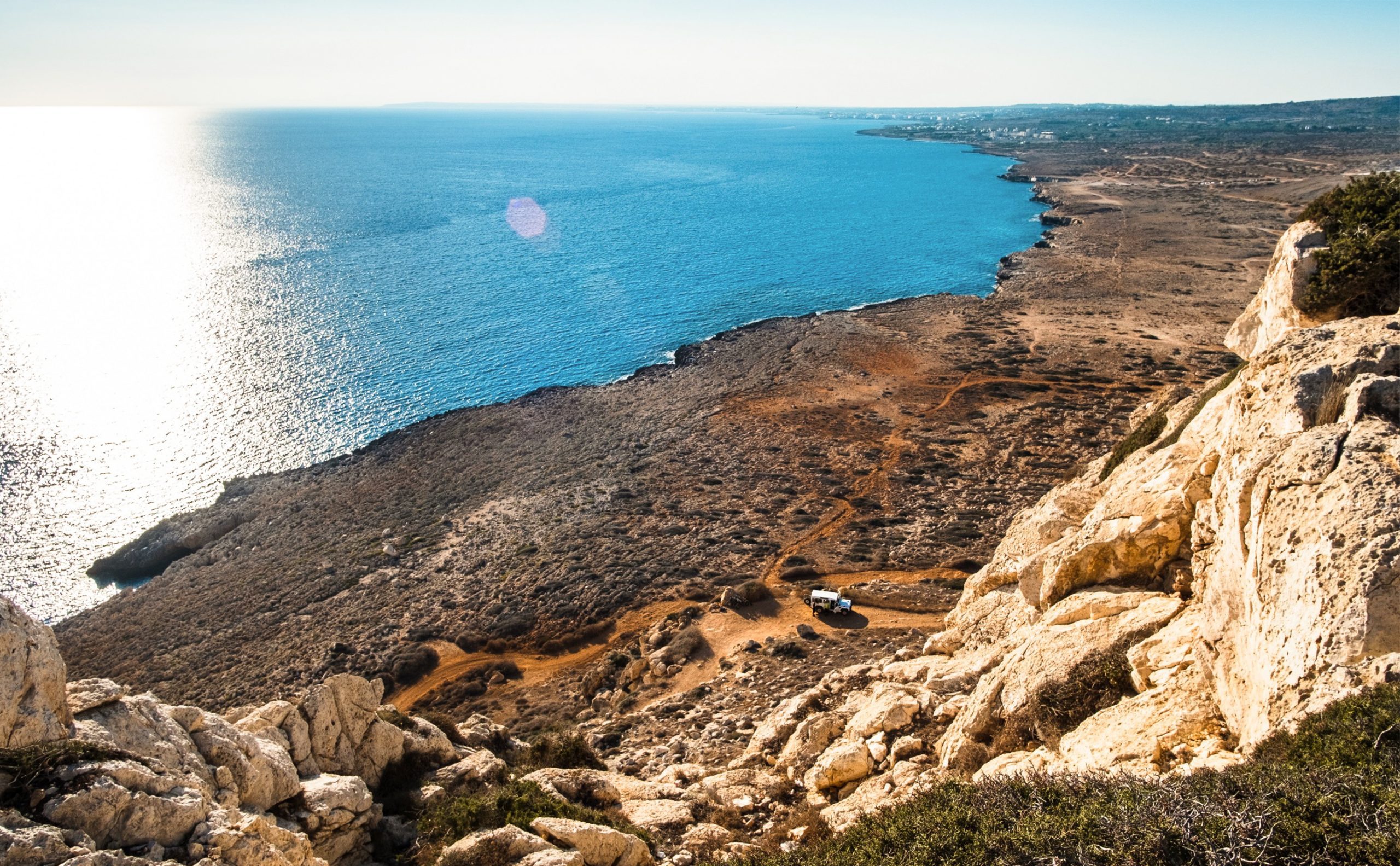
Cape Greco National Forest Park occupies 385 hectares on a rocky promontory at the southeastern tip of Cyprus, nestled between the resorts of Ayia Napa and Protaras. The park was designated as a National Forest Park in 1993 to protect this area of unspoiled natural beauty. The broader Natura 2000 site encompasses 1,876 hectares, including 915 hectares of terrestrial area and 961 hectares of marine zones.
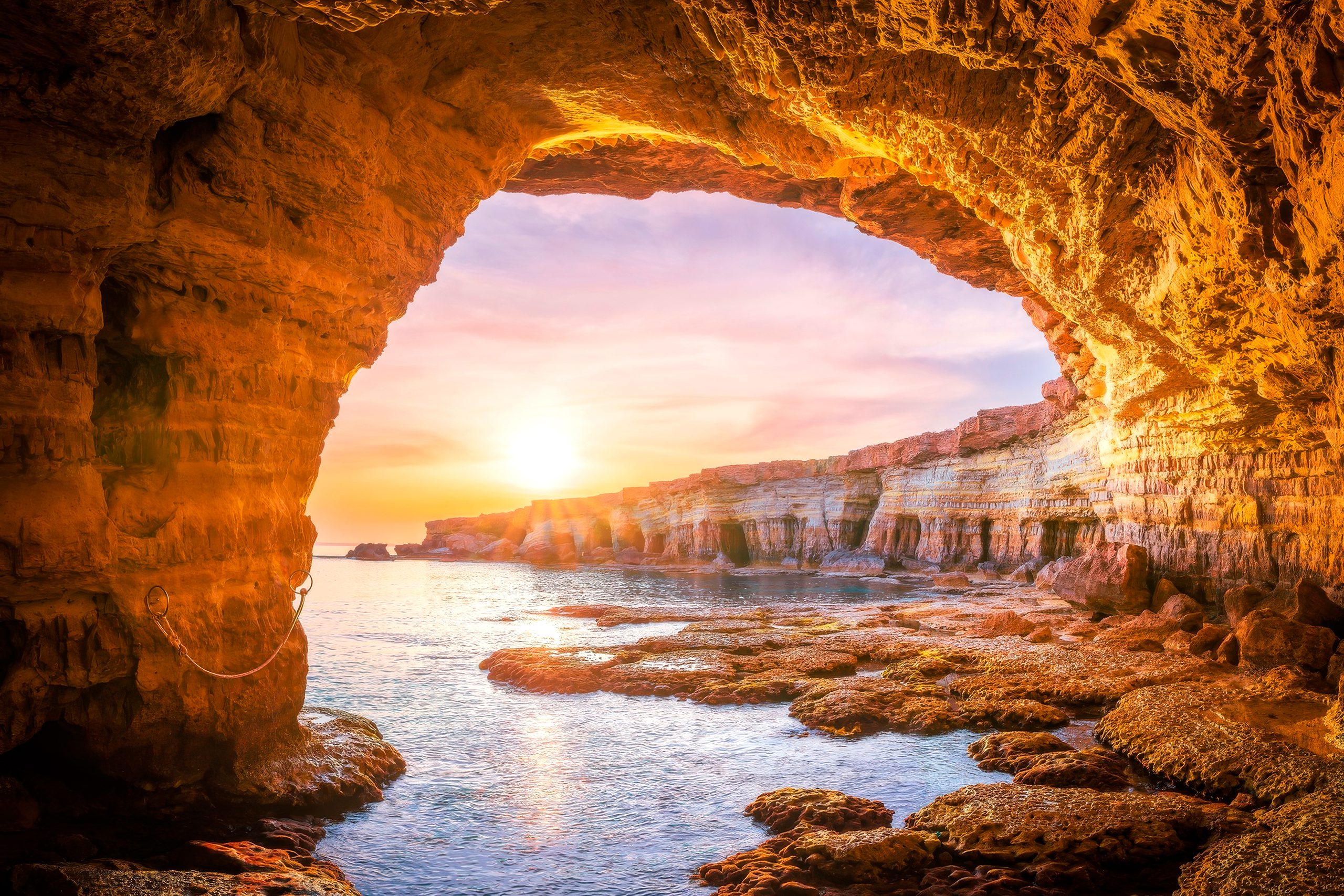
The dramatic limestone cliffs rise 30 feet above turquoise Mediterranean waters, creating spectacular coastal scenery. Sea caves carved by thousands of years of wave action punctuate the coastline, while natural rock arches frame views of the endless blue horizon. The park combines hiking trails, cycling paths, endemic plant species, and coastal beauty in a relatively compact area. Visitors experience Cyprus at its wildest and most beautiful, with pine scented paths overlooking crystal clear waters.
- The lost juniper forest and current vegetation
- Wildlife from hedgehogs to migratory raptors
- The famous sea caves and natural bridge
- Network of trails for every ability level
- Diving paradise with crystal waters
- Cultural landmarks add historical depth
- Konnos Beach and Bay
- Planning your visit to Cape Greco
- Why Cape Greco defines coastal Cyprus
The lost juniper forest and current vegetation
Cape Greco was originally covered by a dense juniper forest that gave the area its distinctive character. Between 1910 and 1920, these trees were rapidly cut down and burned to power steam flour mills that operated in abundance in the Paralimni area. Since then the slow growing juniper has never fully recovered, though scattered specimens still survive alongside varieties of pine.
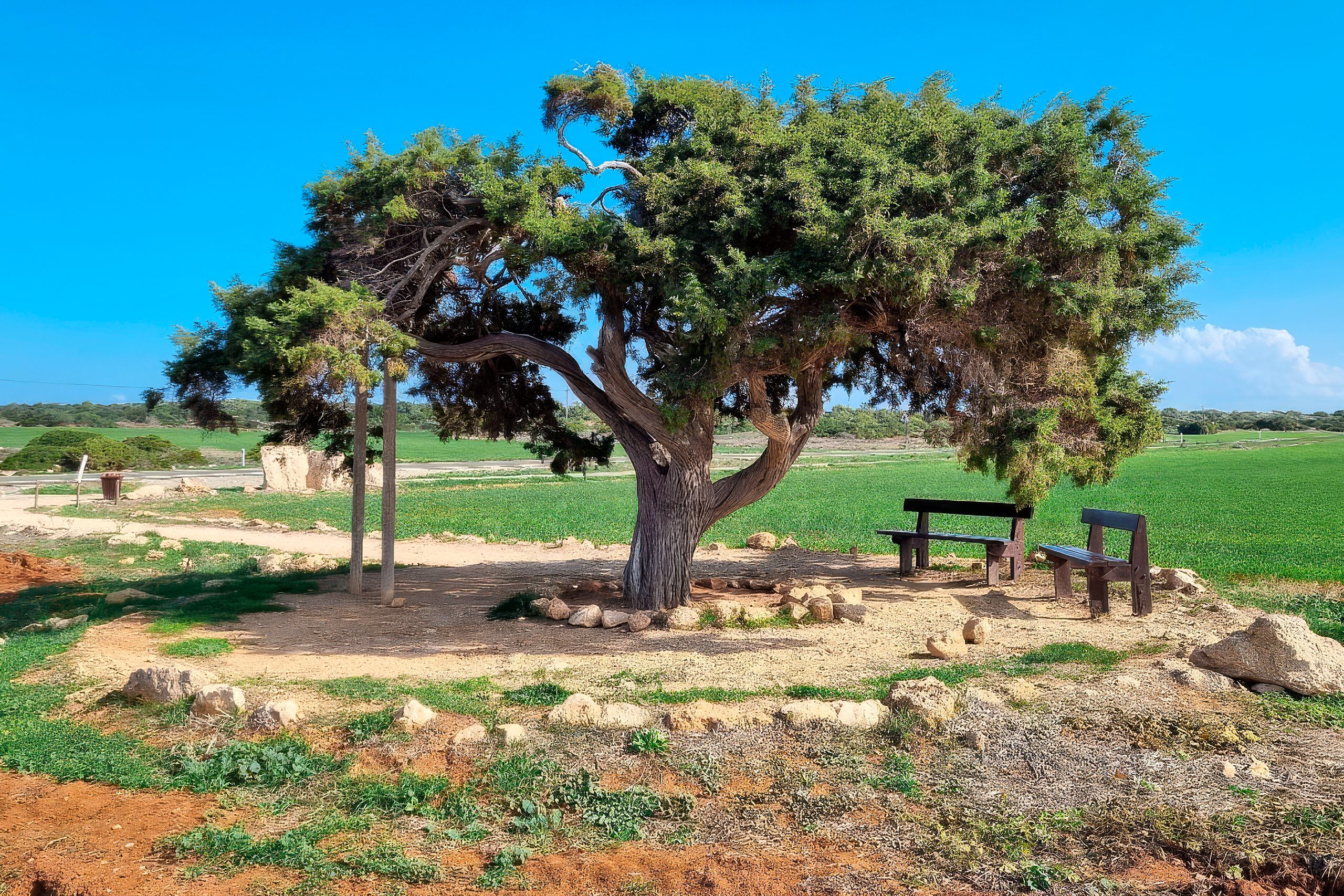
Today the vegetation consists mostly of sparse low level growth, including 14 species endemic to Cyprus. The park hosts over 400 plant species in total, many found nowhere else in the world. The unique Mediterranean climate provides perfect conditions for these plants to thrive year round. Various flowers including orchids and other rare species bloom here, with spring bringing the most colorful displays.
The flora exhibits specialized adaptations including succulent leaves and deep root systems that enable survival in nutrient poor calcareous substrates. Maquis and phrygana plant communities provide nectar, shelter, and breeding sites for pollinating insects and ground nesting birds. The root networks play a critical ecological role in stabilizing soils against erosion on the steep exposed terrain.
Wildlife from hedgehogs to migratory raptors
The park provides habitat for foxes, hares, and hedgehogs that thrive in the rugged terrain with seasonal food availability. Over 80 species of birds have been recorded here, along with various butterflies and lizards. Cape Greco functions as a critical stopover along Afro Eurasian flyways, funneling raptors and passerines during migration. Peak activity occurs in spring from March to May and autumn from August to October, with over 3,000 raptors including honey buzzards and kestrels recorded annually.
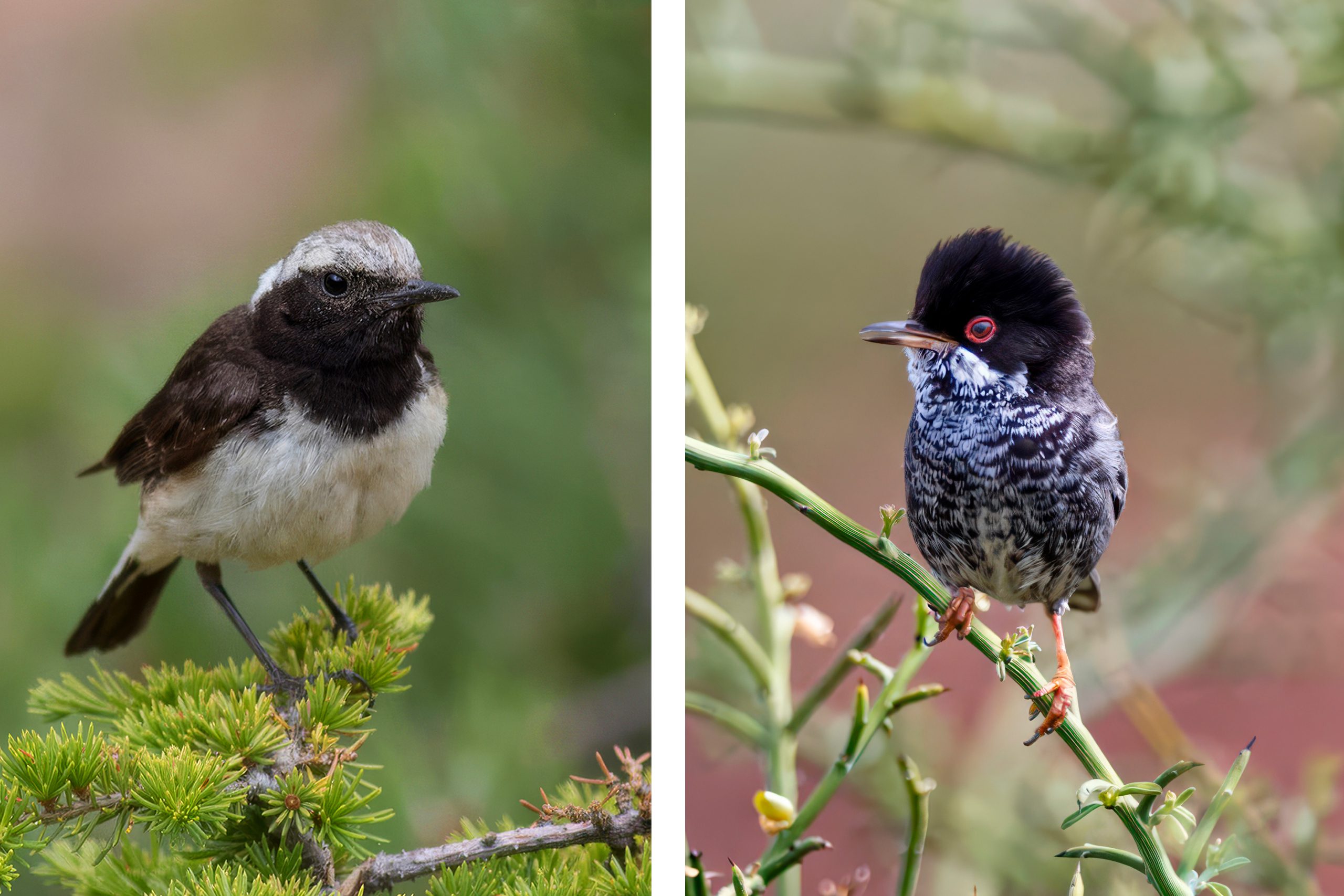
The park is designated an Important Bird Area and serves as a breeding site for Cyprus wheatears, Cyprus warblers, and black francolins. The surrounding marine waters host green sea turtles, Mediterranean monk seals, common bottlenose dolphins, and octopuses. These marine species utilize the coastal caves and seagrass beds near Cape Greco for foraging and resting, highlighting the interconnected terrestrial and marine ecosystem. Hunting is prohibited throughout the park, making it a true game reserve with observation points for birdwatchers.
The famous sea caves and natural bridge
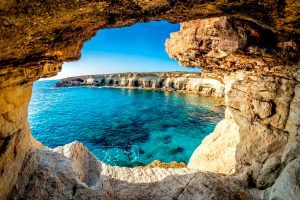
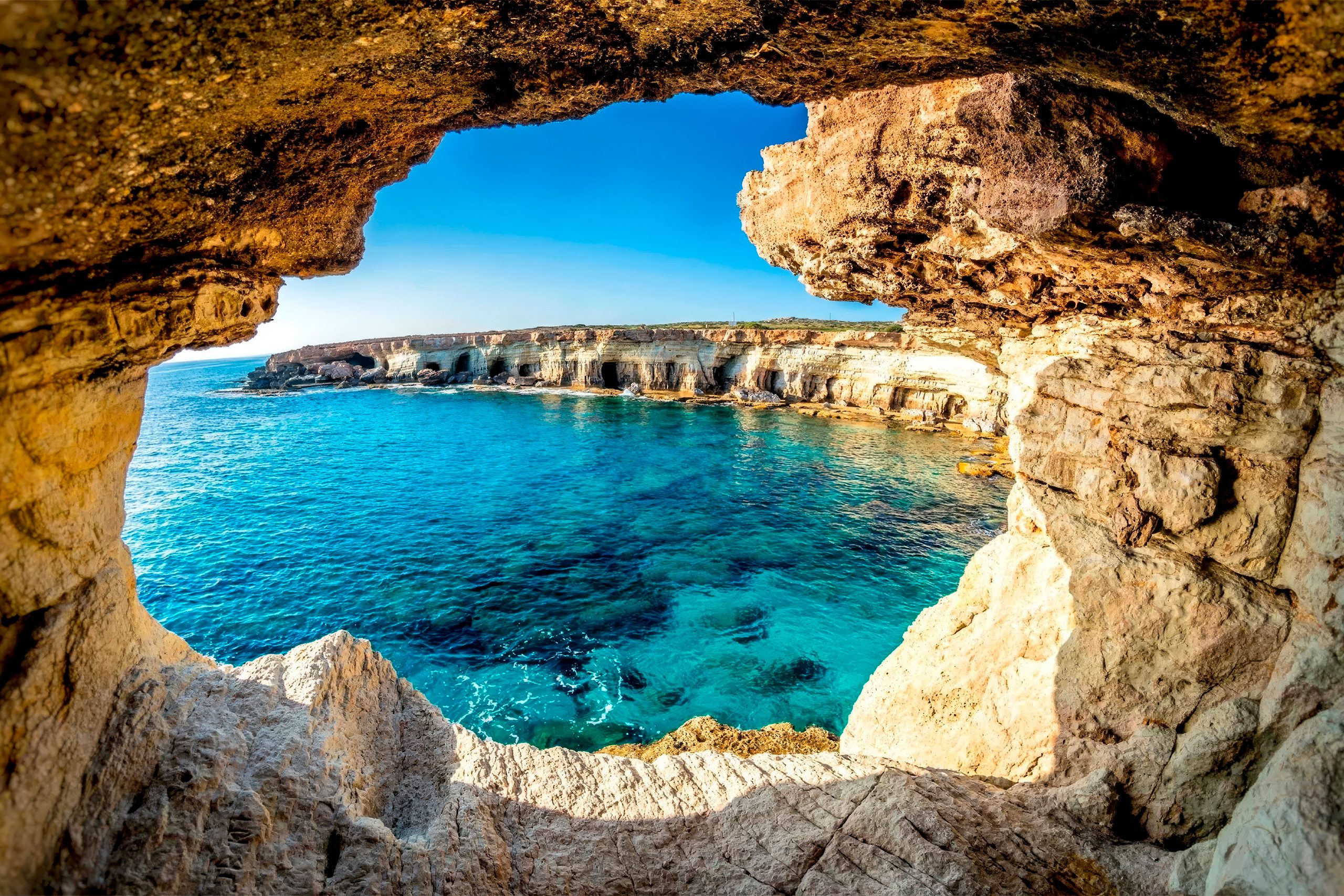
The limestone cliffs feature spectacular sea caves naturally carved by Mediterranean waves over thousands of years. These dramatic formations are best appreciated from boat trips along the coast, with their grandeur earning them the name The Palaces. The Palace caves and Smugglers caves are deep passages that extend as far as 240 feet into the rock and are accessible only from the sea.
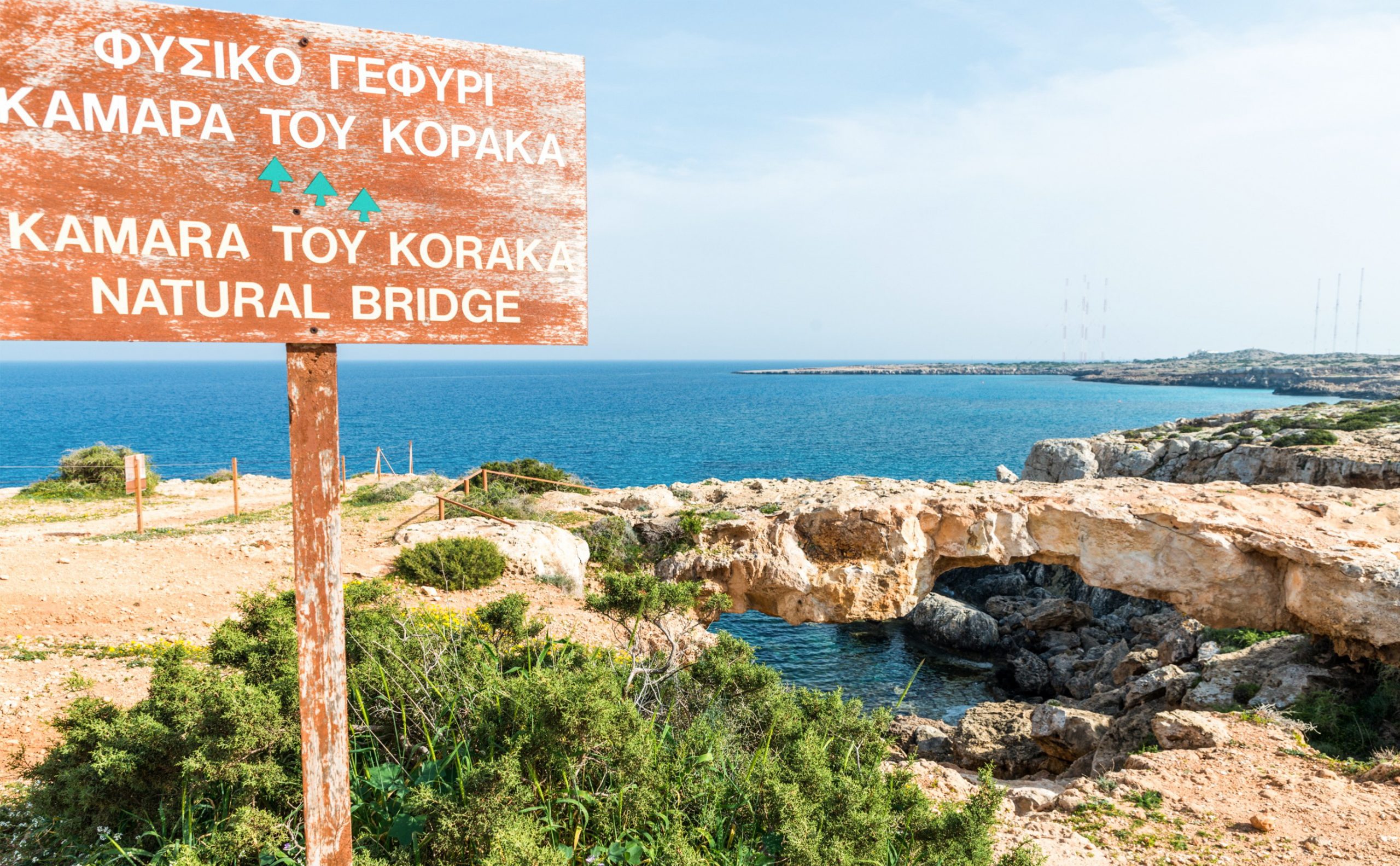
During calm seas and low tide it is possible to swim and even walk into most of them, though the environment remains rock strewn. The waters inside the caves are wonderfully clear despite the rocky terrain. Boat trips pass by daily, allowing visitors to explore these natural wonders up close. Kamara Tou Koraka, the most impressive natural bridge in Cyprus, spans 50 feet in height and 23 feet in width.
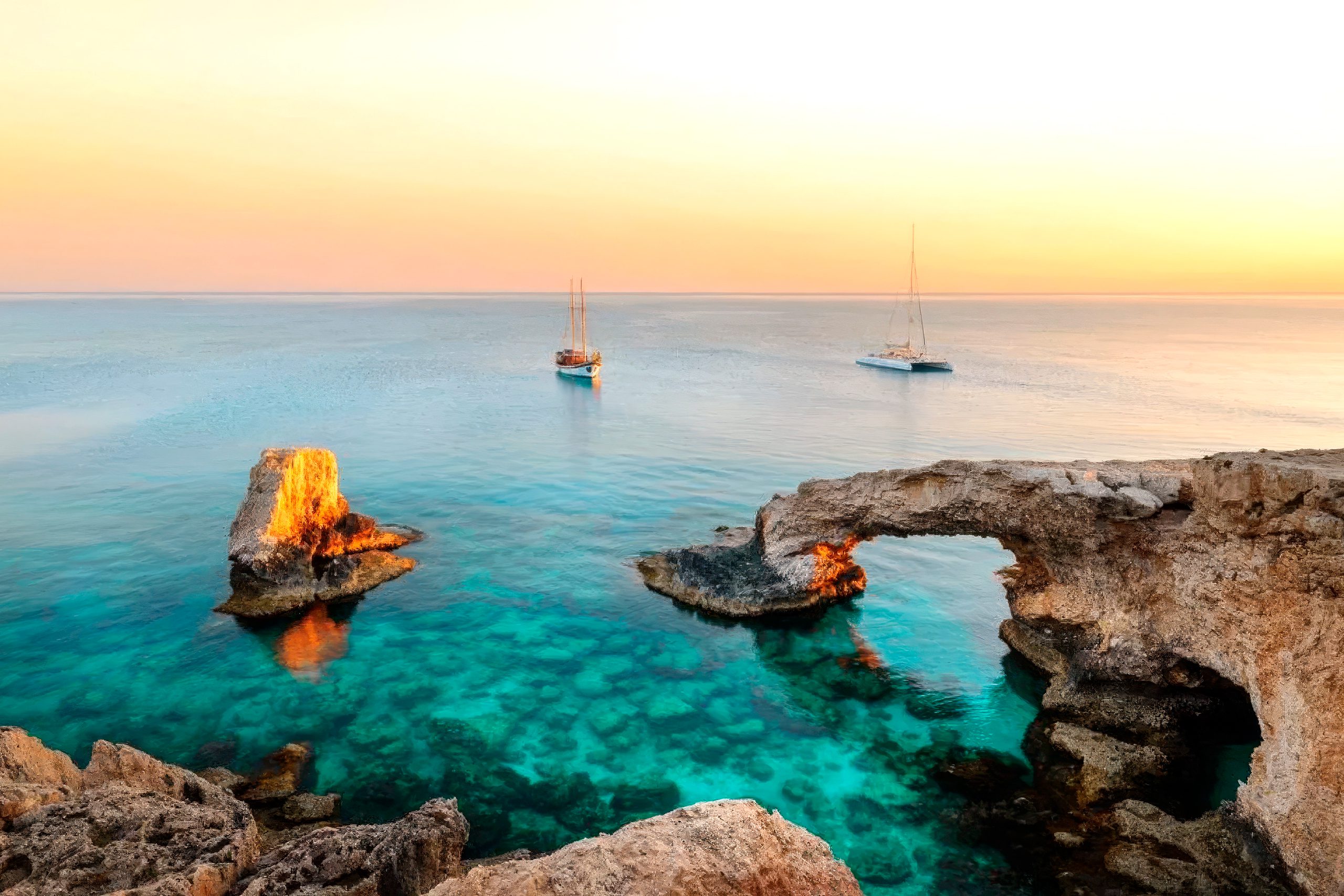
This arch is located in the northeast rugged coast and represents an infinite beauty that nature created over thousands of years. The formation shows gradual erosion in recent decades, partly from roots of plants that germinated in the rock. Cyclops Cave is a majestic cavern over 100 square meters with two entrances, located about 15 meters above the sea surface.
Network of trails for every ability level
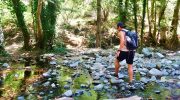
The park features several well-maintained nature trails that extend to a total length of 16 kilometers. These signposted routes take in all the points of interest while offering different difficulty levels. One trail forms part of the European Long Distance Trail E4 that runs from Cyprus to Gibraltar, following the coastline with spectacular views. The Aphrodite nature trail stretches 2 kilometers along the northeast coast of the park and doubles as a cultural route due to the mythical birthplace of Aphrodite nearby.
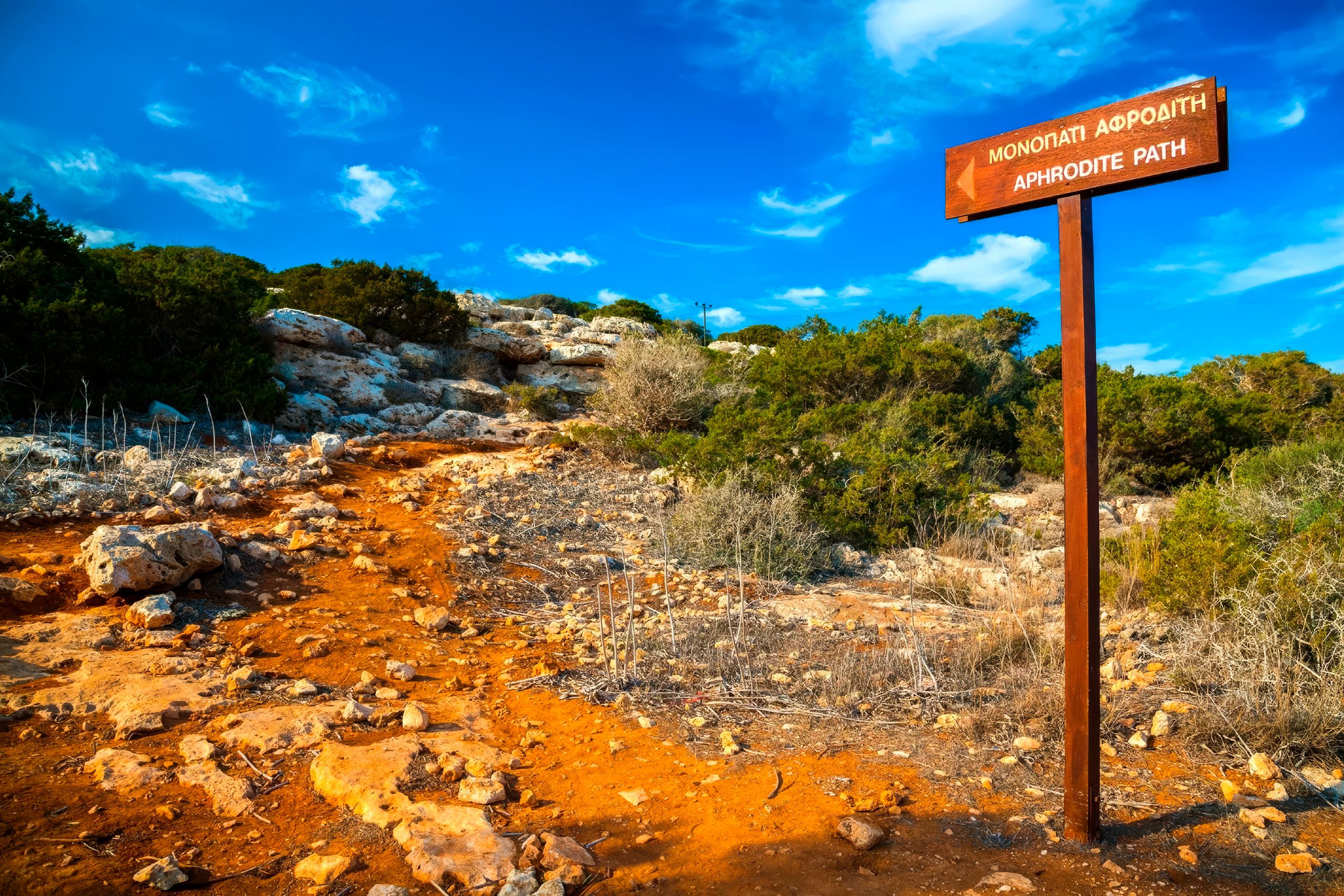
The Agioi Anargyroi to Sea Caves trail covers 1.7 kilometers of linear coast and takes about 45 minutes to complete. Numerous benches are scattered along these paths, offering perfect opportunities to rest and admire the surroundings in stillness. The trails wind through miniature pines and juniper framed by clear blue skies. Specially constructed cycling paths are found throughout the park, with the mild climate, low annual rainfall, and gentle winds creating ideal conditions for year round cycling. The Cape Greco National Park Loop covers 6.4 miles with 734 feet of elevation gain and receives high ratings from hikers.
Diving paradise with crystal waters
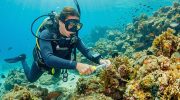
Cape Greco ranks as one of Cyprus’s most popular diving sites due to warm water temperatures ranging from 16 to 28 degrees Celsius year round. Water visibility reaches up to 40 meters, allowing divers to see far into the crystal clear depths. The vibrant marine life includes colorful fish, octopuses, and occasional sea turtles. Ancient shipwrecks rest on the seabed, with a wreck dating to the 2nd century AD discovered in 2007 off the coast.
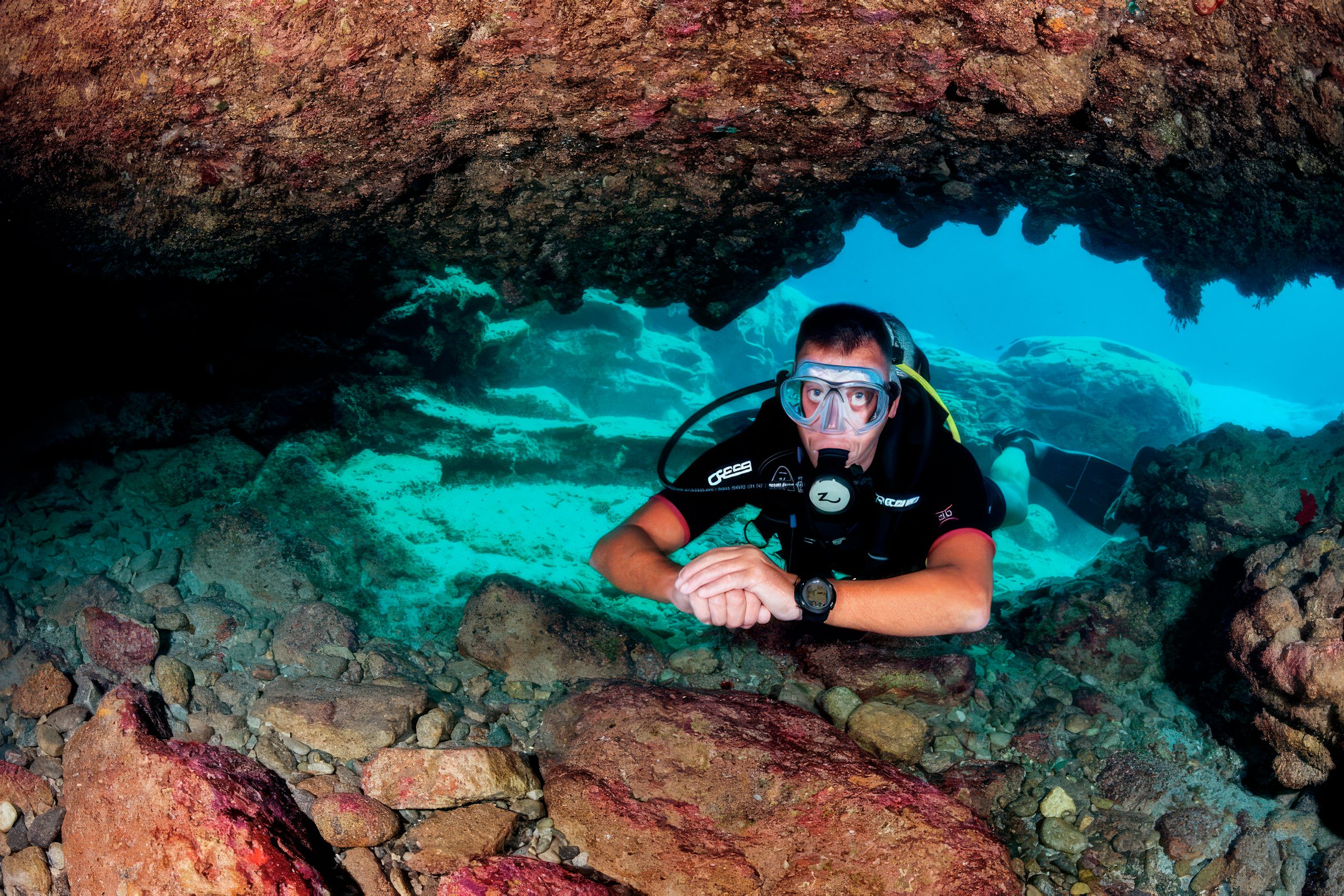
Stunning rock formations beneath the waves create an underwater wonderland teeming with life. The park’s designated diving areas ensure this marine environment remains protected for future generations. Snorkeling is equally popular, with many people coming here to explore the shallow waters near the caves. Locals arrive before dawn to fish in these productive waters. Spots of deep water among the rocks attract adventurous souls who engage in cliff diving and jumping, though this extreme sport requires caution and experience.
Cultural landmarks add historical depth
The tiny whitewashed Church of Agioi Anargyroi sits perched on a rocky cliff overlooking the sea and turquoise waters. The chapel is dedicated to the twin brothers Saints Cosmas and Damianos who were both doctors and miraculously healed sick people without receiving payment. Below this small white chapel is a hermit’s cave mentioned in local legend, with steps that lead down to the sea where holy water runs.
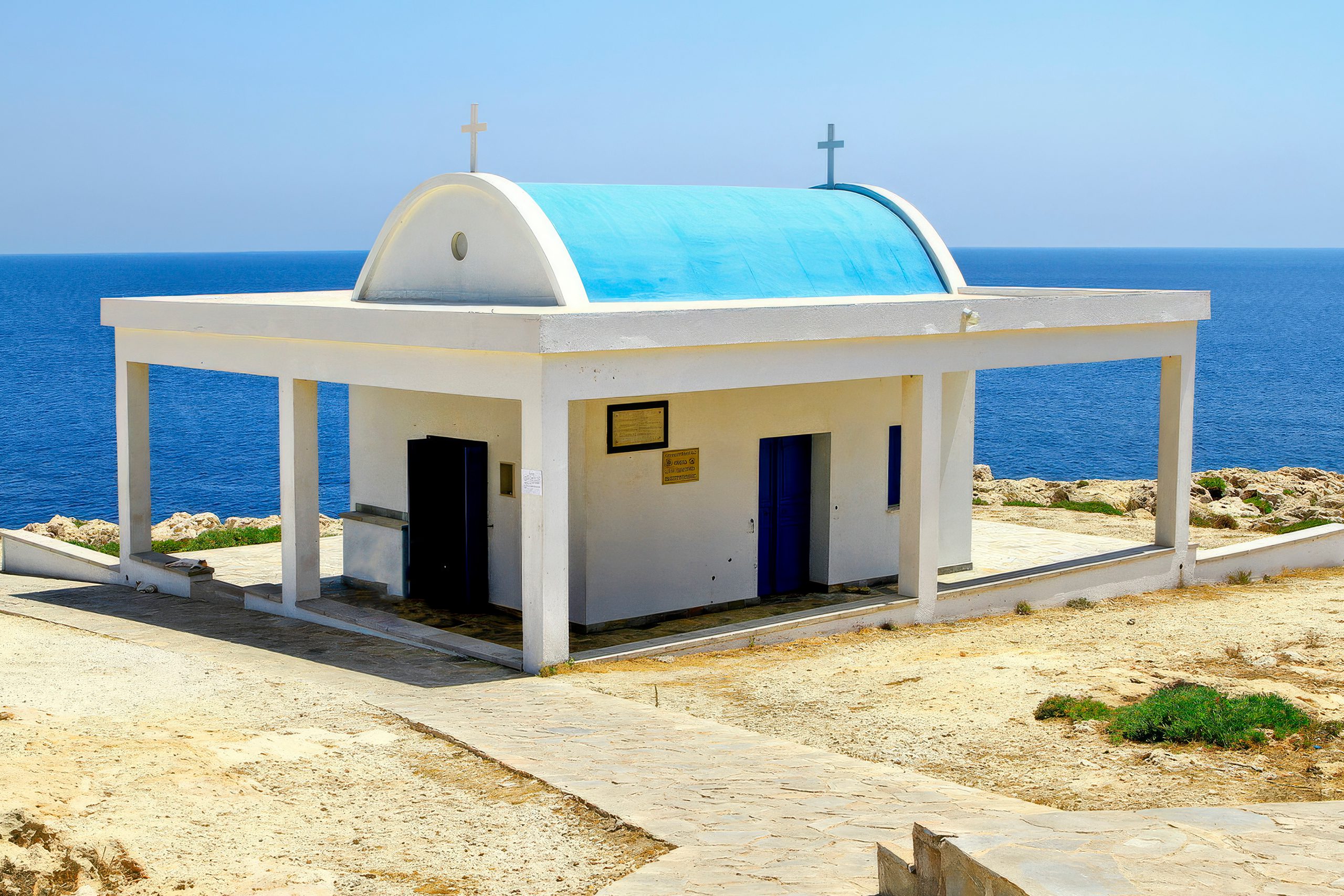
The chapel serves as a popular spot for wedding photos due to its scenic location. The Monument for Peace stands in the center of a popular tourist area, offering magnificent views of the sea and the protected landscape. A British built lighthouse operates on the peninsula, the second lighthouse ever constructed in Cyprus after the one at Paphos Castle.
Archaeological discoveries include one of the oldest Neolithic settlements in Cyprus, uncovered in 1992, demonstrating human presence dating back thousands of years. Ruins of an ancient temple dedicated to Goddess Aphrodite remind visitors of the area’s mythological connections.
Konnos Beach and Bay
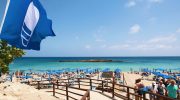
Konnos Beach lies on the northern edge of the park. This small beach stretches 200 meters in length and only 35 meters in width. Golden sand covers the beach, sheltered from strong winds by surrounding headlands. This protection results in calm water with minimal waves.
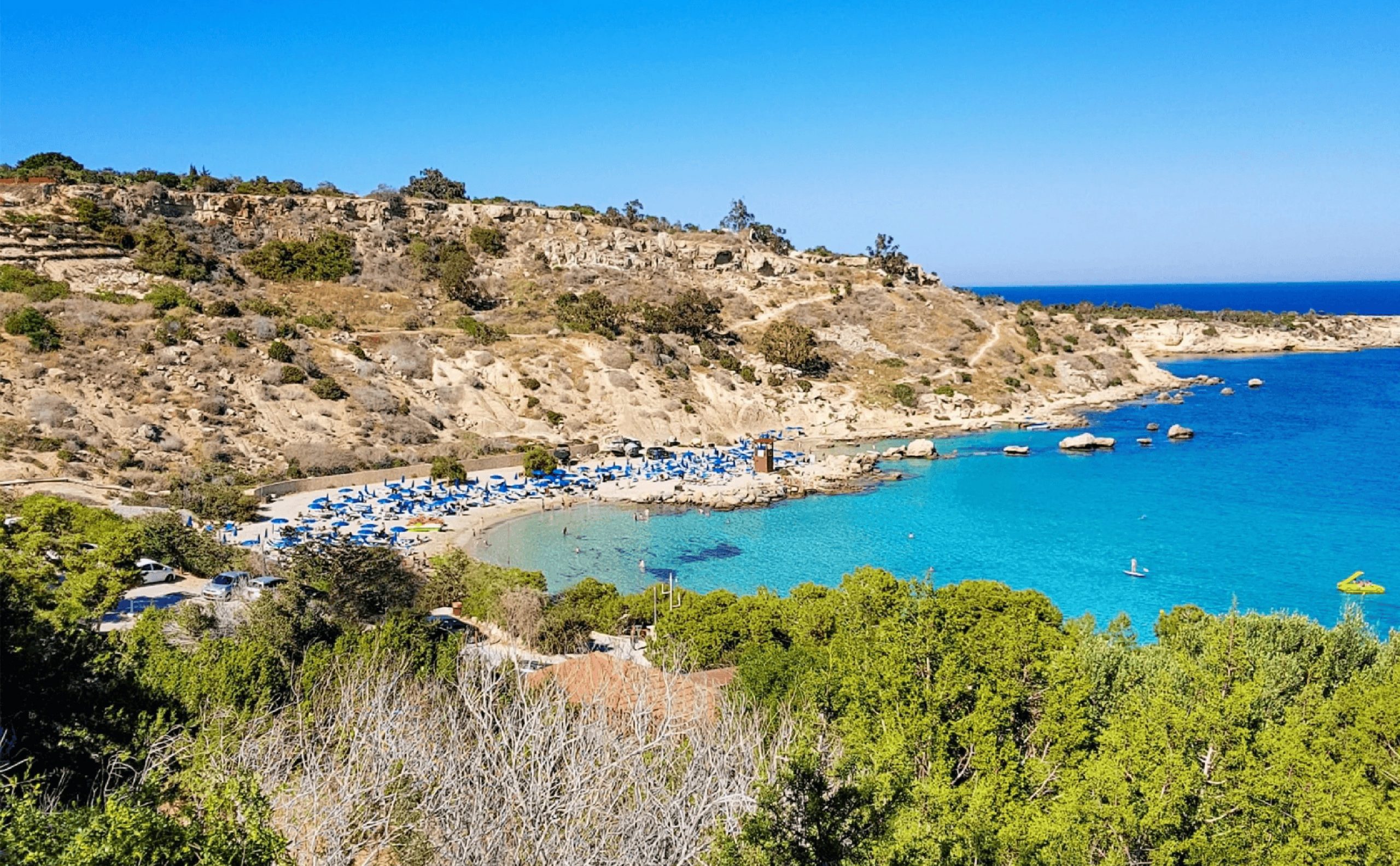
The beach offers sunbeds, umbrellas, and water sports facilities during summer months. A cafe and restrooms serve visitors. The compact size and calm conditions make Konnos popular with families.
Access to the beach is easy from the main road with a large parking area nearby. A walking path connects Konnos to other sections of the park. The Agioi Anargyroi Trail begins near the beach.
Planning your visit to Cape Greco
The park is located just a short drive from both Ayia Napa and Protaras, making it a convenient day trip for anyone visiting the region. Access is easy by car with parking available near main attractions, though spaces can be challenging during peak season. Local buses can get visitors close to the park’s vicinity, from where they can walk or rent bicycles.
Many organized boat tours depart from Protaras and Ayia Napa harbors, providing unique perspectives of the coastline with stops at sea caves and Blue Lagoon. The terrain is rocky and uneven, especially around sea caves, so comfortable walking shoes are essential. Bring at least 2 liters of water as there are no refreshment stops along trails.
The park has no shade on many sections, so sun protection including hat, sunscreen, and sunglasses is critical. The best times to visit are early morning or late afternoon to avoid midday heat and crowds, with sunrise and sunset offering particularly stunning light. October provides pleasant water temperatures for snorkeling. Winter months bring fewer visitors and dramatic wave action against the cliffs.
Why Cape Greco defines coastal Cyprus
Cape Greco National Forest Park represents Cyprus’s commitment to preserving natural beauty alongside tourism development. The park demonstrates that economic growth and environmental protection can coexist when properly managed. The designation as a National Forest Park in 1993 halted further encroachment and facilitated ecological restoration efforts in the 385 hectare area.
The protected status ensures future generations can experience the same wild beauty that captivates visitors today. The interconnected terrestrial and marine ecosystems provide essential habitat for endemic species found nowhere else on earth. The significance extends beyond Cyprus as the park plays a crucial role in global conservation efforts, particularly for migratory birds traveling between Europe and Africa.
The limestone formations, sea caves, and natural bridges showcase geological processes that operated over millions of years. For visitors, Cape Greco offers authentic wilderness experience just minutes from modern resorts, proving that small areas can contain extraordinary natural diversity when protected from development pressures.