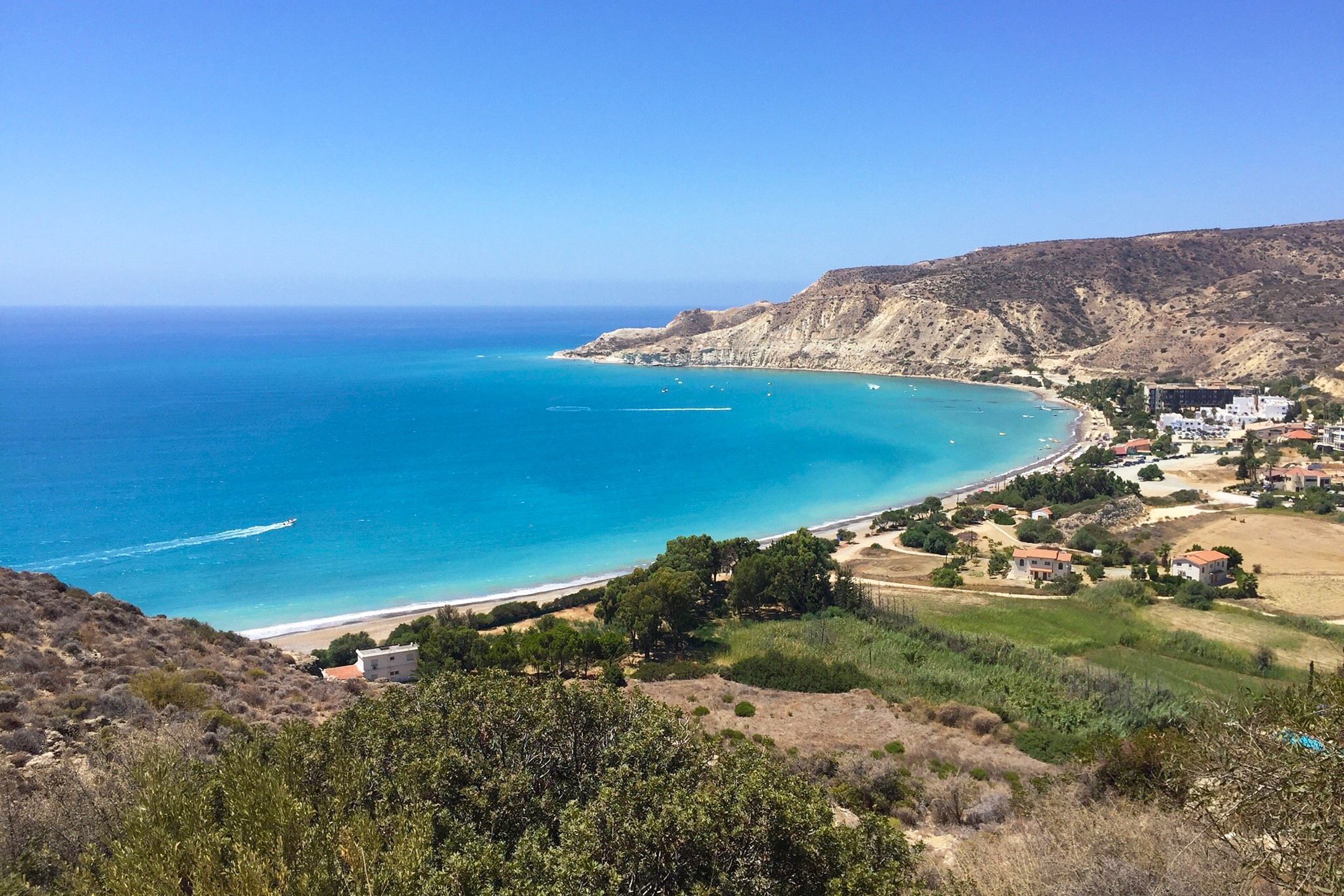
Pissouri Beach stretches 1.5 kilometers along the southern coast of Cyprus between Limassol and Paphos, roughly 30 kilometers from each city. The beach occupies Pissouri Bay, a natural cove protected by the white limestone cliffs of Cape Aspro on both sides.
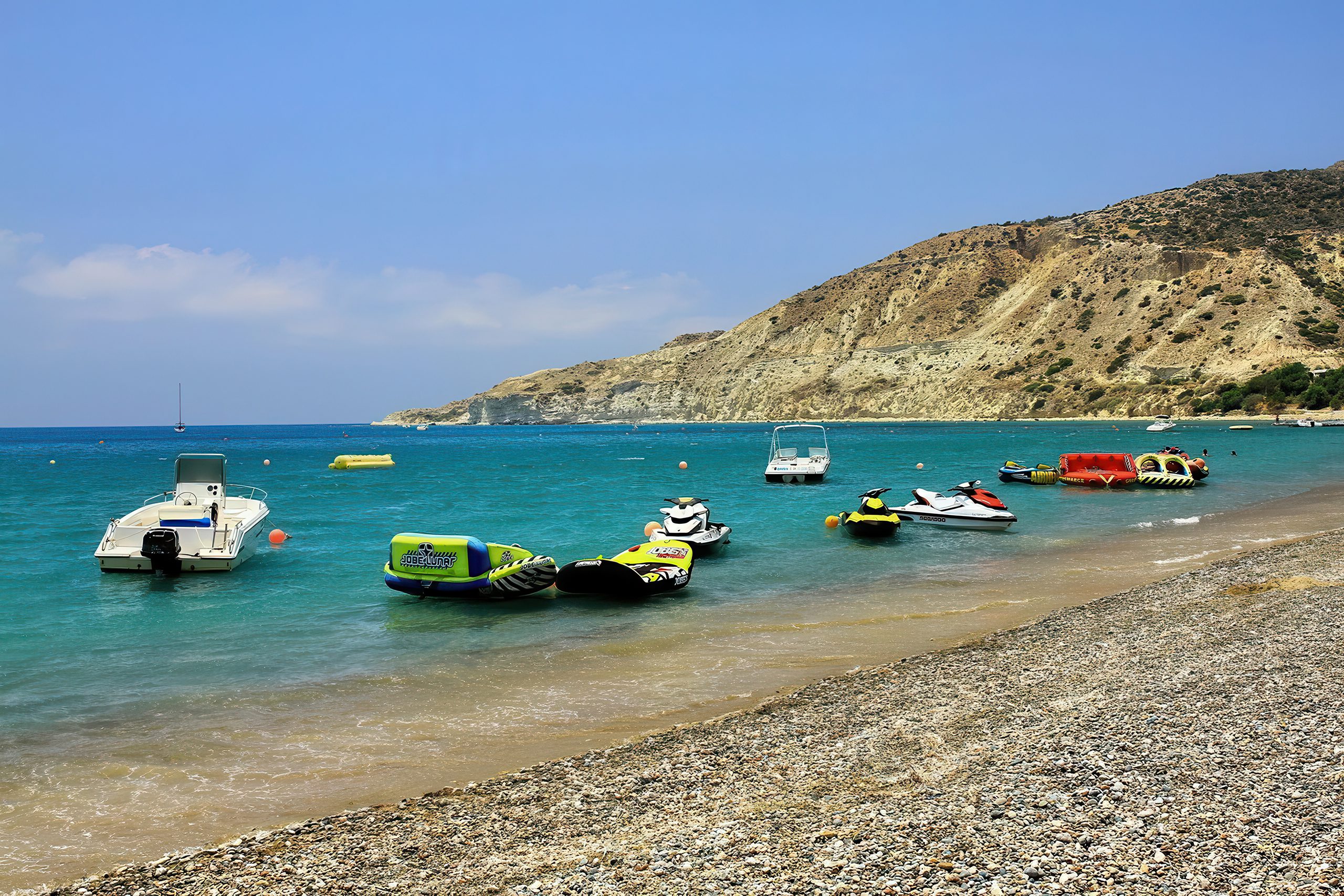
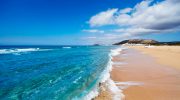
The beach features fine golden sand mixed with multicolored small pebbles, creating a distinctive shoreline texture not found at purely sandy beaches. The waters here earned Blue Flag certification, marking compliance with strict European standards for cleanliness, safety, and environmental management.
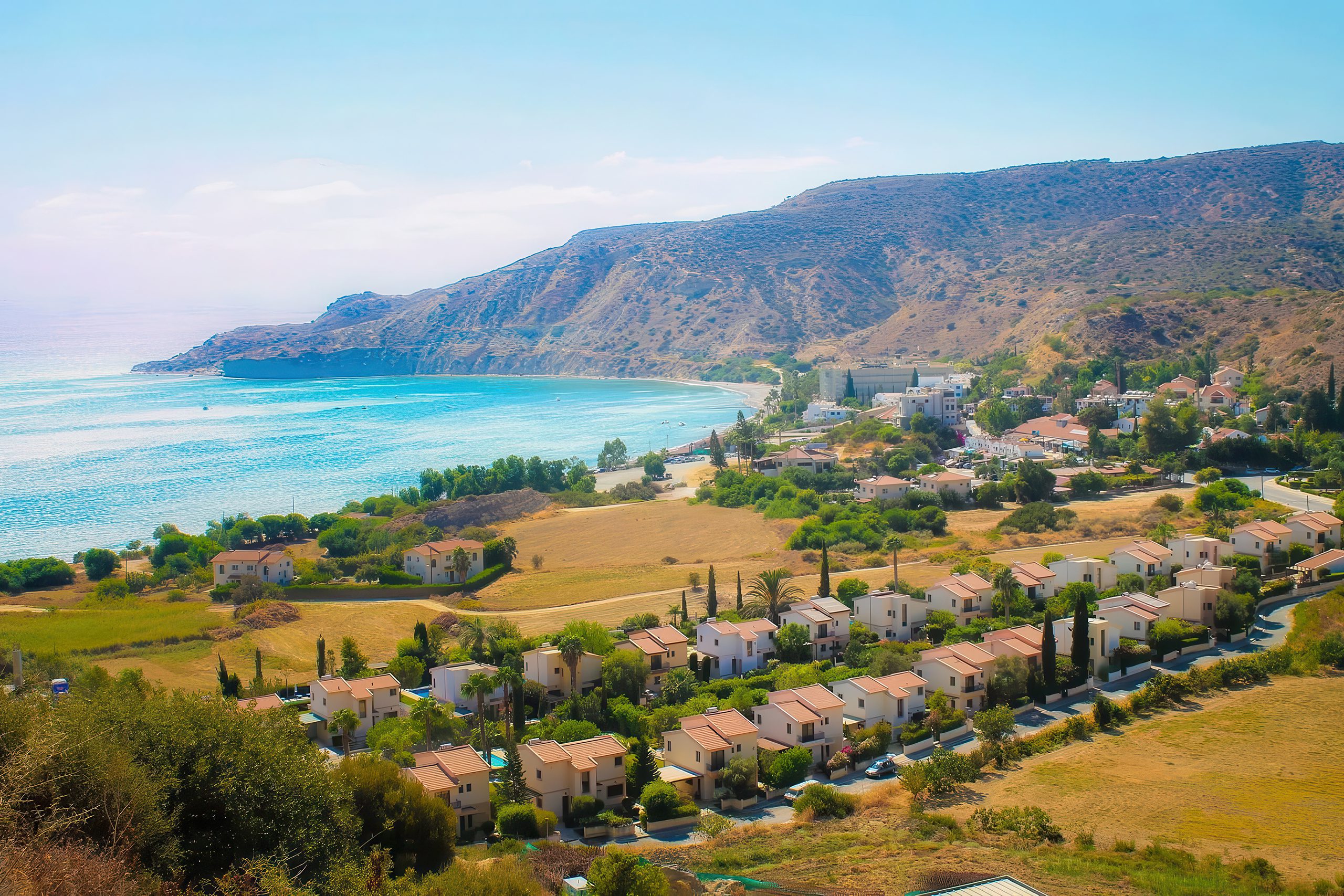
Pissouri divides into two distinct zones: the old village perched on a hillside three kilometers inland and Pissouri Bay, the beach resort area that developed primarily for tourism.
From Pine Resin to Tourist Haven
The name Pissouri most likely derives from extensive pine resin extraction in the area, as the Greek word for tar is pissa, and resin production began during the Byzantine Empire and continued through the Middle Ages and Frankish era in Cyprus.
Alternative theories link the name to the Cypriot dialect word for very dark nights, connected to legends about 300 Alamani saints who arrived at this coast during a pitch-dark night in the 7th century. The ancient geographer Strabo mentioned a city called Boosoura in this region, though exact connections remain unclear.
Medieval records describe Pissouri as royal property where almonds, carobs, olives, fruit, and grapes grew abundantly. The village became known for its Sultanina grape variety, small sweet seedless green grapes used for eating rather than wine production.
The Church of Apostle Andreas was built through voluntary public work in 1883, with construction lasting about twelve years using stone transported from nearby villages by donkey-drawn carts.
From the 1980s onward, Pissouri began developing into an important tourist center following the construction of the first major hotel, now known as Columbia Beach Resort. Tourism infrastructure expanded through the 1990s and 2000s, transforming the bay area, while the hilltop village retained its traditional character.
Crystal Waters Between White Cliffs
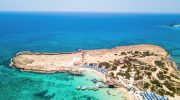
The beach runs the full length of Pissouri Bay from Cape Aspro Point at the western end to Black Rock headlands in the east. Beach dimensions measure 1,500 meters in length and 90 meters in width, providing substantial space for swimmers even during busy summer weekends.
The western end contains shallower waters suitable for children and less confident swimmers, while central and eastern sections deepen more quickly with steep drop-offs allowing boats to moor close to shore.
The mixed sand and pebble composition creates different textures across various sections. Some areas offer soft sand perfect for lounging, while others feature more stones that provide natural foot massage but require beach shoes for comfort.
Water clarity stays exceptionally high throughout the swimming season. The surrounding Cape Aspro cliffs rise approximately 150 meters, their brilliant white limestone reflecting sunlight and creating distinctive bright conditions along the shoreline. Five public footpaths provide beach access, with two designed specifically for wheelchair users and disabled visitors.
Five Beach Highlights Worth Knowing
Pissouri Beach provides free facilities, including two changing rooms, toilets, and shower points available for public use. This contrasts with many Mediterranean beaches, where facilities require payment or come only with sunbed rental.
Ample free parking sits near the beach, eliminating the search for spaces or high parking fees common at other Cyprus resorts. The beach features access ramps for wheelchairs and maintains a well-marked, protected bathing area running most of the beach length.

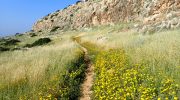
The village maintains eight hiking trails through surrounding hills, four of which accommodate both walkers and cyclists. These paths offer views across the coast and expose geological features, including marine fossils found hundreds of feet above current sea level, evidence of ancient seabeds now elevated by tectonic activity.
The village offers free wireless internet throughout public areas, provided by the community council for residents and visitors.
Every September, the village celebrates the feast day of Agios Andreas with traditional festivities. Cyprus Nights events occur most Friday evenings during the summer season in the village square, featuring traditional food, music, and dancing that provide insight into Cypriot culture. The village amphitheater hosts performances throughout the year, positioned to offer sunset views over the Mediterranean during evening shows.
Beach Services and Water Activities
Standard beach services operate from April through October when lifeguards staff the beach daily with full rescue equipment and first aid supplies.
Sunbed and umbrella rental costs approximately 2.50 to 3.00 euros per day, with some vendors offering lower rates after peak hours.
Water sports facilities provide parasailing, water skiing, sailing, and personal watercraft, along with a launching ramp for private vessels.
A beach volleyball court sits near the central section, available for public use.
Two upscale resort hotels operate directly on the beach, while numerous restaurants, cafes, bars, and shops cluster in the bay area within short walking distance.
Columbia Beach Resort and another hotel provide five-star accommodations with spa facilities, swimming pools, and multiple dining venues.
Independent restaurants serve fresh seafood, traditional Cypriot meze platters, and international cuisine at prices ranging from budget-friendly to upscale. Many establishments offer outdoor seating with direct sea views.
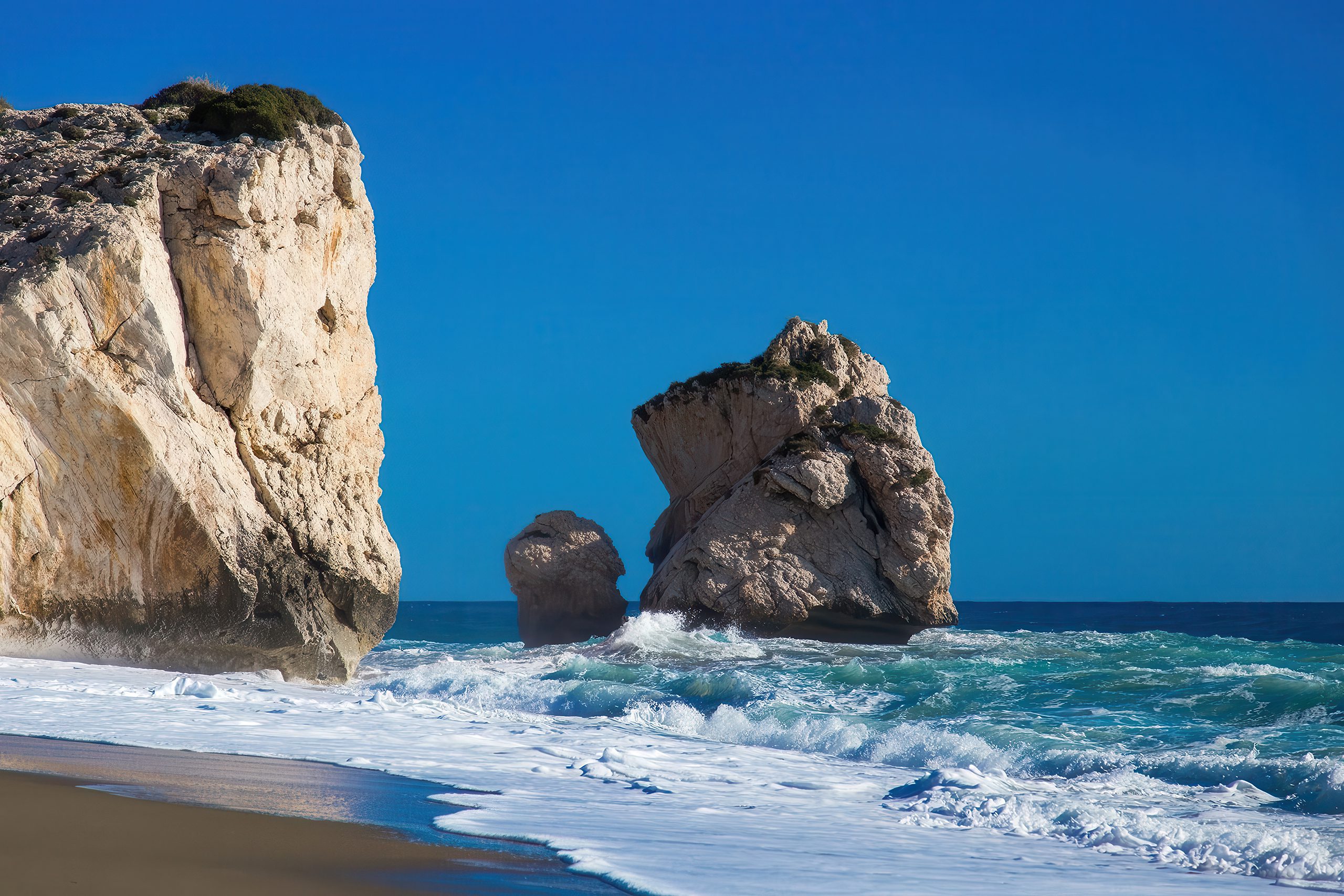
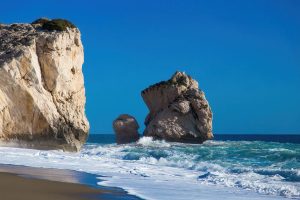
The beach sits about five kilometers from Petra tou Romiou, known as Aphrodite’s Rock, where Greek mythology places the birthplace of the goddess of love.
Kourion Archaeological Site, featuring a magnificently restored Greco-Roman amphitheater from the 2nd century, lies approximately 15 kilometers toward Limassol.
The Olive Park Museum near Anogyra village, just outside Pissouri, explains the history of olive oil production in Cyprus and sells authentic local products.
Pissouri Beach in Modern Cyprus
The permanent population of greater Pissouri totals approximately 1,100 people, split roughly equally between Cypriots and foreign residents, primarily British expatriates. This mix creates a multicultural atmosphere distinct from purely tourist-oriented resorts or traditional Cypriot villages.
The Bay Area functions primarily as a holiday destination, with property development including residential apartments, rental villas, and hotel complexes that have grown substantially over the past two decades.
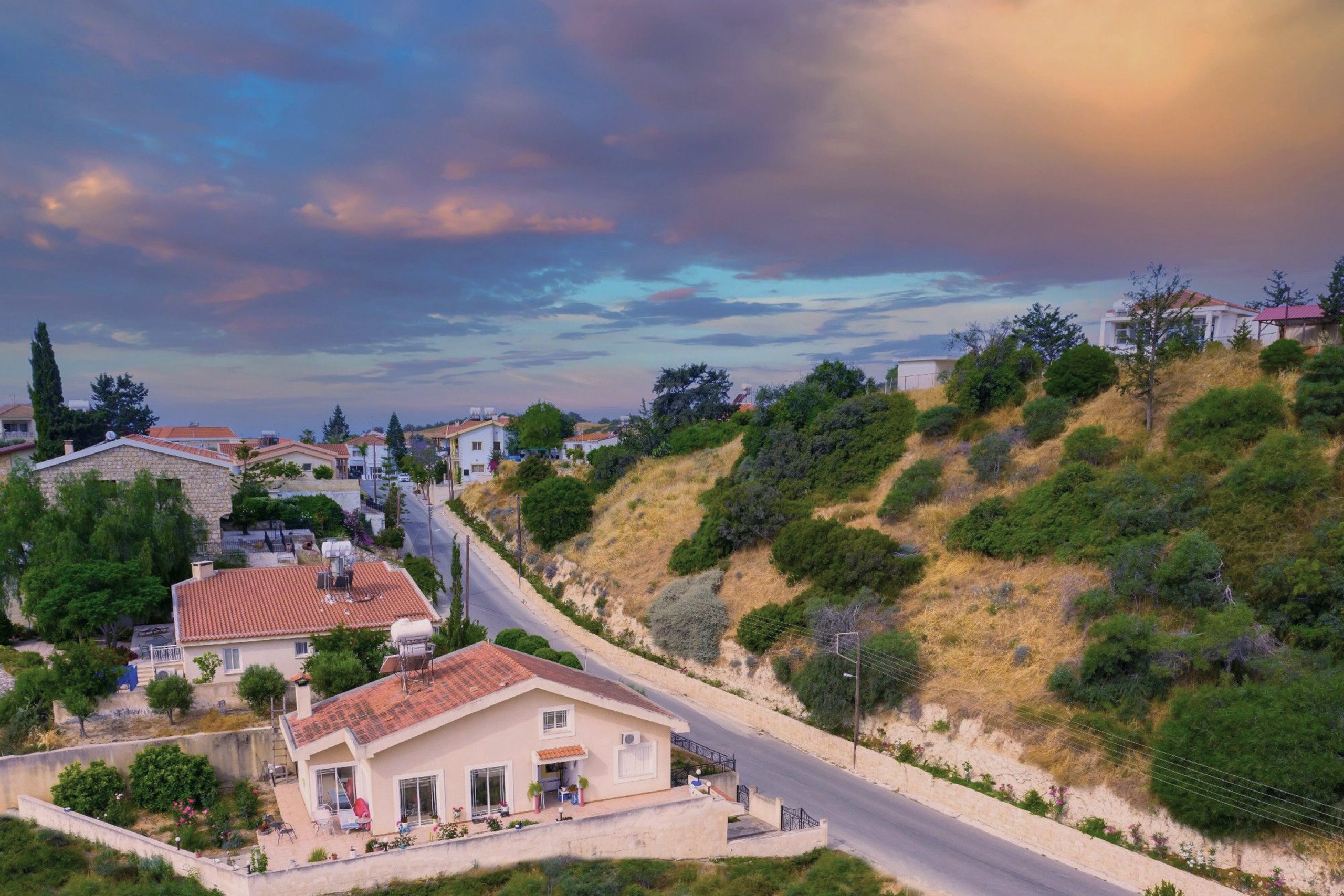
The old village maintains a stronger traditional character with narrow cobbled streets, stone houses with courtyards, and a central square featuring a decorative fountain adorned with grape motifs carved from local pebbles.
Small shops sell local products, including Pissourkotiko halloumi cheese, produced in the village and recognized across Cyprus for quality.
Tavernas in the village offer quieter dining experiences compared to beachfront establishments, often serving family recipes passed through generations.
Access via the A6 motorway connecting Limassol and Paphos makes Pissouri convenient for day trips or longer stays.
Exit 26 leads to the village, from where signs direct visitors to the bay and beach.
Bus service 631 connects Limassol to Pissouri, though frequency remains limited compared to major resort areas.
The journey from either Limassol or Paphos takes approximately 30 minutes by car under normal conditions.
Visiting Pissouri Beach Today
The beach operates year-round with free public access at all times.
Peak swimming season runs from May through October when water temperatures reach comfortable levels and lifeguards maintain daily coverage.
July and August bring the warmest conditions but also the largest crowds, particularly on weekends when domestic visitors arrive from inland Cyprus towns.
June and September offer pleasant weather with fewer people, ideal for those preferring quieter beach experiences.
Early morning visits provide the calmest conditions before afternoon winds occasionally pick up, particularly during the summer months.
Sunset viewing from the beach or nearby cliffs attracts photographers and couples, with the western orientation providing direct sunset views over the Mediterranean.
The beach faces south-southwest, ensuring good sun exposure throughout the day from morning through evening.
Visitors should bring sun protection, including high SPF sunscreen, hats, and sunglasses, as the Cyprus summer sun intensity requires precautions.
Beach shoes help navigate pebbly sections comfortably, though purely sandy areas exist where barefoot walking poses no problems.
The mix of sand and pebbles creates natural exfoliation for feet but can feel uncomfortable for extended periods without footwear.
Snorkeling equipment reveals underwater rocky formations and small fish populations near the cliffs at either end of the bay.
Why Pissouri Beach Matters to the Region
Pissouri demonstrates a successful balance between tourism development and community preservation.
Unlike purely commercial resort zones where local culture disappears beneath hotel construction, Pissouri maintained separation between village and beach that allowed traditional life to continue while building tourism infrastructure.
This model preserves authentic Cypriot village character while providing economic benefits from visitors.
The Blue Flag designation requires ongoing environmental monitoring and beach management that protects water quality and marine ecosystems.
Free public facilities and beach access, mandated by Cypriot law but enhanced by local community council decisions, ensure all visitors enjoy the beach regardless of budget.
The combination of natural beauty, including the dramatic Cape Aspro cliffs, with accessible amenities and relatively undeveloped surroundings makes Pissouri attractive to visitors seeking alternatives to heavily commercialized beaches.
Pissouri’s location between two major cities without itself becoming a large urban area preserves coastal landscape in a region where development pressure remains constant.
The beach serves both tourists and locals, maintaining social function beyond pure tourism revenue generation.
This multifaceted role ensures long-term community investment in preservation and quality maintenance that benefits all users.