The Museum of Traditional Embroidery and Silversmith-work in Lefkara preserves Cyprus’s most celebrated handicrafts within the walls of a 19th-century mansion. Located in the village of Pano Lefkara, approximately 45 kilometres from both Larnaca and Limassol, this museum documents the artisan traditions that sustained the community and brought international recognition to a small mountain settlement.
Historical Background
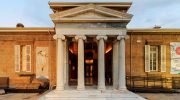
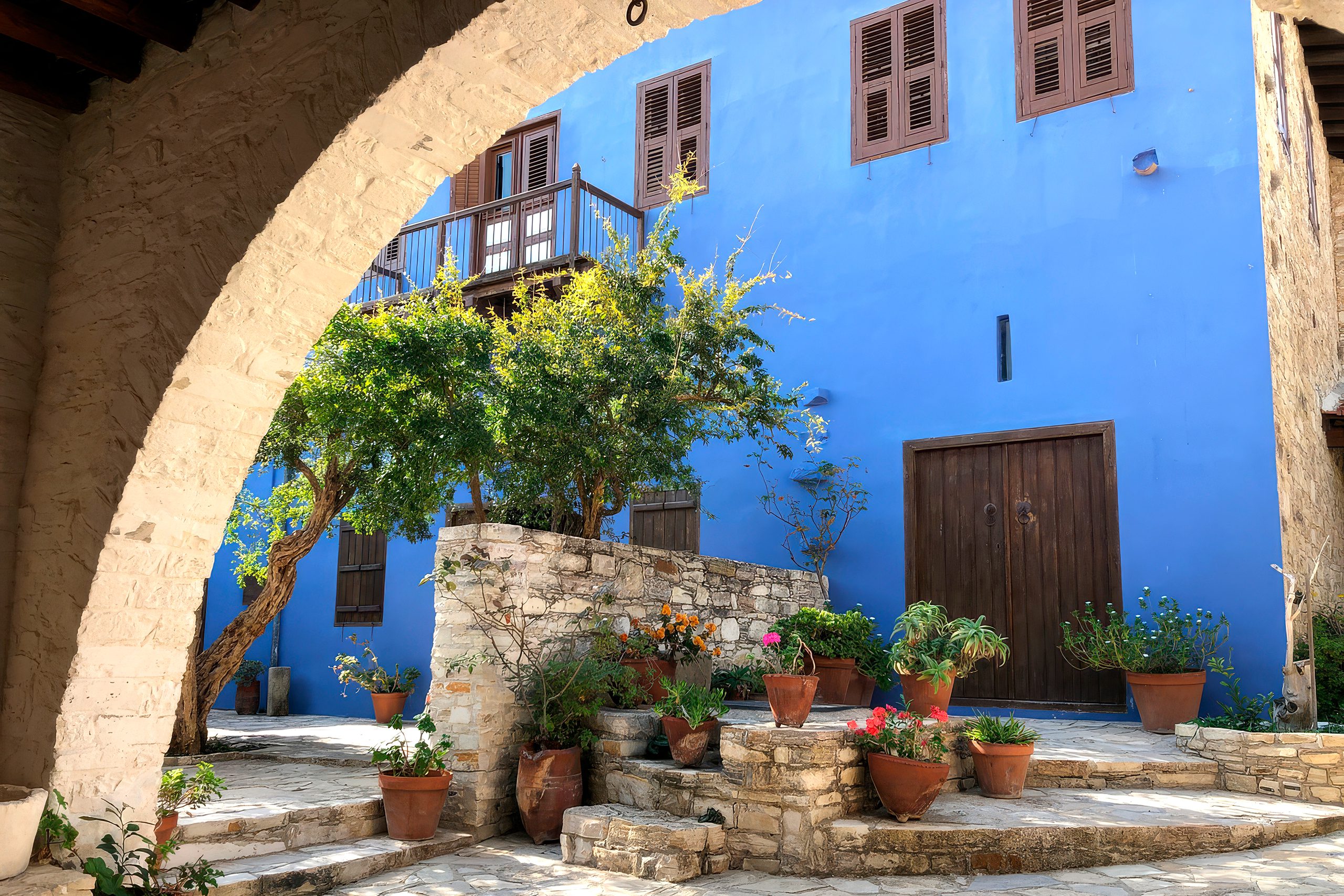
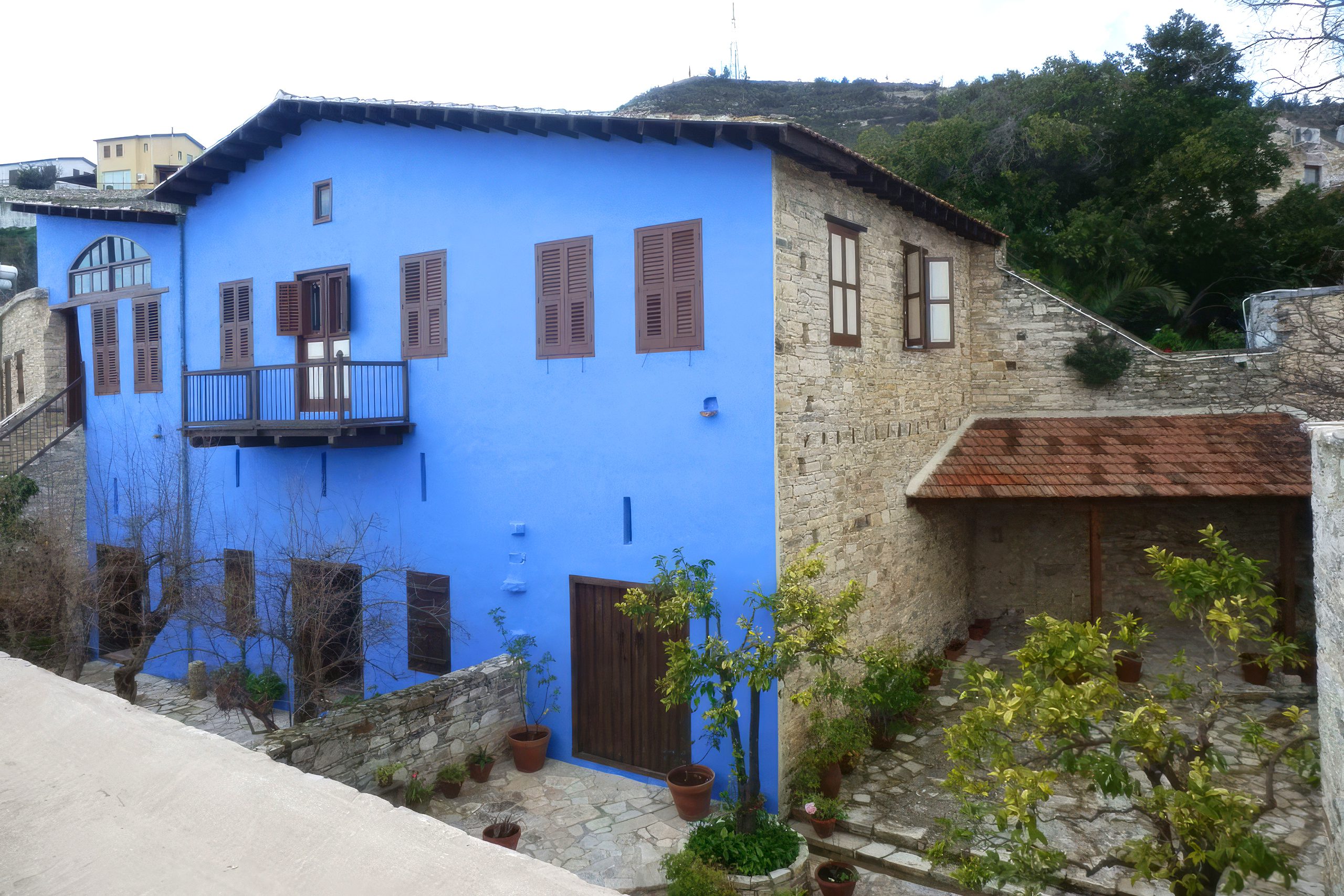
The museum occupies the House of Patsalos, named after the wealthy family that once owned this substantial white limestone residence. The house itself represents the prosperity that embroidery and silversmithing brought to Lefkara during its economic peak. The Patsalos family began accumulating wealth in the mid-19th century under Michalis Patsalos, who established the family’s various business interests. Beyond producing Lefkara lace and metalwork, the family engaged in pottery production and ran both public and private educational institutions, including a music school.
In 1983, the Department of Antiquities acquired the property through a donation from businessman Stelios Ioannou. Following extensive restoration work, the museum officially opened to the public in August 1988. The building comprises several rooms constructed during different periods spanning the 19th to early 20th centuries, creating a physical timeline of architectural evolution in prosperous Lefkara households.
Inside the Museum Rooms
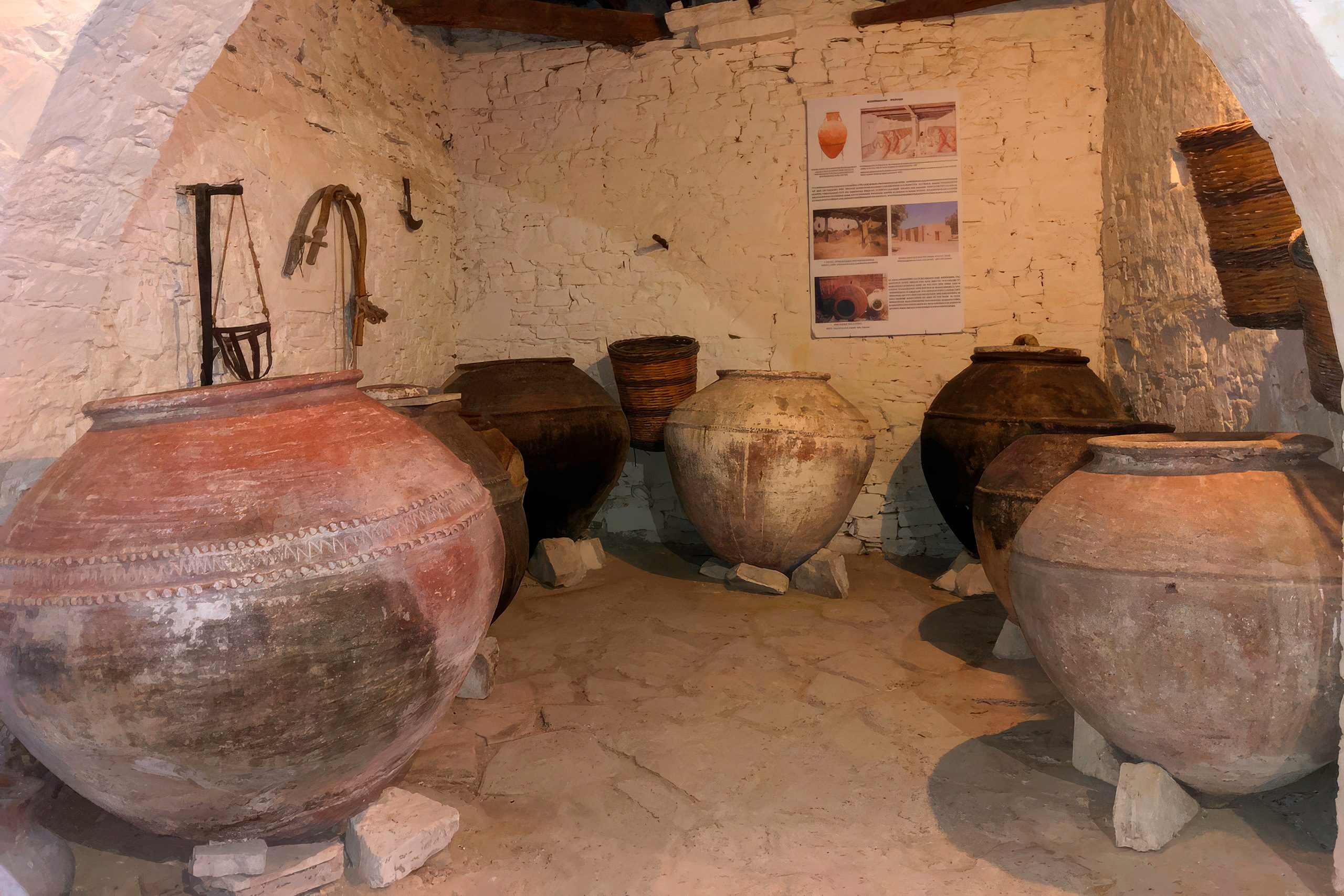
The ground floor recreates traditional village life through a rural-style dining room and storeroom. Large earthenware jars stand alongside agricultural implements and tools, showing the agricultural foundation that supported Lefkara’s economy before tourism and handicraft exports dominated. These displays ground visitors in the practical realities of mountain village existence.
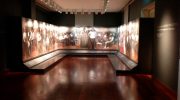
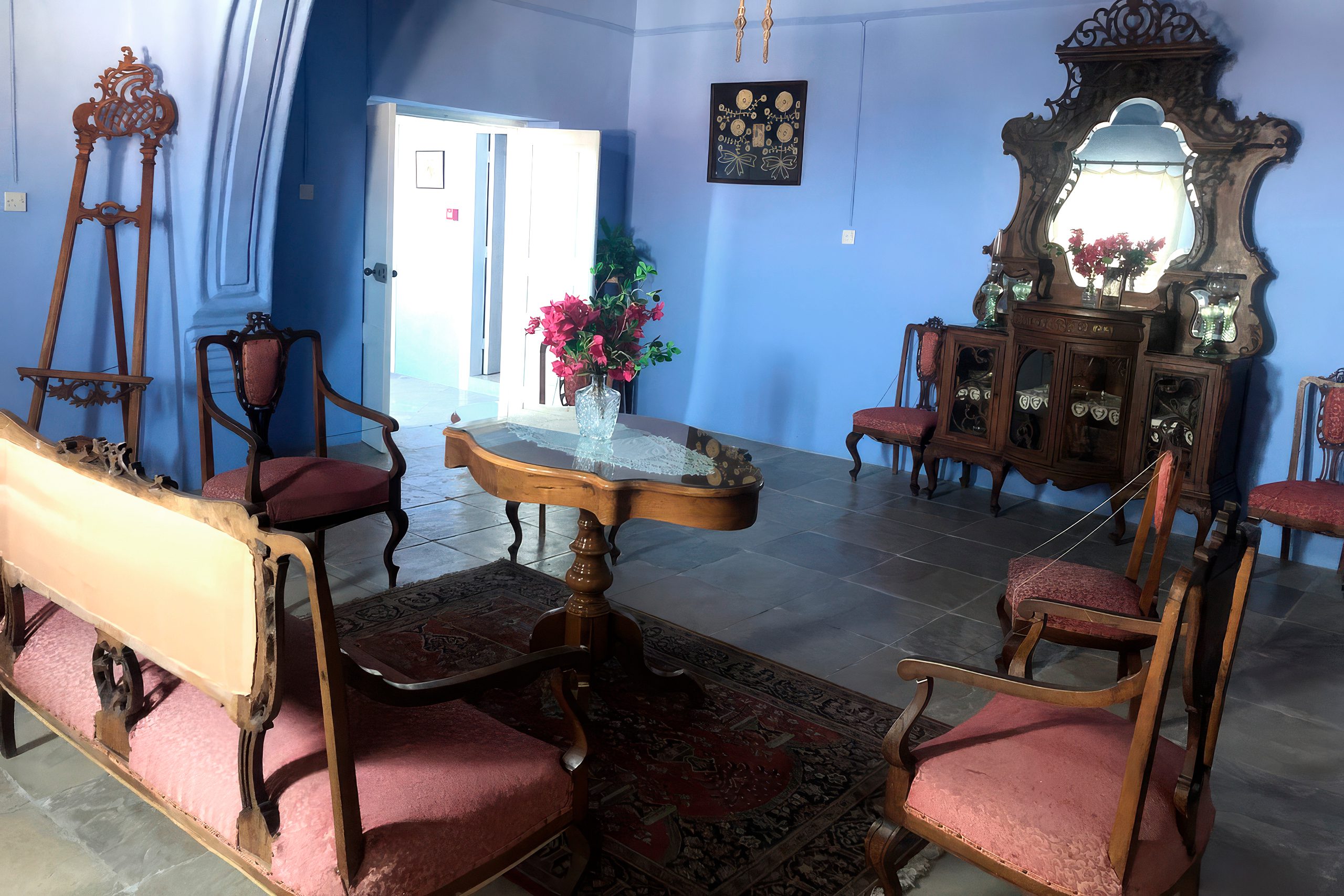
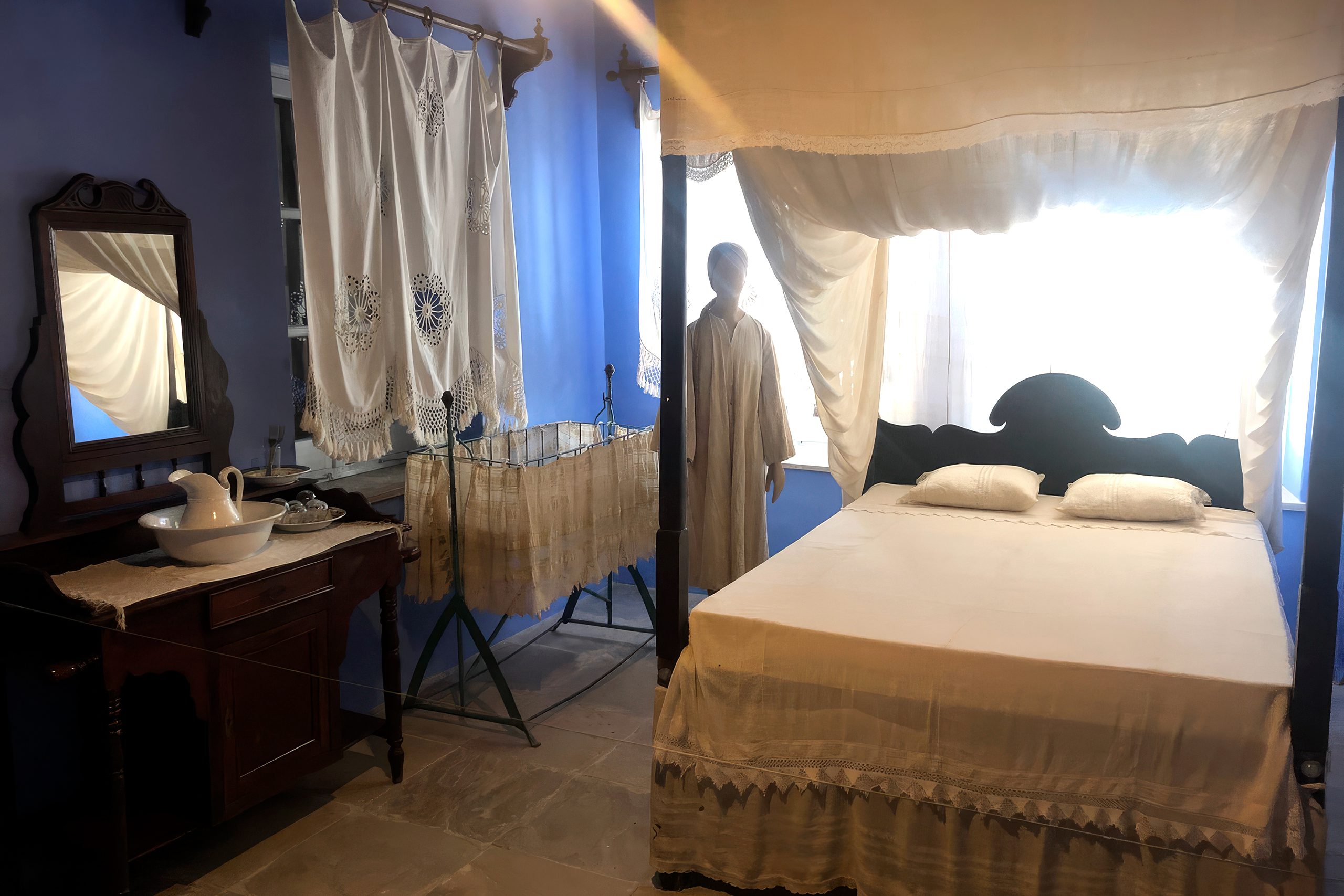
A stone staircase in the left corner of the courtyard leads to the upper floor, where three rooms showcase the lifestyle of a wealthy Lefkara family. These spaces serve as entrance hall, living room, and bedroom, furnished with period-appropriate items from the 19th and early 20th centuries. The rooms contain traditional costumes that demonstrate both everyday dress and ceremonial attire. Jewellery collections include pieces that would have formed part of wedding dowries, showing how adornment and craftsmanship intertwined in local culture.
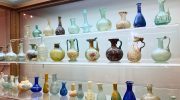
The silverwork displays feature examples of the filigree technique that Lefkara silversmiths perfected over generations. This delicate metalwork involves twisting and soldering fine silver threads into intricate patterns, creating jewellery and decorative objects of exceptional detail. The museum’s collection demonstrates various design motifs and technical approaches developed by local artisans.
The Lefkara Lace Collection
The museum’s extensive collection of Lefkaritika, the famous Lefkara lace, represents the craft that made the village internationally known. This embroidery technique dates back to at least the 14th century and evolved from an earlier style called asproploumia. The characteristic features include hemstitch work, satin stitch fillings, needlepoint edgings, and geometric patterns identical on both sides of the fabric. Traditional colours are white, brown, and ecru.
According to local legend, Leonardo da Vinci visited Cyprus in 1481 and purchased a large lace tablecloth from Lefkara, which he donated to Milan’s Duomo Cathedral as an altar cloth. On the cathedral’s 600th anniversary, Lefkara women created an identical replica without needing to see the original or consult with Milan. The pattern had passed down through generations with such precision that they could recreate it perfectly. This design became known as the Leonardo da Vinci pattern.
The lace tradition transformed from a domestic craft into a commercial enterprise during the late 19th and early 20th centuries. Women called ploumarisses organized production from their homes, while men known as kentitarides traveled across Europe and Scandinavia as merchants, marketing the embroidery to international buyers. Each girl traditionally prepared an extensive lace collection for her dowry, to be displayed on her wedding day. This expectation drove technical excellence, as women competed to demonstrate superior skill through increasingly elaborate pieces.
UNESCO Recognition and Cultural Preservation
In 2009, UNESCO inscribed Lefkaritika on the Representative List of the Intangible Cultural Heritage of Humanity, recognizing its cultural significance and the need to preserve the traditional knowledge required to produce it. The craft involves specific techniques passed from mother to daughter through years of informal exposure followed by formal instruction. Girls learn by watching skilled relatives work before gradually attempting simpler patterns themselves.
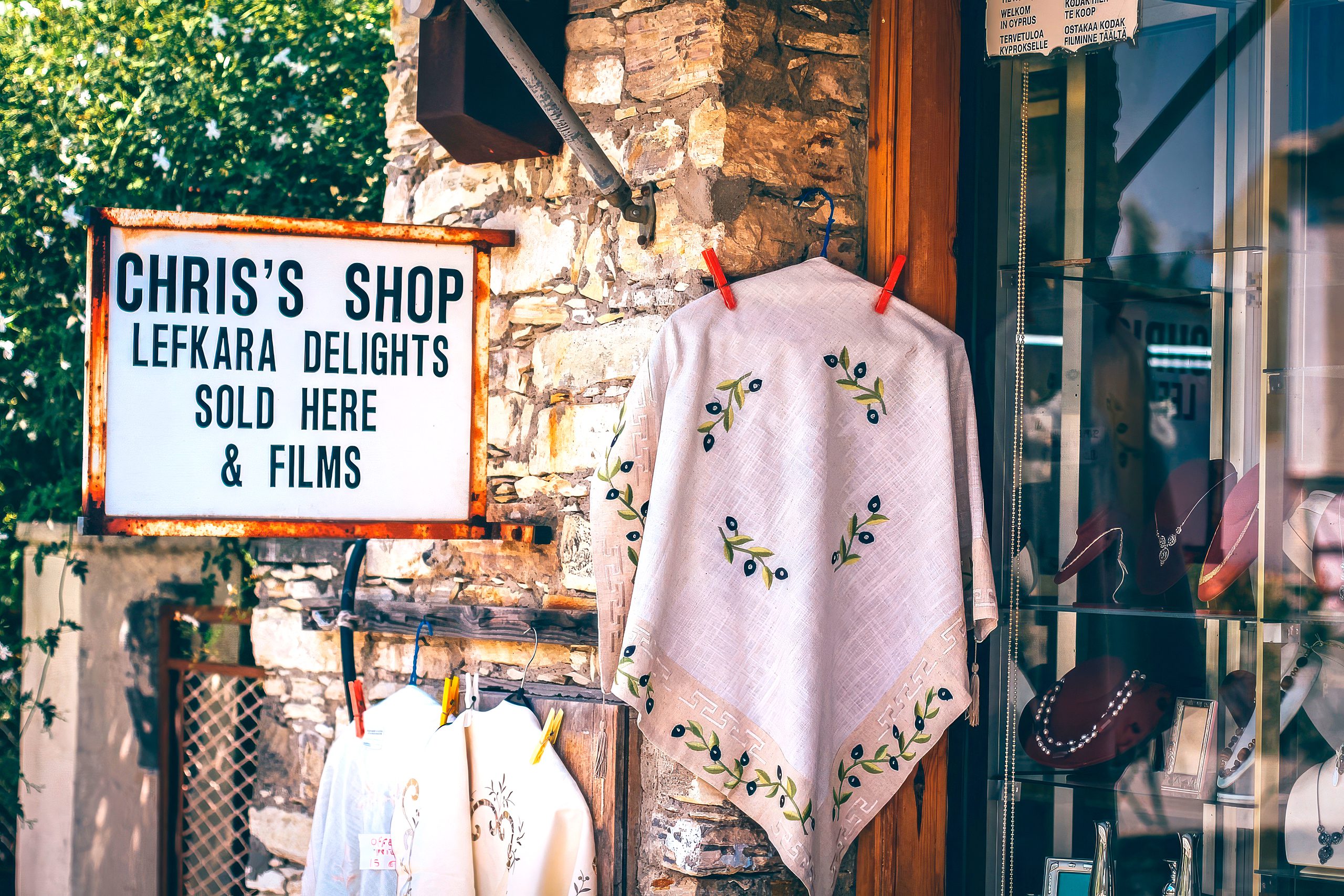
A single large, complex tablecloth can require more than a year for a skilled artisan to complete. The design vocabulary encompasses over 600 distinct motifs, each with traditional names and meanings rooted in local history and natural observation. These patterns reflect Ancient Greek and Byzantine geometric traditions, influences from Venetian courtiers who ruled Cyprus from 1489, and indigenous Cypriot design elements.
The museum helps preserve this knowledge by displaying historical examples that contemporary lacemakers can study. While active lacemaking continues in Lefkara’s streets, where women still gather to work and socialize, some historical techniques have been lost because no one remained to teach them. The museum’s collection provides visual documentation of these vanished methods.
The Blacksmith’s Workshop
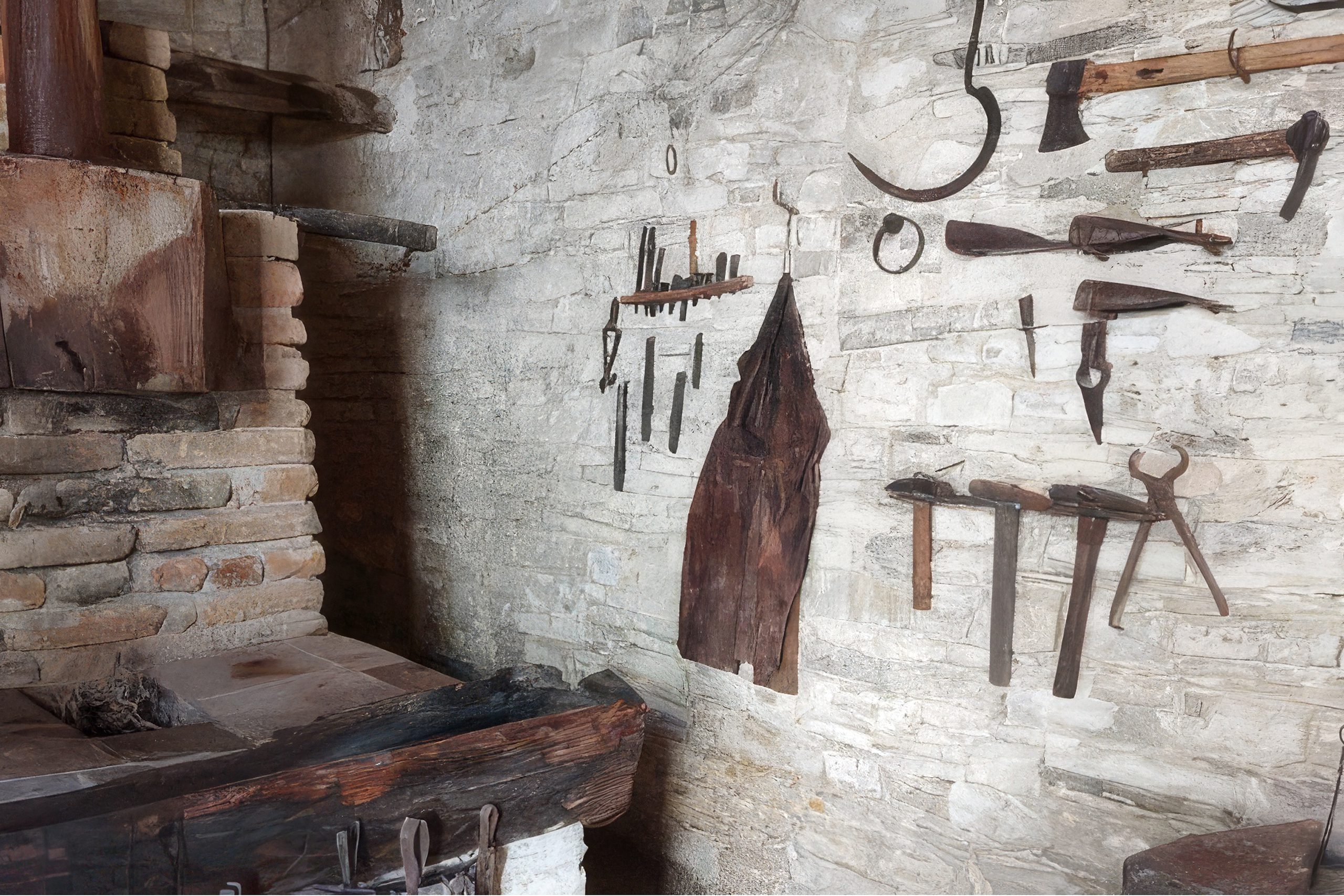
Within the museum complex, a separate building houses a reconstructed blacksmith’s workshop complete with original tools and authentic sound effects. This addition demonstrates the metalworking traditions that complemented silversmithing in Lefkara’s economy. The workshop shows the full range of metal crafts practiced locally, from practical agricultural implements to decorative items. The reconstruction includes functional examples of anvils, hammers, tongs, and furnaces, giving visitors a sense of the physical labour and skill these crafts required.
Practical Visitor Information
The museum operates year-round with seasonal hour adjustments. From September 16 to April 15, it opens Monday through Sunday from 8:30 AM to 4:00 PM. During the warmer period from April 16 to September 15, hours extend to 9:30 AM to 5:00 PM daily. The facility closes on numerous public holidays, including January 1, January 6, Easter Sunday, March 25, Shrove Tuesday, April 1, Good Friday, Holy Saturday, Easter Monday, May 1, Holy Spirit day, August 15, October 1, October 28, December 24, December 25, and December 26.
Admission costs €2.50, a modest fee that supports the Department of Antiquities’ preservation work. The museum is not wheelchair accessible due to the historic building’s original construction, which includes staircases and uneven floor levels. Visitors should plan for 30 to 45 minutes to tour the exhibits thoroughly, though those with particular interest in textile history or silverwork may spend longer examining the detailed collections.
The village centre lies approximately 5 to 10 minutes’ walk from the main parking area near the village entrance. Following Archbishop Makarios III Avenue through the traditional architecture brings visitors to Museum Street, where the House of Patsalos sits. Taxis from Larnaca typically cost £30 to £35 and take about 35 minutes, providing direct access for those without personal vehicles.
Historical Context and Economic Transformation
Understanding the museum requires grasping how handicrafts shaped Lefkara’s economic survival. Agriculture proved unreliable in this mountainous terrain, where uncertain rainfall could mean failed crops and hunger. Carobs, grapes, and olives provided subsistence but not prosperity. The combination of exceptional lacework and silversmithing offered economic alternatives that didn’t depend on weather or soil quality.
World War II disrupted international embroidery sales, which never fully recovered to pre-war levels. This economic shock forced mass emigration during the 1930s, leaving half of Pano Lefkara uninhabited. The 1946 census recorded 3,003 residents, but by 1960 the population had dropped to 2,075 as people sought opportunities elsewhere. Tourism development beginning in the 1970s saved the village from economic collapse by creating new markets for traditional crafts and providing income through hospitality services.
The museum documents this transformation from subsistence agriculture through handicraft prosperity to tourism-based sustainability. It shows how communities adapt while preserving identity through cultural practices passed across generations.
Why Ethnographic Costume Museum Matters
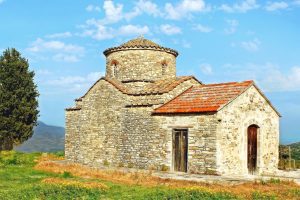
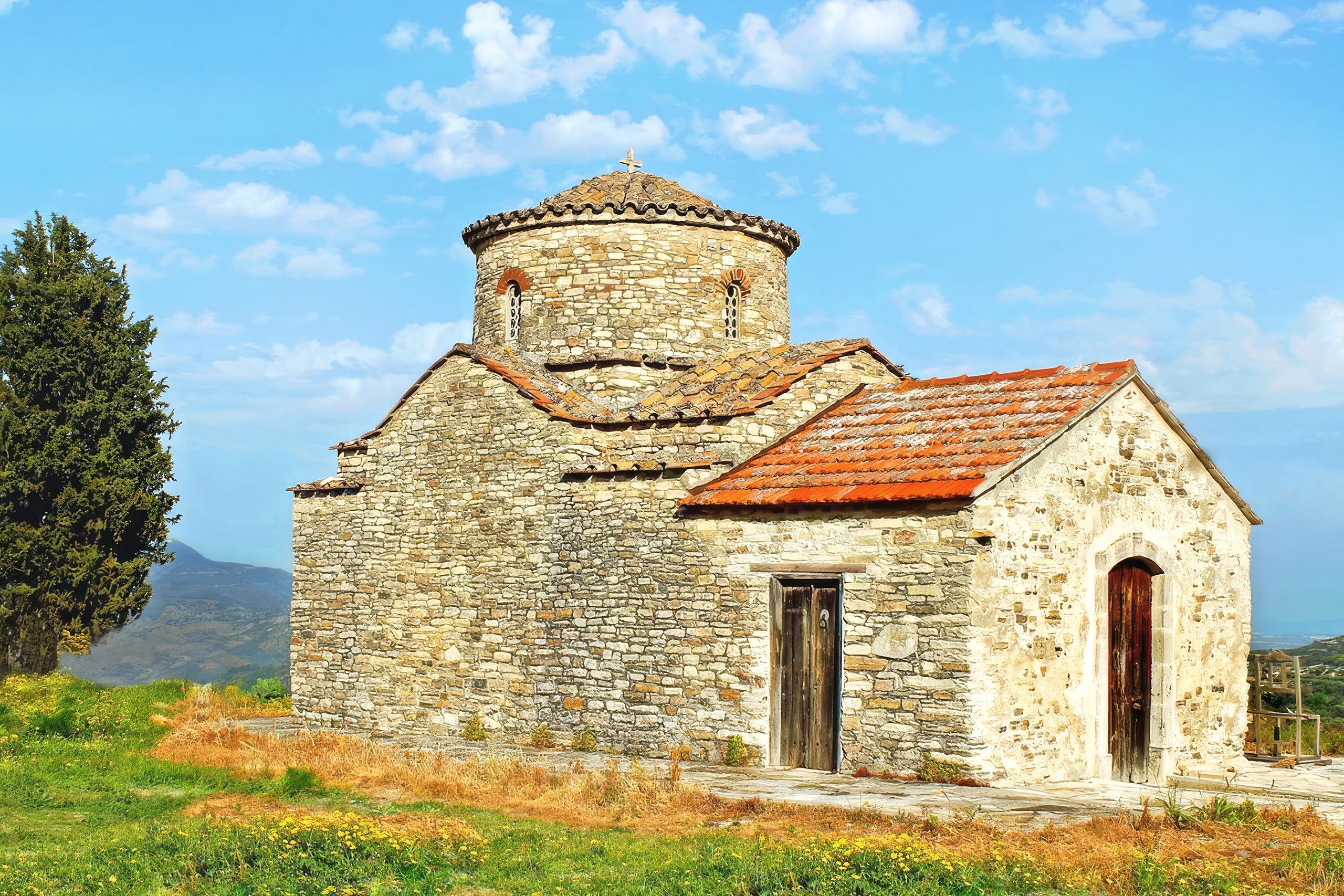
Combining the museum with other Lefkara attractions creates a fuller understanding of the village’s heritage. The Church of the Holy Cross, dating from the 14th century, houses a relic of the True Cross and displays architecture blending Byzantine and Gothic styles with beautiful frescoes. The nearby Chapel of Archangel Michael in Kato Lefkara contains frescoes from the 12th to 15th centuries.
Walking Lefkara’s narrow cobblestone streets, observing active lacemakers, visiting silversmith workshops, and touring the museum together provide layered perspectives on how traditional crafts define community identity. The village hosts an annual festival in August featuring embroidery and silverwork exhibitions, traditional music and dance performances, and cultural activities celebrating local heritage.
The museum serves educational purposes beyond tourism, teaching younger generations about the industries that sustained their ancestors and maintaining connections for emigrant families who trace roots to Lefkara. School groups visit to understand how geology, resources, skill development, and cultural transmission interconnect through handicraft traditions.