Explore Cyprus with Our Interactive Map

Explore our top stories and discover ideas worth your time.

Kaledonia Waterfall Trail

Kaledonia Waterfall Trail

The Kaledonia Waterfall Trail offers one of Cyprus's most scenic forest hikes. This 3-kilometer nature trail follows the Kryos Potamos River through dense pine and oak forests in the Troodos Mountains, leading to a spectacular 12-meter waterfall at 1,330 meters elevation. The trail takes its name from the Kaledonia waterfall at its center point, though many maps also spell it Caledonia. The path maintains a mostly shaded route under tall pine trees along the riverbank, creating a cool microclimate even during Cyprus's hot summer months. The sound of rushing water accompanies hikers throughout the journey as they cross the Kryos Potamos River six to seven times before reaching the main cascade. The trail sits within Troodos National Forest Park, a protected area covering 9,147 hectares around Mount Olympus. Wooden bridges span the stream at key points, though hikers must also step across river stones polished smooth by centuries of water flow. Business Insider ranked this waterfall as the 14th best in Europe in 2015, bringing increased international attention to what was previously a lesser-known local hiking destination. Historical Background In 1878, a Scottish expedition visited the Platres region during the early period of British colonial administration in Cyprus. When the Scots encountered the waterfall and surrounding landscape, they found remarkable similarities to the waterfalls and forested gorges of their homeland.…

Read more
Scuba Diving Spots in Cyprus

Scuba Diving Spots in Cyprus

Cyprus ranks among the Mediterranean's premier diving destinations, offering crystal-clear waters with visibility often exceeding 30 meters, warm sea temperatures reaching 27 degrees Celsius in summer, and diverse underwater landscapes ranging from ancient shipwrecks to vibrant reef systems. The island's strategic location at the crossroads of three continents has resulted in a rich maritime history, with numerous wrecks resting on the seabed alongside natural caves, underwater cliffs, and thriving marine ecosystems. Cyprus's diving season extends year-round, though the most comfortable conditions occur between April and November when water temperatures remain above 20 degrees Celsius and weather conditions are optimal. The Zenobia Wreck Near Larnaca The MS Zenobia stands as one of the world's top ten wreck dives and Cyprus's most famous underwater attraction. This Swedish-built roll-on roll-off ferry sank on her maiden voyage on June 7, 1980, just outside Larnaca harbor after suffering computer malfunctions that caused ballast system failures. The ship now rests on her port side at depths ranging from 16 to 42 meters, making different sections accessible to divers of varying experience levels. The 172-meter-long vessel carried 104 articulated lorries loaded with cargo when she sank, creating an enormous artificial reef that has attracted diverse marine life over four decades. Divers can explore the bridge, engine room, and cargo holds still containing trucks and trailers frozen in…

Read more
Bishop Epiphanius of Salamis

Bishop Epiphanius of Salamis

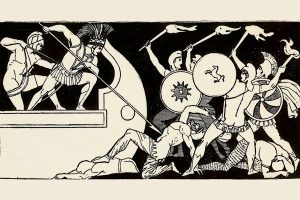
Epiphanius of Salamis remains one of the most influential scholarly figures associated with late antiquity and the religious history of Cyprus. Born between 310 and 320 AD near Eleutheropolis in Palestine, he came from a Jewish background before later joining the early Christian movement during his youth. Historical tradition connects this transition to an encounter with a monk named Lucian, whose charitable actions reportedly left a strong impression on the young Epiphanius. This experience encouraged him to pursue religious education and monastic study, eventually leading him toward a career that would place him among the most recognized intellectual and ecclesiastical leaders of the fourth century. Following his conversion, Epiphanius traveled to Egypt and entered a monastic community associated with Hilarion the Great, one of the prominent monastic figures of the eastern Mediterranean. His years in Egypt exposed him to a wide range of philosophical schools, religious traditions, and theological debates that shaped intellectual life during late antiquity. Around 333 AD, he returned to Palestine and established a monastery near his birthplace, where he served as abbot for nearly three decades. During this period, he gained a reputation for discipline, scholarship, and literary activity that later contributed to his appointment as bishop in Cyprus. From Monastery to Metropolitan Throughout his years as a monastery leader, Epiphanius became widely known for his…

Read more