Seasonal folk rituals in Cyprus are vibrant traditions that blend ancient agrarian customs with Christian influences, marking the island’s cycles of renewal, harvest, and protection. From spring bonfires warding off evil to autumn feasts celebrating abundance, these practices foster community bonds and a deep connection to the land. They offer a glimpse into how Cypriots have long navigated life’s uncertainties through shared acts of faith and joy, keeping cultural roots alive in a modern world.
Echoes of an Agrarian Past
Think of Cyprus as a place where the calendar isn’t just dates on a page – it’s a rhythm dictated by sun, rain, and soil. For millennia, life here revolved around farming and herding, where a good season meant plenty and a bad one spelled hardship. Seasonal folk rituals sprang from this reality, serving as ways to appeal to unseen forces for protection, fertility, and luck. They’re not rigid ceremonies but flexible expressions of hope, passed down through generations in villages where everyone pitched in. Whether lighting a fire or sharing a meal, these acts made the unpredictable feel a bit more manageable, turning nature’s turns into communal stories.
A History Rooted in Survival and Faith
These rituals stretch back to prehistoric times, around 3000 BC, when early Cypriots depended on the island’s fertile valleys and copper-rich hills for sustenance. Archaeological finds from sites like Choirokoitia show evidence of seasonal offerings, perhaps to ensure bountiful harvests or safe winters. By the Bronze Age, influences from Anatolia and the Levant added layers, with fertility rites honoring earth mothers that later morphed into Aphrodite’s cult. Greek settlers around 1200 BC brought myths of renewal, while Phoenicians introduced eastern elements like fire purification.
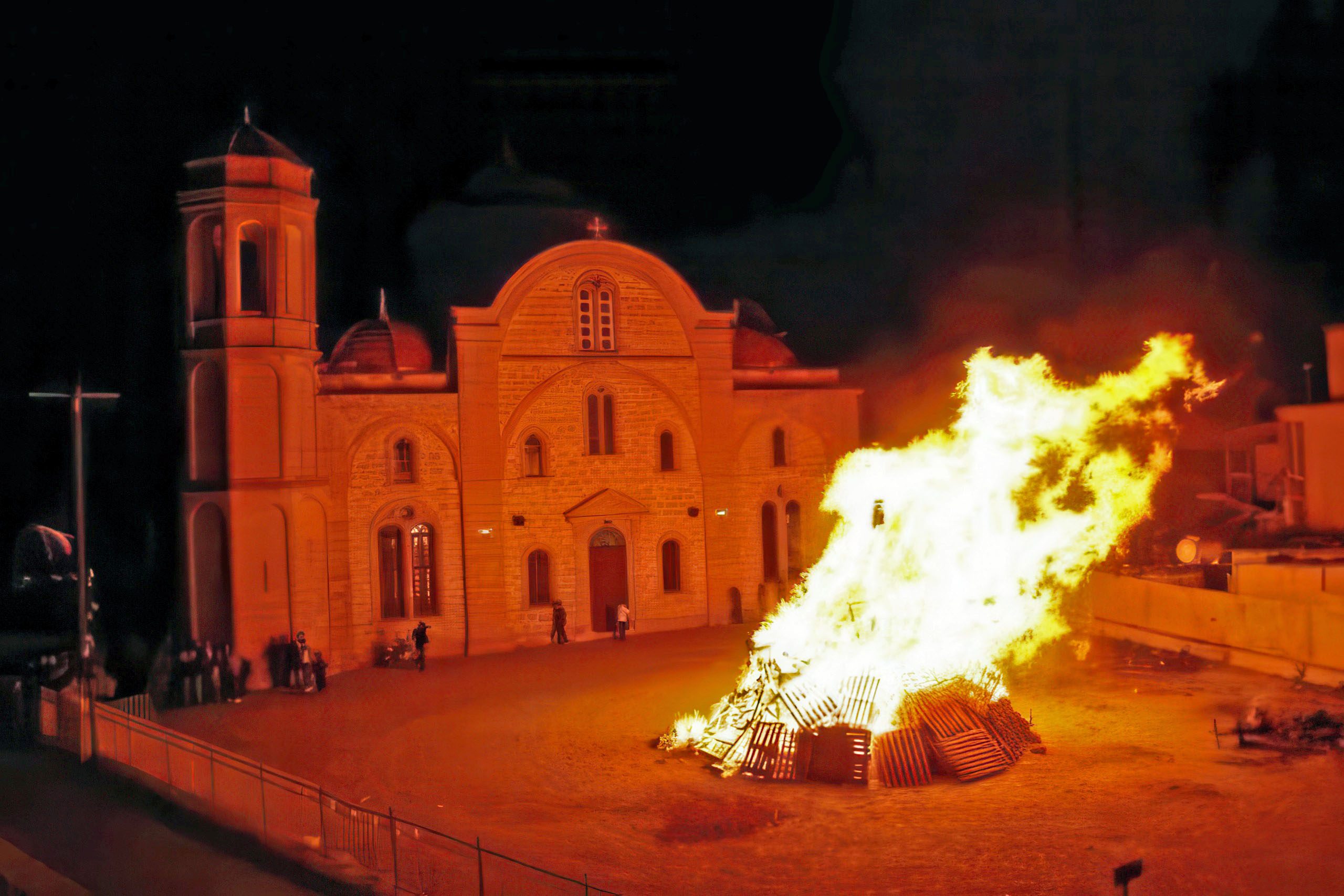
Christianity arrived in the 1st century AD via apostles like Barnabas, but it didn’t wipe out old ways – it wove them in. Spring fire jumps aligned with Lent’s end, harvest dances with saints’ days. Under Byzantine rule from the 4th century, rituals gained Orthodox flair, like blessing homes during Epiphany. Ottoman times from 1571 added Muslim touches in mixed villages, but core practices endured. British colonial era in the 19th century documented them as “folklore,” yet they stayed vital. Post-1974 division tested resilience, but rituals like Easter bonfires bridged communities, evolving into symbols of cultural unity amid modern changes.
Core Elements That Define the Rituals
At their heart, these rituals are practical poetry – simple acts with deep symbolism tied to the seasons. Spring focuses on cleansing: bonfires purge winter’s ills, with people leaping over flames for health and luck. Summer brings water blessings, like Kataklysmos (Pentecost), where seaside splashes recall Noah’s flood but echo older sea-fertility rites. Autumn harvest thanksgivings involve sharing bread and wine, honoring saints like Demetrios for protecting crops. Winter huddles around protection: homes are blessed against spirits, with evergreens symbolizing endurance.
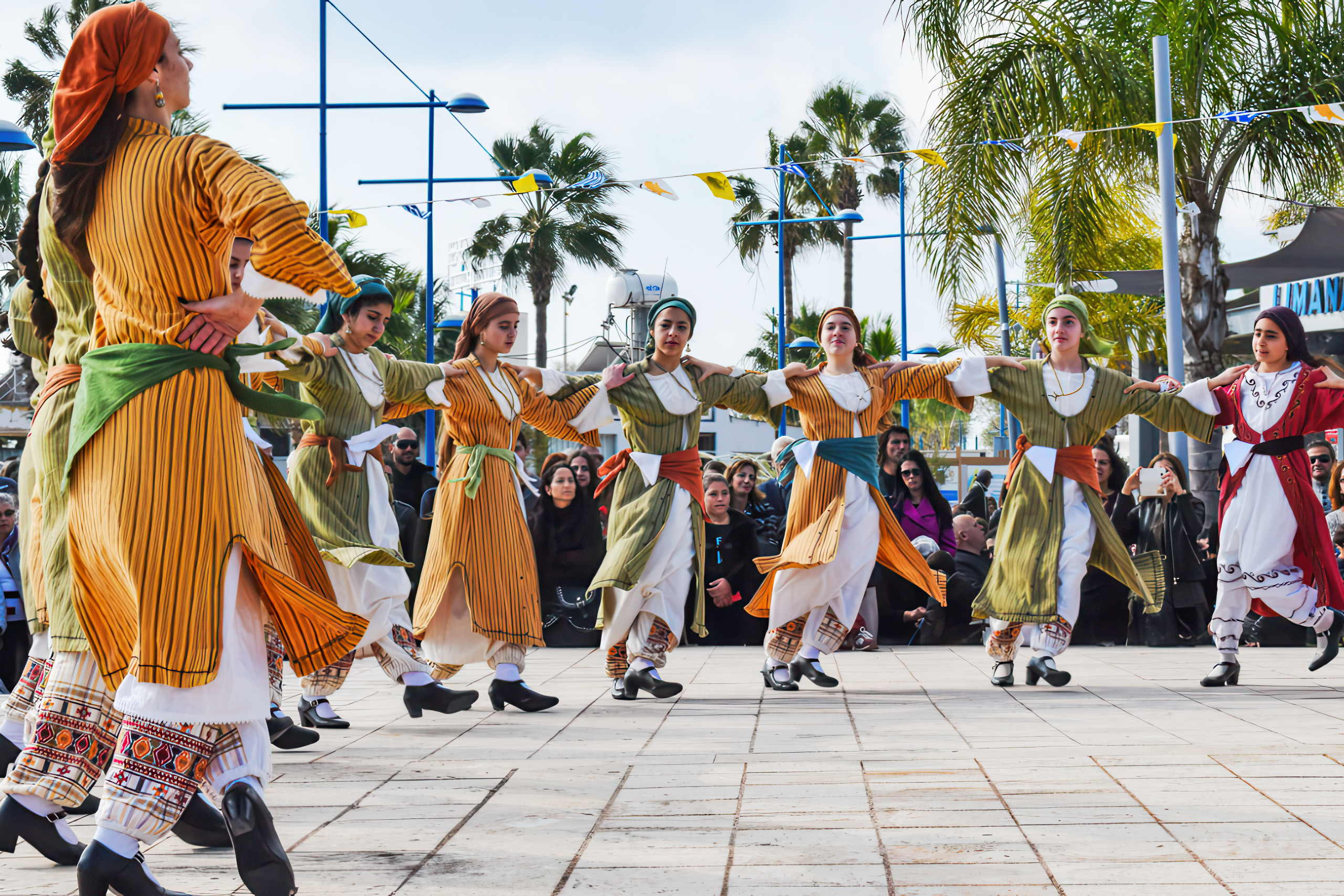
Common threads include fire for renewal, food offerings for gratitude, and group movement like processions to bless fields. They’re sensory – the crackle of flames, scent of herbs, taste of seasonal treats like flaounes (cheese pies) at Easter. Unlike formal church services, they’re folksy, led by elders or women with handed-down knowledge, emphasizing community over hierarchy. This makes them adaptable, surviving urbanization as village revivals or family customs.
Quirky Customs That Add Charm
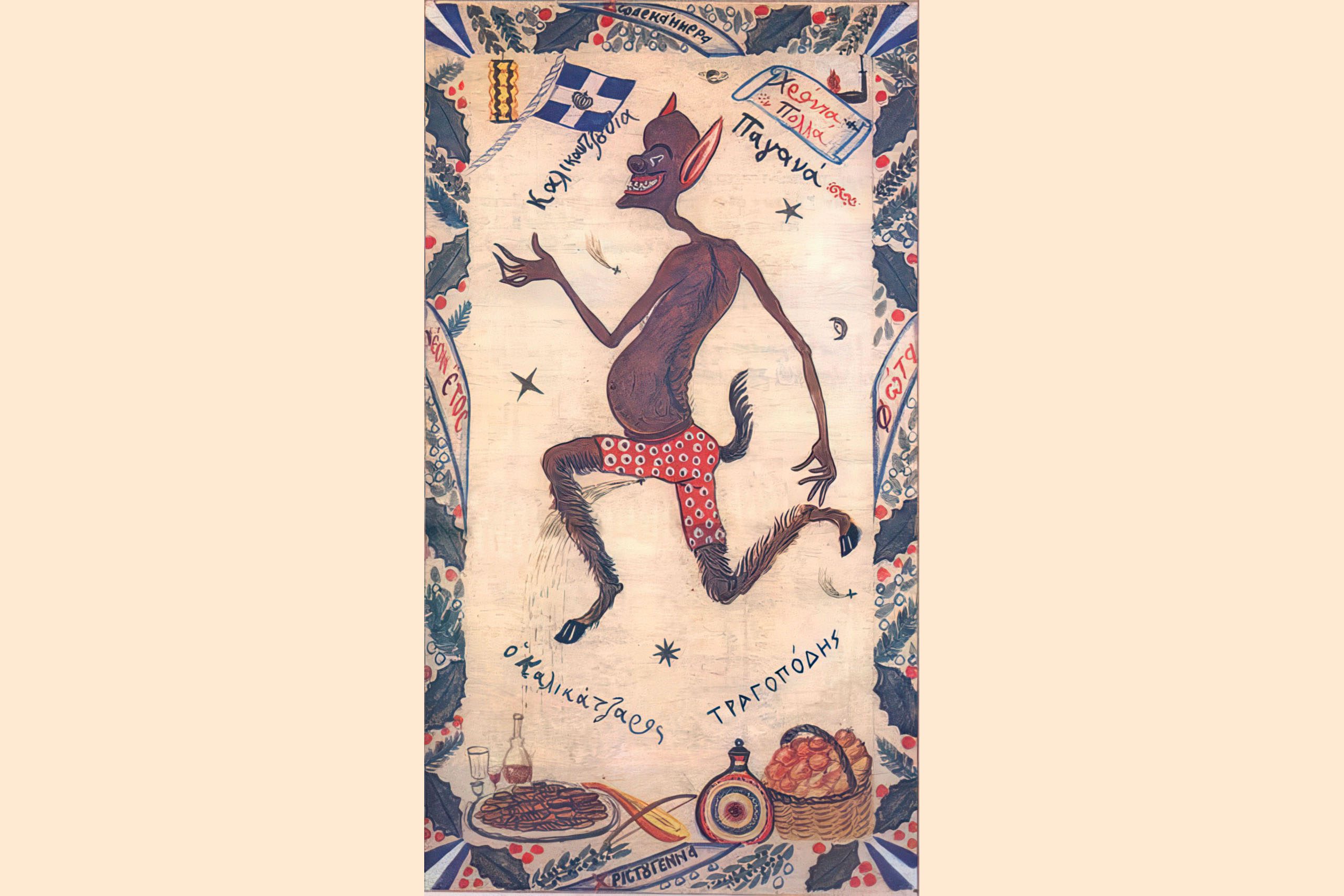
Dig into these rituals, and you’ll find delightful oddities that stick in your mind. Take the Kallikantzaroi, mischievous goblins said to emerge during the 12 days of Christmas – families kept fires burning nonstop and sprinkled holy water to fend them off, with kids told the creatures braided horse tails or soured milk. At Easter, the egg-cracking game turns competitive: red-dyed eggs are tapped end-to-end, the unbroken one promising a year’s luck, often sparking family rivalries with laughter and boasts.
May Day brings flower wreaths hung on doors for love and prosperity, but in some villages, lads “steal” them from crushes’ homes as playful courtship. During Kataklysmos in June, water fights soak crowds in Larnaca, a fun nod to ancient sea blessings where folks once tossed wreaths to Aphrodite for calm voyages. And harvest time? In Troodos villages, “blessing the grapes” involves priests sprinkling holy water on vines, followed by feasts where the first wine is shared – legend says spilling a drop invites bad luck, so toasts are careful and merry. These quirks make the rituals feel alive, like secrets shared around a table.
Diving Deeper Into Symbolism and Variations
Look closer, and these rituals reveal layers of meaning shaped by Cyprus’s crossroads history. Fire, a staple in spring like Lazarus Saturday bonfires, draws from pagan solstice cleansings but now ties to Christ’s resurrection, with ashes smeared on foreheads for protection – a blend seen in rural areas where elders mix Orthodox prayers with old chants. Offerings vary by region: coastal towns favor seafood at summer feasts, honoring sea saints, while mountain villages use herbs like oregano for winter teas warding off colds, echoing ancient healing lore.
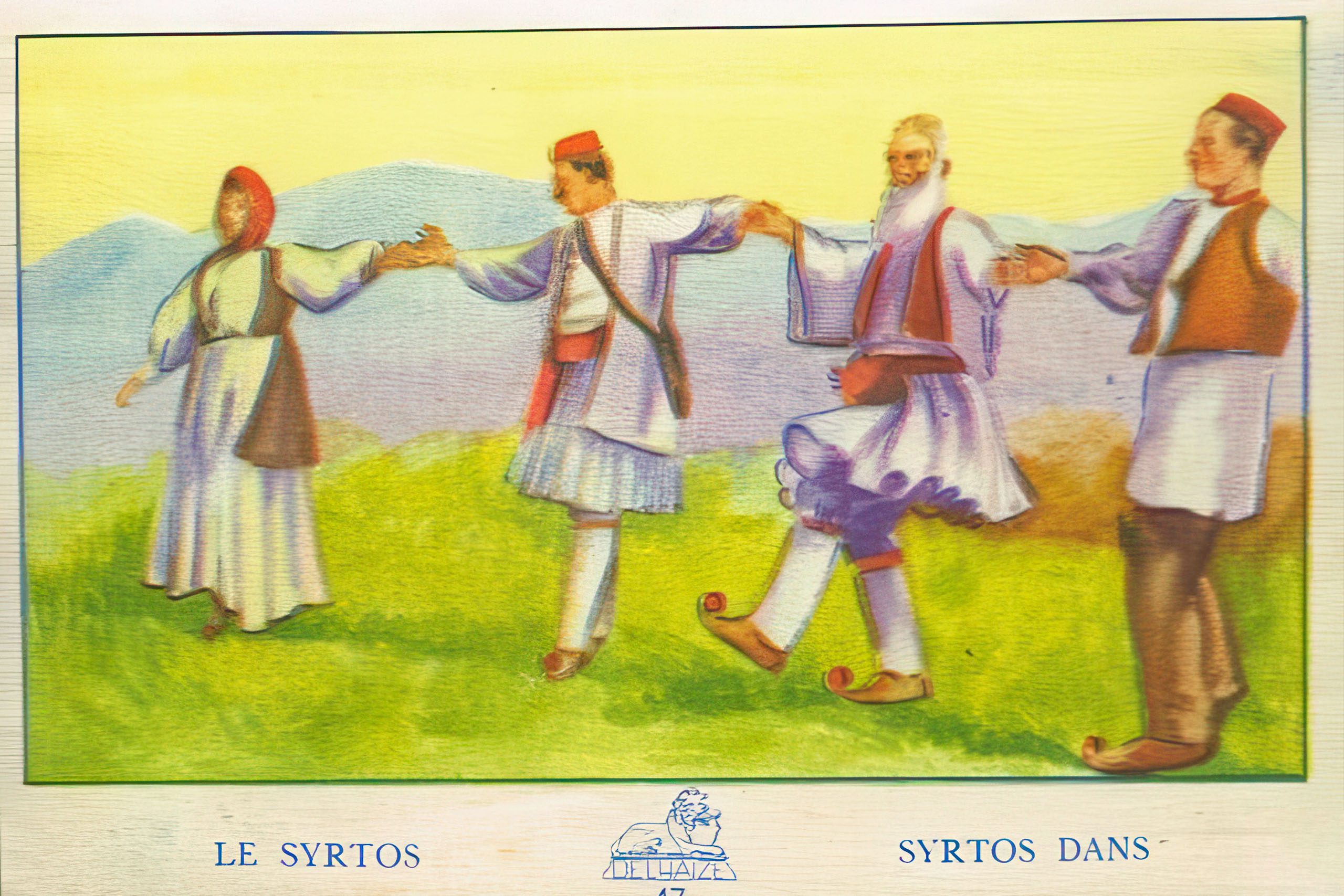
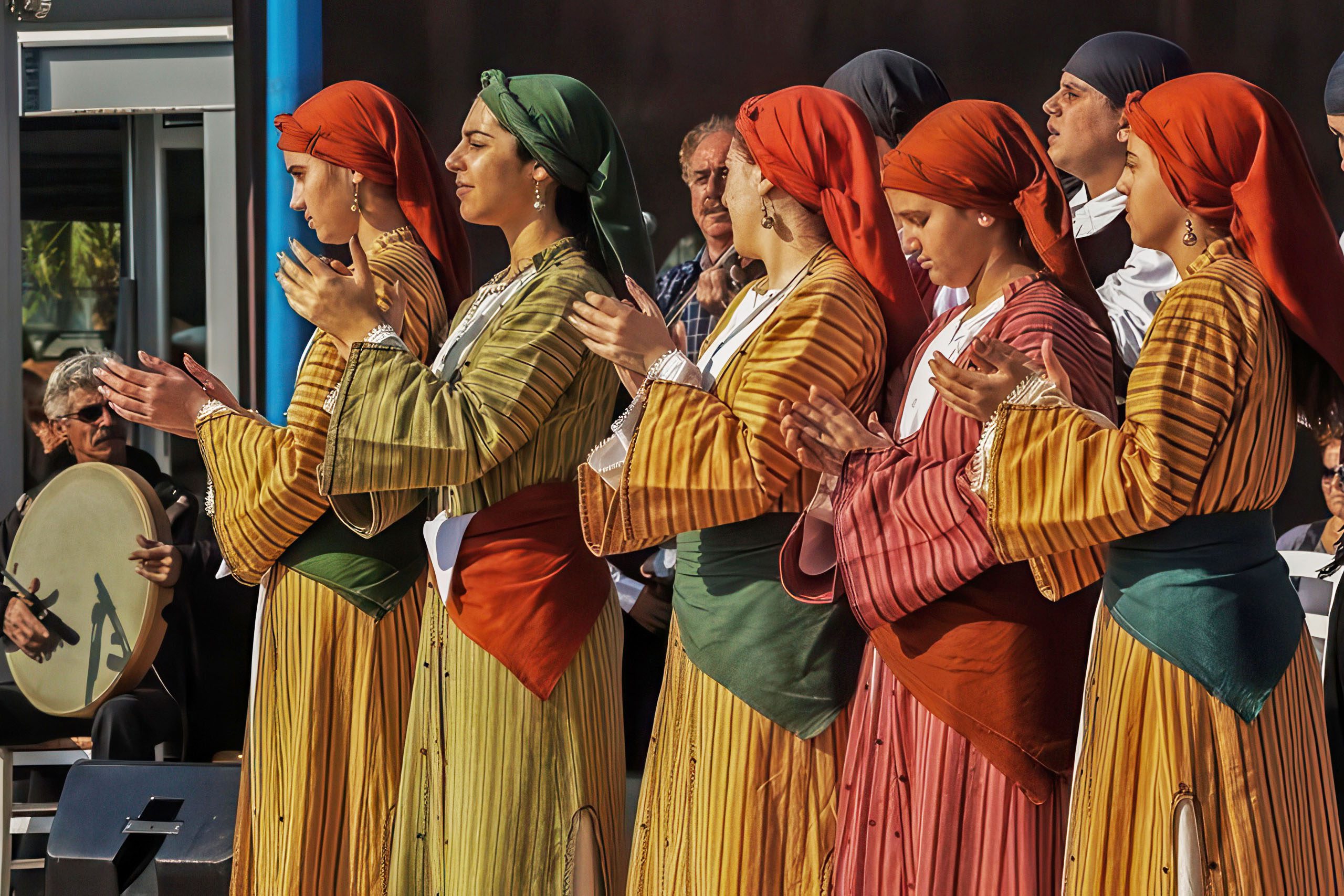
Women’s roles shine in preparations – kneading Easter flaounes with cheese, sesame, and mint symbolizes nurturing, passed mother-to-daughter. Harvest dances, like the syrtos, mimic sowing motions, fostering unity in divided times. Influences abound: Phoenician fertility echoes in egg symbols, Byzantine icons in processions. Even Turkish Cypriot parallels, like shared fire-jumping at weddings, highlight cultural overlaps. This depth shows rituals as survival tools – addressing fears of drought or illness through acts that build emotional resilience and social ties.
Echoes in Modern Cypriot Life
Today, these rituals aren’t museum pieces – they’re woven into everyday Cyprus, adapting to urban life while holding rural charm. In a fast-paced world with climate shifts bringing erratic seasons, villagers still light May bonfires against “evil eyes,” now with eco-twists like using recycled wood. Easter remains huge: families gather for lamb spits and egg games, live-streamed for diaspora kin in Australia or the UK. Kataklysmos beaches buzz with music festivals, blending water fun with Orthodox blessings.
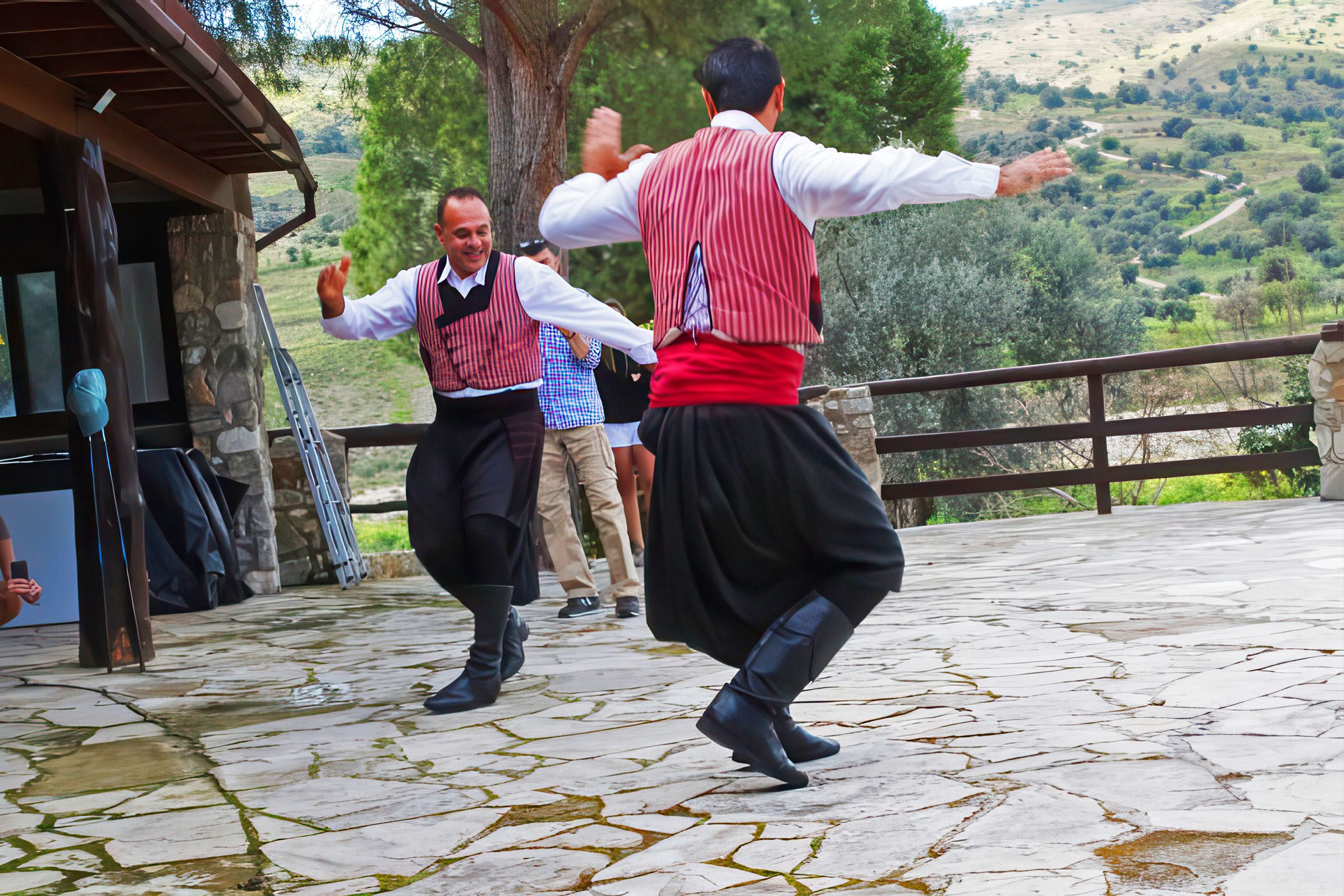
Amid 1974’s lingering divide, rituals foster healing – joint events in buffer zones revive shared customs like harvest feasts. Tourism amps them: Paphos hosts “Folk Nights” with dances and flaounes-making workshops, drawing visitors for authentic tastes. Young Cypriots remix them – apps track ritual dates, while artists incorporate fire motifs in street art protesting environmental issues. In pop culture, films like “Island Flames” romanticize them as symbols of endurance. These practices keep cultural identity strong, offering comfort in uncertain times through familiar rhythms.
Your Guide to Joining the Traditions
Experiencing these rituals? Cyprus welcomes you with open arms. Time your visit for Easter (April-May 2026) – head to Larnaca for Lazarus Saturday bonfires, where crowds leap flames at midnight; it’s free, but wear comfy clothes for the jump. Villages like Omodos in Troodos host intimate harvest blessings in September – join grape-stomping and taste fresh must, no cost but donations appreciated.
For summer, Larnaca’s Kataklysmos in June means beach parties with water games – pack swimsuits, sunscreen, and join the splash for fun immersion. May Day wreaths bloom in Limassol parks – craft one at free workshops. Drive safely on winding roads; public buses connect cities, but rent a car for villages. Stay in agrotourism homes for homecooked flaounes. Respect customs – ask before photos, participate humbly. It’s not spectator stuff; dive in, and you’ll feel the warmth of traditions that make Cyprus feel like home.
Rituals That Bind Past to Present
In the end, seasonal folk rituals in Cyprus aren’t just old habits – they’re the island’s soul, a testament to how people turned nature’s cycles into celebrations of life and community. From fire’s purifying glow to harvest’s grateful feasts, they capture Cyprus’s resilient spirit: a blend of ancient wisdom and adaptive joy that has weathered empires and divisions. Knowing them deepens appreciation for the island as a place where faith meets the earth, reminding us that in a tech-driven world, simple acts like jumping flames or sharing eggs can still spark connection and hope. Whether witnessing a bonfire or cracking an egg, these rituals invite us to pause, reflect, and embrace the timeless dance of seasons.