Cyprus has always lived between places, and its contemporary music makes that position audible. Today’s Cypriot musicians collaborate across Europe and the Middle East in ways that feel natural rather than strategic, producing music that travels easily while remaining grounded in local identity. These projects are not about imitation or trend-chasing. They are about translation, turning geography, history, and lived experience into sound. To understand modern Cypriot music is to hear an island negotiating who it is, who it speaks to, and how it wants to be understood.
- A Geography You Can Hear
- Collaboration as Cultural Anchoring, Not Fusion for Its Own Sake
- How These Collaborations Actually Take Shape
- What Makes the Sound Recognisably Cypriot
- Artists Who Make the Intersection Audible
- The Ecosystem That Sustains Collaboration
- Why This Moment Matters
- Experiencing This Side of Cyprus
- Why This Story Is Worth Listening To
A Geography You Can Hear
Cyprus does not need to “reach outward” to collaborate. It is already surrounded by cultural conversation. For centuries, the island has absorbed and adapted influences from Byzantine liturgical traditions, Levantine musical systems, and later European forms introduced through political and cultural exchange. This layered inheritance means that modern collaboration does not feel like a rupture. It feels like continuity.
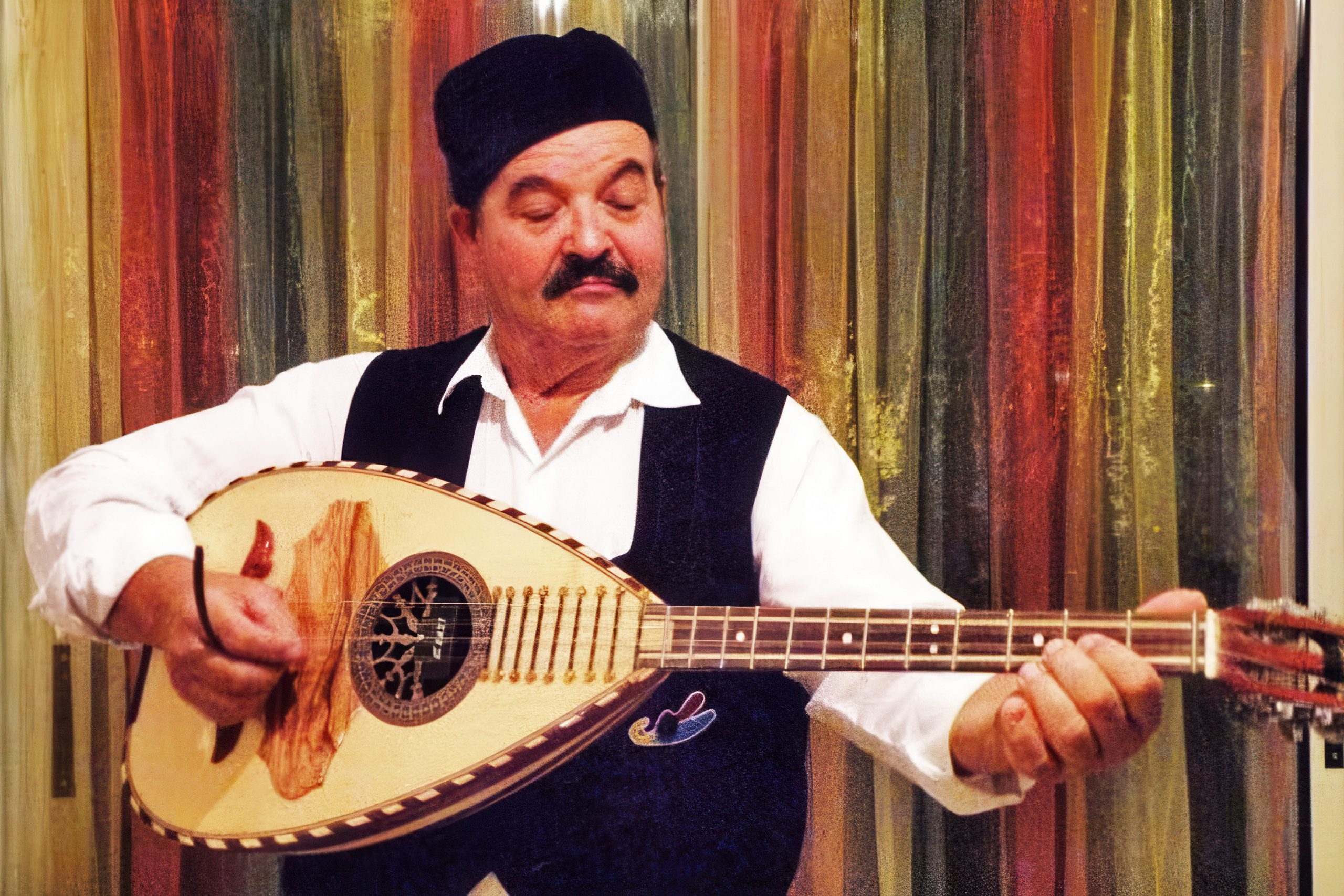
When contemporary Cypriot musicians work with European producers or Middle Eastern artists, the blend often sounds intuitive. The island’s music has long been shaped by multiple tonal systems, rhythmic sensibilities, and storytelling traditions. Modern technology and global networks simply make those exchanges more visible.
Collaboration as Cultural Anchoring, Not Fusion for Its Own Sake
At first glance, this trend might look like stylistic fusion. In reality, something more deliberate is happening. Cypriot musicians frequently adopt global forms, electronic production, alternative rock frameworks, hip-hop language, and experimental textures, but they anchor those forms in specific identity markers. Dialect appears where a “neutral” language might be easier. Traditional instruments are not decorative but structural. Themes draw from memory, division, migration, intimacy, and island life.
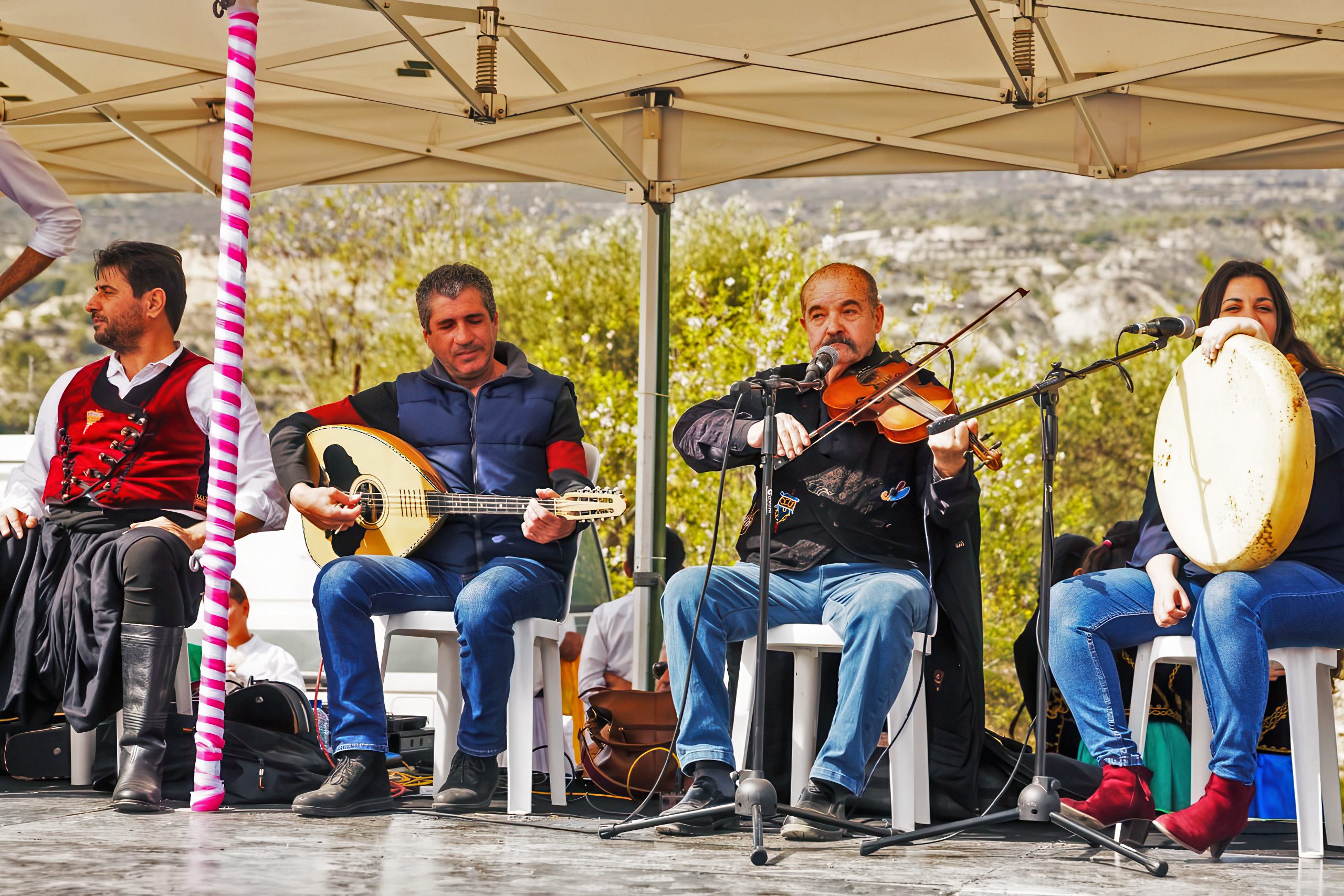
This anchoring prevents collaboration from flattening identity. Instead of dissolving into international sameness, the local voice remains distinct, even when the sound itself travels far.
How These Collaborations Actually Take Shape
Cypriot musical collaboration is not limited to one model. It moves in several directions at once.
More Than One Cultural Axis
Some partnerships grow through European festivals, residencies, and cultural networks, where Cypriot artists meet collaborators through structured programs rather than commercial pipelines. Others emerge naturally through proximity to the Middle East, where shared histories and musical sensibilities make dialogue fluid.
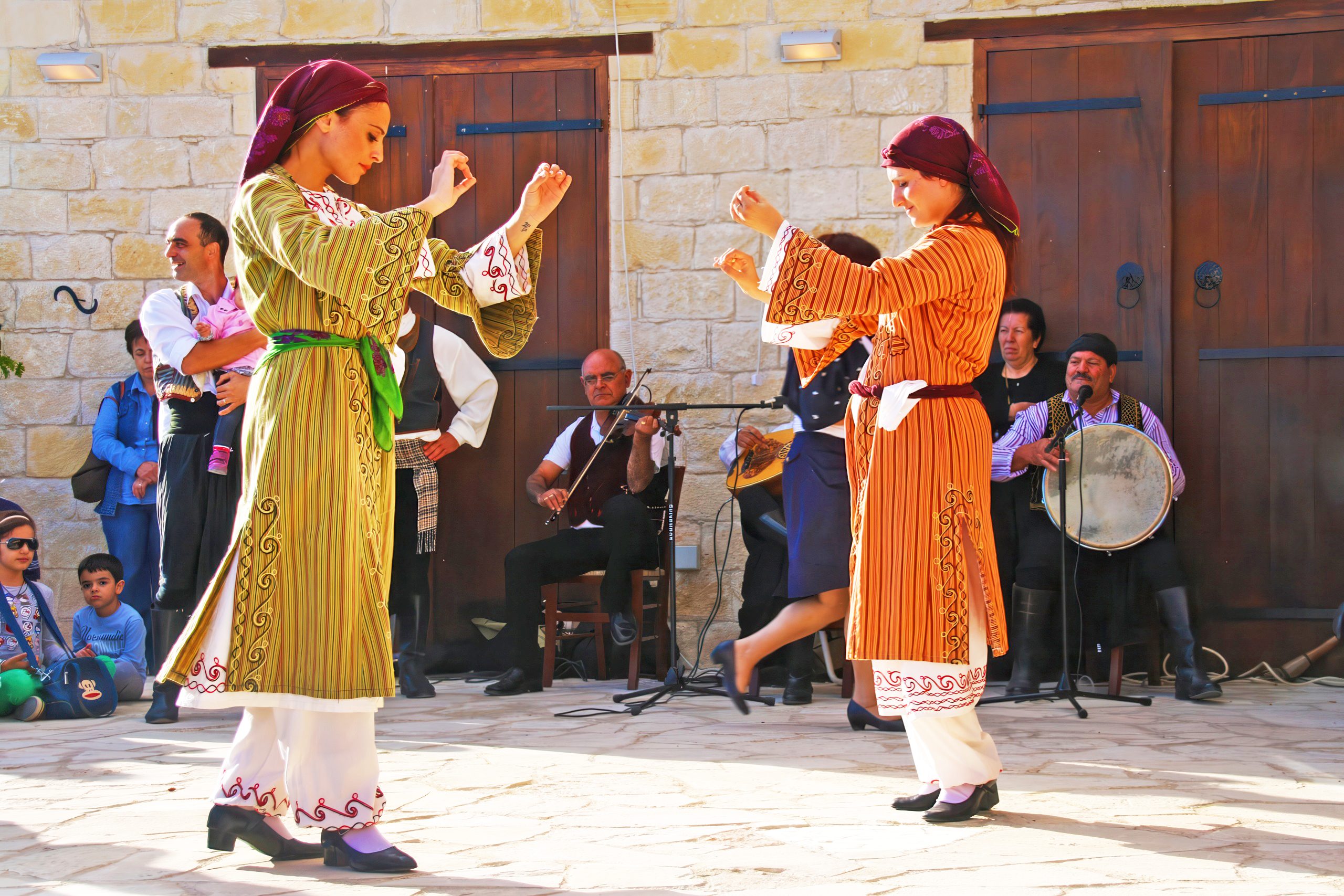
There is also a strong diasporic current. Many Cyprus-linked musicians live and work in cities such as London or Berlin, carrying the island with them while participating fully in international scenes. Their collaborations often feel reflective, shaped by distance as much as connection.
Finally, bi-communal projects between Greek Cypriot and Turkish Cypriot musicians add another layer, one where music quietly resists separation by creating shared creative ground.
What Makes the Sound Recognisably Cypriot
The Cypriot presence in these collaborations is rarely overstated, yet it is consistently felt. Rather than announcing itself, it settles into the music through texture, phrasing, and emotional tone, revealing itself over time rather than at first listen.
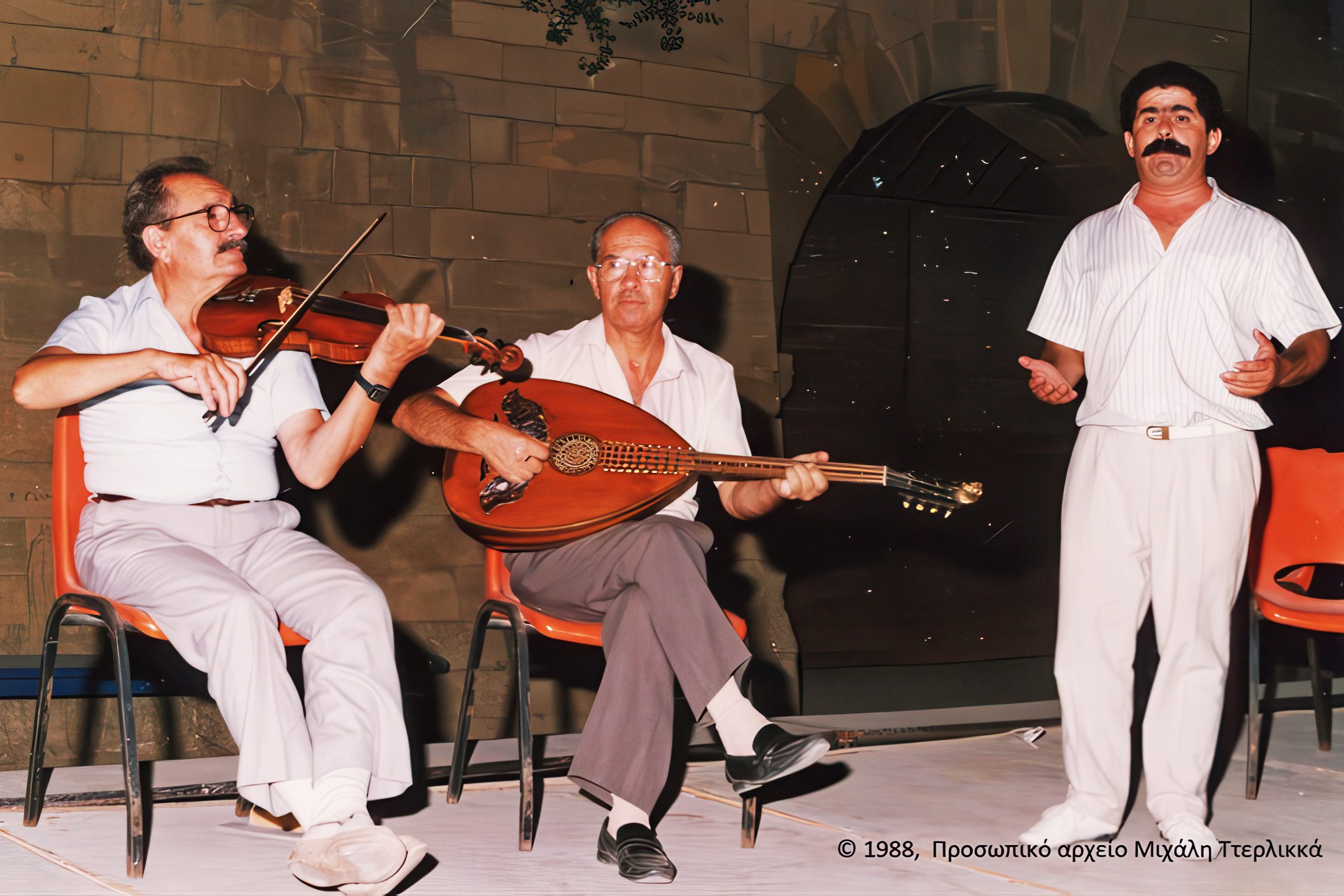
Traditional musical elements tend to appear as part of the architecture of a piece rather than as surface ornament. Instruments associated with village life or regional tradition often shape rhythm, atmosphere, or melodic movement instead of dominating the foreground. Their role is to carry memory, not nostalgia, allowing older sonic languages to breathe inside modern arrangements.
The vocal approach also plays a significant role. Cypriot singing traditions emphasise narrative and emotional weight, qualities that translate well into contemporary songwriting. Even when lyrics are sparse or abstract, the vocal delivery often carries a sense of storytelling rooted in oral tradition rather than performance alone.
Dialect further reinforces this identity. Choosing to write or sing in local speech is not a stylistic flourish but a cultural stance. It preserves specificity in collaborative contexts where simplification might make international circulation easier. In doing so, it allows the music to travel without shedding its origin.
Artists Who Make the Intersection Audible
Several Cypriot artists demonstrate how collaboration can extend identity rather than dilute it.

Monsieur Doumani approaches tradition as living material. Their work reshapes folk structures into contemporary forms that remain socially grounded, addressing modern realities without leaning on nostalgia. Through collaboration, they show how regional rhythm and instrumentation can function confidently within broader musical conversations.

Della represents a pathway of international prestige. In early 2025, she became the first Cypriot musician to win a Music Moves Europe (MME) Award, specifically a jury award. This was exemplified by her single “waste,” which blended ghostly acoustic guitars with subtle electronic elements to critical acclaim.
Krista Papista’s work illustrates how distance can reshape identity. Living and creating abroad, her collaborations extend beyond sound into performance and visual language, turning Cypriot experience into something fluid, evolving, and open-ended rather than fixed.
Turkish Cypriot artists such as Choby contribute to the island’s collaborative ecosystem through cross-regional festivals and residency programs. These projects demonstrate how Cyprus’s music can hold multiple cultural narratives at once, not as a compromise, but as creative strength.
The Ecosystem That Sustains Collaboration
Behind these artistic exchanges lies a growing cultural infrastructure. Festivals, showcases, and residency programs provide spaces where collaboration can develop slowly, without immediate commercial pressure. This allows artists to experiment, listen, and adapt rather than simply exchange styles.
Professional hubs like Soundscape Studios in Limassol (which has hosted icons like Cat Stevens and John Malkovich) and Hot Soap Studios provide world-class infrastructure. Visiting artists no longer need to export the creative process elsewhere. Cultural funding initiatives and EU-linked networks further extend mobility, making collaboration sustainable rather than occasional.
Why This Moment Matters
These collaborations matter because they reshape how Cyprus is heard. Music offers a way for the island to speak in the present tense, not as a historical artifact or tourist image, but as a living, creative society. Through sound, Cyprus expresses its layered identity without needing to resolve it into a single narrative.
For a small island, collaboration is not a loss of definition. It is a form of amplification. By engaging with Europe, the Middle East, and its own diaspora simultaneously, Cypriot music gains clarity rather than confusion.
Experiencing This Side of Cyprus
This musical landscape is most vivid in live settings. In Nicosia, cultural spaces and workshops often host collaborations that cross linguistic and communal lines. Limassol’s venues tend toward experimental and cross-genre performances, while rural festivals reveal how local tradition continues to feed modern expression.
Performances are often intimate rather than industrial. Languages shift naturally on stage and in the audience. The music moves between memory and experimentation without apology. That fluidity is not accidental. It is the essence of the sound.
Why This Story Is Worth Listening To
Cyprus is often described as a bridge. In contemporary music, that metaphor becomes tangible. By blending European and Middle Eastern influences with local identity, Cypriot musicians demonstrate that culture does not weaken when it moves outward. It becomes sharper, more articulate, and more self-aware.
These collaborations allow Cyprus to be heard on its own terms. Not frozen in the past. Not absorbed into larger markets. But present, adaptive, and unmistakably itself.