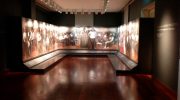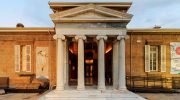
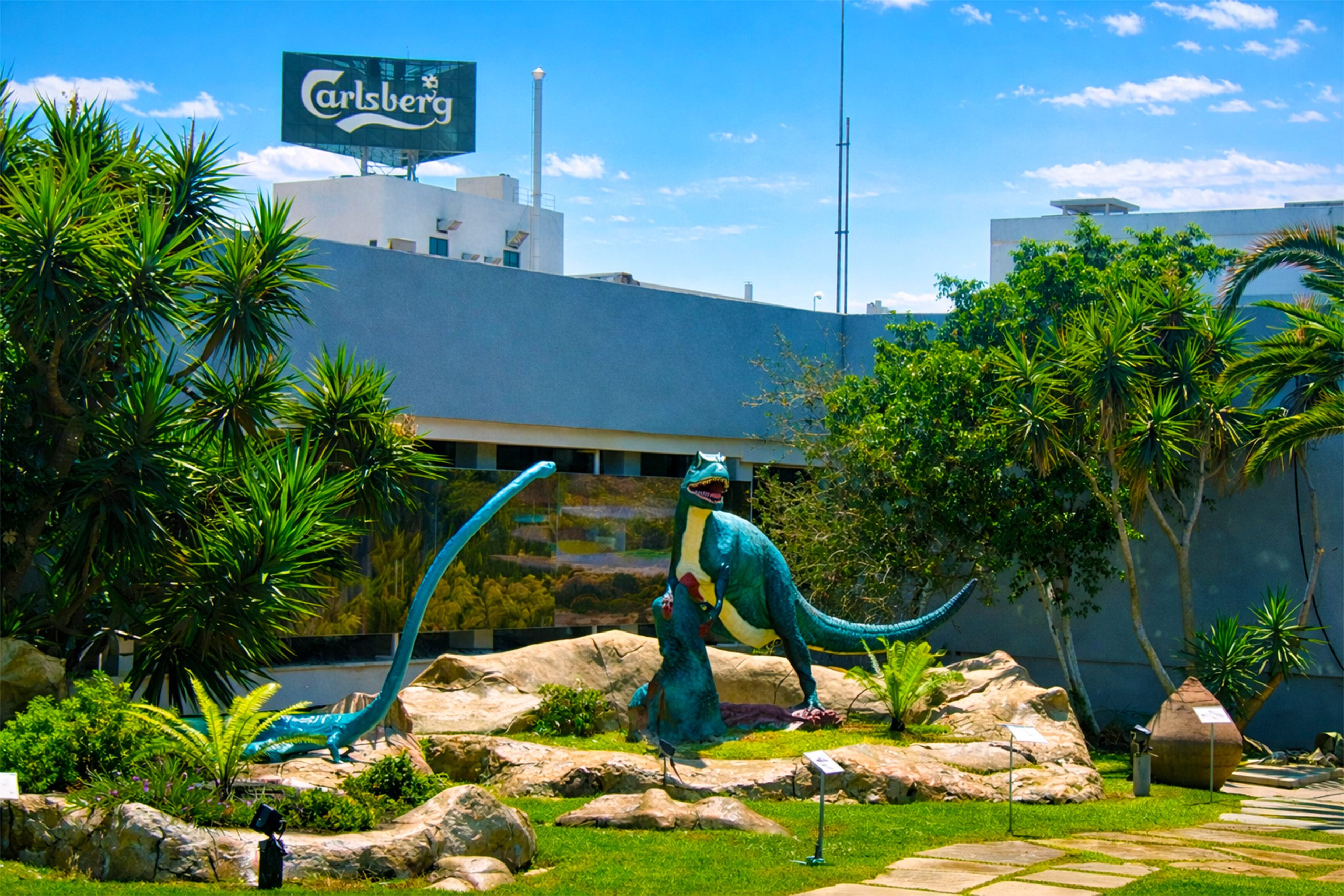
The Cyprus Museum of Natural History is the largest natural history exhibition in Cyprus. Located on the outskirts of Nicosia within the grounds of the Carlsberg Brewery, the museum displays approximately 2,500 exhibits that showcase the island’s geology, flora, and fauna. Since its inauguration in 1996, the museum has welcomed thousands of visitors annually and serves as an educational resource for understanding Cyprus’s natural heritage.
Historical Background
The Photos Photiades Charity, Scientific and Cultural Foundation established the museum as part of its mission to benefit the public through educational and cultural projects. Former President of the Republic of Cyprus Glafkos Clerides inaugurated the facility on May 29, 1996. The museum was the first institution of its kind on the island, dedicated specifically to preserving and presenting Cyprus’s natural history.
The foundation created the museum to educate visitors about the island’s biodiversity and geological evolution. The collection documents millions of years of natural history, from ancient fossils to current wildlife species. The exhibits aim to inspire environmental awareness and appreciation for nature conservation.
Main Collections and Exhibits
The museum houses over 2,500 items across several categories. The majority consists of taxidermied animals including mammals, birds, fish, reptiles, and insects. These specimens are preserved using professional taxidermy techniques that make them appear lifelike. The displays allow visitors to examine species they might never encounter in the wild.
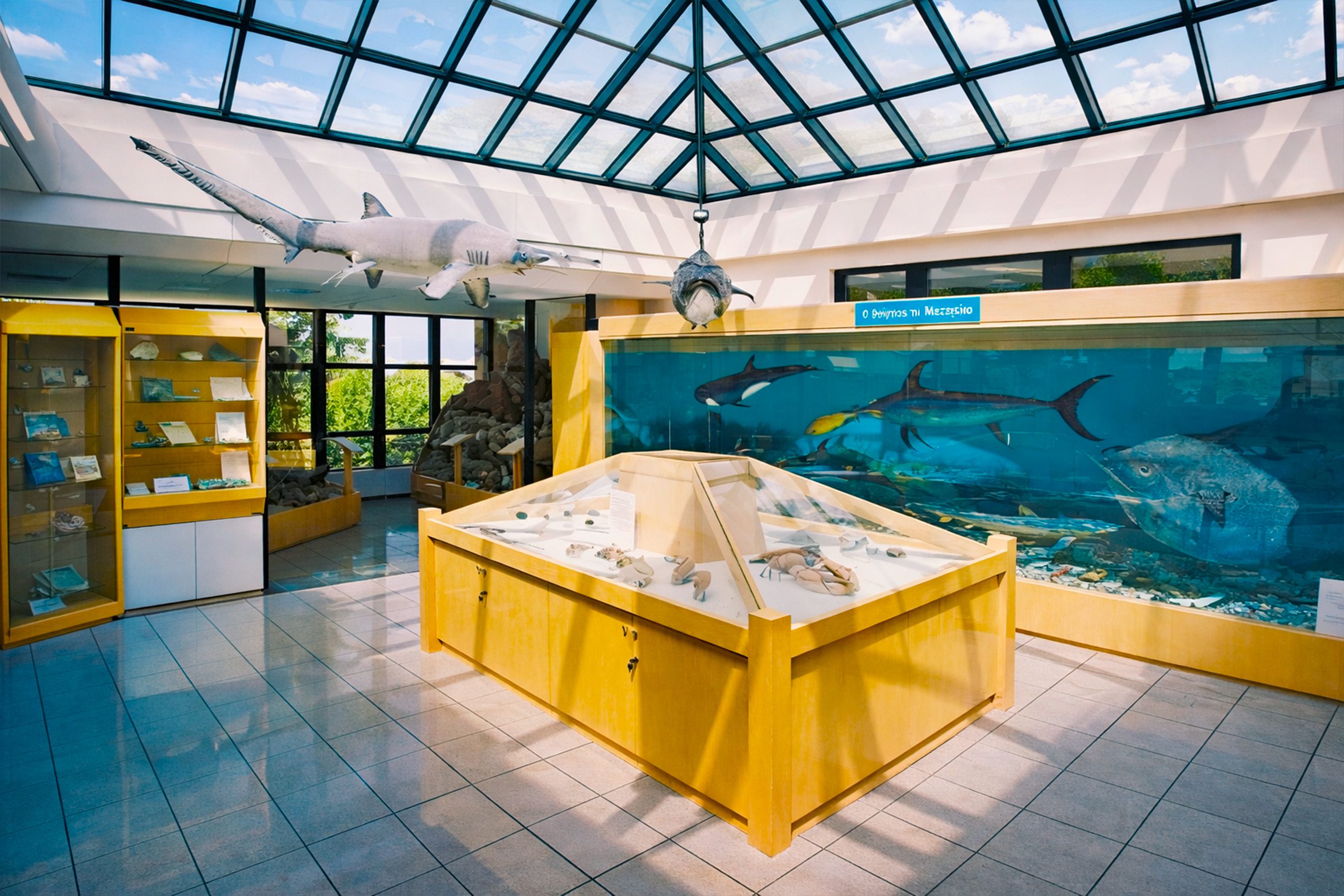
Two Mediterranean sharks, each measuring 3 meters in length, create a dramatic impression on visitors. The museum also features an extensive collection of North American mammals, though the focus remains primarily on Cypriot and regional wildlife. The displays include both common species and rare or endangered animals.
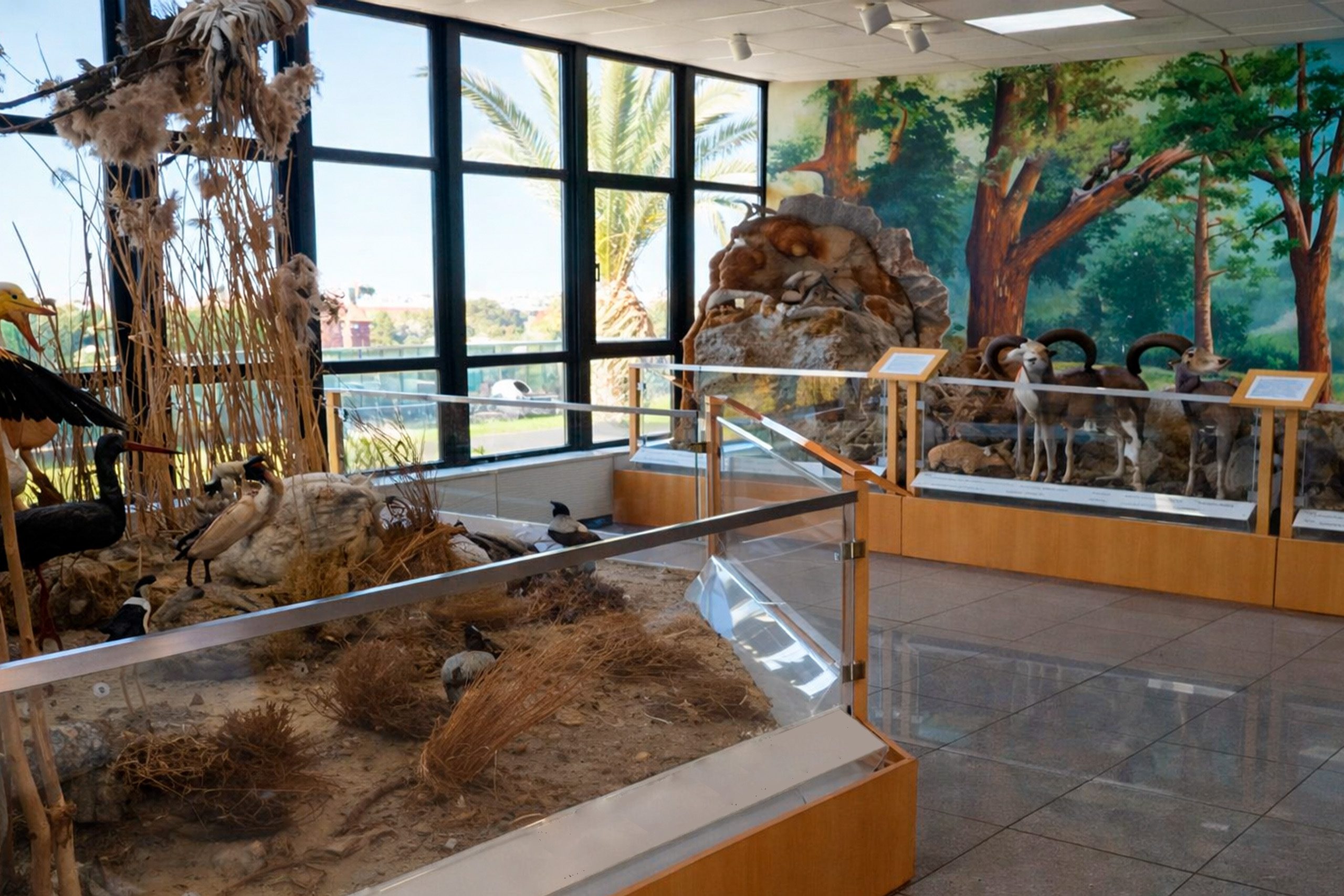
Endemic species native to Cyprus receive special attention. The Cyprus mouflon, a wild sheep that became the national symbol of Cyprus, appears in a diorama representing the Paphos forest habitat. These mountain sheep once faced near extinction but have recovered through conservation efforts. The museum exhibit shows the mouflon in its natural environment complete with vegetation and terrain features.
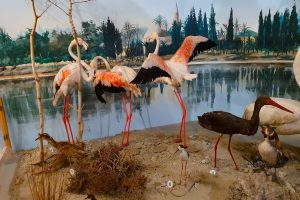
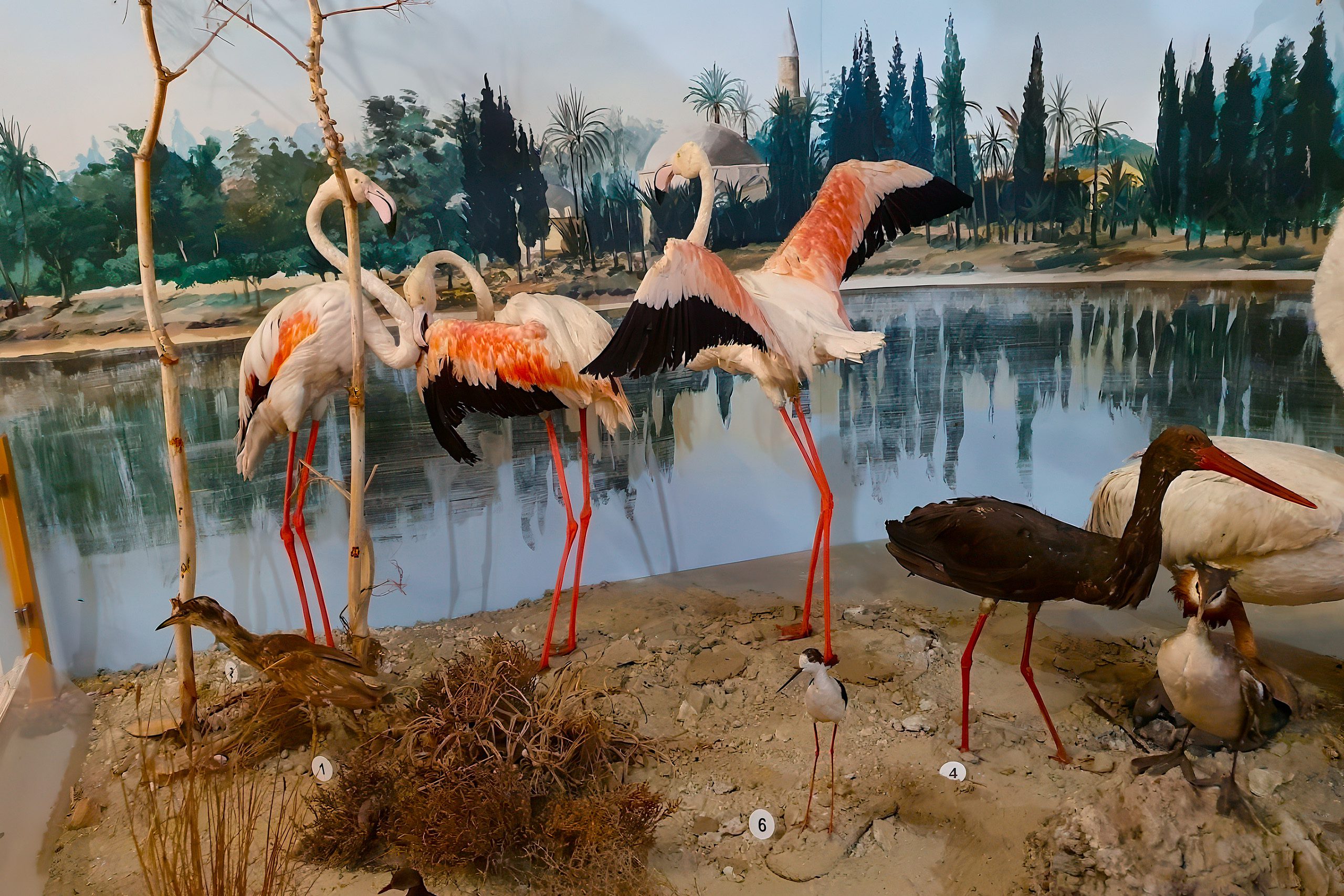
Another notable diorama recreates the Larnaca Salt Lake ecosystem with flamingos and other migratory birds. This habitat serves as an important stop for thousands of birds traveling between Europe and Africa each year. The display helps visitors understand the ecological significance of Cyprus’s wetlands and the seasonal migration patterns that bring diverse species to the island.
Geological Collections
The geology section presents rocks, minerals, semi-precious stones, and fossils that tell the story of Cyprus’s formation and evolution. The Troodos Mountain Range, which formed approximately 90 million years ago 8,000 meters below sea level, features prominently in these displays. The mountains consist of ophiolitic rocks rich in asbestos, chromium, and copper-bearing iron pyrite deposits, with concentrations of gold and silver.
The geological exhibits explain how the Troodos Range represents a fragment of oceanic crust and upper mantle that was detached and gradually uplifted because of the African lithospheric plate descending under the Eurasian plate. This tectonic activity created the unique geology that makes Cyprus significant to earth scientists worldwide.
Fossil collections include specimens dating back 3 million years. Among the most interesting are fossilized pygmy hippopotamus bones. These extinct animals once lived on Cyprus and adapted to island conditions by evolving into smaller versions of their mainland relatives. The fossils provide evidence of how isolation affects animal evolution.
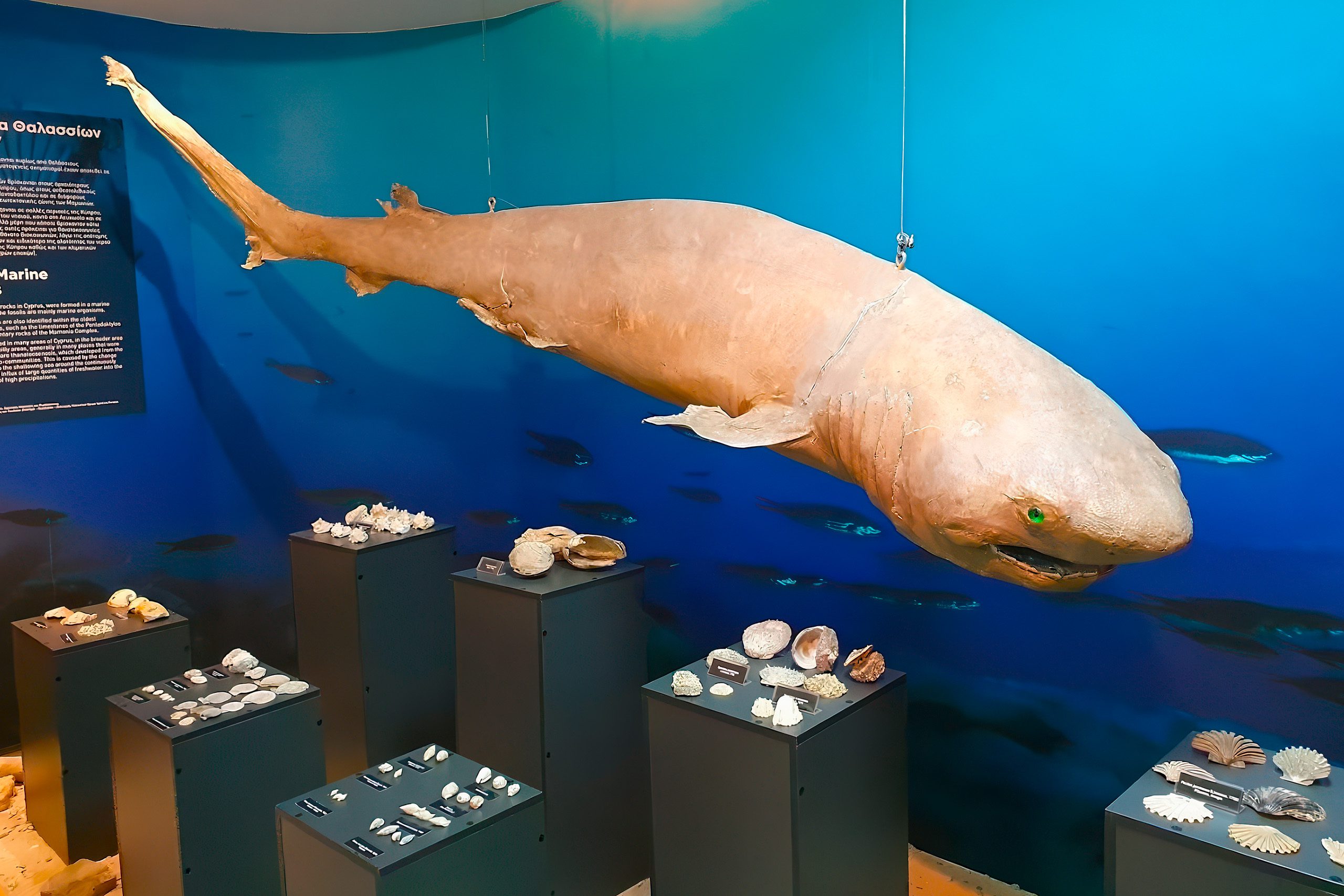
Marine specimens include seashells and corals from Mediterranean waters. These collections document the diversity of marine life surrounding Cyprus and show how coastal ecosystems have changed over time.
Special Collections from Private Donors
Several private collections form important parts of the museum’s holdings. Dr. Andreas Kodros donated a collection of minerals and seashells. Dr. Lefteris Hadjisterkotis, an officer of the Game and Fauna Service and former president of the International Union of Game Biologists from 1999 to 2001, contributed Mediterranean seashells and fossils.
The museum accepts contributions from collectors who wish to support its educational mission. Legal agreements are prepared between donors and the museum to ensure proper documentation and care of donated materials. This policy has allowed the institution to expand its collections beyond what initial funding could provide.
Historical Context of Cyprus Wildlife
The exhibits include information about animal domestication in Cyprus. Evidence shows that inhabitants raised domestic animals throughout the prehistoric era, particularly during the 7th millennium BC Aceramic-Neolithic Period. Domesticated species included pigs, sheep, goats, and donkeys. The ox came into use around 2500 BC during the early Bronze Age.
These prehistoric people knew navigation and crossed the sea to Cyprus with their households and cattle. Animals such as goats and sheep had already been domesticated in the Middle East during the Mesolithic Era between 10,000 and 12,000 BC. This period marks the beginning of Mediterranean colonization by humans. The museum’s displays connect these ancient practices to the development of Cypriot culture and agriculture.
Location and Visitor Information
The museum is located at Carlsberg Cyprus, 1 to 7 Themidos Street, in the Latsia area on the outskirts of Nicosia. The facility sits within the brewery grounds, which are well marked and easy to find. Public buses and taxis provide convenient access from central Nicosia and other parts of the island.
The museum operates as a non-profit organization. Entrance is free of charge, making it accessible to all visitors regardless of economic circumstances. The facility welcomes over 8,500 visitors annually. Visits require advance telephone booking to ensure proper staffing and service.
Operating hours are typically weekdays and some weekends, though checking current schedules before visiting is advisable as hours can change for holidays or special events. The museum can be reached by telephone at 00357-22585834 and 00357-22585858, or by fax at 00357-22481450.
The venue is not wheelchair accessible, which limits access for some visitors. Restrooms are available on site. Parking accommodates both cars and buses, making the museum suitable for group visits. Free printed guides in Greek and English help visitors navigate the exhibits and understand the displays.
Significance for Cyprus
The Cyprus Museum of Natural History fills an important educational role that complements the island’s archaeological museums. While ancient human history receives extensive coverage in other institutions, natural history had been underrepresented before this museum opened. The facility balances the cultural heritage focus by highlighting Cyprus’s environmental heritage.
The museum contributes to environmental awareness at a time when conservation faces increasing challenges. By showing visitors the diversity of life on Cyprus and explaining ecological relationships, the institution encourages protective attitudes toward nature. This educational mission supports broader efforts to preserve habitats and species.
For students and researchers, the museum provides concentrated access to specimens and information that would otherwise require extensive fieldwork to observe. The collections serve as reference materials for scientific study and educational projects. The cooperation with government agencies ensures the museum stays current with conservation priorities and scientific developments.