Ecclesiastical and theological themes have influenced the evolution of Cypriot music and literature for over two thousand years. These creative expressions developed alongside the island’s long administrative and cultural history, integrating early Mediterranean traditions with a distinct local character.

From solemn church hymns to joyful seasonal carols, religious content touches nearly every aspect of traditional Cypriot music. The themes range from celebrations of Christ’s birth to lamentations of the Virgin Mary, from praise of local saints to prayers for protection.
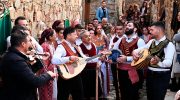
From formal liturgical chants to festive community carols, these motifs appear frequently throughout the history of traditional Cypriot composition. The subject matter typically centers on significant historical figures, regional narratives, and various traditional invocations for community safety.
Byzantine Roots and Medieval Flowering
Cyprus became a center for religious music composition during the Byzantine period. The island’s geographic position between Constantinople and the historical Land made it a natural meeting point for musical traditions from both regions.
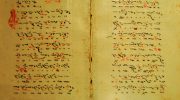
Byzantine musical manuscripts from the 14th and 15th centuries show that Cypriot cantors maintained strong connections to Constantinople while developing their own distinctive styles. Three members of the Asan family from Cyprus gained recognition for their hymn writing, with their works preserved in manuscripts at Athens and other major collections.

Neophytos the Recluse is recognized as one of the most productive literary figures of the 12th century. Operating from a secluded limestone cave near Paphos, he authored extensive volumes of poetry and prose centered on the historical symbolism of the cross. His writings provided simplified interpretations of ancient scripts and traditional vocal arrangements designed to be accessible to the general population of the era. Later, during the 15th century, the prominent composer Paul Kasas introduced ‘kratema’—extended vocal melodies—which utilized sophisticated techniques to enhance the atmosphere of public ceremonies.
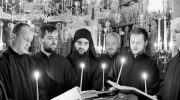
Byzantine Chant as Living Tradition
Byzantine chant forms the foundation of religious music in Cyprus today. UNESCO recognized this tradition as Intangible Cultural Heritage of Humanity in 2019, acknowledging its continuous practice for over 2,000 years.
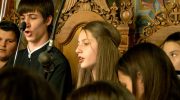
The chant uses a modal system called octoechos, organizing melodies into eight modes. This system allows chanters to memorize melodic patterns and apply them to different texts. The monophonic style, with its single melodic line, focuses attention entirely on the sacred words.
Notation for Byzantine chant remained challenging to read until 1814. Before that, a single musical symbol could represent an entire melodic phrase. This made the oral tradition essential, with chanters learning directly from masters who preserved the proper interpretation of each hymn.

The Kykkos Monastery Byzantine Music School in Nicosia continues teaching traditional chant notation and performance. The school enrolls 60 to 70 students annually, ranging from age 10 to 60. Notably, about 40 percent of students are now female, reflecting growing interest among women in this historically male tradition.
Religious Carols Through the Year
Kalanta, the traditional carols of Cyprus, mark major religious celebrations throughout the year. These songs derive their name from the Latin word calendae, meaning the first day of the month.

Children traditionally go door to door on three specific evenings: Christmas Eve, New Year’s Eve, and Epiphany Eve on January 5th. They carry triangles and other simple instruments, asking permission with the phrase “Na ta poume?” before singing. The carols announce the upcoming feast, recount the story of Christ’s birth or the arrival of Saint Basil, and offer blessings for the household.
Cypriot kalanta tend to be more upbeat and lighter than those from mainland Greece. The island versions include wishes for wine, prosperity, and good health, reflecting the agricultural lifestyle of traditional village communities. The melodies show influences from both Greek and Middle Eastern musical traditions.

Recipients reward the children with coins and traditional sweets like melomakarona or kourabiedes. This exchange represents more than payment. It symbolizes the flow of blessings and energy between generations, with the older generation supporting the younger while receiving joy and hope in return.
Week Songs and Lamentations
The spring season features some of the most historically significant vocal traditions in the Cypriot archive. The narrative poem regarding Mary, traditionally performed during the spring, is notable for its complex melodic structure and extended duration. The vocal arrangement utilizes repetitive phrasing to emphasize the historical gravity of the subject matter. This specific composition holds a significant position in musicology as it represents a rare instance where a melody derived from local folk traditions has been systematically integrated into a formal and standardized institutional ceremony.

The Song of Lazarus precedes Week, performed by children who go house to house. This carol tells the story of Lazarus being raised from the dead, symbolizing the victory over death that Easter celebrates.
The Song of the Resurrection on Easter morning contrasts dramatically with earlier somber tones. Joy floods the music as congregations celebrate Christ rising from the tomb. These contrasting moods throughout Week create a powerful emotional journey for participants.
Saints and Local Spiritual Heroes
Cyprus developed its own collection of saint-focused hymns and poems. Saint Hilarion the Great ended his life on the island, and extensive hymn cycles honor his feast day on October 21st.
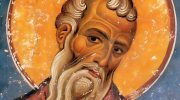
The hymns for Saint Hilarion include both Greek Byzantine chants and Latin responsories. Medieval manuscripts preserve stichera composed specifically for his commemoration, showing how Cyprus blended Eastern and Western Christian musical traditions during the Crusader period.
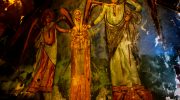
Saint Neophytos remains especially beloved in Cypriot religious poetry. Modern poets continue writing about his life and spiritual wisdom, connecting contemporary Cyprus to its medieval monastic heritage.
Local churches throughout Cyprus maintain hymns dedicated to their patron saints. These often include references to specific villages and landscape features, grounding spiritual themes in the familiar geography that worshippers know intimately.
Modern Compositions and Adaptations
Modern Cypriot composers maintain a connection to these historical structures while exploring contemporary musical formats. For example, Cilia Petridou has adapted traditional seasonal carols for classical piano and vocal performances. Additionally, some contemporary groups integrate historical motifs into arrangements that utilize traditional instruments alongside modern sounds. The Nicosia-based ensemble Monsieur Doumani is known for revisiting these traditional themes, blending the island’s historical poetic structures with a modern aesthetic to preserve the regional cultural identity.

Church choirs across Cyprus perform both ancient Byzantine hymns and newer compositions. The balance between preservation and innovation remains important. Chanters and composers seek ways to keep religious music vital for younger generations without losing the essential character of centuries-old traditions.
The 2021 musical performance “1821 in Cyprus” by Larkos Larkou demonstrated how religious themes intersect with historical memory. The work set Vassilis Michaelides’ poems about Archbishop Kyprianos to music, including references to the Virgin Mary and prayers for salvation.
Experiencing Sacred Music Today
Visitors to Cyprus encounter religious music in multiple settings. Orthodox churches hold services where Byzantine chant fills the space. The darkened interiors, lit by candles and oil lamps, create atmospheres where the chant sounds particularly powerful.
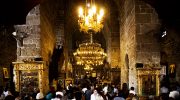
Major monasteries like Kykkos and Saint Neophytos offer opportunities to hear trained chanters performing traditional hymns. These locations often have exceptional acoustics that enhance the vocal music. Visitors should observe proper church etiquette, including modest dress and quiet respect during services.
Christmas and Easter periods bring the kalanta tradition to streets and neighborhoods. In December and January, groups of children with triangles appear at doorways throughout Cyprus. Preparing small coins or sweets allows visitors to participate authentically in this custom.
Several recordings capture Cypriot religious music for those unable to experience it live. Albums by Cappella Romana feature Byzantine hymns copied in Cyprus during medieval times. Traditional performers like Michalis Terlikkas and Christos Sikkis recorded folk religious songs that preserve older vocal styles.
Voices Carrying Faith Forward
Religious themes in Cypriot songs and poetry represent more than historical artifacts. They form a living bridge between past and present, connecting modern islanders to ancestors who sang the same melodies centuries ago.
The tradition demonstrates remarkable continuity while also showing capacity for evolution. New compositions emerge while ancient hymns continue without interruption. This balance allows the tradition to remain relevant without losing authenticity.
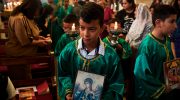
Young chanters studying Byzantine notation at music schools ensure these skills pass to new generations. Children learning Christmas carols from parents maintain the folk religious tradition. Both formal and informal transmission keep the music alive.
The religious content itself, focused on themes of salvation, divine love, and hope, continues resonating with contemporary concerns. Economic challenges, political tensions, and personal struggles find expression through traditional religious songs that have comforted Cypriots for generations.