Cyprus holds one of the highest car ownership rates in the world with 742 cars per 1,000 people according to International Road Federation figures from 2007. Private car ownership in the country ranks as the fifth highest per capita globally. With more than 658 automobiles per 1,000 people in recent years, Cyprus relies heavily on private vehicles for daily mobility.

Only 3 percent of journeys in the Greater Nicosia urban region are made by public transportation, while cycling remains even less common at 2 percent. This dominance of private vehicles creates traffic congestion in major cities, particularly during peak hours, while contributing to air pollution and urban sprawl.
The Road Network and Driving Conditions
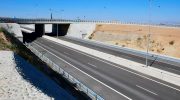
From the 12,118 kilometers of roads in the areas controlled by the Republic of Cyprus, 7,850 kilometers were paved while 4,268 kilometers remained unpaved as of 2006. The island boasts the highest number of motorways per capita in the EU as of 2025, with major routes linking key cities including Limassol, Larnaca, Nicosia, Paphos, and Ayia Napa. One significant advantage for travelers is the absence of toll roads in Cyprus, making exploration of the island more accessible and cost-effective.
As a legacy of British rule, Cyprus is one of only three EU nations where vehicles drive on the left. Road signs appear in both English and Greek, ensuring navigation clarity for international residents. Most vehicles in Cyprus are automatic, and second-hand car dealerships are common. The permissible alcohol limit in breath is up to 22 micrograms of alcohol in 100 milliliters of exhaled air. Hands-free use during driving is mandatory, and using a mobile phone while driving is strictly prohibited.
In July 2025, the European Investment Bank was reported to provide funds of 100 million euros for infrastructure improvement of roads around the country. Key motorways include the A1 connecting Nicosia to Limassol, the A2 linking Nicosia to Larnaca, the A3 from Larnaca Airport to Ayia Napa that also serves as a circular road for Larnaca, the A5 from Limassol to Paphos, and the A6 connecting Limassol to Paphos via coastal route.
Public Bus Services Across the Island
Four types of bus service operate in Cyprus. Airport Transfer Buses link all the towns to the island’s two airports of Larnaca and Paphos. Interurban buses connect all major towns on a daily basis with frequent routes. Urban buses link different areas within the towns and operate frequently during daytime, with routes in certain tourist areas extended till late in the evening during summer. Rural buses connect almost all villages with the nearest town but with limited frequency.

Following reorganization in 2010, Cyprus now has a modern and efficient urban and intercity bus system. Buses are modern, usually on time, and fares are standard and simple: single journey 1.50 euros, daily ticket 5 euros, weekly ticket 20 euros, monthly ticket 40 euros, daily intercity 15 euros. The upgraded gov.cy portal now includes the Cyprus Bus application by Motion, the official application of the Ministry of Public Transport, Communications and Works. It provides all information about bus routes in Cyprus and the actual bus arrival time at each stop.
In 2022, Cyprus Public Transport made new plans for Nicosia’s Public Transport by changing route numbers, adding new bus hubs, and modernizing buses and the overall feel of the transport system. The plan was introduced in two phases and is currently completed. Regular routes connect all free cities of Cyprus from morning until late evening, providing frequent service seven days a week all year round.
Electric Buses and Sustainable Mobility
Cyprus Public Transport has reached a major milestone by bringing the first full-size electric urban buses to the country. These buses feature the latest available technology and meet the highest European standards. The company has purchased the first 5 electric buses for Nicosia and Larnaca, fulfilling its commitment to the Ministry of Transport, Communications and Works.

The newly introduced Yutong electric buses measure 12 meters in length and accommodate a maximum of 80 passengers, encompassing accessible features such as priority seating and a designated area for wheelchair passengers. The adoption of electric buses aligns with the Ministry’s commitment to providing eco-conscious and sustainable public transportation choices. The incorporation of electric vehicles into public transport infrastructure fosters widespread adoption of renewable and clean energy sources.
Toward the end of 2025, the Municipality of Larnaca began implementing its Sustainable Urban Mobility Plan to create a safer, more accessible, and sustainable transport system. Over 16 months until January 2027, the plan will deliver new cycling lanes, redesigned bus corridors, improved pavements, safer junctions, and upgraded traffic systems, prioritizing public transport, walking, and cycling while enhancing road safety and urban quality.
Services for Reduced Mobility Passengers
A Demand Responsive Transport Service for passengers with reduced mobility operates on all routes. For the best planning and to facilitate passengers with mobility problems, contact the service at least 3 hours before the desired route. The pilot program for Demand Responsive Transport initially caters to individuals with disabilities who already utilize public transportation.
Cyprus Public Transport is actively exploring a collaborative project with the Ministry focusing on the Mass Rapid Transit system. With appropriate infrastructure and adequate resources, this system aims to facilitate rapid, frequent, and comfortable movement of a substantial number of passengers from the Greater Nicosia area to the city center. The service’s core objective is to elevate demand for public transportation by offering more frequent and direct routes, thereby considerably mitigating traffic congestion.
Taxis and Ride-Hailing Services
In recent years, ride-hailing services have started to grow in Cyprus, with apps like Bolt offering convenient alternatives to traditional taxis. Car rental services are very popular, making driving an attractive option for tourists, with costs starting around 50 euros per day in summer and 25 euros per day in winter.
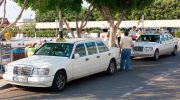
Traditional taxis operate throughout major cities and can be hailed on the street, booked by phone, or found at taxi stands near hotels and tourist areas. Service taxis, locally referred to as shared taxis, operate on fixed routes between major cities. These vehicles typically seat six to eight passengers and depart when full, offering a middle ground between private taxis and buses in terms of cost and convenience.
Ports and Sea Transportation
The ports of Cyprus are operated and maintained by the Cyprus Ports Authority. Major harbors of the island are Limassol Harbour and Larnaca Harbour, which service cargo, passenger, and cruise ships. Limassol is the larger of the two and handles a large volume of both cargo and cruise vessels. Larnaca is primarily a cargo port but played a big part in the evacuation of foreign nationals from Lebanon in 2006 and in the subsequent humanitarian aid effort.
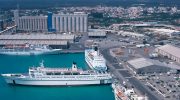
A smaller cargo dock also exists at Vasilikos, near Zygi, a small town between Larnaca and Limassol. Smaller vessels and private yachts can dock at marinas in Cyprus. Multiple small ports, marinas, yacht harbors, and fishing shelters line the coast, supporting recreational sailing and fishing industries.
What the Future Holds for Mobility
Cyprus currently has no functioning railway systems. The last of the narrow gauge systems in the country closed in 1974. There had been studies and preparatory work done to establish a modern system between the major cities, motivated by worsening traffic issues. In 2018, Nicosia municipal authorities requested an opinion on the construction of a tram network in the city, but no concrete plans have materialized. In recent years there has been a joint call by European rail supply industry association and Cyprus Railways Consortium to restore for the first time since 1951 railroad lines to the island.