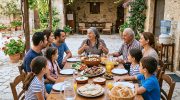
Cyprus after dark offers a distinctive social scene that differs greatly from typical European nightlife. Rather than rushing between clubs or bars, Cypriots embrace a slower, more communal approach to evening hours. The island’s social life centers on conversation, connection, and shared experiences that stretch late into the night.

From traditional coffee shops filled with the click of tavli pieces to seaside promenades where families stroll until midnight, evening activities reflect values of hospitality and togetherness that define Cypriot culture. This relaxed approach to nighttime socializing creates an atmosphere where age, background, and status fade into the background.
Historical Context
The tradition of evening social activities in Cyprus traces back thousands of years. Ancient Greeks gathered in public spaces after sunset to discuss philosophy, politics, and daily events. The Romans continued this practice, adding thermal baths and forums as evening meeting places. During Byzantine times, the church became a central gathering point for evening services and community events. The Ottoman period introduced coffee culture to the island in 1571, transforming evening social patterns permanently.

These evening gatherings served practical purposes beyond entertainment. Before electricity, people needed communal spaces to extend productive hours through shared lamplight. Village squares became unofficial town halls where disputes were settled, business deals were struck, and news was exchanged. The kafeneio, or traditional coffee shop, emerged as the focal point of village life during Ottoman rule. This institution survived through British colonial times and remains central to Cypriot evening culture today. Each generation has adapted these traditions while maintaining the core value of face-to-face social connection after work ends.
The Kafeneio Tradition Lives On
Kafeneio culture dominates evening social life across Cyprus, particularly in villages and older urban neighborhoods. These traditional coffee shops open early but truly come alive after sunset when men gather to drink Cyprus coffee, play tavli, and discuss politics. The typical kafeneio features simple wooden tables, straight-backed chairs, and a framed photograph of the village church. Regulars occupy the same seats every evening, their positions established through decades of habit.
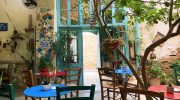
Modern kafeneios have evolved to welcome younger crowds while maintaining traditional elements. Some now serve contemporary drinks alongside Cyprus coffee, but the social function remains unchanged. The custom of placing bets on tavli games continues, with losers paying for coffee and treats. Groups of spectators gather around intense matches, offering advice and commentary. Village kafeneios often stay open past midnight during summer months, with conversation flowing as freely as the coffee. Some establishments have added bingo nights and culinary evenings on weekends to attract diverse audiences.

Tavli, The Social Game
Tavli, the Cypriot version of backgammon, serves as the soundtrack to evening kafeneio culture. The game arrived in Cyprus during Byzantine times when dice games enjoyed immense popularity throughout the Eastern Mediterranean. The term derives from the Greek word for board, and the modern version consists of three variants played in succession.

Portes resembles Western backgammon, Plakoto pins opponent pieces rather than hitting them, and Fevga involves parallel movement without contact between players.
The sound of rolling dice and clattering pieces echoes from households and coffee shops throughout Cyprus every evening. The game bridges generations, with grandparents teaching grandchildren strategy and traditional moves. Cypriot culture considers tavli the national board game, and summer tournaments attract serious competitors. The social aspect matters as much as winning. Players engage in heated debates over moves, spectators offer unsolicited advice, and everyone shares in the drama of close matches.

Traditional etiquette requires placing a bet before play begins, usually for coffee or small treats. The loser pays, creating a cycle of reciprocal hospitality. Multiple people often gather around a single game, their involvement ranging from silent observation to passionate commentary. This communal engagement transforms a simple board game into a social institution that keeps people connected across different social circles. Even Cypriots who never play tavli understand the cultural significance of its presence in evening social spaces.
Village Festivals and Celebrations
Summer evenings in Cyprus villages feature panigiri, traditional festivals honoring patron saints that evolve into all-night celebrations. These events begin with church services but quickly transform into communal feasts with live music, dancing, and abundant local wine. Village squares fill with tables and chairs, string lights create festive atmosphere, and volunteer cooks prepare traditional foods. Musicians perform on small stages, playing folk music that draws dancers into circles that grow throughout the night.
The panigiri calendar runs from spring through autumn, with each village hosting at least one annual celebration. The Cherry Festival in June celebrates the fruit harvest in mountain villages with cooking demonstrations, music, and dancing. The Rose Festival in Agros attracts thousands who watch rose water production and sample rose-flavored treats. September brings wine festivals where visitors taste local wines, watch grape treading, and enjoy performances by folk dance groups. These festivals offer rare opportunities to experience authentic village culture without tourist filters.
Religious and Cultural Evening Events
Orthodox churches throughout Cyprus hold evening services that function as both worship and social gathering. Sunday vespers attract regular attendees who linger afterward to discuss church matters and community news. Major religious holidays feature evening processions through village streets, with icons carried by church officials followed by singing parishioners. The Feast of the Assumption on August 15 brings particularly elaborate celebrations, with fireworks, street markets, and outdoor concerts extending late into the night.
Cultural centers in cities and larger towns organize evening lectures, art exhibitions, and film screenings. The Paphos Aphrodite Festival presents opera performances in early September at the medieval castle, attracting international performers and local audiences. Dance festivals in Limassol and Nicosia showcase contemporary choreography during summer evenings. These events maintain high artistic standards while remaining accessible to general audiences, creating opportunities for cultural engagement beyond tourist attractions.
Important Evening Customs to Know
Several customs govern evening social behavior in Cyprus. Arriving exactly on time for social visits is considered rude, with guests expected to arrive 15 to 30 minutes late. Coffee shops expect customers to occupy tables for hours rather than leaving quickly after finishing drinks. Refusing offered food or drinks can seem impolite, though gentle refusals are understood when explained properly. Joining strangers in conversation at cafes or during evening walks is socially acceptable, reflecting the culture’s emphasis on openness and hospitality.

Evening dress codes remain casual except for specific venues. Restaurants welcome diners in shorts and sandals, though locals typically dress slightly more formally for dinner out. Smoking remains common in outdoor seating areas, and designated smoking sections exist in most indoor venues. Children participate fully in evening activities, with families bringing even young children to late-night festivals and restaurant dinners. This integration of all ages into evening social life creates vibrant, multi-generational gatherings rather than age-segregated entertainment zones.
Popular Local Cuisine
The local cuisine is rich in flavors and reflects a blend of cultural influences that define the region. Traditional dishes often feature fresh, locally sourced ingredients like olive oil, seafood, fresh vegetables, and aromatic herbs. Staples include dishes such as grilled fish, hearty stews, and a variety of bread. Many meals are paired with regional wines, which are known for their distinctiveness and quality.

Restaurants and cafes typically serve meals in courses, starting with appetizers like olives, cheese, or cured meats, followed by a main dish and concluding with desserts such as honey-soaked pastries or seasonal fruits. It is common to find menus highlighting seasonal specialties, giving visitors a taste of what is locally grown. Dining is treated as an experience, not just a meal, with meals often enjoyed over a span of hours, fostering a relaxed and social atmosphere among diners.