4 minutes read See on map

Imagine strolling across a rocky hillside in Cyprus under a clear blue sky, where a shrubby plant releases a warm, woody aroma that hints at ancient potions and savory island dishes. This is sage, a resilient herb that dots the wild landscapes of Cyprus, offering simple wisdom from nature’s own apothecary to those who pause to notice.
www.inaturalist.org

A Fragrant Shrub in the Mint Family

Sage belongs to the genus Salvia in the vast mint family (Lamiaceae), a group of plants known for their square stems and aromatic leaves rich in essential oils. In Cyprus, several wild species grace the landscape, thriving in dry, rocky slopes and maquis vegetation from sea level to the high Troodos peaks.

Echoes of Ancient Healers

The name Salvia comes from the Latin “salvare” – to save or heal – reflecting its long history as a medicinal plant. In Cyprus, sage has been gathered since prehistoric times. Ancient Greek physicians like Dioscorides praised its wound-healing powers, while it was used in rituals for protection and purification. Over centuries, it became deeply rooted in island folklore as a symbol of longevity and wisdom.
www.inaturalist.org

Woolly Leaves and Starry Blooms

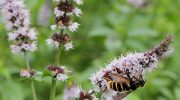
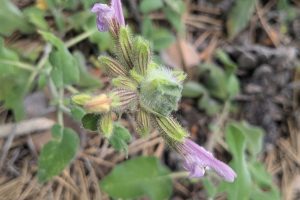
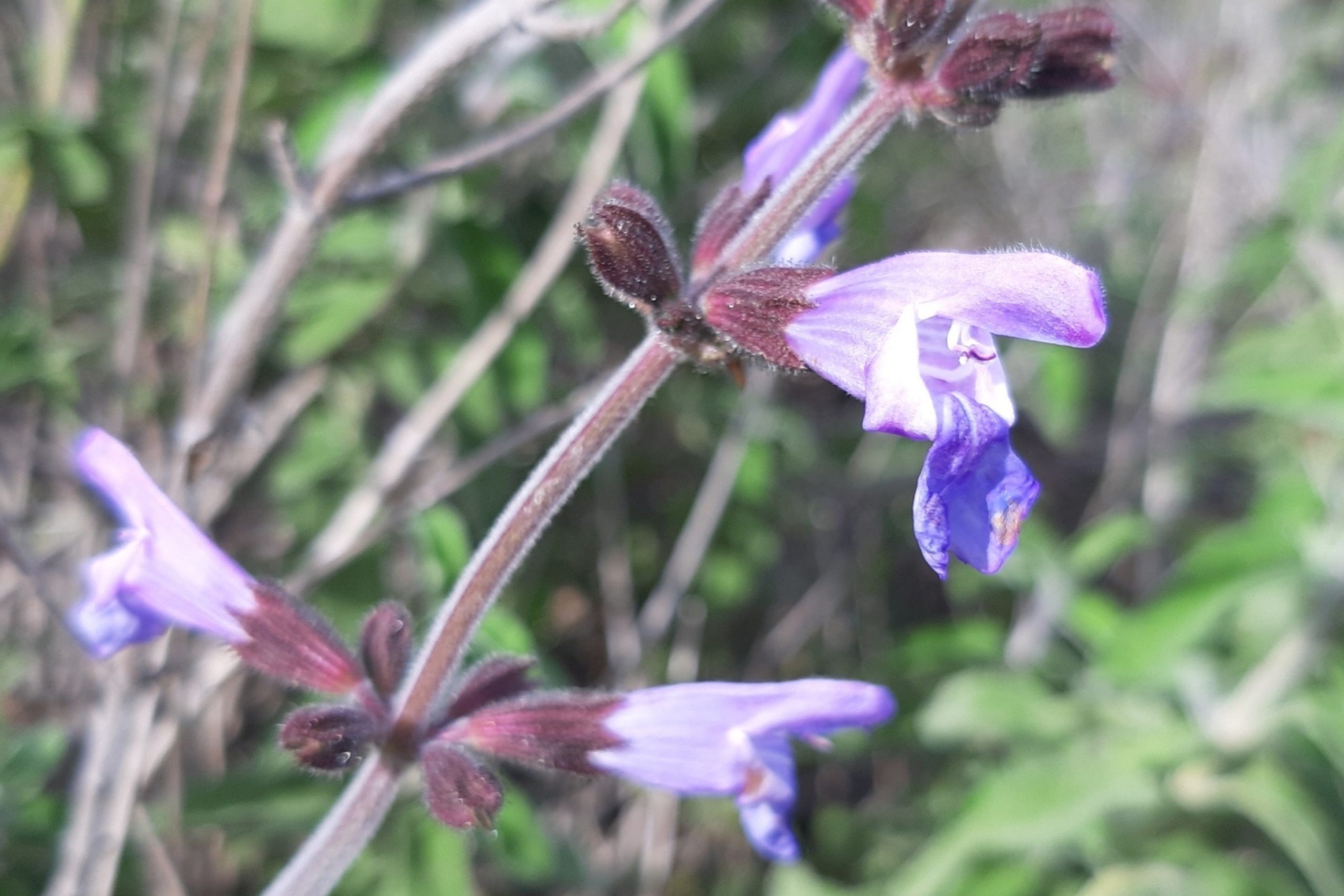
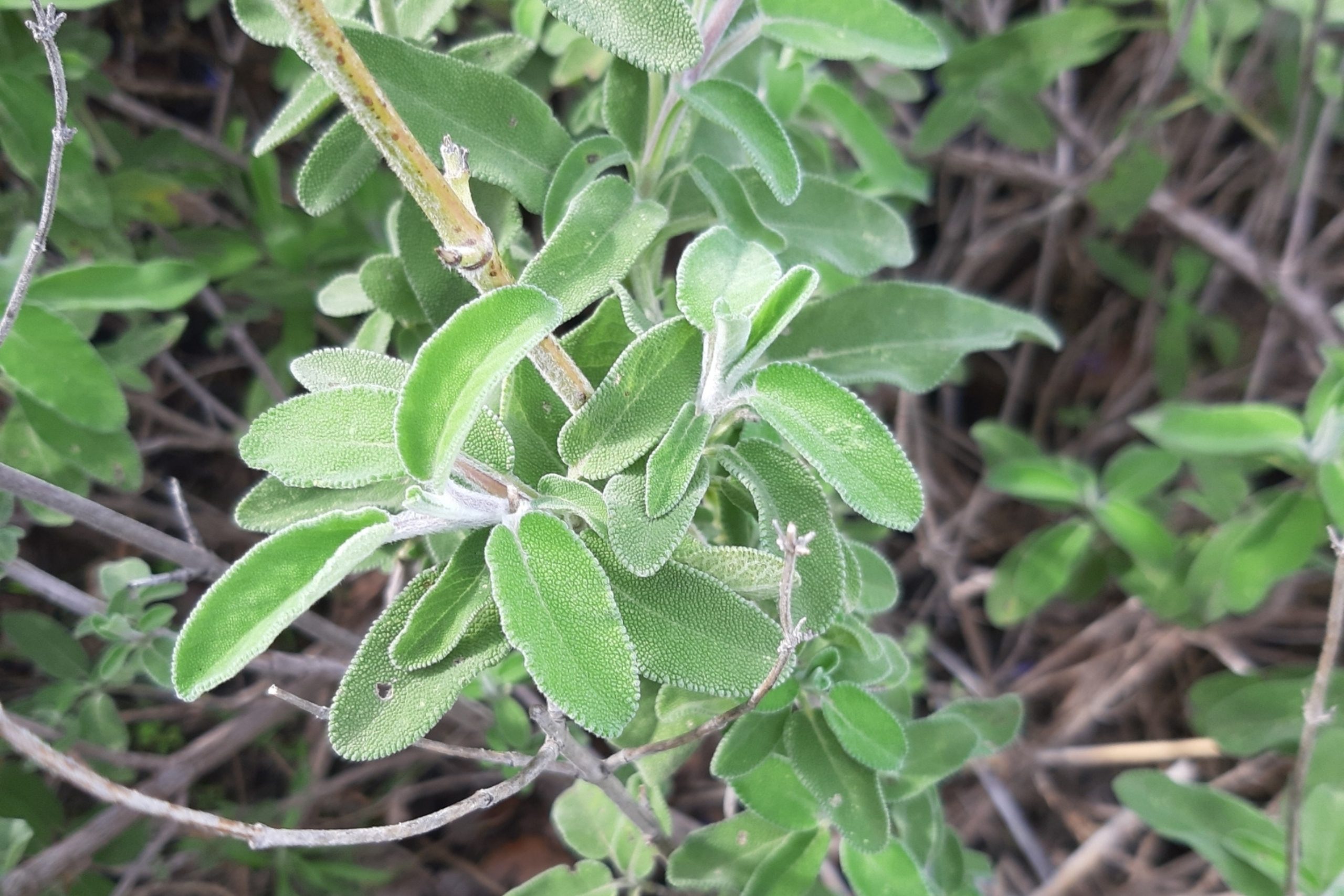
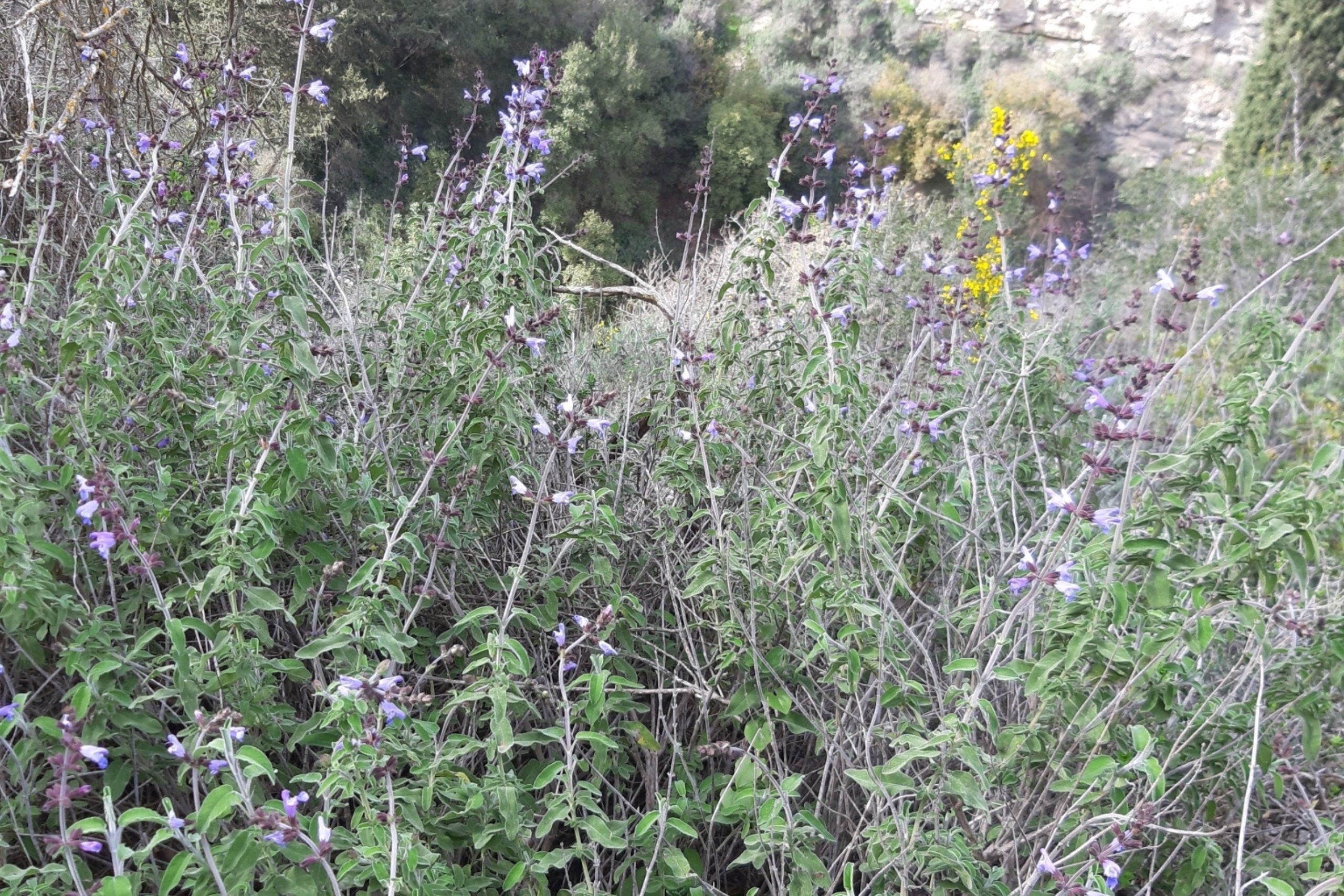
Wild sage in Cyprus typically grows as a low to medium shrub with fuzzy, silvery-green leaves that feel velvety to the touch. When crushed, they release a bold, earthy-camphor scent. In spring and early summer, they produce spikes of delicate pink, light blue or purple flowers that attract bees and butterflies, adding soft splashes of colour to the rugged terrain.

Delightful Discoveries

  • The strong aroma comes from compounds like rosmarinic acid and salvianolic acids, which give sage its powerful antioxidant and anti-inflammatory properties.
  • In traditional Cypriot medicine, sage tea has been used for centuries to soothe sore throats, aid digestion, and reduce sweating.
  • Bees love sage flowers, producing a light, aromatic honey highly prized by local beekeepers.
  • Ancient Romans believed burning sage purified homes, a practice that continues in some Cypriot villages today.
  • One species, Salvia veneris, is so rare it is found in only a handful of locations around Kythrea.
  • The leaves can be dried and stored for years, keeping their flavour better than many other herbs.

The Wild Sages of Cyprus

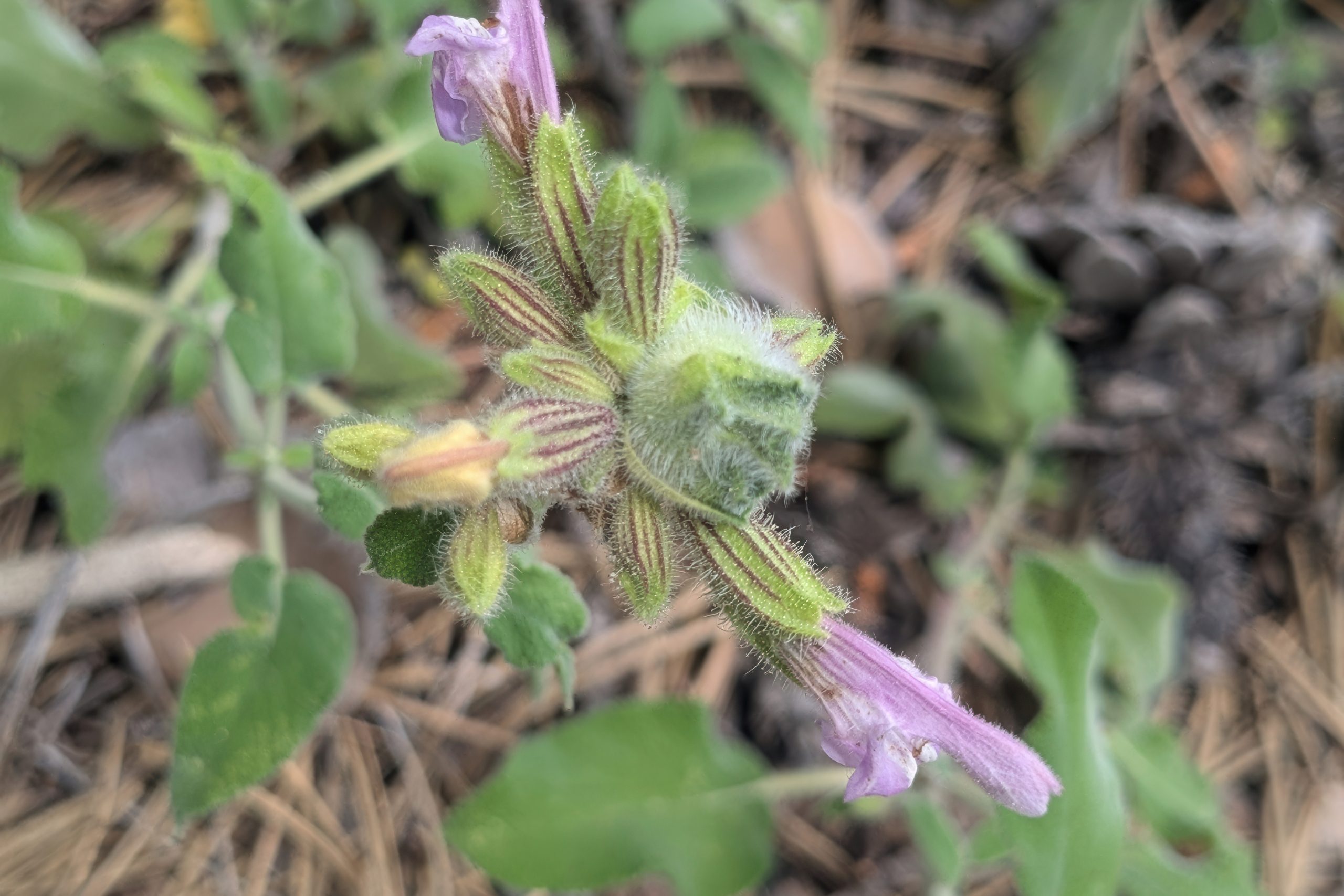
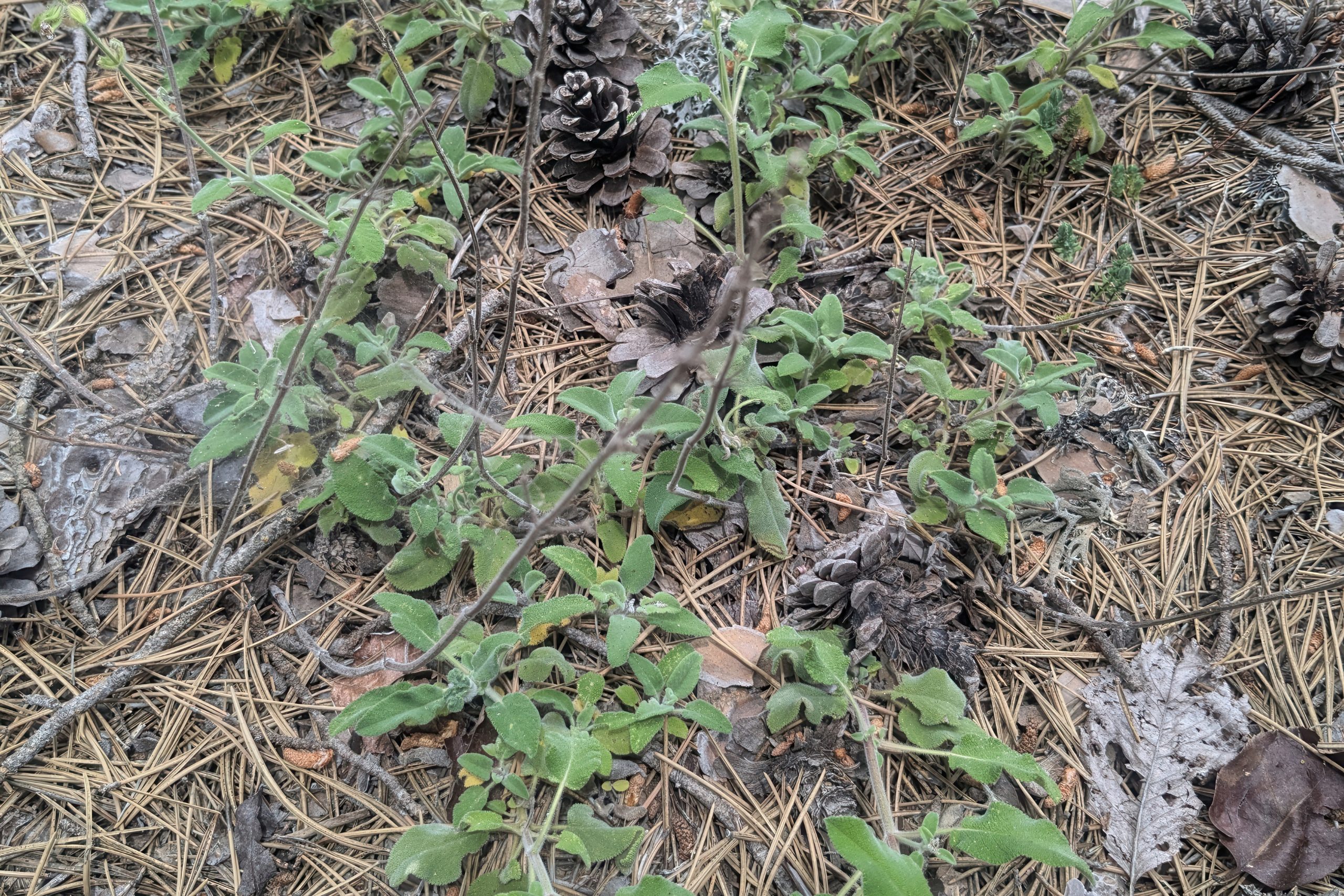
The most widespread wild sage is Salvia fruticosa (Greek Sage), locally known as φασκόμηλο (faskómilo). It is common across the island up to 1,550 m. Cyprus also boasts true endemics: Salvia willeana (Troodos Sage), found only at higher altitudes in the Troodos range, and Salvia veneris (Kythrean Sage), a narrow endemic restricted to a tiny area west of Kythrea village. The latter is listed as Vulnerable on the IUCN Red List due to its extremely limited distribution.
www.inaturalist.org

Living with Sage Today

In modern Cyprus, wild sage remains a kitchen and medicine cabinet staple. Its leaves flavour meats, cheeses, and herbal teas, while its essential oils are valued for their antimicrobial properties. As climate change and development threaten rare endemics like Salvia veneris, conservation efforts are increasingly important to protect these botanical treasures and the pollinators they support.
www.inaturalist.org

Finding Them in the Wild

You can encounter wild sage on hikes in the Troodos Mountains (for Salvia willeana) or along coastal paths and hillsides (for Salvia fruticosa). The rare Salvia veneris requires special permission and guided visits near Kythrea. Always admire from a distance, never pick protected species, and enjoy the warm, comforting scent that lingers on your fingers long after you leave.

A Living Legacy

Though modest in size, Cyprus’s wild sages represent a living link to our island’s ancient past and a testament to nature’s resilience. From the common faskómilo that seasons our tables to the rare endemics clinging to their rocky homes, these plants remind us why protecting Cyprus’s unique flora is essential for future generations – a green thread of wisdom, flavour, and wonder woven into the very soul of the island.

www.inaturalist.org

Discover more about the fascinating edges of Cyprus

Traditional Cypriot Teas, Oils, and Remedies

Traditional Cypriot Teas, Oils, and Remedies

Cyprus has preserved a rich tradition of natural healing that stretches back thousands of years. The island's unique position in the Mediterranean has made it a crossroads of herbal knowledge, where Greek, Roman, Byzantine, and Middle Eastern practices merged into a distinctive approach to wellness. Traditional Cypriot remedies center on three main categories: herbal teas, therapeutic oils, and natural syrups. These remedies were not luxury items but essential household staples, passed down through generations as grandmother's wisdom, and they remain relevant in contemporary Cypriot life. Historical Context The practice of herbal medicine in Cyprus dates back to ancient times. Local healers used frankincense, myrrh, olive oil, and bitter herbs to treat common ailments. Ancient Greek physician Hippocrates recognized the healing properties of many plants that grew wild on the island. During the Byzantine period, traditional medicine became firmly established, and families developed their own recipes for treating everything from colds to digestive problems. The island's climate and soil proved ideal for cultivating medicinal plants. Families would harvest herbs from their gardens or venture into the mountains to collect wild plants. Each village developed its own specialties based on what grew locally. This knowledge was carefully preserved, with mothers teaching daughters the proper times to harvest, how to dry herbs correctly, and which combinations worked best for specific ailments. Mountain Tea…

Read more
Cyprus Herbs

Cyprus Herbs

Herbs are the quiet architects of Cypriot cuisine. Oregano, thyme, bay leaves, coriander, and mint appear so regularly in everyday cooking that they are rarely discussed, yet they shape how Cyprus tastes more than any single dish. Growing on rocky hillsides, in village gardens, and in shaded courtyards, these aromatic plants link the island’s landscape to its kitchens and its past to its present. This article explores why herbs thrive in Cyprus, how they are cultivated and used, and why they remain central to the island’s culinary identity. Flavour That Grew from the Land Cypriot cooking did not develop around imported spices or elaborate seasoning systems. Instead, it emerged from what the land could reliably provide. The island’s dry summers, mineral-rich soils, and intense sunlight favour hardy aromatic plants that respond to environmental stress by producing concentrated essential oils. Herbs became indispensable not because they were fashionable, but because they were dependable. A small amount of dried oregano or thyme could transform basic ingredients such as potatoes, legumes, or grilled meat into something unmistakably Cypriot. Over generations, this reliance shaped a cuisine in which herbs are structural rather than decorative, forming the backbone of flavour rather than a final flourish. Why Cyprus Produces Such Potent Herbs The intensity of Cypriot herbs is closely tied to geography. Much of the island…

Read more
Whispers of the Wild Marathos

Whispers of the Wild Marathos

Imagine wandering through the sun-drenched hills of Cyprus, where a tall, feathery plant sways gently in the breeze, releasing a sweet, licorice-like aroma that hints at ancient secrets. This is wild fennel, a humble herb that has flavored Cypriot life for millennia, blending culinary delight with healing wisdom. But what tales does this unassuming plant hold, and why does it thrive so vibrantly on this island paradise? A Fragrant Member of the Carrot Clan Wild fennel, known scientifically as Foeniculum vulgare, belongs to the Apiaceae family – a vast group that includes everyday favorites like carrots, parsley, and dill. This broader taxonomy places it among plants celebrated for their aromatic seeds and leaves, which have sustained Mediterranean communities for generations. In its simplest form, it's a perennial herb that pops up in unexpected places, offering both beauty and utility without demanding much in return. From Ancient Myths to Island Shores The story of wild fennel stretches back to the dawn of Mediterranean civilization, intertwined with human history and mythology. In ancient Greece, it was so abundant on the plain of Marathon – where a legendary battle unfolded in 490 BC – that the site was named after the plant itself; "marathos" in Greek means fennel, evoking images of vast fields swaying like a green sea. Greek scholars like Pliny the…

Read more