Herbs are the quiet architects of Cypriot cuisine. Oregano, thyme, bay leaves, coriander, and mint appear so regularly in everyday cooking that they are rarely discussed, yet they shape how Cyprus tastes more than any single dish. Growing on rocky hillsides, in village gardens, and in shaded courtyards, these aromatic plants link the island’s landscape to its kitchens and its past to its present. This article explores why herbs thrive in Cyprus, how they are cultivated and used, and why they remain central to the island’s culinary identity.
- Flavour That Grew from the Land
- Why Cyprus Produces Such Potent Herbs
- Oregano and Thyme: The Hillside Foundations
- Bay Leaves: Depth and Restraint
- Coriander: Two Flavours, One Plant
- Mint: The Cooling Counterbalance
- The Home Garden as a Cultural Space
- Drying, Storing, and Using Herbs
- More Than Flavour: Herbs as Identity
- Why Cypriot Herbs Still Matter
Flavour That Grew from the Land
Cypriot cooking did not develop around imported spices or elaborate seasoning systems. Instead, it emerged from what the land could reliably provide. The island’s dry summers, mineral-rich soils, and intense sunlight favour hardy aromatic plants that respond to environmental stress by producing concentrated essential oils.
Herbs became indispensable not because they were fashionable, but because they were dependable. A small amount of dried oregano or thyme could transform basic ingredients such as potatoes, legumes, or grilled meat into something unmistakably Cypriot. Over generations, this reliance shaped a cuisine in which herbs are structural rather than decorative, forming the backbone of flavour rather than a final flourish.
Why Cyprus Produces Such Potent Herbs
The intensity of Cypriot herbs is closely tied to geography. Much of the island is covered in limestone and rocky soils that drain quickly and provide limited nutrients. Rather than weakening plants, these harsh conditions encourage aromatic species to concentrate their oils, intensifying both flavour and fragrance.
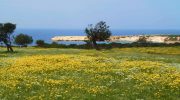
Wild herbs dominate landscapes known as phrygana and maquis, where low shrubs grow under full sun with minimal water. Cultivated herbs, by contrast, are typically grown in home gardens, where walls, courtyards, and rainwater runoff create protected microclimates that support more delicate species.

This has led to a clear distinction in local thinking. Wild herbs are valued for their strength and medicinal potency, while garden herbs are prized for freshness and balance. Both are used deliberately, depending on the dish and the desired effect.
Oregano and Thyme: The Hillside Foundations
Oregano and thyme form the backbone of Cypriot seasoning. Thriving in exposed, rocky terrain, these plants require little intervention once established and are often harvested from the wild.
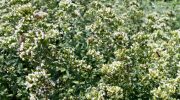
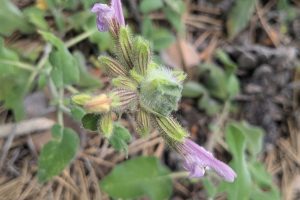
Oregano, known locally as rigani or throumbi (referring to Origanum dubium), grows freely on hillsides and is traditionally collected just as it begins to flower, when its oil content is highest. Drying deepens its peppery intensity, which is why dried oregano is preferred for grilling, roasting, and simple salads dressed with olive oil and lemon.

Thyme, or thymari (Thymus capitatus), grows low to the ground with small leaves that conserve moisture. Its aroma is sharper and more resinous than oregano, making it ideal for slow-cooked dishes, bread, and legumes. Wild thyme is also a major nectar source for Cypriot honey, subtly linking herb cultivation to other food traditions and rural livelihoods. Together, oregano and thyme form the savoury core of the island’s flavour profile.
Bay Leaves: Depth and Restraint
Bay laurel occupies a different role in Cypriot kitchens. Unlike oregano and thyme, bay is used sparingly and with restraint, added whole to stews and removed before serving.

Bay trees grow well in gardens and courtyards, where they can be shaped into shrubs for easy harvesting. Their thick, leathery leaves release flavour slowly during cooking, adding depth rather than a dominant aroma. This quality makes bay ideal for slow-baked meats, tomato-based stews, and dishes cooked in clay ovens.
Bay’s quiet presence reflects a broader Cypriot cooking principle: flavour should be layered rather than overwhelming, with each ingredient contributing without overpowering the whole.
Coriander: Two Flavours, One Plant
Coriander holds a distinctive place in Cypriot food culture because it offers two different seasonings from the same plant. Fresh coriander leaves appear in salads, kebab garnishes, and breads, while the dried seeds define many traditional recipes.
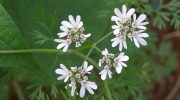
Coriander seeds are harvested once the plant has fully matured and dried, then cracked or crushed just before use to release their citrusy aroma. They are essential in dishes such as wine-marinated potatoes and preserved meats, where acidity, oil, and spice combine. This dual use reflects an older culinary logic in which herbs also served as natural preservatives long before refrigeration became common.
Mint: The Cooling Counterbalance
Mint, or diosmos, provides contrast in Cypriot cooking. Where oregano and thyme are warming and robust, mint introduces freshness and cooling intensity.

Unlike most Mediterranean herbs, mint requires moisture and partial shade. Traditionally, it was grown near village fountains, wells, or water jars, where constant dampness encouraged growth. Because mint spreads aggressively, it was often contained deliberately, planted where its abundance could be managed.
Mint appears fresh in salads, dips, and summer dishes, and dried in meatballs and stuffed vegetables. Its role is not subtle. It balances heat, richness, and acidity, offering relief in a cuisine shaped by long, hot summers.
The Home Garden as a Cultural Space
Herbs in Cyprus are closely tied to the home garden, or perivoli. These spaces are not ornamental but practical and productive, often hidden behind walls and gates. Herbs are planted close to kitchens for immediate access, with pots of mint, oregano, or bay leaves placed near doorways or under shaded arcades.

Harvesting is done in small amounts, guided by familiarity rather than measurement. Knowledge of when to cut, how much to take, and how to dry herbs is passed informally through observation and daily practice. This quiet transmission of expertise keeps herbal traditions alive without written instruction, embedding them in routine rather than formal teaching.
Drying, Storing, and Using Herbs
Drying remains the primary method of preserving herbs in Cyprus. Bundles of oregano and thyme are hung in shaded, airy places, where heat and airflow slowly concentrate their aroma, while tender herbs such as mint are spread out to dry quickly and avoid spoilage.
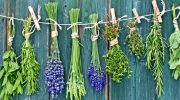
Once dried, herbs are stored whole and crushed only when needed, a practice that preserves flavour and reflects a careful respect for ingredients grown by hand. In cooking, herbs are rarely combined in excess. Each has a defined role, chosen to complement rather than compete, reflecting a culinary philosophy built on balance and restraint.
More Than Flavour: Herbs as Identity
In Cyprus, herbs are not confined to the kitchen. They appear in home remedies, religious traditions, and social rituals, moving easily between practical use and symbolic meaning. Mint tea is offered for digestion, oregano infusions for colds, and thyme for general wellness, linking culinary habits with folk medicine.
Sharing herbs, whether fresh or dried, remains a common gesture in villages. A small bundle passed across a fence or handed to a neighbour carries meaning beyond its size, signalling care, continuity, and connection to place. These gestures turn ordinary plants into social connectors and cultural markers.
Why Cypriot Herbs Still Matter
In a globalised food culture where ingredients travel thousands of kilometres, Cyprus’s reliance on local herbs feels increasingly intentional. These plants suit the climate, support health, and anchor cuisine firmly to the land. Oregano, thyme, bay, coriander, and mint are not relics of the past. They continue to define everyday meals because they are practical, resilient, and deeply familiar.
Through herbs, Cyprus maintains a culinary identity shaped not by excess, but by attention, restraint, and an intimate knowledge of the landscape. To understand Cypriot food, one must start not with recipes, but with herbs growing quietly in the sun, shaping flavour, memory, and daily life in ways that are subtle yet enduring.