Imagine wandering through the sun-drenched hills of Cyprus, where a tall, feathery plant sways gently in the breeze, releasing a sweet, licorice-like aroma that hints at ancient secrets. This is wild fennel, a humble herb that has flavored Cypriot life for millennia, blending culinary delight with healing wisdom. But what tales does this unassuming plant hold, and why does it thrive so vibrantly on this island paradise?
A Fragrant Member of the Carrot Clan
Wild fennel, known scientifically as Foeniculum vulgare, belongs to the Apiaceae family – a vast group that includes everyday favorites like carrots, parsley, and dill. This broader taxonomy places it among plants celebrated for their aromatic seeds and leaves, which have sustained Mediterranean communities for generations. In its simplest form, it’s a perennial herb that pops up in unexpected places, offering both beauty and utility without demanding much in return.
From Ancient Myths to Island Shores
The story of wild fennel stretches back to the dawn of Mediterranean civilization, intertwined with human history and mythology. In ancient Greece, it was so abundant on the plain of Marathon – where a legendary battle unfolded in 490 BC – that the site was named after the plant itself; “marathos” in Greek means fennel, evoking images of vast fields swaying like a green sea. Greek scholars like Pliny the Elder praised its virtues, listing over 20 medicinal uses, while myths tell of Prometheus hiding stolen fire from the gods in a hollow fennel stalk. On Cyprus, this herb likely arrived with early settlers around 6000 BC, flourishing in the island’s diverse soils from coastal plains to mountainous interiors. Over centuries, as Phoenicians, Romans, and Ottomans shaped the land, fennel adapted, becoming a staple in local folklore and remedies, its seeds traded along ancient routes that connected Cyprus to the wider world.
The Elegant Stalker of Sunny Slopes
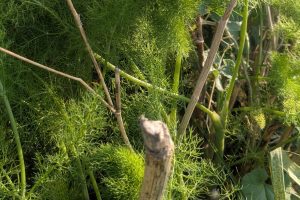
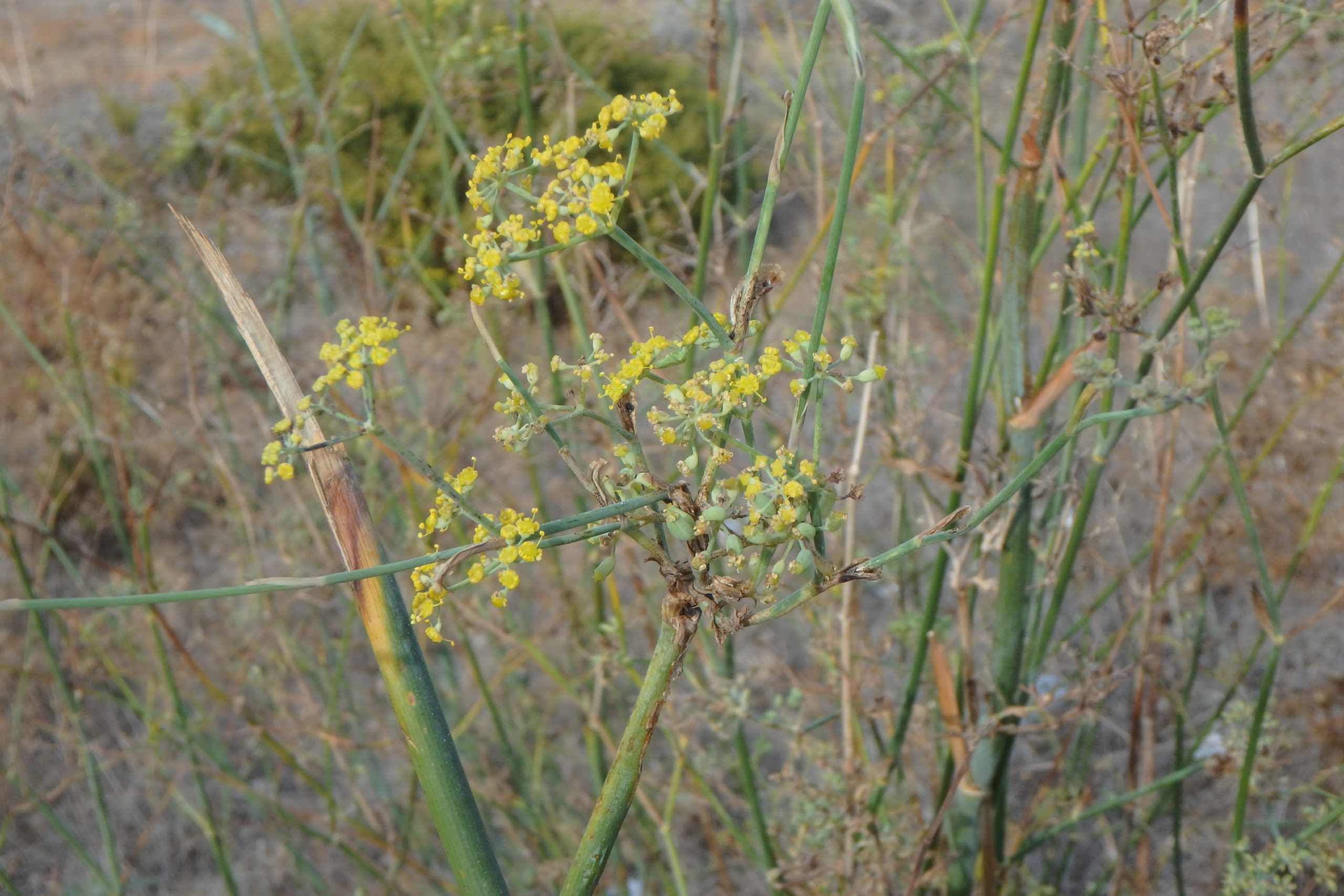
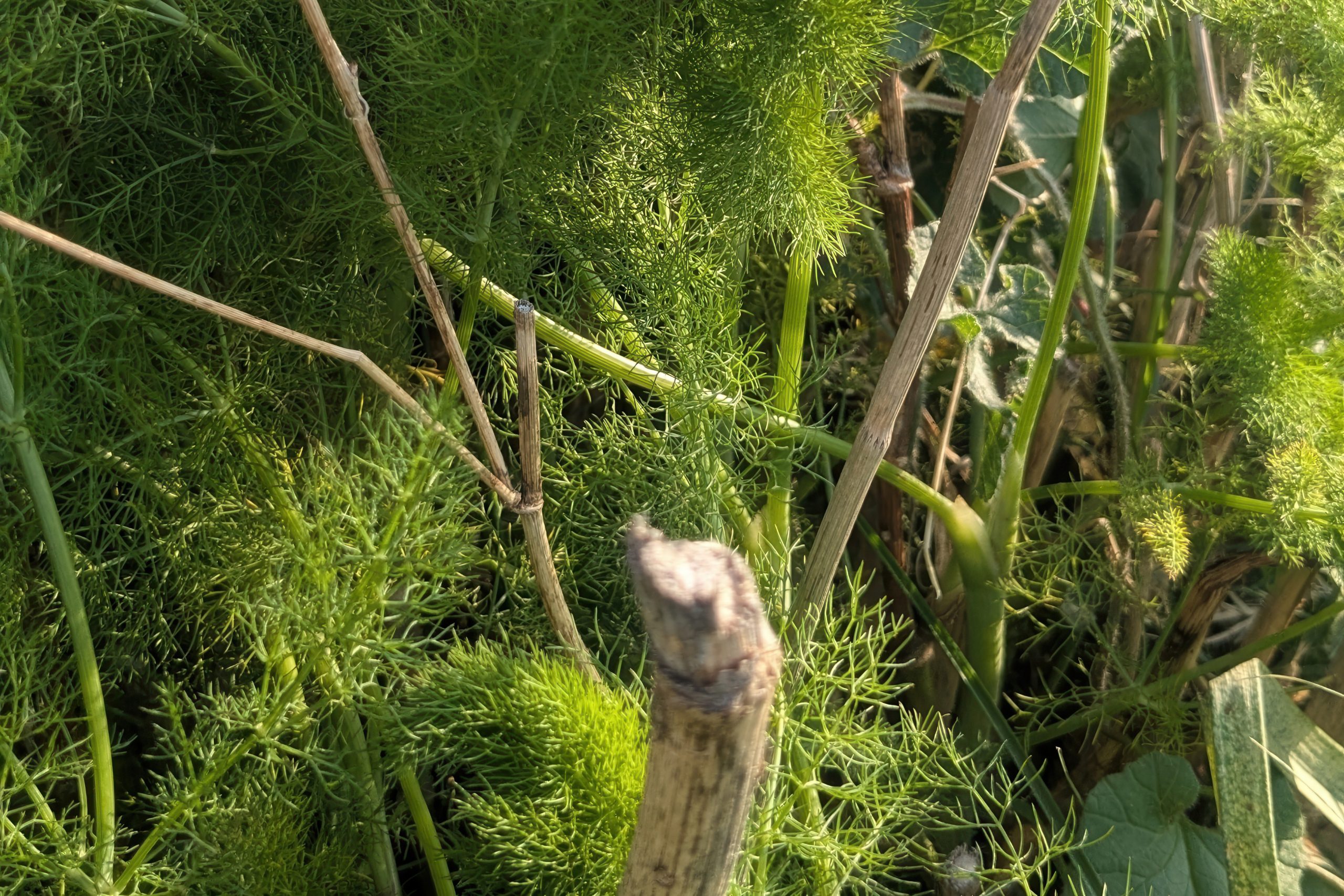
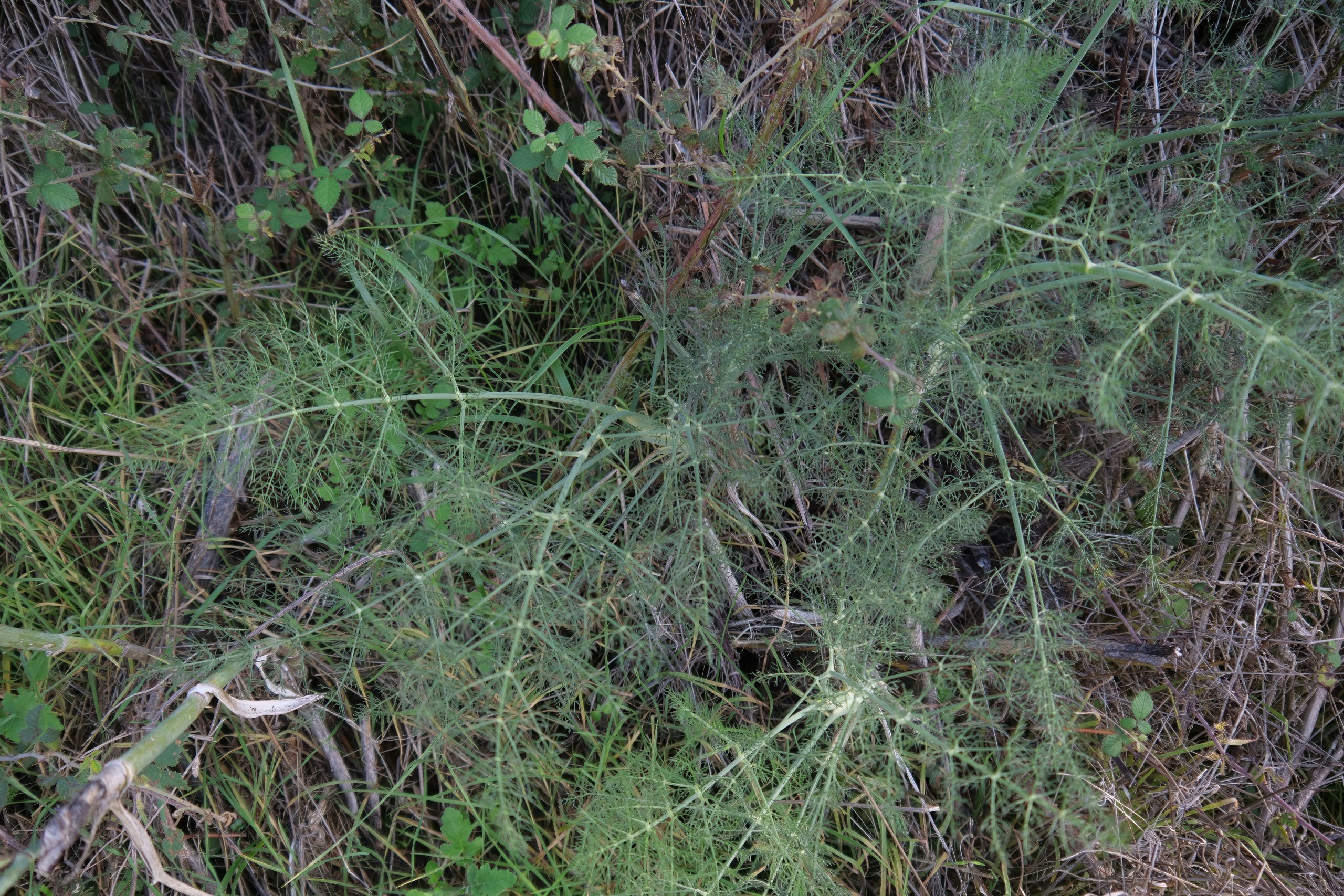
What makes wild fennel stand out is its graceful, almost ethereal appearance. Growing up to two meters tall, it boasts slender, hollow stems that branch out like an artist’s brushstrokes, topped with vibrant yellow umbrella-shaped flower clusters that buzz with pollinators in summer. Its leaves are finely divided, resembling delicate green threads, and when crushed, they release an anise-scented oil that’s instantly recognizable. Symbolically, it represents courage – ancient warriors sipped fennel tea before battle – and its resilience mirrors Cyprus’ own rugged landscapes, thriving in dry, rocky soils where other plants might falter. This adaptability is key to its uniqueness, allowing it to colonize disturbed areas like roadsides and abandoned fields.
Surprising Secrets of the Scented Stalk
• Did you know that wild fennel’s seeds are the hidden stars of Indian “mukhwas,” a colorful mouth freshener chewed after meals to aid digestion?
• Or that its essential oil, rich in anethole, flavors absinthe and gives Scandinavian aquavit its distinctive kick?
• Here’s a fun twist: in medieval Europe, fennel was hung over doors to ward off witches, while in Cyprus, locals once believed it could soothe snakebites – a nod to its ancient role as a protector.
• And surprisingly, this plant’s pollen is a gourmet delicacy in some cultures, harvested like tiny golden grains for sprinkling on dishes.
Healing Essences and Botanical Wonders
Delving deeper, wild fennel’s botanical treasures include compounds like anethole and fenchone, which give it mild antiseptic and digestive properties. In traditional Cypriot practices, it’s brewed into teas for soothing stomach woes or easing coughs, echoing uses documented in ancient texts like those of Dioscorides. Mythologically, it’s linked to Dionysus, the god of wine, perhaps inspiring its role in flavoring spirits. While not endangered – classified as Least Concern by the IUCN – its widespread presence in Cyprus highlights the island’s rich biodiversity, where it shares habitats with endemic species like the Cyprus bee orchid.
A Modern Ally in Cypriot Kitchens and Culture
Today, wild fennel remains a vibrant thread in Cyprus’ cultural tapestry, woven into everyday life. In modern Cypriot cuisine, its seeds spice halloumi cheese or loukaniko sausages, while fresh fronds garnish salads and fish dishes, adding a fresh, anise twist that defines the island’s flavors. It’s viewed as a natural remedy for common ailments like indigestion or bloating, fitting seamlessly into wellness trends that celebrate Mediterranean diets. In a changing climate, its drought tolerance makes it a symbol of resilience, supporting local biodiversity and even appearing in eco-tourism initiatives that promote sustainable foraging. For Cypriots, it embodies a connection to nature, reminding them of simpler times when herbs like this sustained health and heritage.
Spotting the Scented Sentinel
To experience wild fennel, venture to Cyprus’ countryside in spring or summer – think the Akamas Peninsula’s trails or the Troodos Mountains’ meadows, where it dots the landscape like sunny sentinels. Pick a leaf gently (with permission on public lands) and inhale its invigorating scent; it feels refreshing, almost invigorating, like a whisper from the earth. Join a guided herb walk or visit botanical gardens in Limassol for a hands-on encounter, but always forage responsibly to preserve its habitats.
Cyprus’ Aromatic Ambassador
Wild fennel is worth knowing because it encapsulates Cyprus’ essence – a blend of ancient wisdom, natural bounty, and enduring spirit. As a bridge between the island’s wild heart and human ingenuity, it invites us to appreciate how such simple plants enrich our lives, fostering a deeper respect for Cyprus’ fragile ecosystems and the timeless gifts they offer. In every swaying stalk, there’s a story of survival and savor, urging us to cherish this Mediterranean gem.