Beneath Cyprus’s sunny beaches and pine-covered mountains lie layers of ancient civilizations waiting to be discovered. From 9,000-year-old Neolithic villages to Roman theaters still hosting performances, the island’s archaeological sites tell the story of humanity’s journey from Stone Age farmers to cosmopolitan Mediterranean traders – and remarkably, you can walk through most of them today.
culture.gouv_fr
A Living Museum Beneath Your Feet
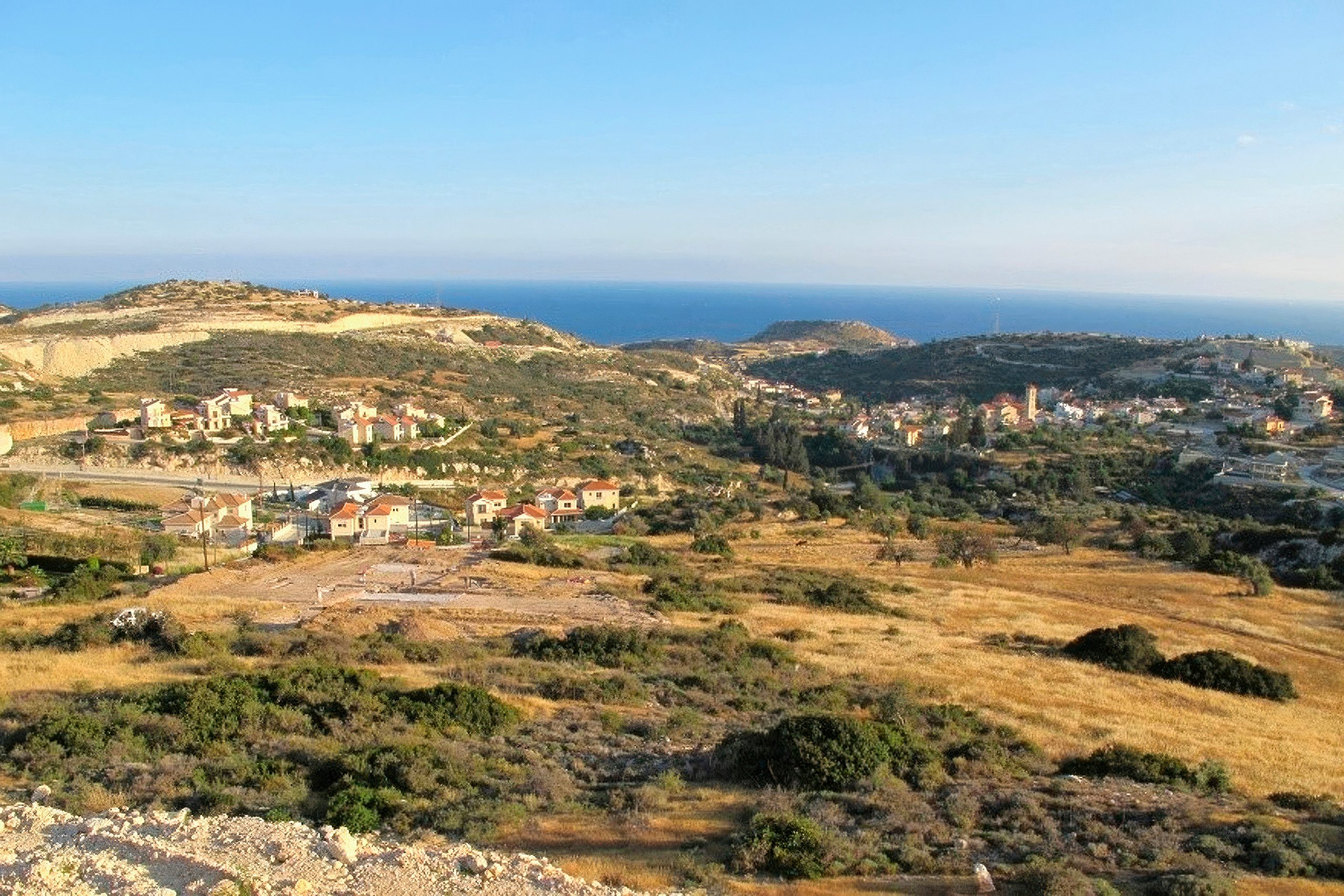
Cyprus is essentially one enormous archaeological site. Everywhere you turn – in downtown Larnaca, on clifftops overlooking the sea, hidden in mountain valleys – you’ll find excavated ruins that reveal thousands of years of continuous human habitation. These aren’t just piles of old stones; they’re remarkably well-preserved windows into how people lived, worshipped, fought, and thrived across millennia.
What makes Cyprus’s archaeological landscape special is its completeness. You can trace the entire arc of Mediterranean civilization here: from Neolithic round-house villages to Bronze Age fortresses, from Phoenician temples to Greek theaters, from Roman bath complexes to early Christian basilicas. Each era built upon the last, creating stratified sites where one civilization’s ruins literally rest atop another’s foundations.
From Stone Age Settlements to Classical Cities
Cyprus’s archaeological story begins over 11,000 years ago when the first humans arrived and found an island inhabited by pygmy hippos and dwarf elephants. By the 7th millennium BC, Neolithic farmers had established permanent villages like Choirokoitia (Khirokitia) on the southern coast. This fortified settlement with its organized layout of circular stone-and-mudbrick houses surrounded by defensive walls represents one of the Mediterranean’s earliest planned communities.
Nearby Kalavasos-Tenta was another important Neolithic village, occupied from around 7000 BC and expanding through the Chalcolithic (Copper Age) period. What makes Tenta remarkable is its substantial enclosure wall and surrounding ditch built in the 6th millennium BC – unusual defensive works suggesting a large, well-organized community that felt the need for protection.
As centuries passed, Cyprus’s rich copper deposits made it a crossroads of the ancient Mediterranean. By the Late Bronze Age (1600-1100 BC), Mycenaean Greeks and other Aegean peoples arrived via trade networks. Around 1200 BC, Mycenaean colonists built Maa-Palaiokastro on a narrow peninsula near modern Coral Bay, constructing massive Cyclopean walls and megaron-style houses typical of Greek architecture.
The Bronze Age also saw settlements like Sotira-Kaminoudhia develop into manufacturing hubs with copper-smelting furnaces, fortifications, and far-reaching trade connections. By the 1st millennium BC, Cyprus had evolved into ten city-kingdoms under Greek, Phoenician, or mixed rule – independent states that built temples, theaters, palaces, and harbors that still impress today.
Windows Into Ancient Worlds
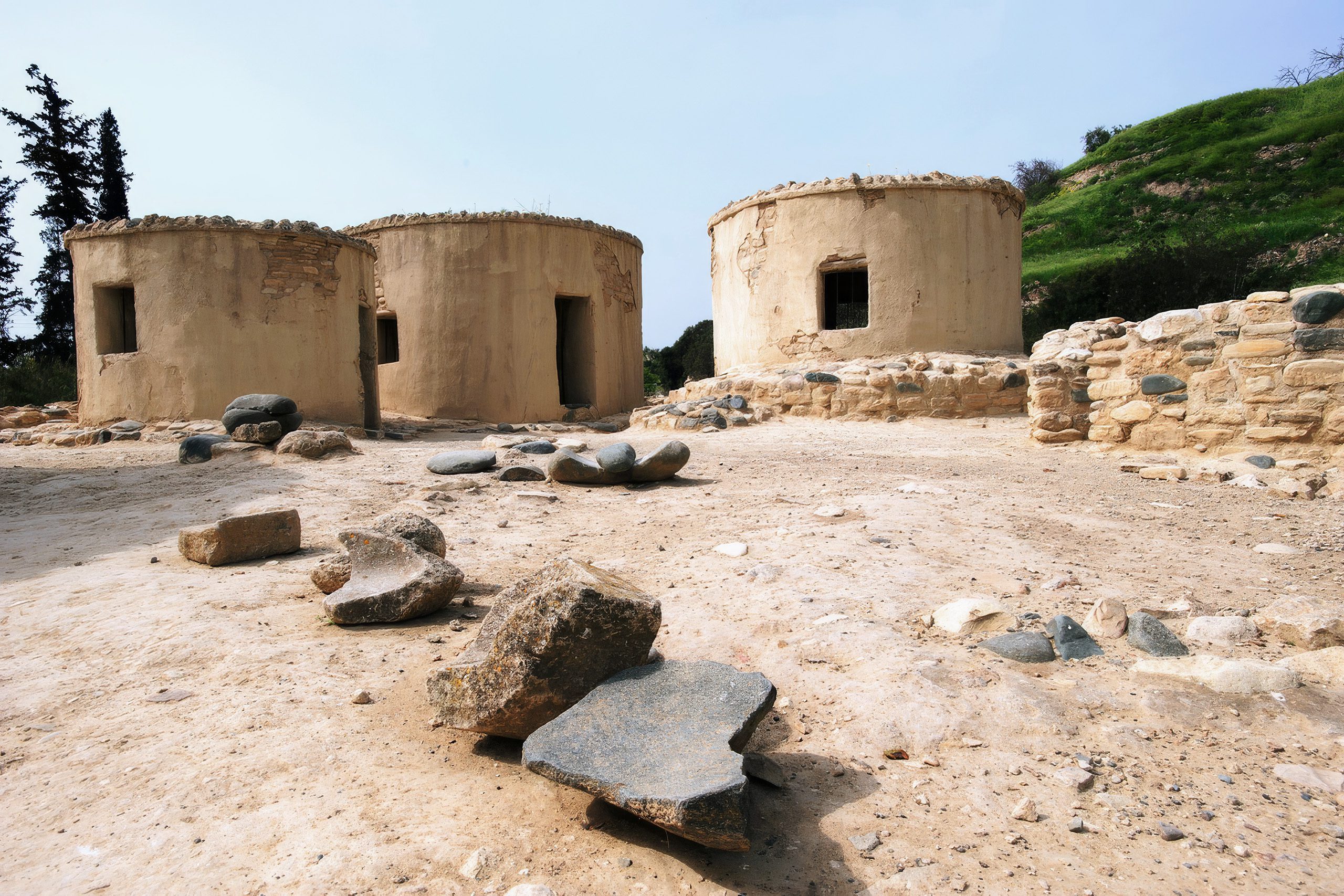
Choirokoitia (Khirokitia) offers the most complete picture of Neolithic life anywhere in the eastern Mediterranean. The circular houses – each about 2-5 meters in diameter with flat roofs and interior hearths – were arranged in tight clusters around shared courtyards. Families buried their dead beneath house floors, literally living above their ancestors in a practice suggesting powerful family bonds and ancestor veneration. The entire 6-hectare settlement was surrounded by a stone perimeter wall, and archaeologists emphasize that the layout shows collective planning and tight social organization. Today, five reconstructed round houses with replica furnishings stand alongside the excavated ruins, letting visitors step inside and experience Neolithic domestic life. This exceptional preservation earned Choirokoitia UNESCO World Heritage status in 1998.
mycyprustravel.com1
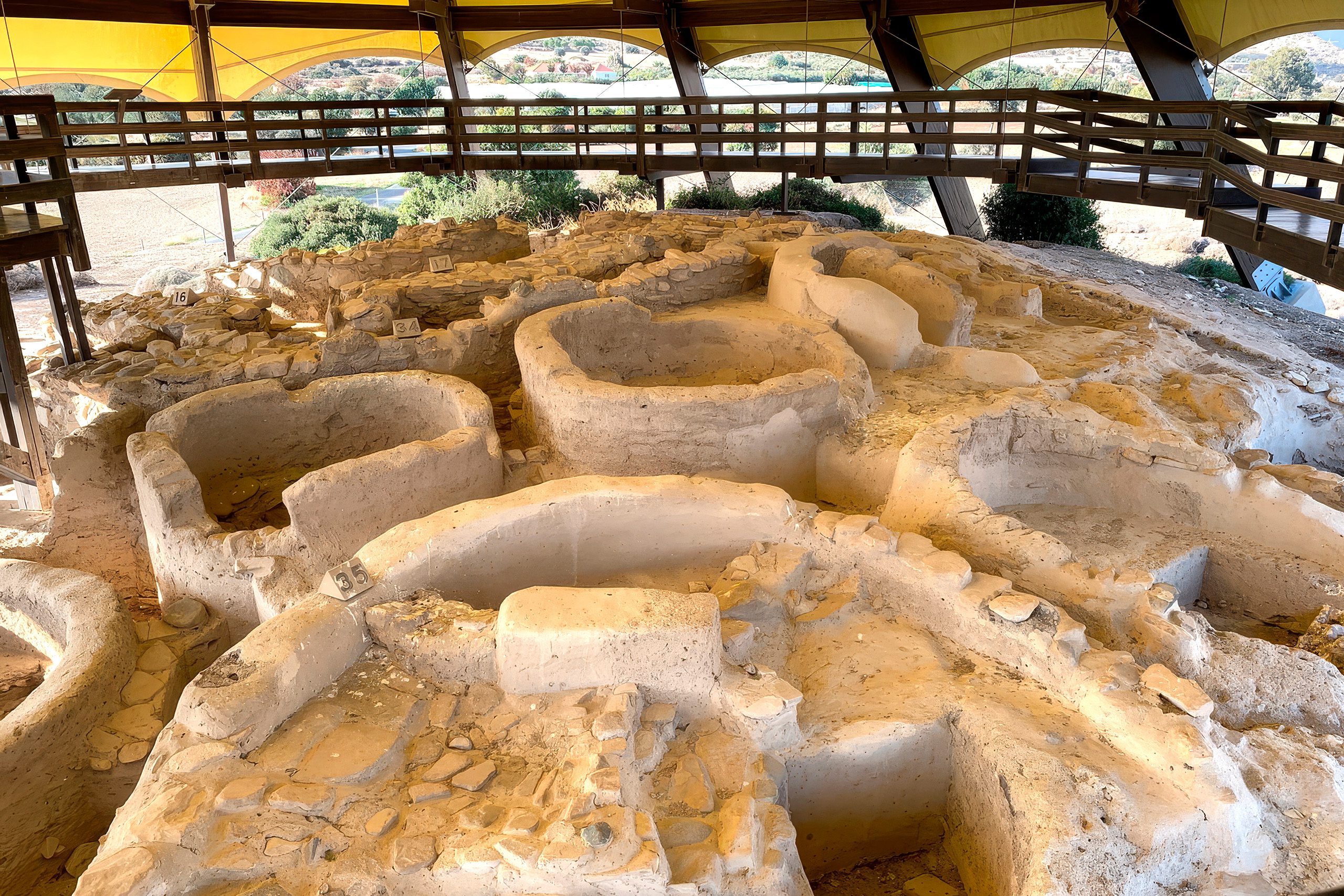
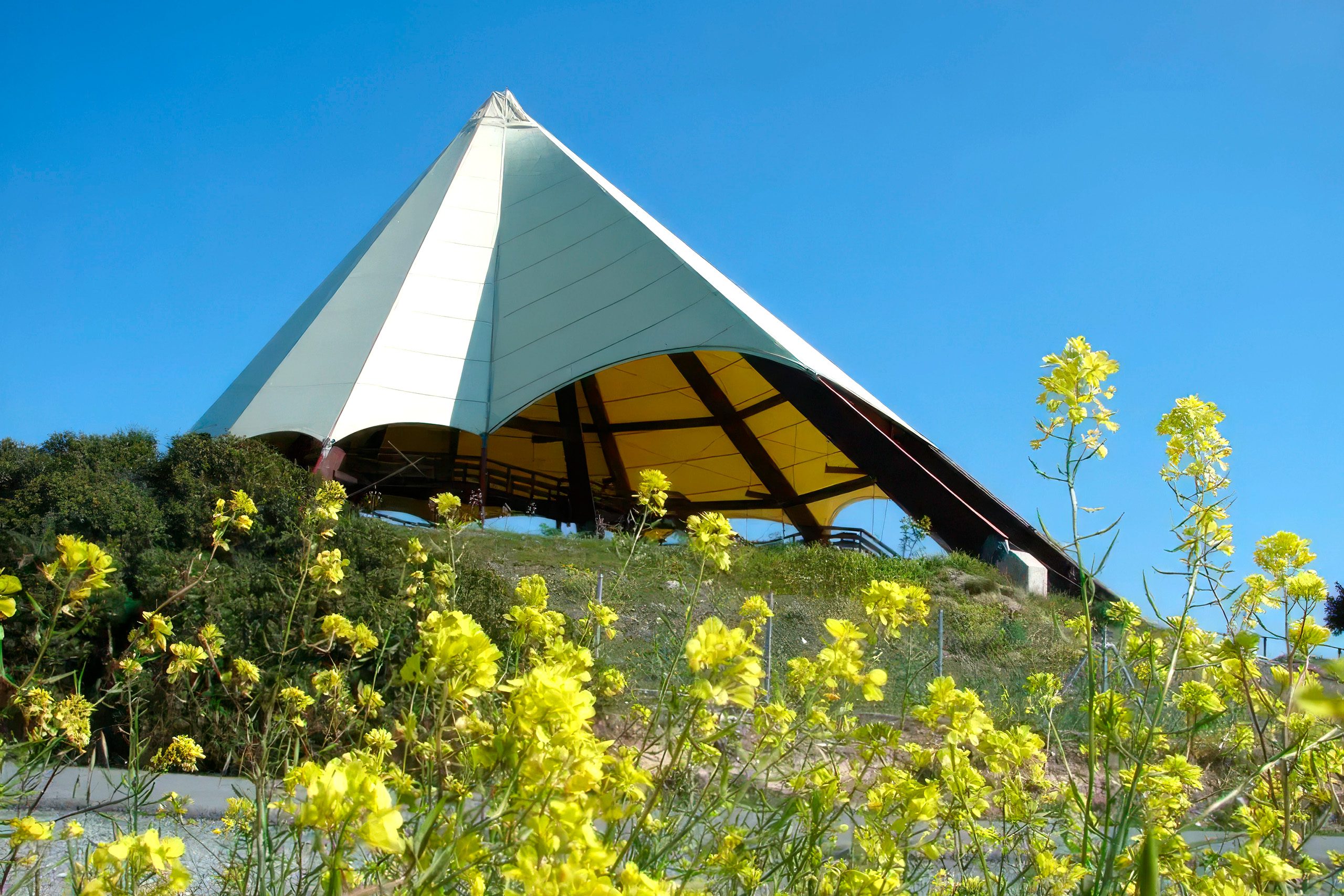
Kalavasos-Tenta shares Choirokoitia’s circular architecture but adds the intriguing element of substantial defensive works – an enclosure wall and ditch unusual for Neolithic Cyprus. The site now sits under a distinctive modern cone-shaped roof that protects the ruins while creating a striking landmark visible from the highway. Local tradition amusingly attributes the site’s name to St. Helen’s tent during a 4th-century AD visit, but archaeology dates it millennia earlier.
www.tripadvisor.de
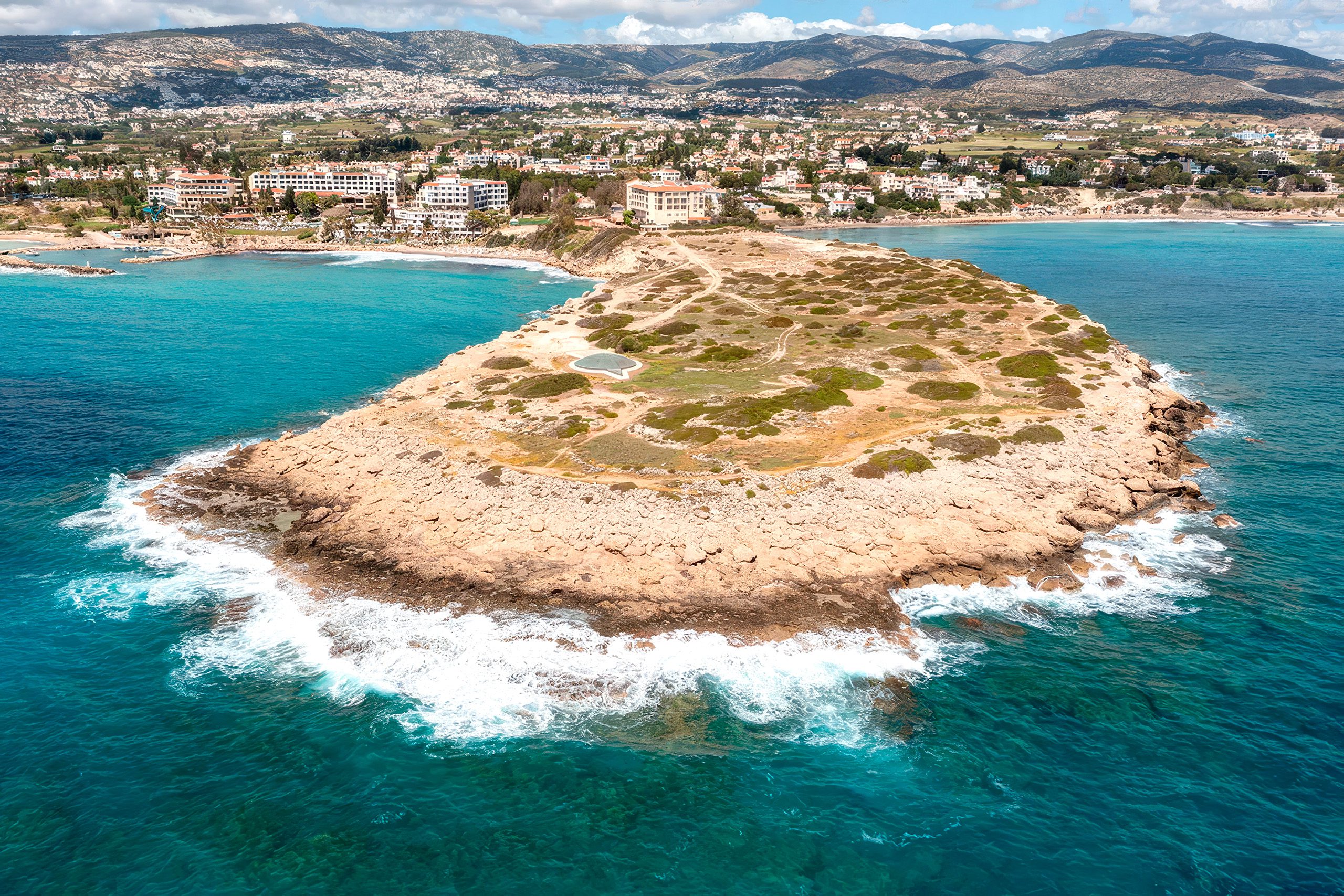
Maa-Palaiokastro tells a more dramatic story – a Bronze Age fortress built by Mycenaean Greeks fleeing the collapse of their mainland kingdoms around 1200 BC. They fortified the narrow land bridge to their coastal headland with an enormous rubble wall about 3.5 meters thick, built megaron-style houses with central hearths, and stored supplies in huge pottery jars. The commanding sea views and fresh water made it strategically ideal.
But Maa’s life was brutally short. After only about 25 years, the settlement was violently destroyed – possibly by the mysterious “Sea Peoples” who ravaged the Mediterranean during this period. Today the name Palaiokastro (meaning “old fortress”) still describes the dramatic wall fragments that remain.
akamas.org_cy
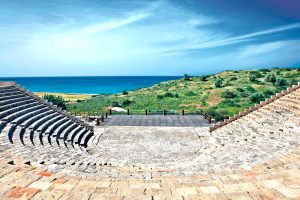
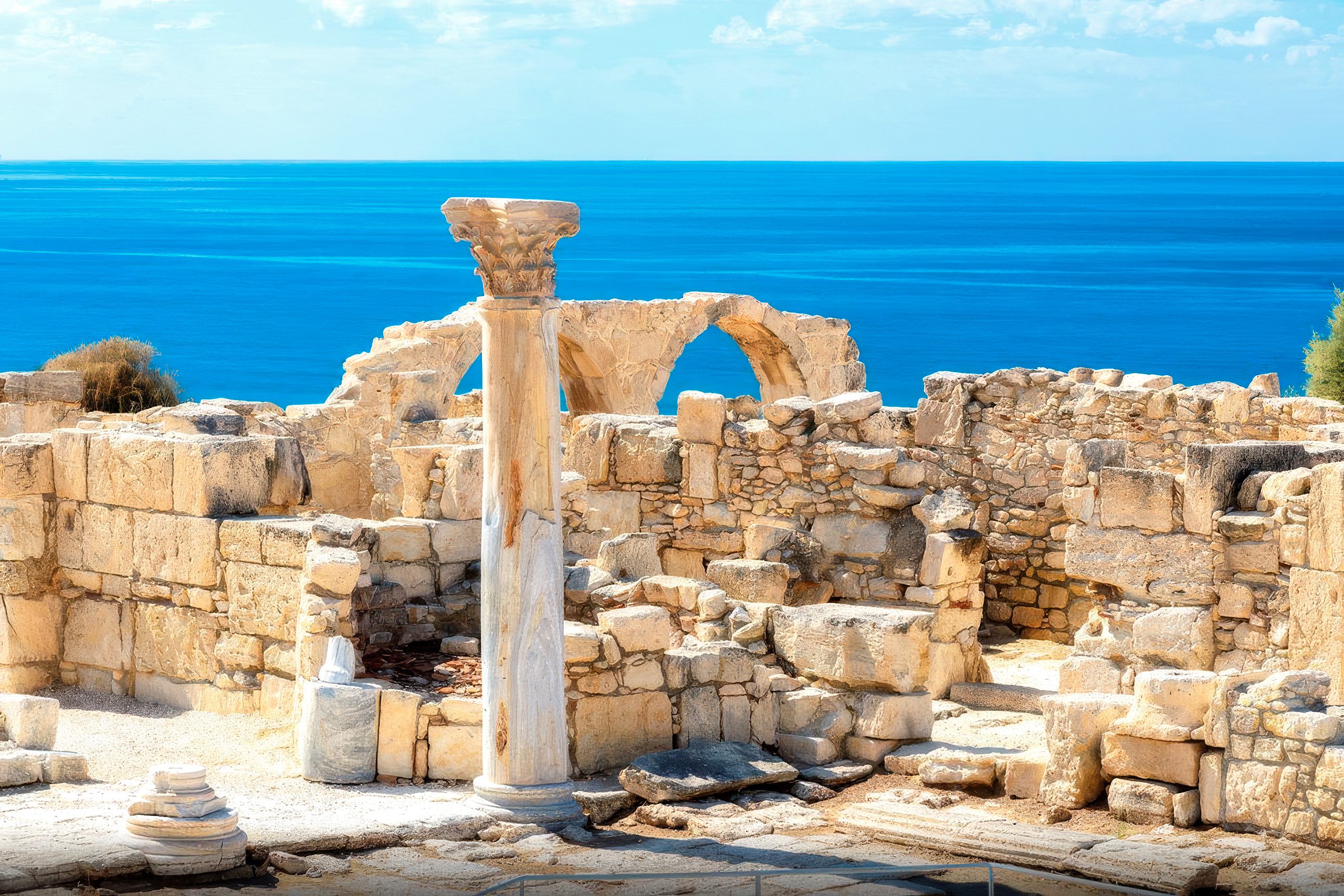
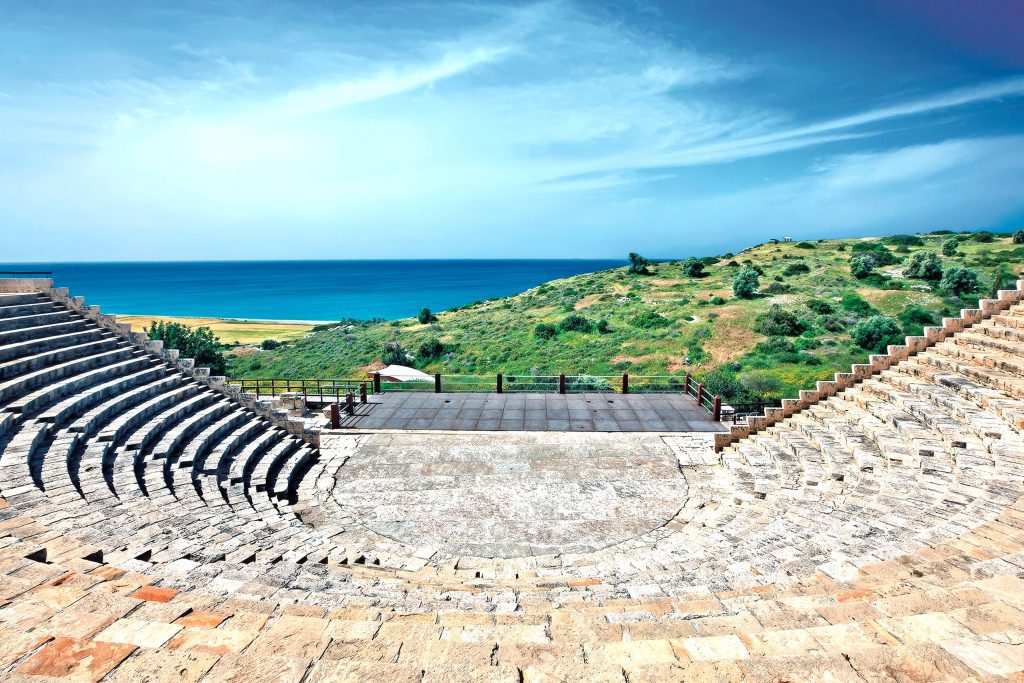
Kourion (Curium) represents the island’s classical golden age. Built on limestone hills overlooking fertile valleys, this major city-kingdom flourished from the Iron Age through Roman times. Its centerpiece is a spectacular outdoor theater built in the late 2nd century BC and enlarged under Roman rule. The semi-circular structure, carved into the hillside with perfect acoustics, has been restored and still hosts summer concerts and plays – making it one of the oldest continuously-used theaters in the world.
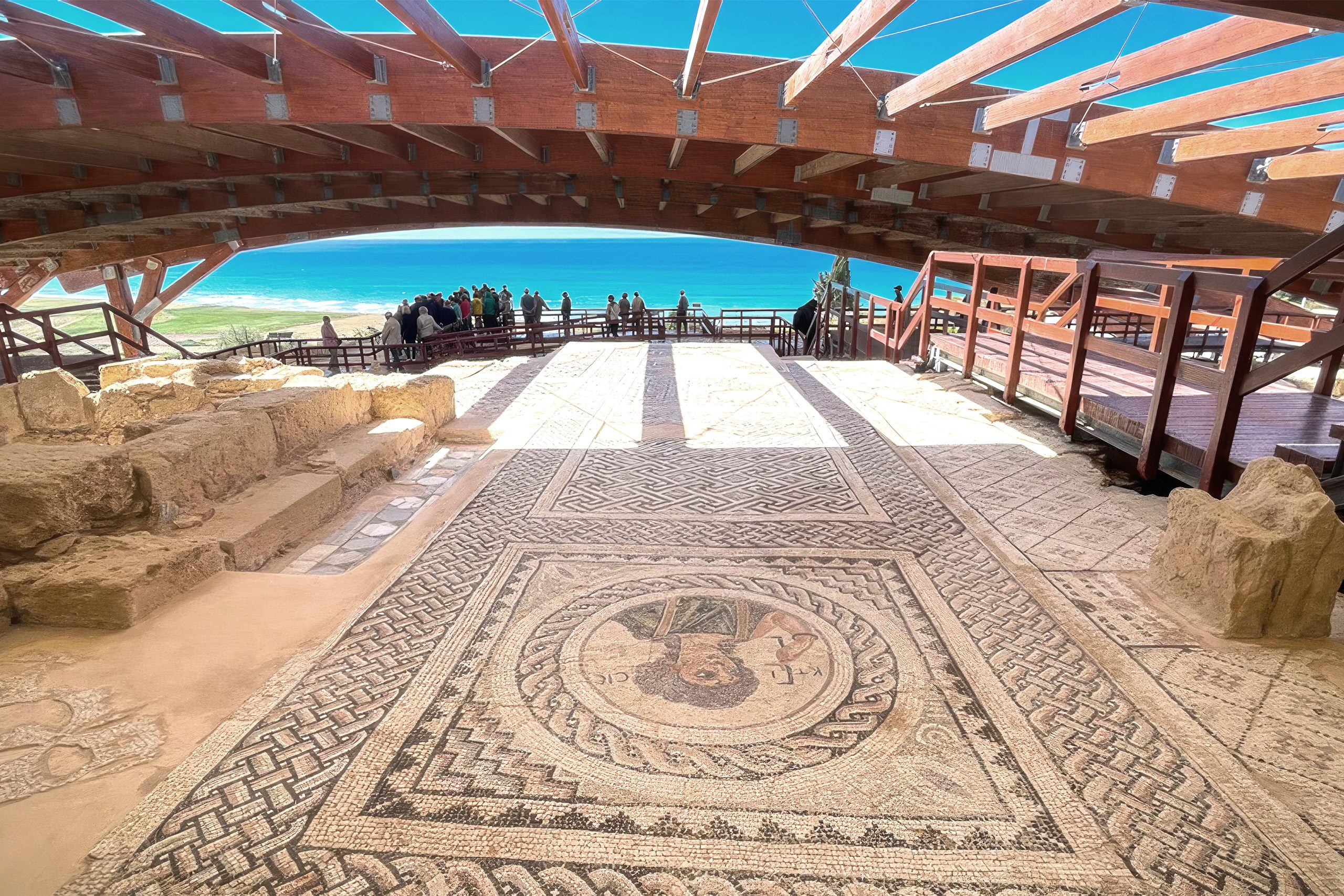
Below the theater lies the lavish House of Eustolios, a bath-villa with intricate 5th-century mosaic floors depicting mythological scenes and geometric patterns in thousands of tiny colored tiles. Other elite homes – the House of the Gladiators, House of Achilles – showcase similar artistic wealth. The agora (market square) with colonnades, public baths, and water cisterns reflects sophisticated Hellenistic and Roman urban planning.
pinterest.com
Kition on the southeast coast (modern Larnaca) reveals Cyprus’s Phoenician side. Beginning as a Late Bronze Age settlement with massive Mycenaean-built limestone walls in the 13th century BC, Kition was transformed when Phoenician colonists arrived in the 9th century BC. They dedicated grand temples to their deities – notably Astarte, who merged with the Greek Aphrodite – on the coastal citadel.
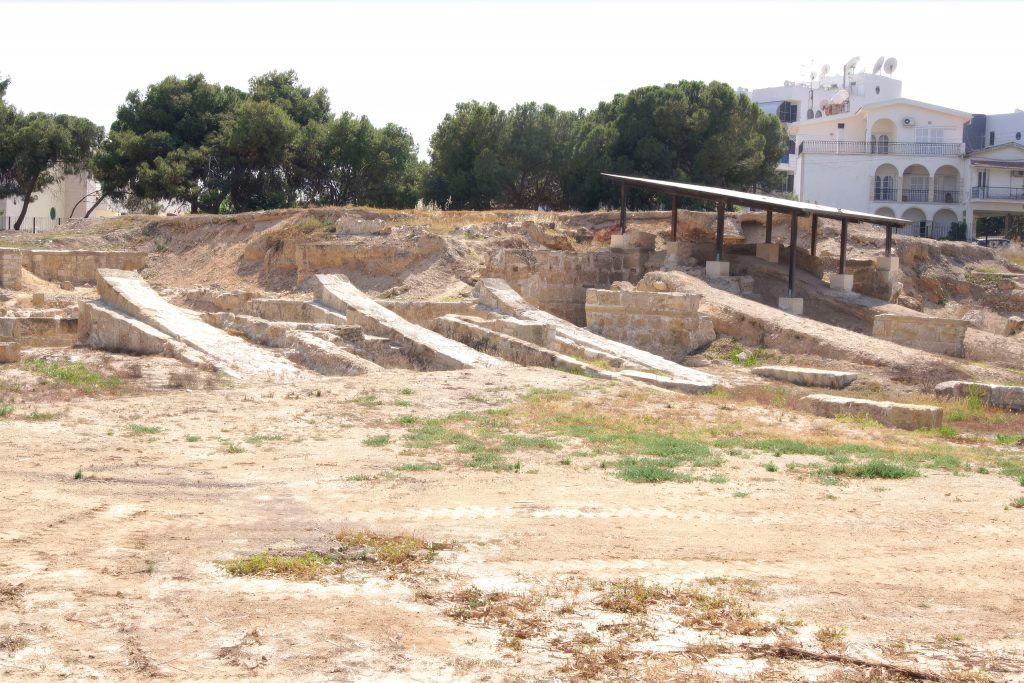
A star discovery at Kition is a Phoenician shipyard with long stone ship-sheds built in the 5th century BC where triremes were hauled up ramps for maintenance. Bilingual Phoenician-Greek inscriptions found here reflect the blending of cultures. Ancient ship graffiti – carved outlines of sailing vessels – still decorate stone walls, giving a tangible connection to the maritime traders who made Kition wealthy.
Surprising Archaeological Treasures
- UNESCO Recognition: Choirokoitia became a UNESCO World Heritage Site in 1998, recognized as one of the most important and best-preserved prehistoric sites in the entire eastern Mediterranean region.
- Earthquake Time Capsule: A devastating earthquake destroyed Kourion in the late 4th century AD, freezing the city in ruins. Archaeologists found skeletons in a collapsed building they named the “earthquake house” – people caught in the disaster nearly 1,700 years ago.
 wikimedia.org
 - Living Ancient Theater: Kourion’s restored Greco-Roman theater regularly hosts concerts, plays, and cultural events, continuing a performance tradition that stretches back over 2,000 years. Modern audiences sit in the same stone seats where ancient Cypriots watched Greek tragedies.
 trendtours.de
 - Cone-Topped Village: Kalavasos-Tenta’s distinctive modern cone-shaped shelter creates one of Cyprus’s most unusual landmarks – a futuristic roof protecting a 9,000-year-old Stone Age village, visible from the highway as a gleaming white pyramid.
yianel.com
Layers of Civilization
Many Cypriot archaeological sites reveal fascinating cultural blending. At Kition, Egyptian-style shrines from the 18th dynasty predate the Phoenician temples, showing that the city attracted traders and settlers from across the Mediterranean. Artifacts include Cypro-Minoan script tablets, Greek pottery, carved figurines, and inscriptions in multiple languages – evidence of a truly cosmopolitan Bronze Age world.
Mythological connections run deep at these sites. Legends held that Kourion’s settlers descended from Argos in Greece, giving the city a heroic founding myth. Island-wide hero-gods like Apollo, Zeus, and local versions of Aphrodite were worshipped in temples whose foundations still stand. These weren’t just religious sites but centers of political power, where priest-kings mediated between divine and human realms.
The archaeological record documents Cyprus’s technological evolution. Early Neolithic farmers used stone tools and built with mud and stone. Bronze Age communities mastered copper smelting, creating weapons, tools, and luxury goods that fueled Mediterranean trade. By classical times, Cypriots had adopted Greek architectural techniques, Roman engineering for water systems and baths, and Phoenician shipbuilding methods – absorbing the best innovations from every culture they encountered.
Ancient Heritage in Modern Life
These archaeological sites remain culturally vital in contemporary Cyprus. They draw tourists and scholars, feature prominently in national identity, and ground modern cities in ancient history. Choirokoitia’s UNESCO status makes it a source of pride for Larnaca district residents, taught in schools as evidence of Cyprus’s extraordinarily long civilization.
Kourion’s theater exemplifies living heritage – the annual music and theater festivals held in its restored seats create direct continuity between ancient and modern cultural life. Modern Larnaca and Limassol have museums displaying finds from Kition and Kourion, ensuring city histories remain connected to their ancient foundations.
Even Cyprus’s name reflects this archaeological legacy. The island’s name comes from cuprum (copper), highlighting how Bronze Age mining and trade shaped its identity. Cypriot schoolchildren learn how these ruins connect them to early European history, fostering pride in being inheritors of one of the Mediterranean’s oldest continuous civilizations.
Archaeological excavations continue today, with international teams regularly uncovering new finds. Each discovery makes national news and adds depth to our understanding of ancient Cypriot life. These aren’t dead ruins but active research sites contributing to global knowledge about human civilization’s development.
Exploring Cyprus’s Ancient Past
- Choirokoitia (Khirokitia): Located just off the Nicosia-Limassol highway, this site features a roadside museum, excavated Neolithic huts, and five full-scale reconstructions with replica furnishings. Open daily year-round (hours vary by season) with admission around €2.50. Audio guides and interpretive panels explain how 9,000-year-old farming communities lived. The reconstructed round houses let you step inside and touch walls built using authentic Stone Age techniques.
- Kalavasos-Tenta: A quieter site 2.5 km off the highway with its distinctive cone-shaped protective roof sheltering the ancient ruins. Open on weekdays (closed weekends) year-round, entry approximately €2.50. The modern architectural intervention creates an atmospheric contrast – standing under a futuristic dome while viewing Stone Age circular buildings creates a powerful sense of time’s passage.
- Maa-Palaiokastro: No formal museum building here – just dramatic coastal ruins you can explore freely. Located near Coral Bay in the Paphos region, visitors can hike the peninsula to see remains of the Mycenaean fortress wall and gate. Open-access with no ticket required (just parking fees). The windswept headland location makes it easy to imagine why Bronze Age Greeks chose this defensible spot during dangerous times.
Kourion (Curium): The most extensively developed archaeological site, with parking, restrooms, a small museum, and cafes. Located near Limassol, open daily with seasonal hours (summer until 7:30 PM), admission around €4.50. Key attractions include the spectacular theater, House of Eustolios with its intricate mosaics, Roman baths, and forum ruins. Arrive early to avoid crowds and heat – the exposed hilltop offers little shade but stunning views over the Mediterranean.
livejournal.com
- Kition: Ruins scattered throughout Larnaca city center, with the main Bamboula and Kathari excavations featuring visitor centers and information panels. Open Monday-Friday (closed weekends), admission approximately €2.50. Visitors see fortification walls, Phoenician temple foundations, excavated harbor structures, and the famous ship graffiti carved into stone walls. Wheelchair accessible, making it one of the more inclusive ancient sites.
Ancient History Still With Us
Cyprus’s archaeological sites offer something rare in the modern world – the chance to walk through virtually every stage of human civilization’s development without leaving a single small island.
From Neolithic farmers burying ancestors beneath their floors to Bronze Age smiths working copper to Roman citizens watching theater performances, these ruins tell humanity’s story in stone, pottery, and carefully preserved foundations. What makes them extraordinary isn’t just their age or preservation, but their accessibility and relevance – you can touch walls built 9,000 years ago, watch performances in 2,000-year-old theaters, and trace the cultural blending that made Cyprus a Mediterranean crossroads.
These aren’t abstract history lessons but tangible connections to the people who shaped civilization, and walking among their ruins remains one of Cyprus’s most profound and memorable experiences.