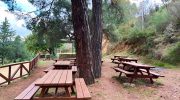
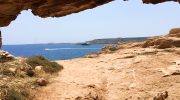
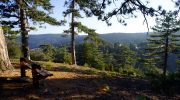
The Agioi Anargyroi Nature Trail sits within the Cape Greco National Forest Park. This area represents the natural beauty of southeast Cyprus. Many people visit this spot to see the contrast between rugged cliffs and the deep blue Mediterranean Sea.
The path provides a direct link to the local heritage and the geological wonders of the island. Visitors often feel a sense of peace as they walk along the coast. The air carries a scent of salt and wild herbs. This trail serves as a perfect escape for those who want to witness the raw landscape of Cyprus. It remains a top choice for nature lovers.
Trail Overview
- Location: Cape Greco National Park, Ayia Napa, Cyprus
- Distance: 3 miles (4.8 km)
- Route Type: Point-to-Point
- Difficulty: Easy
- Elevation Gain: 40 meters
- Duration: 1.5 hours
- Best Time to Visit: March to May or September to November
- Terrain: Rocky, Coastal, Limestone
The Geological Marvels of Cape Greco
The Agioi Anargyroi trail follows a path atop ancient limestone formations. These rocks show the history of the earth through their porous texture and sharp edges. The sea hits the base of these cliffs with great force.
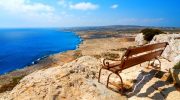
Over centuries this water carved deep caves into the stone. You can see these structures from the high vantage points of the trail. The white stone glows under the bright sun. It creates a stark visual against the turquoise water below.
This landscape has no tall trees to block the view. Low shrubs and hardy plants survive in this dry soil. They cling to the earth despite the strong winds from the ocean.
The Iconic Chapel of Agioi Anargyroi
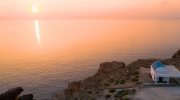
The trail starts or ends at a small white church with a blue dome. This building honors the twin saints Cosmas and Damian. They provided medical care without payment. People call them the “Unmercenaries” because of this charity. The chapel stands on the edge of a cliff. Its simple design reflects the traditional style of Greek Orthodox architecture. Below the church lies a hidden cave.
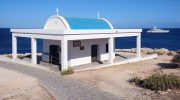
Legend says the saints lived there or used the space for their work. A stone staircase leads down to the water level. This spot is popular for divers and swimmers. The water stays clear and calm inside the small cove.
Floral Diversity and Coastal Vegetation
Cyprus hosts many unique plant species. Along this trail you will notice the Phoenician juniper. It grows close to the ground to avoid the wind. Wild flowers bloom in the spring months. These include sea daffodils and various orchids. The scent of wild thyme fills the atmosphere on warm days.
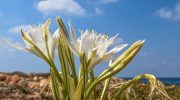
These plants need very little water to survive. They draw moisture from the sea mist at night. Insects and small lizards move through the bush. The ecosystem remains delicate but resilient. It offers a look at how life adapts to a salty and dry environment. Every step reveals a new sprout or a hardy shrub that defies the heat.
The Kamara tou Koraka Natural Bridge
A major highlight of this walk is the Kamara tou Koraka. This is a natural stone bridge formed by erosion. It stands as a testament to the power of nature. Authorities fenced the bridge off to protect it from collapse. You can still take photos from a safe distance. The arch spans across a gap in the rock.
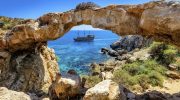
It looks like a giant hand reached out to join two cliffs. This site is one of the most photographed places in Cyprus. It shows how the soft rock yields to the elements over time. The bridge appears fragile yet it has stood for many years. It reminds walkers of the constant change in the physical world.
Wildlife and Bird Migration
Cape Greco serves as a vital stop for birds that migrate between Europe and Africa. Thousands of birds rest here during their long journeys. You might spot a falcon or a hawk in the sky. They hunt for small prey among the rocks. Sea birds like gulls also nest on the cliff faces. Their cries echo across the water.
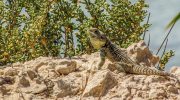
On the ground you may see the Cyprus lizard. It suns itself on the warm stones. These animals play a role in the local food chain. They keep the insect population in check. The silence of the trail allows you to hear the small movements in the grass. Nature thrives here in a quiet and steady rhythm.
Historical Significance of the Region
Cape Greco has a long history of human activity. Ancient sailors used these cliffs as a landmark. The high ground offered a view of any incoming ships. Some ruins suggest that people lived here thousands of years ago.
They utilized the sea for food and trade. The Agioi Anargyroi trail follows some of these old paths. It connects the modern visitor to the ancient past of the island. You walk on the same ground that Phoenicians and Romans once crossed. This sense of history adds a layer of depth to the natural beauty. It is not just a park but a witness to the passage of time.
Environmental Conservation Efforts
The Cyprus government works hard to protect this park. It is a Natura 2000 site. This means it has international importance for biodiversity. Rules exist to prevent trash and damage to the rocks. Educational signs explain the importance of each zone. The goal is to keep the area wild for future generations. Volunteers often clean the coast to remove plastic from the sea. You can help by leaving no trace of your visit. Take your rubbish back to the city. Respect the silence of the park. This ensures that the birds and animals do not feel stress. Conservation is a collective effort for all who enjoy the trail.
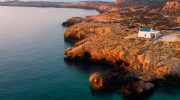
The Agioi Anargyroi Nature Trail offers a pure look at the coast of Cyprus. It combines faith and nature through the small chapel and the vast sea. The path stays flat and easy for most people to walk. You will see unique rocks and rare plants during the journey. This place remains a jewel of the Mediterranean region. It provides a space for reflection and fresh air. The views of the blue water stay in your mind long after the walk ends. Every visitor leaves with a deeper respect for the earth. This trail is a true gift to the island.