
Reshef was a prominent deity in the ancient eastern Mediterranean, especially in regions such as Syria, Phoenicia, and the Levant. He was primarily associated with protection, warfare, and sometimes with plague or healing, reflecting a divine role that combined destructive and safeguarding powers. Unlike deities who represented abstract forces, Reshef was closely tied to the realities of conflict, defense, and communal survival. His worship reached Cyprus through networks of trade and migration, illustrating the island’s position as a meeting point between eastern and Aegean religious traditions.

In Near Eastern belief systems, Reshef embodied the paradox of a deity who could both bring harm and prevent it. He was invoked to ward off danger, especially during times of conflict or epidemic threat. This dual nature made him a figure of respect and fear, a protector whose favor was essential for maintaining social stability. When his cult spread to Cyprus, these attributes resonated with local communities who faced similar concerns about security and survival.
Arrival of Reshef in Cyprus
The introduction of Reshef to Cyprus reflects the island’s long-standing cultural connections with the Levant. Maritime trade during the Bronze and Iron Ages facilitated not only the movement of goods but also the transmission of religious beliefs. Inscriptions and iconographic evidence from Cypriot sites show the presence of deities with clear Near Eastern characteristics, among them Reshef. His adoption into Cypriot worship demonstrates how foreign religious figures could be integrated into local spiritual life without replacing earlier traditions.
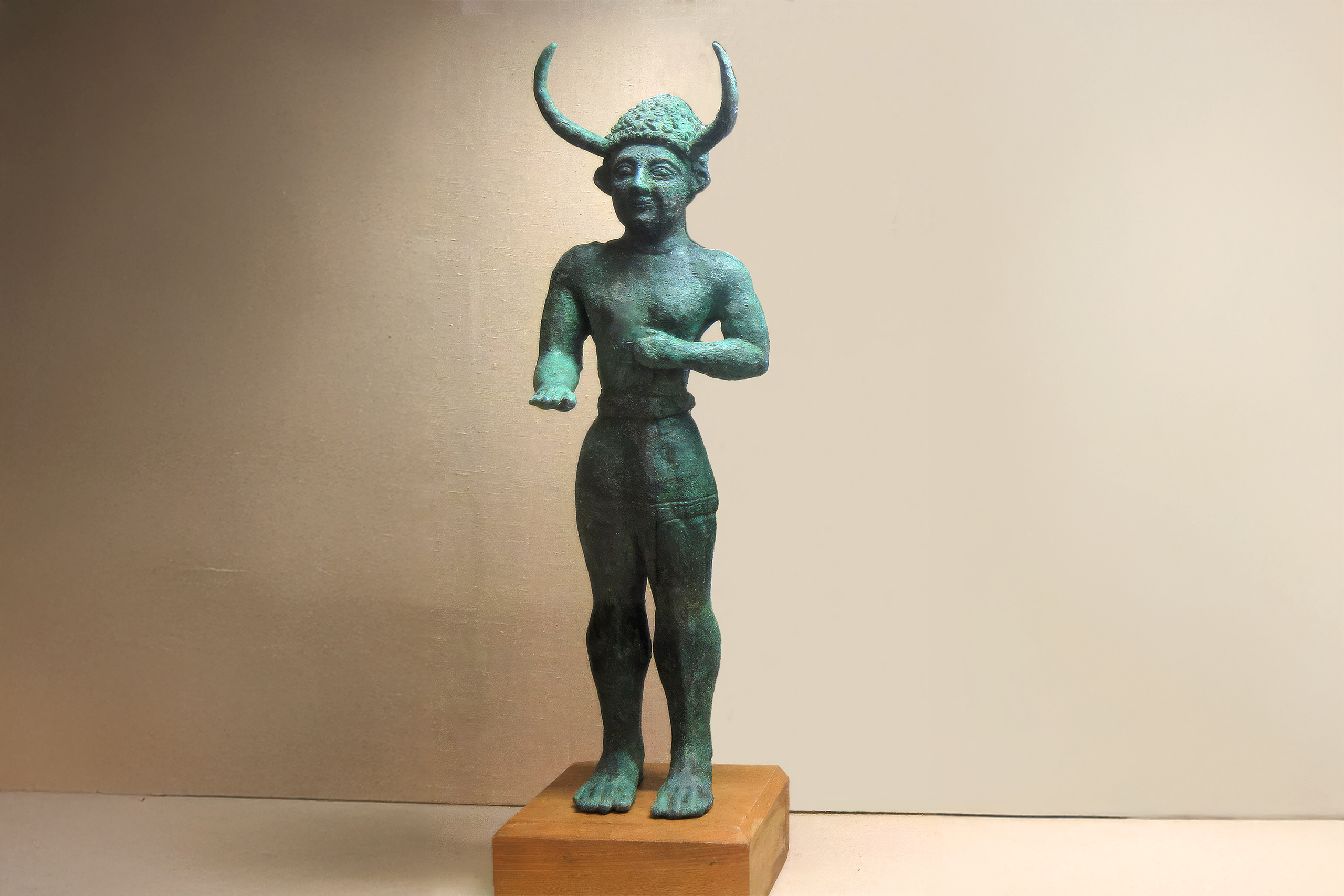
Rather than remaining an isolated eastern figure, Reshef became part of the island’s diverse religious landscape. His role as a protective warrior deity complemented existing beliefs related to fertility, agriculture, and divine kingship. Cyprus’s openness to cultural exchange allowed his cult to coexist alongside others, contributing to the island’s reputation as a religious crossroads.
Protector of Communities and Cities
Reshef’s primary identity in Cyprus remained that of a guardian. Communities sought his favor for protection against external threats, including warfare and disease. Sanctuaries dedicated to him may have served as places where prayers and offerings were made before military campaigns or during times of crisis. His presence in these contexts reinforced the idea that divine intervention was essential to communal survival.
The worship of a protective deity highlights the practical dimension of ancient religion. Divine favor was not an abstract concept but a perceived necessity for safety and continuity. By invoking Reshef, Cypriot communities acknowledged the uncertainties of their world and sought reassurance through ritual practice.
Warrior Aspects and Symbolism
Reshef’s martial character distinguished him from many other deities worshipped on Cyprus. Iconographic representations from the Near East often depict him armed, symbolizing readiness and strength. This imagery would have resonated in a region exposed to shifting political powers and occasional conflict. His warrior attributes provided a divine model of courage and defense, reinforcing social values tied to protection and resilience.
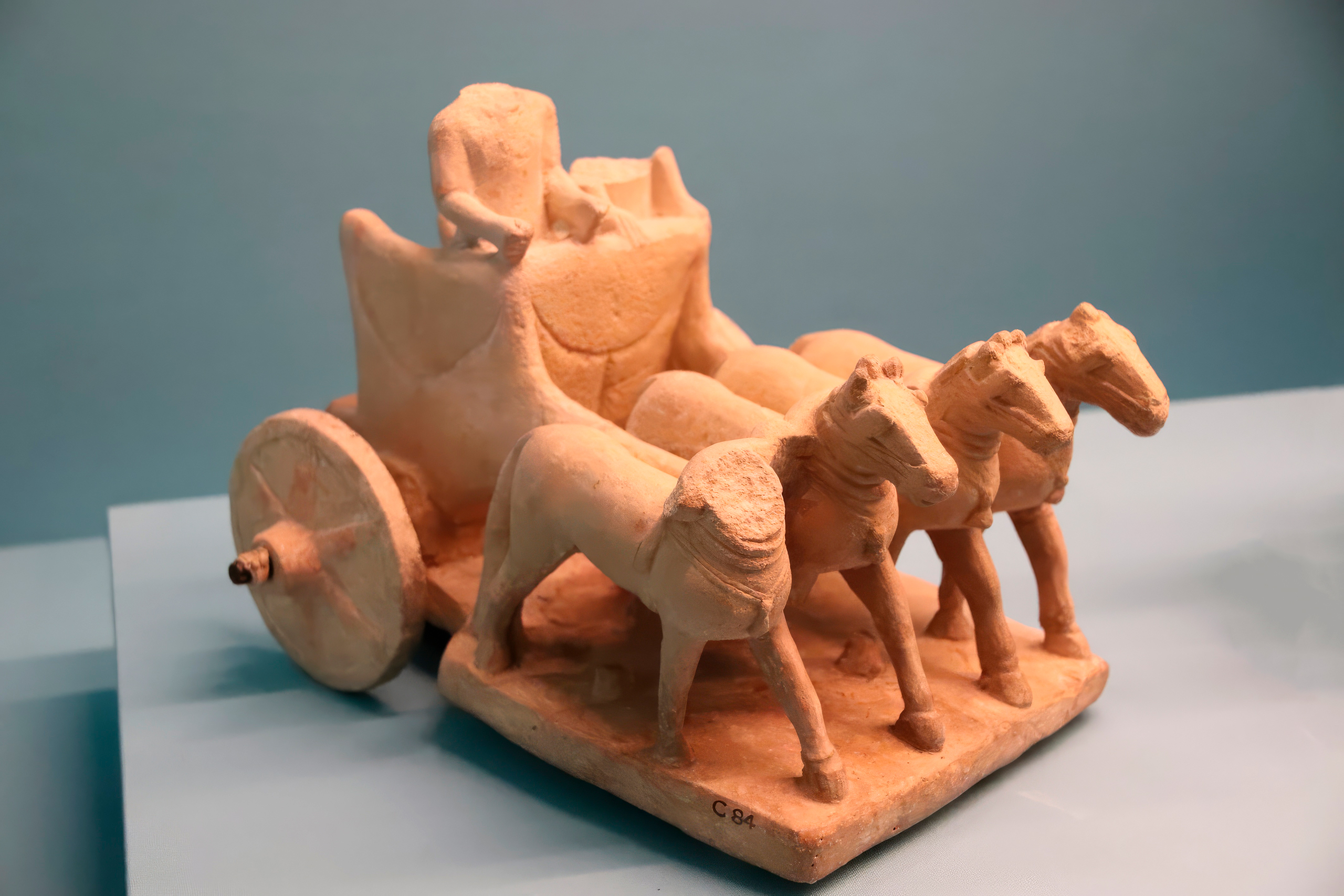
At the same time, Reshef’s role was not purely aggressive. His power to ward off harm emphasized prevention rather than conquest. This protective function made him relevant even in peaceful periods, as communities sought ongoing security from unseen threats.
Syncretism and Cultural Adaptation
As Reshef’s cult developed on Cyprus, it likely underwent adaptation to local religious frameworks. Ancient religions were flexible, allowing deities from different traditions to merge or share attributes. In some contexts, Reshef may have been identified with or compared to Greek gods associated with protection or healing. This process of syncretism allowed his eastern identity to persist while becoming intelligible within a Greek-influenced religious environment.
Such blending illustrates Cyprus’s role as a cultural mediator. Religious practices on the island often reflected layers of influence, combining Near Eastern, local, and Greek elements. Reshef’s presence is a clear example of how Cyprus absorbed and transformed external traditions.
Archaeological and Epigraphic Evidence
Evidence for Reshef’s worship on Cyprus comes from inscriptions, figurines, and artistic motifs that link the island to eastern Mediterranean religious networks. These finds demonstrate that his cult was not marginal but integrated into broader patterns of worship. The presence of such material remains confirms the historical reality of cultural exchange reflected in mythological and religious tradition.
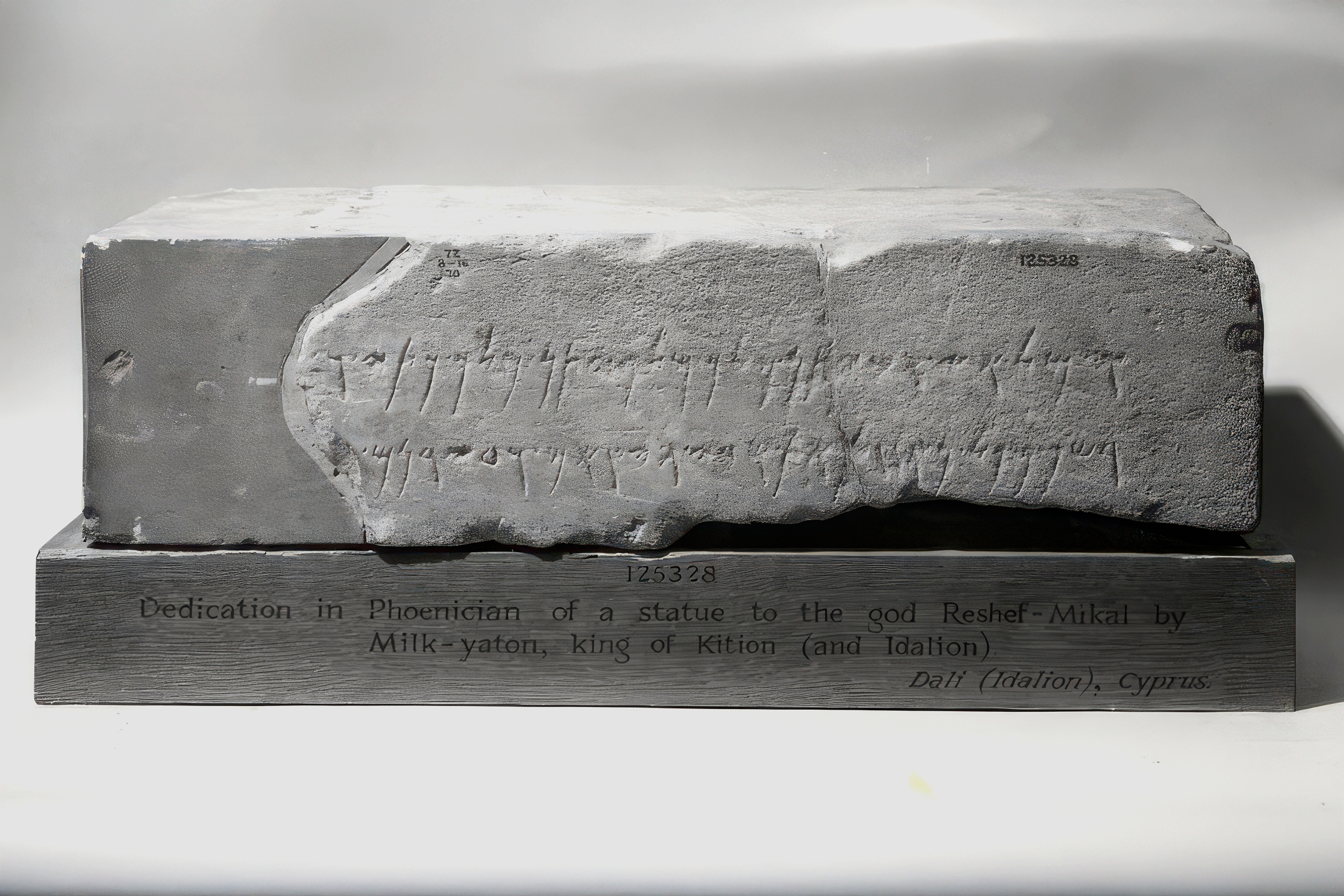
Archaeology reveals how religious identity was shaped by interaction rather than isolation. Reshef’s cult provides tangible proof of Cyprus’s participation in regional religious developments.
Cyprus as a Cultural Crossroads
The worship of Reshef reinforces the idea of Cyprus as a bridge between eastern and western Mediterranean cultures. The island’s religious landscape was not static but dynamic, shaped by ongoing contact with neighboring civilizations. Deities like Reshef highlight the complexity of Cypriot spirituality, where local practices coexisted with imported traditions.
This cultural synthesis contributed to Cyprus’s broader sacred reputation. By integrating diverse religious influences, the island became a place where different spiritual ideas could converge and evolve.
Legacy and Historical Significance
Although later Greek and Roman traditions overshadowed some earlier eastern influences, the presence of deities like Reshef remained an important part of Cyprus’s religious heritage. His cult reflects an era when the island’s spiritual life was deeply connected to the wider eastern Mediterranean world. Understanding his role helps reconstruct the layered nature of Cypriot religious history.
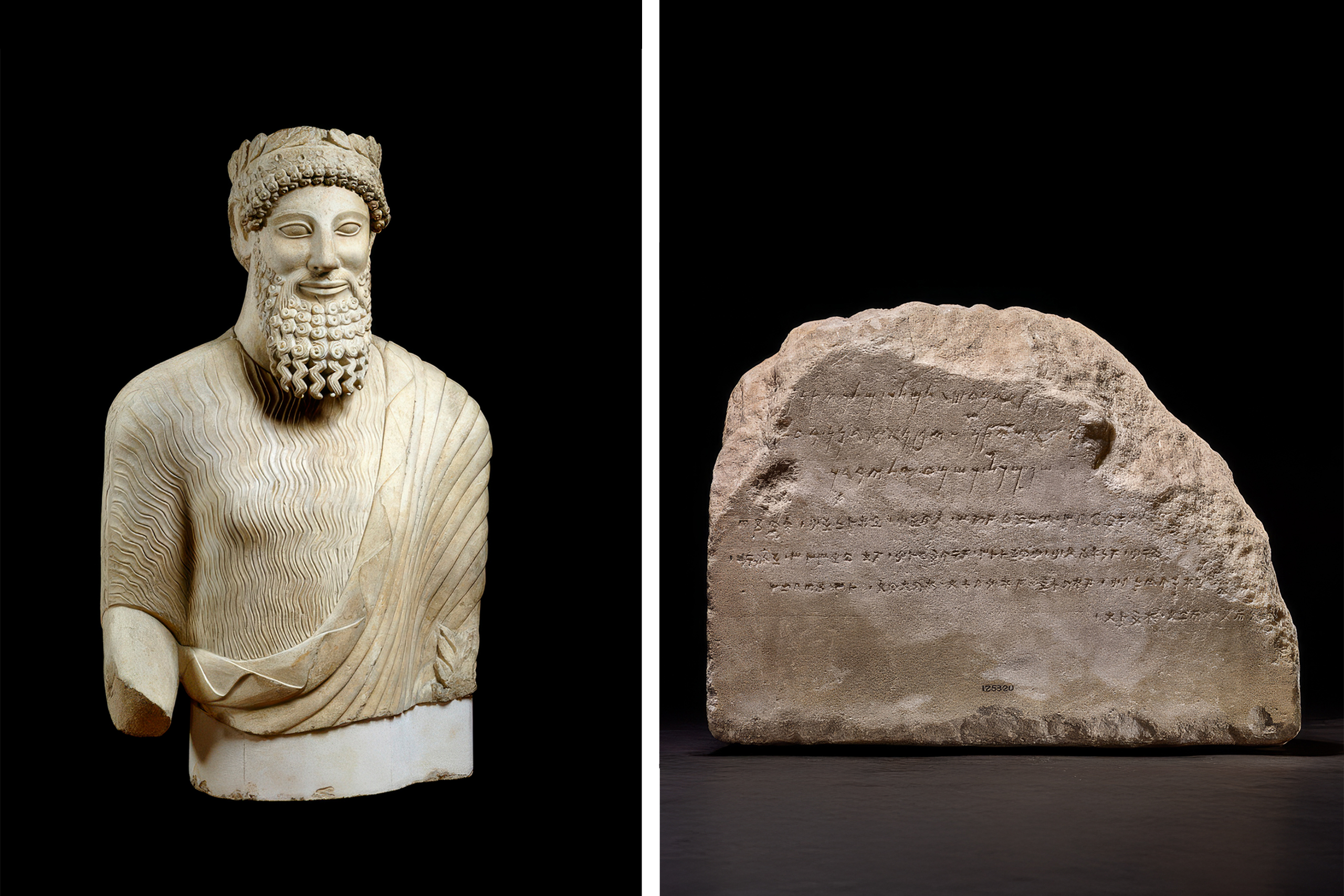
Reshef’s legacy illustrates how protection, warfare, and healing were interconnected in ancient belief systems. His continued recognition in archaeological and historical study highlights the enduring importance of cross-cultural exchange in shaping religious identity.
Conclusion
Reshef, the protective and warrior deity worshipped in Cyprus, embodies the island’s exposure to eastern Mediterranean religious traditions and its role as a cultural crossroads. Through his dual role as defender and guardian, he addressed fundamental concerns of safety and survival in ancient communities. His integration into Cypriot worship demonstrates the flexibility and openness of the island’s religious life, where diverse influences combined to form a complex spiritual heritage. The study of Reshef underscores Cyprus’s importance as a meeting point of cultures and a key participant in the development of Mediterranean religious thought.