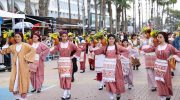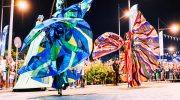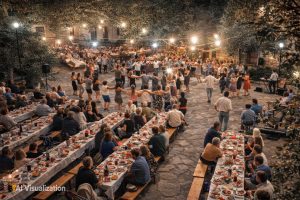
In Cyprus, a panigyri is not simply a festival marked on a calendar. It is a moment when a village gathers itself fully, reconnecting faith, memory, and everyday life into a shared experience. Held in honor of a patron saint, panigyria transforms religious observance into a living social ritual, where prayer flows naturally into food, music, dance, and reunion. These evenings are not for spectacle or tourism. They exist because the community expects them to exist, and because participation itself keeps them alive.
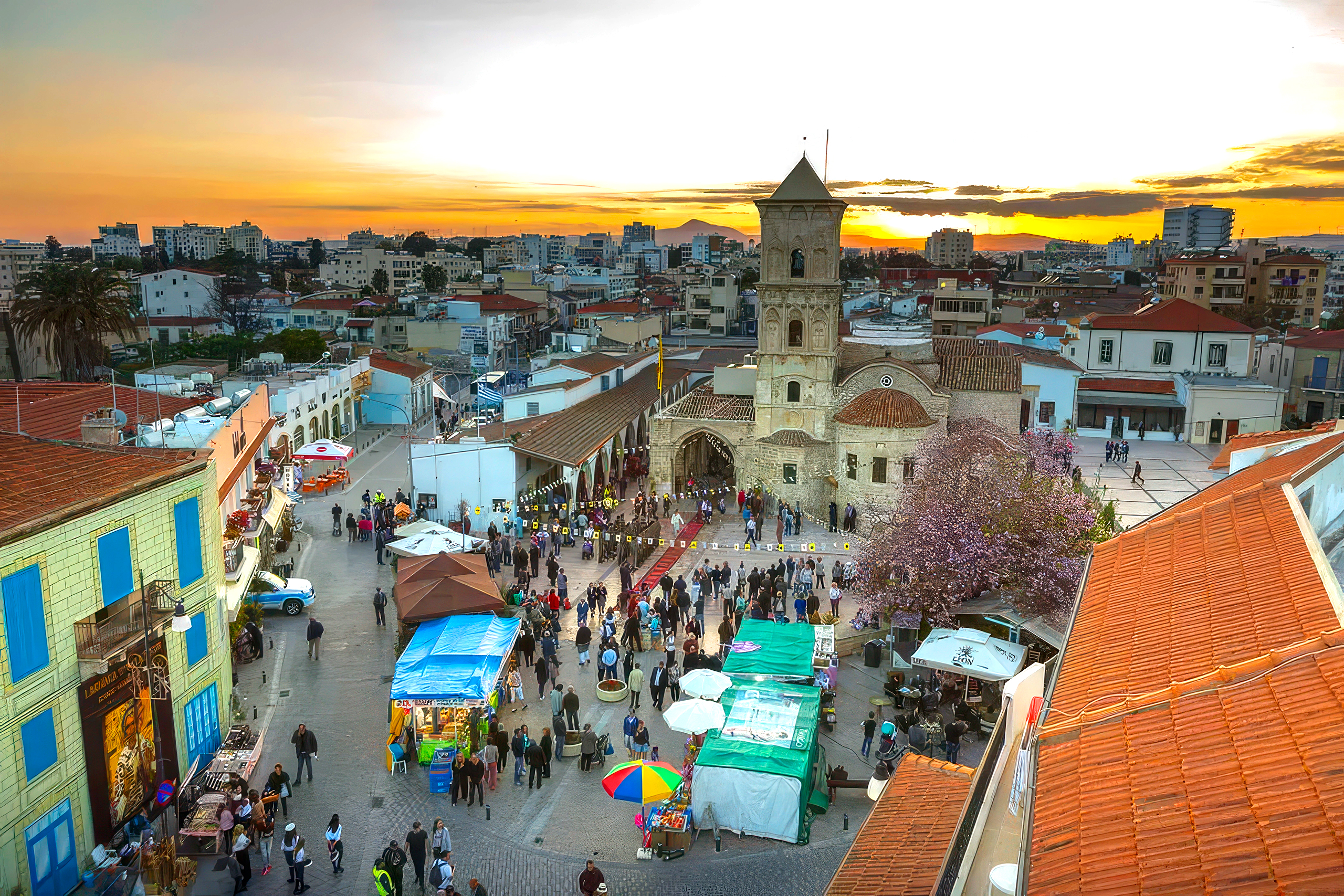
To arrive at a panigyri is to step into a rhythm that has been repeated for generations. The setting may vary from village to village, shaped by geography and custom, but the feeling remains familiar. It is welcoming without formality, celebratory without excess, and deeply rooted in a sense of belonging that does not need explanation.
- What a Panigyri Really Is
- Roots in Assembly and Faith
- The Religious Core That Holds Everything Together
- When the Village Becomes a Shared Living Space
- Music That Signals the Night Has Begun
- Dance as a Form of Belonging
- Food as Social Ritual
- The Small Details That Stay
- Panigyria as Return and Continuity
- Why Panigyria Still Matters
What a Panigyri Really Is
At its most basic level, a panigyri is a communal celebration held on the feast day of a village’s patron saint. It begins with a religious service, often followed by a procession of the saint’s icon, and gradually expands outward into the shared spaces of the village. Church courtyards, village squares, and nearby streets become places where people gather to eat, talk, dance, and remain together long into the night.
What distinguishes this transition is how naturally it unfolds. There is no sharp division between the sacred and the social. The service does not end abruptly and gives way to celebration. Instead, it opens outward, allowing faith to become hospitality and ritual to become reunion. In this way, religion remains present without dominating, shaping the tone of the evening rather than prescribing it.
Unlike modern festivals structured around stages and timetables, a panigyri is organized around presence. The community itself forms the center, and the evening takes shape as people arrive, greet one another, and settle into shared space.
Roots in Assembly and Faith
The word panigyri comes from the ancient Greek panegyris, meaning a general assembly. Over centuries, Cyprus carried this idea forward into Orthodox Christian tradition, where the feast day of a saint offered a reason for the entire village to gather at once.
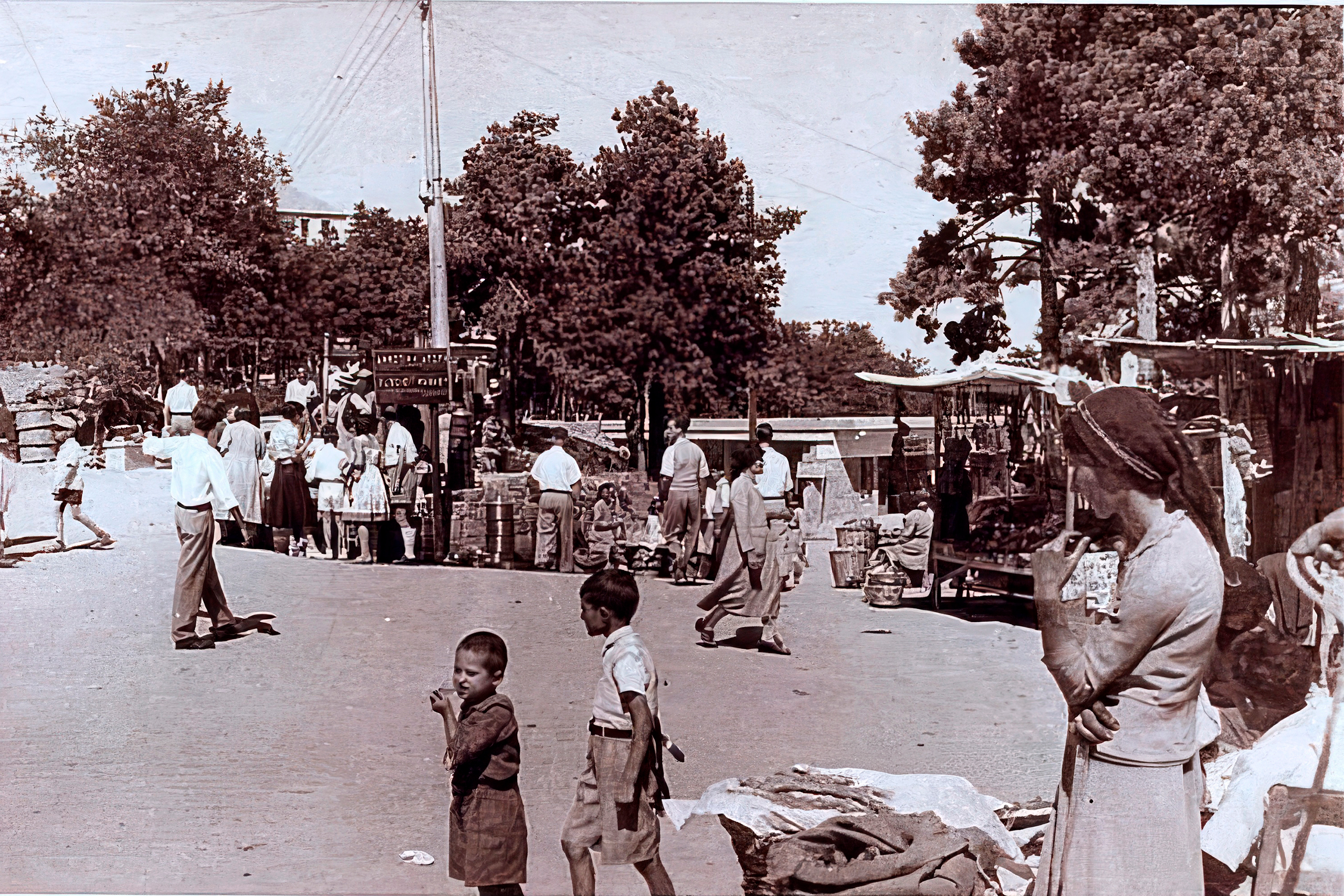
Historically, the village church was never only a religious building. It functioned as a social anchor, a place of decision-making, and a symbol of continuity during periods of foreign rule, hardship, and displacement. Panigyria helped preserve local customs, language, and identity precisely because they created moments when everyone returned, even if only briefly.
Seasonality reinforced this role. Many panigyria take place during the summer months, after key agricultural periods, when work eases, and communities have the time and resources to celebrate. That agricultural rhythm still shapes the panigyri calendar today, giving these gatherings their unmistakable summer-night character.
The Religious Core That Holds Everything Together
At the heart of every panigyri is its patron saint. The religious service is not an optional prelude but the foundation upon which the rest of the evening rests. Vespers, blessings, and icon processions establish a sense of gratitude and continuity before the celebration expands into sound and movement.
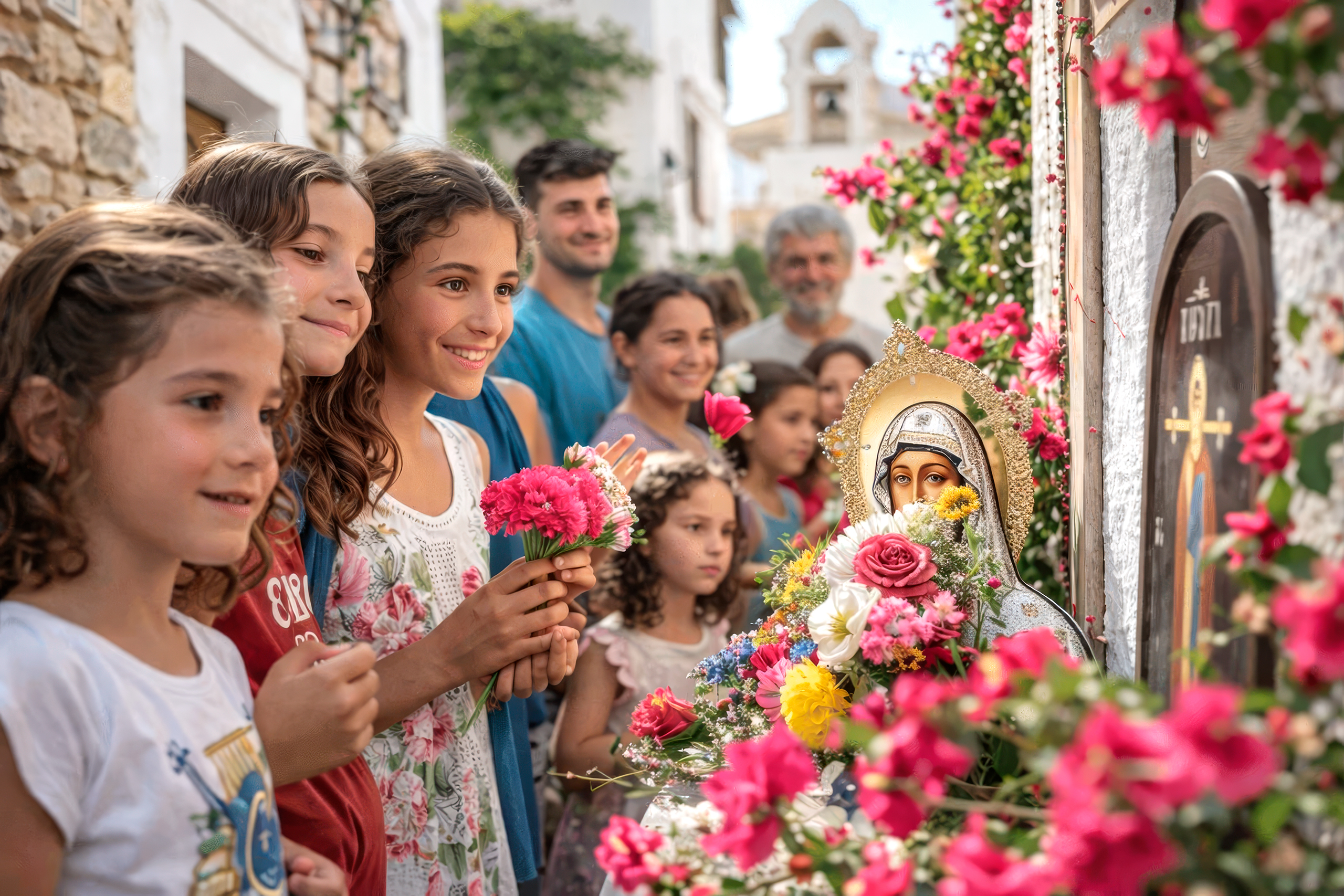
Within traditional understanding, a panigyri without its religious core becomes something else entirely. It may still be enjoyable, but it loses the depth that connects the night to memory, faith, and place. This is why even the liveliest panigyria begin in quiet focus, allowing meaning to settle before celebration unfolds.
When the Village Becomes a Shared Living Space
Once the service concludes, the village begins to transform. Tables appear in open spaces. Lights are strung between buildings. Cooking smoke drifts slowly through the square. Conversations overlap as people greet relatives they may see only once a year and neighbors they know mostly by face.
This moment is central to the panigyri experience. The village becomes both host and guest. Seats are offered without hesitation, food is shared freely, and newcomers are folded into the evening with ease. The square functions less like an event venue and more like a communal living room, shaped by familiarity rather than design.
Music That Signals the Night Has Begun
Live music sits at the center of the panigyri, both literally and symbolically. Traditional instruments such as the violin and laouto set the melodic foundation, supported by percussion that carries rhythm across the village.
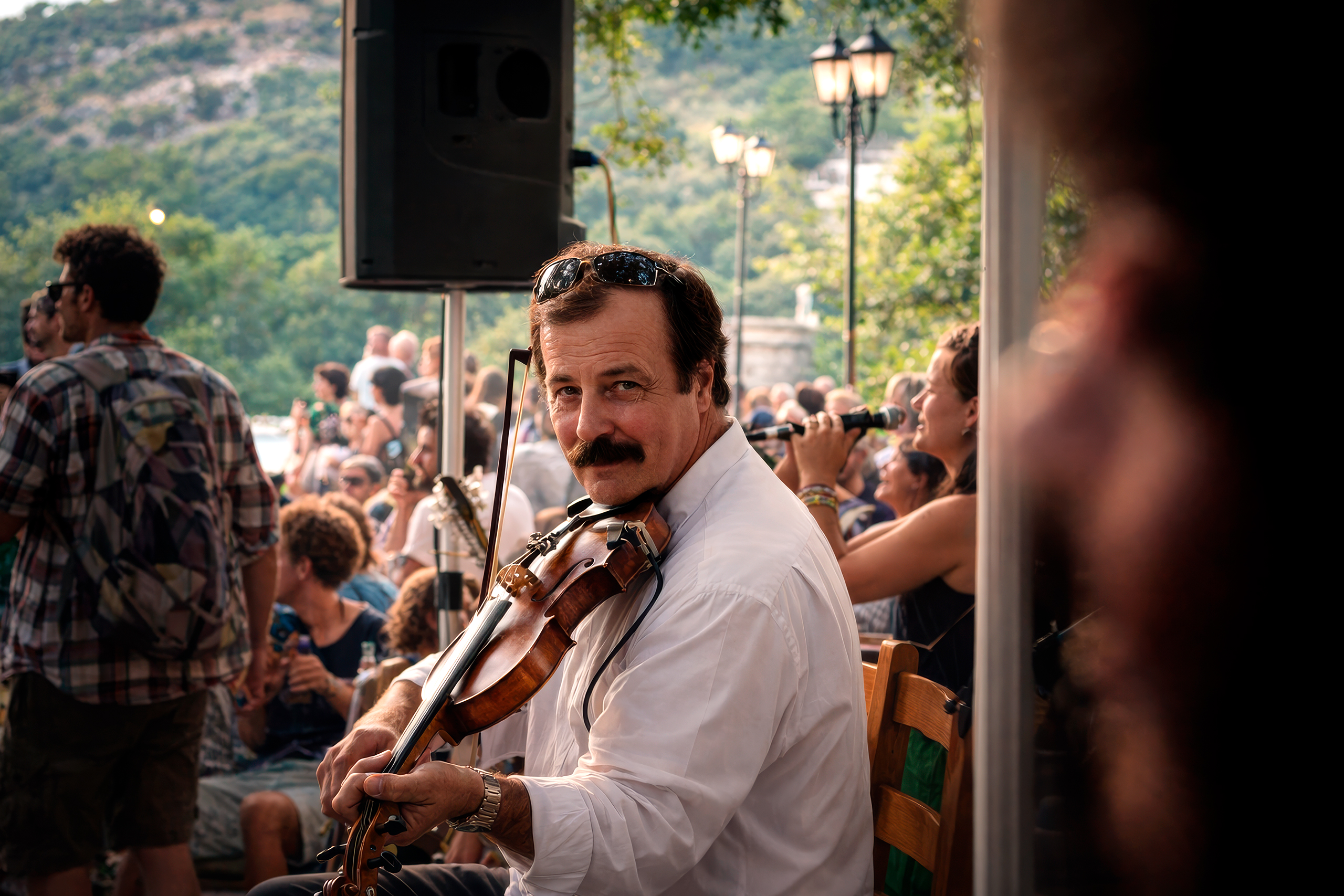
The music does not perform for the crowd. It gathers the crowd. As instruments are tuned and the first notes rise, people recognize the moment instinctively. The evening has truly begun. Sound becomes the thread that binds tables, dancers, and conversation into a single shared flow.
Dance as a Form of Belonging
Traditional dances such as syrtos and sousta appear again and again at panigyria, not because they are expected, but because they serve a purpose. Circle and line dances create structures that include rather than exclude. Children hold hands with elders. Experienced dancers guide without instruction. Newcomers join at the edges and learn by following.
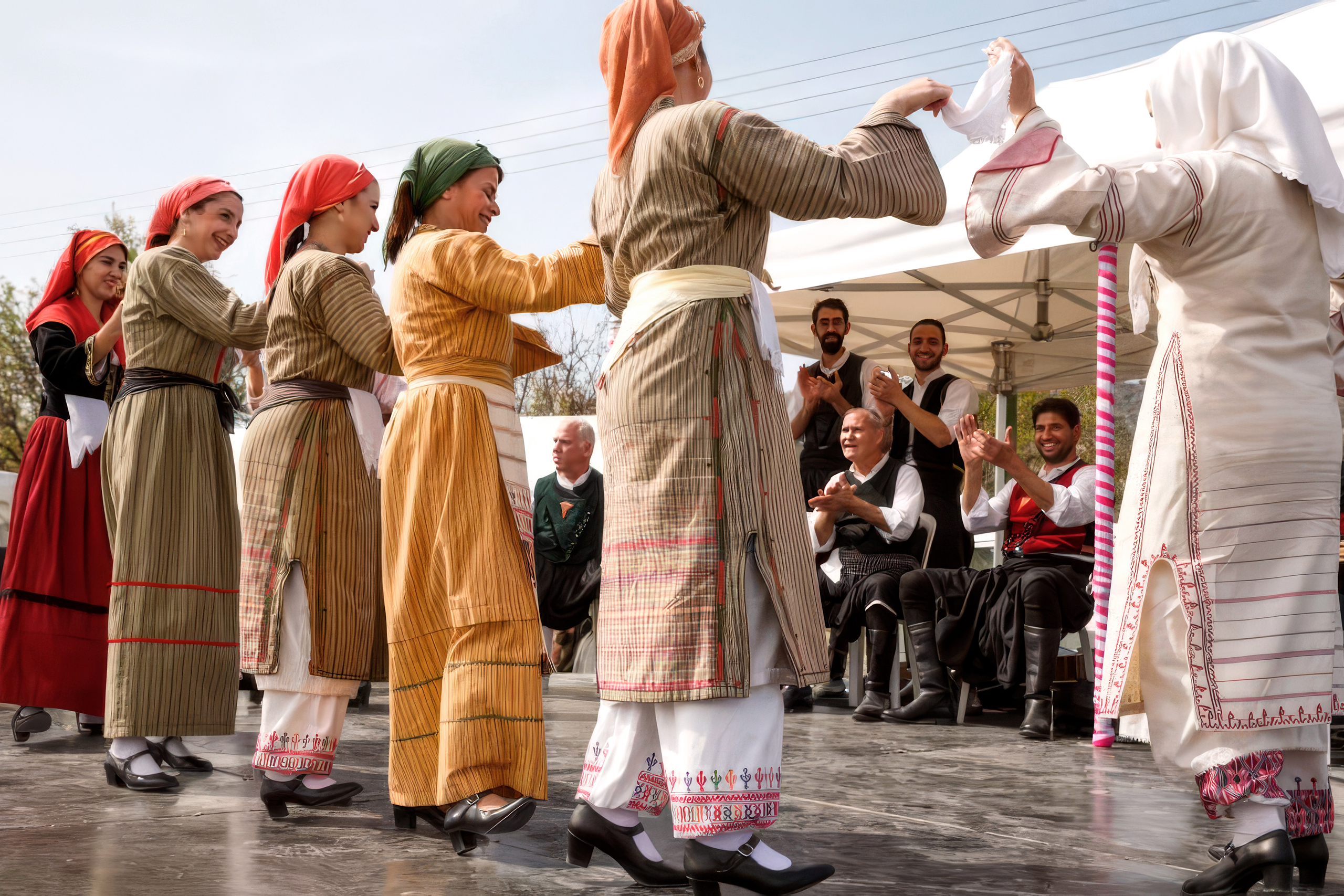
The precision of steps matters less than the shape they form. The circle makes the meaning visible. This is not performance for spectators, but participation as belonging.
Food as Social Ritual
Food at a panigyri is never incidental. Dishes are chosen for their ability to feed many people and reward patience. Souvla turning slowly over charcoal, kleftiko baked until tender, trays of loukoumades appearing later in the evening. These foods carry the flavor of outdoor cooking and shared effort.
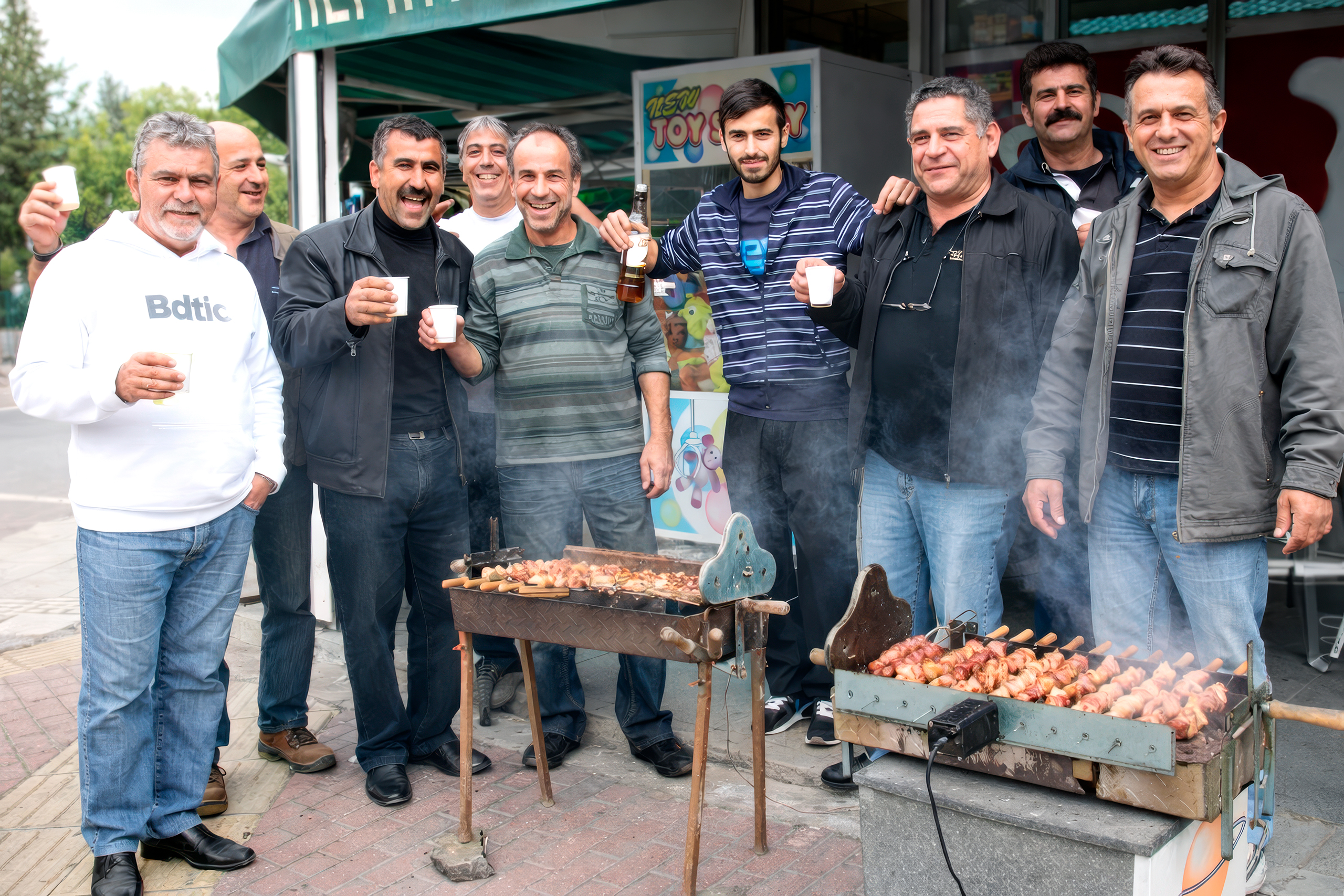
Preparation and serving are often handled by church committees and volunteers. In this context, feeding others becomes an extension of the celebration itself. Generosity, cooperation, and pride move quietly through the act of sharing a meal.
The Small Details That Stay
Certain moments linger long after the night ends. The contrast between the stillness of the church and the warmth of the square outside. The way generations mix without instruction. The small stalls and games that give the panigyri a gentle fair-like atmosphere, echoing older roles as places of exchange and news.
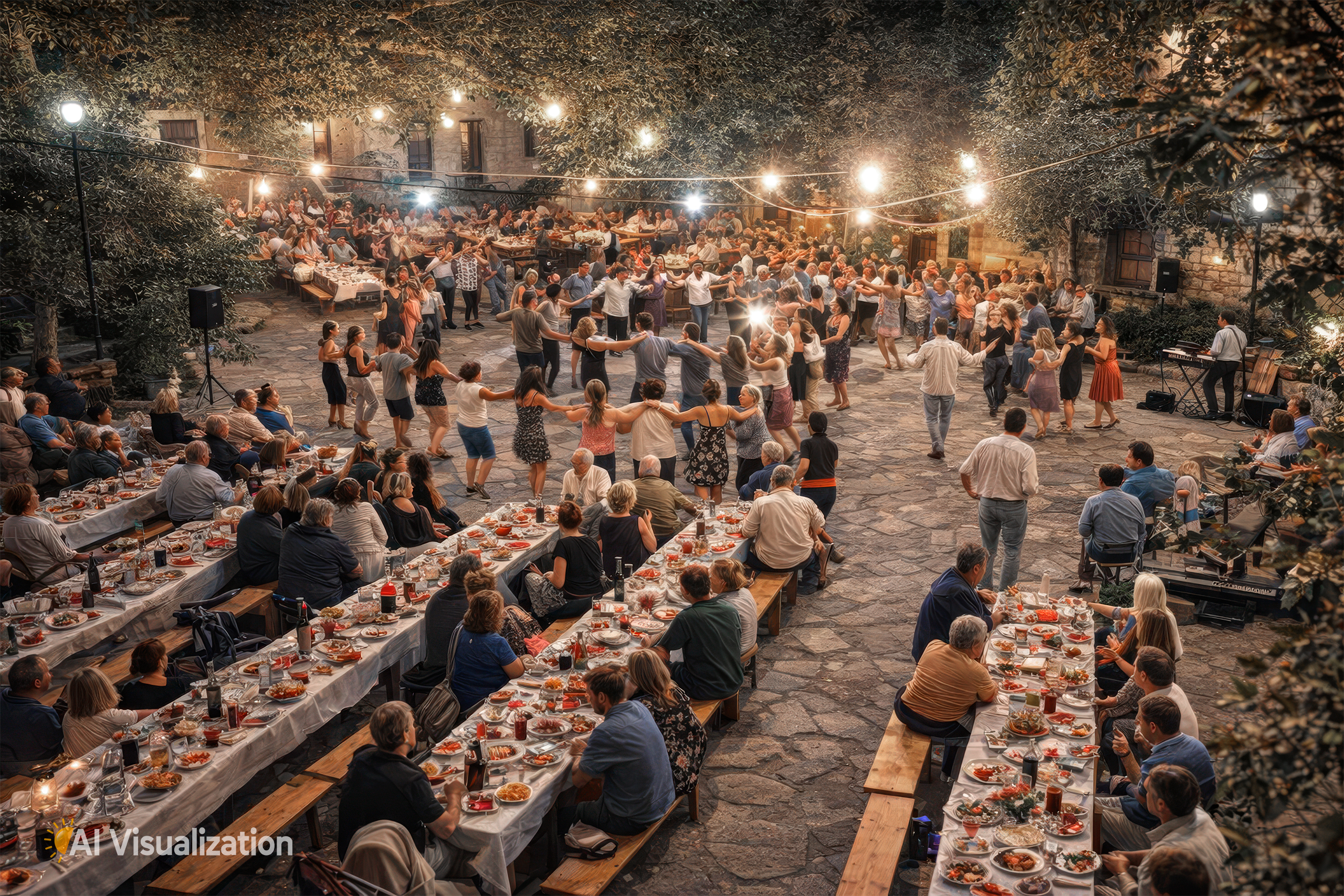
These details are not planned highlights. They emerge because the panigiri structure allows them.
Panigyria as Return and Continuity
For many Cypriots, panigyria are annual return points. Cyprus has a long history of migration from villages to cities and abroad. Feast days draw people back, if only for an evening. Sitting at a familiar table or joining a familiar dance becomes a quiet act of reconnection.
The patron saint often feels less like a distant religious figure and more like a guardian of continuity. Gratitude, protection, and memory intertwine, especially for older generations who associate the feast day with personal and collective history.
Why Panigyria Still Matters
In a world shaped by schedules, screens, and fragmentation, panigyria offer something increasingly rare. They create face-to-face connections without invitation lists, a community without formal membership, and meaning built from simple, repeated human acts.
They also protect local variation. Music, recipes, dialects, and customs shift subtly from village to village. Panigyria gives those differences space to be practiced, remembered, and passed on.
To understand Cyprus beyond beaches and landmarks, one summer evening at a panigyri is enough. Under string lights and open sky, with music rising and tables filling, the island reveals itself as it has for generations. Communal, faithful, generous, and still deeply village-centered.