Explore Cyprus with Our Interactive Map

Explore our top stories and discover ideas worth your time.

Ritual Function Over Aesthetic Realism

Ritual Function Over Aesthetic Realism

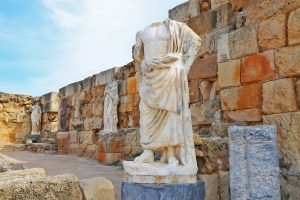
Ritual function over aesthetic realism in ancient Cypriot art meant creators focused more on making pieces that worked for spiritual purposes and clear symbols, rather than looking exactly like real life. This approach turned sculptures, pots, and carvings into tools for rituals, devotion, and symbolic clarity, putting heart and belief ahead of perfect looks. It's a style that makes art a bridge to the divine, sparking curiosity about what really mattered to island people long ago. A Style Built for Meaning, Not Mirrors Ancient Cypriot art placed practical use in rituals above lifelike details, creating items that served spiritual needs with bold, straightforward designs. Figures often appeared with exaggerated features or stiff poses, not from lack of ability, but to highlight symbols that carried deep significance. Across the island, from coastal temples to inland villages, this art helped connect communities with spirits, honor life's cycles, and bring order to daily existence. The simplicity allowed for easy recognition during ceremonies, where the focus stayed on the message rather than visual perfection. The Roots of Purposeful Art Cypriot art's emphasis on ritual began in the Neolithic period, around 8500 BC, when early settlers shaped clay and stone into forms tied to their survival needs. Excavations at Choirokoitia, a southern village site from 7000 BC, uncovered basic figurines with minimal features, such as…

Read more
Salt Flats Coastal Wetlands

Salt Flats Coastal Wetlands

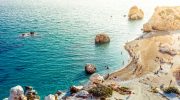
Salt Flats and Coastal Wetlands (Larnaca, Limassol, Akrotiri) are crucial ecosystems in Cyprus, serving as vital stopovers for migratory birds, habitats for flamingos, and homes to brine-adapted flora, holding international significance for biodiversity. These areas, including Larnaca Salt Lake, Limassol's Akrotiri Wetlands, and related sites, form interconnected zones where saltwater and freshwater mix, creating unique conditions that support thousands of species. They highlight the island's role as a Mediterranean biodiversity hotspot, where natural processes and human history intersect to foster life in challenging environments. A Vital Ecosystem in the Mediterranean Salt flats and coastal wetlands in Cyprus represent dynamic landscapes where land meets sea, characterized by shallow saline lakes, marshes, and mudflats that fluctuate with seasons. Larnaca Salt Lake, the largest inland wetland at 2.2 square kilometers, dries to a white crust in summer but fills with winter rains, hosting algae that tint waters pink. Limassol's Akrotiri Peninsula, covering 150 square kilometers, includes brackish lagoons and reed beds, while smaller sites like Oroklini add diversity. These zones support migratory birds numbering over 10,000 annually, flamingos that winter in flocks of 20,000, and brine-adapted plants like halophytes that thrive in salty soils. Their international significance stems from Ramsar Convention protection since 1997, recognizing them as wetlands of global importance for conservation and sustainable use. Formation Through Geology and Climate These wetlands…

Read more
Rural Farming Life in Cyprus

Rural Farming Life in Cyprus

Agriculture constituted the backbone of Cyprus's economy when the country achieved independence in 1960, consisting mostly of small farms and sometimes even subsistence operations. In the early 1970s, Cypriot farms, still overwhelmingly small owner-run units, furnished about 70 percent of commodity exports and employed about 95,000 people, or one-third of the island's economically active population. The traditional rural landscape featured fragmented holdings where families worked terraced hillsides and valley floors, producing grapes, olives, wheat, barley, carobs, and seasonal vegetables. This farming pattern shaped village life for centuries, creating rhythms of planting, harvesting, and communal celebration that defined Cypriot identity as much as the Orthodox church or family structures. How Villages Worked the Land Landholdings remained generally small, highly fragmented, and dispersed under traditional laws of inheritance. When a father died, his land divided equally among all children, creating increasingly smaller parcels with each generation. A single family might own a dozen tiny plots scattered across the village territory, requiring farmers to travel between distant fields throughout the day. This fragmentation made mechanization difficult and reduced efficiency. Traditional irrigation relied on natural springs, small rivers, and rainfall patterns. Farmers channeled spring water through stone aqueducts and earthen channels to reach thirsty crops during summer months. Villages located near reliable water sources prospered, while those depending solely on rainfall struggled during dry…

Read more