In Cyprus, outdoor family time is part of daily social life, with beaches, mountain picnic sites, and village squares functioning as extensions of the home. The island’s climate and geography make long, unhurried gatherings practical, and shared food, especially souvla, turns these outings into a routine that keeps generations connected. This article explains how the “siga-siga” rhythm shapes weekends and festivals, how sea and mountain settings create different kinds of togetherness, and why outdoor life remains one of Cyprus’s strongest family traditions.

Family Comes First, Everywhere
Cypriot society places family at its centre, and this is most visible when families gather outdoors. It is common to see grandparents, parents, children, and cousins arriving together at beaches or mountain picnic areas, setting up for a full day rather than a brief visit. These outings are rarely rushed. They are designed for presence, conversation, and shared time.
Grandparents play an essential role. They are not passive observers but active participants, guiding children, preparing food, and sharing memories. Outdoor gatherings allow generations to mix naturally, reinforcing bonds that might otherwise weaken in a more individualised lifestyle.

The Meaning of “Siga-Siga”
A defining feature of Cypriot outdoor life is the philosophy of “siga-siga”, meaning slowly, without hurry. Time outdoors is not organised around schedules or productivity. Instead, it follows the rhythm of the day, the weather, and the people present.
This approach is especially noticeable on Sundays. Sundays are widely understood as family days, often spent visiting relatives, hosting lunches, or gathering outdoors. There is no need for formal invitations. Presence is expected, and participation is assumed.
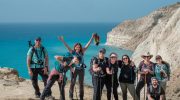
Rather than seeing walking, swimming, or hiking as fitness goals, Cypriots treat these activities as natural extensions of living. Physical movement happens as a result of being outside, not as the main objective.
Food as the Heart of Outdoor Gatherings
No Cypriot family outing is complete without food, and the most iconic expression of this is souvla. More than a barbecue, souvla is a slow, communal ritual. Large pieces of meat are cooked over charcoal for hours while conversations unfold around the grill.
The preparation itself becomes part of the gathering. One person tends the fire with quiet focus, another prepares salads or bread nearby, while children drift between adults, absorbing the rhythm of shared effort without instruction. Dishes appear gradually, passed from hand to hand rather than served all at once, allowing eating and conversation to overlap naturally.
Food in these settings is never about presentation or performance. It is about familiarity, generosity, and care. The smell of cooking often travels beyond the immediate group, drawing neighbours or passersby into conversation, reinforcing the Cypriot instinct to treat hospitality as an open, shared experience rather than a closed event.
Troodos Days: Shade and Water
Cyprus offers two distinct outdoor landscapes that shape family gatherings in different ways, yet serve the same purpose of bringing people together without pressure or formality.
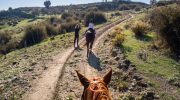
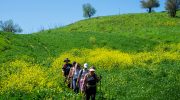
During the warmer months, many families head toward the Troodos Mountains, where shade, running water, and cooler air create an environment suited to long, unhurried stays. These outings rarely follow strict plans. A short walk may turn into a longer one, lunch may stretch into the late afternoon, and conversations often linger well into the evening as temperatures drop.
Along the coast, outdoor life takes on a different rhythm but an equally central role. Beaches function as informal communal spaces where families settle in for the day, alternating between swimming, eating, resting, and talking. Some prefer undeveloped stretches of coast that offer privacy and quiet, while others choose organised beaches that make participation easier for grandparents and young children alike. In both cases, the setting supports togetherness rather than dictating activity.

Festivals That Pull Families Outdoors
The Cypriot calendar includes numerous religious and seasonal events that naturally move family life into open spaces, turning public holidays into shared outdoor experiences.
Green Monday, which marks the beginning of Lent, is celebrated almost entirely outdoors. Families gather in fields, parks, and coastal areas to share plant-based meals, fly kites, and spend the day in each other’s company. The emphasis is not on ceremony but on presence, using open space as a setting for renewal and reflection.
Easter holds even greater significance. In the days leading up to it, villages come alive with outdoor preparations, processions, and communal activity. Many families return to ancestral villages during this period, reconnecting with extended relatives and familiar landscapes. Large outdoor meals mark the end of fasting, transforming celebration into a collective, shared release.
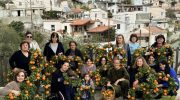
Village festivals, or panigyria, further reinforce this pattern. Combining religious observance with music, food, and dance, these gatherings draw families into village squares and church grounds, strengthening ties to place, tradition, and community memory.
Learning Through Being Together
Outdoor family life also functions as a quiet form of education. Children learn not through formal teaching but through observation and participation. They see how food is prepared, how elders are addressed, how guests are welcomed, and how shared spaces are respected.
Grandparents often guide children through walks in villages, visits to chapels, or conversations tied to specific locations, passing down stories linked to family history and local identity. These moments embed values and knowledge in lived experience, allowing culture to be absorbed naturally rather than explained.
A Tradition That Adapts Without Disappearing
While modern life has altered some practical aspects of outdoor gatherings, the core meaning remains unchanged. Technology may make coordination easier and equipment more convenient, but the intention behind these traditions has not shifted.
Urban families, with less access to open space during the week, often compensate with longer, more intentional weekend outings. There is also a growing interest in village stays and mountain retreats, reflecting a desire to reconnect with slower rhythms and environments that encourage togetherness without distraction.
Why Outdoor Life Works in Cyprus
Outdoor family traditions endure in Cyprus because they meet fundamental human needs. They reinforce belonging, reduce isolation, and create continuity across generations. Nature is not treated as a backdrop or escape, but as a shared environment where relationships are strengthened and maintained.
This is why outdoor life in Cyprus is not experienced as a trend or lifestyle choice. It is simply the way life unfolds. As long as families continue to gather around food, conversation, and open spaces, these traditions will remain woven into the island’s identity, carried forward quietly, one shared day at a time.