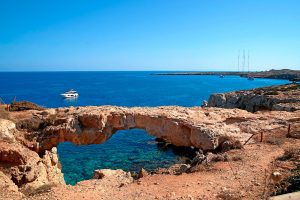
Explore Cyprus with Our Interactive Map

Explore our top stories and discover ideas worth your time.

Cyprus Public Bus Transport

Cyprus Public Bus Transport

Cyprus closed its last passenger railway in 1952, and the final narrow gauge system shut down in 1974. Since then, discussions about establishing modern rail connections between major cities have surfaced periodically, particularly as traffic congestion worsens. In October 2024, studies were still underway for potential railway development. However, no concrete plans have materialized, leaving buses as the sole option for public ground transportation. This absence of rail infrastructure places unique pressure on the bus system. Unlike cities where metro systems handle bulk passenger movement, Cyprus relies exclusively on road transport to connect urban centers, rural villages, and tourist destinations. Understanding the Four Types of Bus Services Cyprus operates four distinct categories of bus service, each serving a specific purpose. Airport transfer buses connect all major towns to Larnaca and Paphos airports. These services run frequently and provide tourists and residents with reliable links to international travel hubs. Adult fares typically range from €10 to €16 depending on the destination. Interurban buses link major towns daily with frequent routes. These services form the backbone of inter-city travel, operating through companies like InterCity Buses. Routes connect Nicosia, Limassol, Larnaca, Paphos, and the free Famagusta area throughout the day. Urban buses operate within towns, connecting different neighborhoods and running frequently during daytime hours. In tourist areas, summer services extend into late evening.…

Read more
Seafood Traditions in Cyprus

Seafood Traditions in Cyprus

Seafood in Cyprus is not simply a category of food. It is a thread that runs through daily life, seasonal rhythms, and religious practice, shaped by the island’s geography and long relationship with the Mediterranean. For centuries, fish and seafood have fed families, marked fasting and feasting days, and anchored community celebrations along the coast. To understand Cypriot cuisine is to understand how the sea quietly shapes what is eaten, when it is shared, and why it matters. Living with the Sea, Not Just Beside It Cyprus has always existed in close dialogue with the sea. As an island at the crossroads of the eastern Mediterranean, its communities learned early that the water surrounding them was not a boundary, but a resource that demanded attention, knowledge, and respect. Seafood never developed as a luxury reserved for special occasions. Instead, it became part of a broader way of living shaped by seasonality and necessity. Even inland communities adapted their diets to include preserved fish brought from the coast, ensuring that the influence of the sea extended well beyond the shoreline. This practical relationship explains why Cypriot seafood traditions are grounded in restraint. The goal has rarely been to impress, but to nourish reliably and share what is available. The Historical Roots of a Maritime Diet Fishing in Cyprus developed gradually alongside…

Read more
Erimi-Pamboula Cyprus

Erimi-Pamboula Cyprus

Erimi-Pamboula sits quietly in southern Cyprus, yet this ancient settlement tells one of the island's most important stories. From 3500 to 2900 BC, this village thrived along the Kouris River, giving its name to an entire culture that shaped Cyprus for over a thousand years. Erimi-Pamboula represents the heart of what scholars call the Chalcolithic period in Cyprus, a time when people first combined stone tools with early metalwork. The settlement stretched across 15 hectares on a low plateau just three miles from the coast, where the Kouris River provided fresh water and access to valuable resources. The village was large enough and influential enough that the entire cultural period became known as the "Erimi culture," a name still used today. The site rests within what is now the modern village of Erimi, located in the Kouris River valley. This valley has attracted people for thousands of years because of its natural advantages. Historical Background The modern story of Erimi-Pamboula begins in 1933. Cypriot archaeologist Porphyrios Dikaios arrived at the site and spent three years excavating what would become one of the most important prehistoric settlements in Cyprus. Though Dikaios only uncovered about 150 square meters, he found layers of occupation stretching 5.5 meters deep, revealing centuries of continuous human activity. His work laid the foundation for understanding Cyprus's Chalcolithic…

Read more