Explore Cyprus with Our Interactive Map

Explore our top stories and discover ideas worth your time.

Troodos Mountains: Geology Shaped Cyprus

Troodos Mountains: Geology Shaped Cyprus

The Troodos Mountains are one of the world’s clearest places to walk through ancient oceanic crust, preserved as an ophiolite and lifted above sea level in the centre of Cyprus. This exposed seafloor sequence helped scientists understand plate tectonics and later shaped Cypriot history by concentrating copper deposits, influencing climate, and supporting mountain settlement and tradition. This article explains how Troodos formed, how to “read” its layers across the landscape, and why the range connects deep geology with everyday life on the island. A Mountain Made from Seafloor At first glance, Troodos looks like a typical Mediterranean highland: pine forests, winding roads, cool air in summer. What lies beneath, however, is extraordinary. The mountains are formed from an ophiolite, a complete slice of ancient oceanic crust and upper mantle that was pushed upward instead of sinking back into the Earth. This makes the Troodos range one of the best-preserved and most accessible examples of oceanic lithosphere anywhere in the world. For geologists, it functions like a natural textbook laid open across the landscape. For visitors, it offers something rarer: the chance to stand on rocks that once formed the floor of a vanished ocean. Ninety Million Years, Now Visible The rocks of Troodos formed around 90 million years ago beneath the Neotethys Ocean. At that time, molten material rose from…

Read more
Makronissos Beach

Makronissos Beach

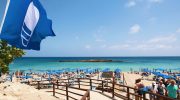
The Makronissos beach takes its name from the small peninsula where it sits. The word Makronissos comes from Greek and means "long island," a reference to the tail-shaped landmass that was once separated from the mainland. The main beach stretches westward, while two smaller bays branch off toward the southwest and southeast. These natural formations create protected swimming areas with calm waters throughout most of the season. The golden sand is fine and soft, without the pebbles or coarse grains common at many Mediterranean beaches. The waters remain shallow for a considerable distance from shore, which allows children to wade and play safely. Parents can relax knowing that the gentle slope of the seabed means their kids can walk quite far out while still touching bottom. The southwestern section falls within a Natura 2000 protected area, part of a European network of conservation sites. This designation reflects the ecological importance of the coastal environment and ensures that development balances tourism with environmental protection. Historical Background The Makronissos Necropolis sits just behind the beach and contains 19 rock-cut tombs from the Hellenistic and Roman periods. The Municipality of Ayia Napa sponsored intensive excavations between November 1989 and January 1990. These tombs had been targets of illegal digging since 1872, which damaged many of the burial chambers and removed valuable artifacts before…

Read more
Adonis Nature Trail

Adonis Nature Trail

The Adonis Nature Trail sits near the Baths of Aphrodite within the Akamas Peninsula. This path follows a historic route where myth and nature meet on the northwest coast. A steep ascent leads toward the Pyrgos tis Rigainas, where ancient ruins stand silent. Every step reveals a wide view of the blue Mediterranean Sea below.  The air carries the scent of wild thyme and salty breeze throughout the year. This trek serves as a physical challenge for those who seek high vantage points. It offers a direct look at the rugged beauty of the Cypriot landscape. Each segment provides a unique perspective of the coastal cliffs. Trail Overview Location: Akamas Peninsula, Paphos District, Cyprus Distance: 4.7 miles (7.5 km) Route Type: Loop Difficulty: Moderate to Hard Elevation Gain: 1,300 feet (400 meters) Duration: 3 hours Best Time to Visit: January to May Terrain: Rocky paths, dirt tracks, and coastal cliffs Technical Ascent and Path Structure The trek begins at the same point as the Aphrodite Trail near the botanical gardens. A clear split in the path marks the start of the Adonis loop. The incline starts almost at once and requires steady effort. Loose stones cover the track and demand focus for a safe foot placement.  This part of the hill consists of limestone and sandstone formations. These rocks create…

Read more