Explore Cyprus with Our Interactive Map

Explore our top stories and discover ideas worth your time.

Ayia Napa Thalassa Museum

Ayia Napa Thalassa Museum

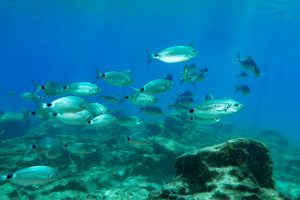
The Thalassa Municipal Museum stands in the center of Ayia Napa as the first museum dedicated entirely to maritime heritage in the Mediterranean region. Named after the Greek word for 'sea,' it opened in August 2005 to showcase the relationship between Cyprus and the surrounding waters. The museum operates under the direction of the Pierides Foundation, the Hellenic Institute for the Preservation of Nautical Tradition, and the Tornaritis-Pierides Marine Life Foundation. The building itself, constructed from marble, onyx, wood, and metal, features six levels where exhibits can be viewed from multiple angles, including underground display cases that visitors walk over. Maritime History Through the Ages The museum presents 7,000 years of Cypriot history, from the Neolithic period to Venetian rule (5000 B.C. to 1600 A.D.) Archaeological treasures include a composite vase with vertical handle from the Early Bronze Age III period (2100-1900 B.C.), a clay model of a ship with sailors and captain from the Cypro-Archaic II period (600-480 B.C.), and four red figured plates decorated with fish from the Classical and Hellenistic periods (475-30 B.C.). These artifacts demonstrate how ancient Cypriots lived, traded, and traveled across the Mediterranean. The museum also displays a replica of a Mesolithic papyrus vessel from 9200 B.C., which archaeologists believe was used to transport obsidian across the Aegean Sea. The Kyrenia Ship Discovery The…

Read more
Cyprus Venetian Fortifications

Cyprus Venetian Fortifications

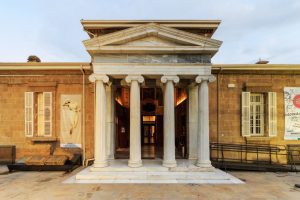
The Venetian fortifications of Cyprus represent some of the most impressive defensive structures built during the Renaissance period. Between 1489 and 1571, the Republic of Venice controlled Cyprus and invested heavily in fortifying three major cities: Nicosia, Famagusta, and Kyrenia. These fortifications were designed to protect the island from Ottoman invasion using the latest military engineering techniques of the 16th century. The walls featured pentagonal bastions, thick earthwork ramparts, and deep moats, all adapted for the age of gunpowder artillery. Despite their sophisticated design, these fortifications faced their ultimate test in 1570 when Ottoman forces invaded Cyprus. The siege of Famagusta in particular demonstrated both the strength of Venetian military architecture and the determination of defenders who held out for nearly a year against overwhelming odds. Historical Background Cyprus became a Venetian possession in 1489 when Queen Catherine Cornaro, who had married into the Lusignan royal family of Cyprus, was forced to abdicate and cede the island to Venice. The Republic saw Cyprus primarily as a military base to protect its commercial interests in the Eastern Mediterranean. Venice had been active in Cyprus since around 1000 AD, and the island's location made it valuable for controlling Levantine trade routes. The island also produced profitable cotton and sugar exports. For decades, Venetian governors emphasized the need for better fortifications, but little…

Read more
Teaching Traditional Crafts in Cyprus Villages

Teaching Traditional Crafts in Cyprus Villages

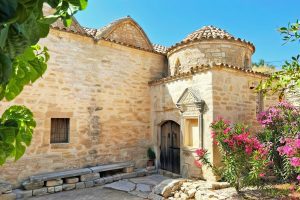
Learn a craft even if you don't need to and if you get hungry, practice it." This old Cypriot folk saying reflects the pragmatic wisdom of village life where craftsmen held backup skills to supplement income during agricultural hardship. Not so long ago people living at Cyprus villages were either farmers or shepherds and at the same time practiced a craft. People had to be creative and multi-talented, able to supplement their income if they faced difficulties, and a craft always came in handy. They engaged in basket weaving, icon painting for rich churches and landlords, silversmithing, wood carving, ceramic and pottery making, mosaic making, embroidery, wine and Commandaria making, and many more. The Cyprus Handicraft Service System In 1975 the Ministry of Commerce, Industry and Tourism undertook the responsibility for the preservation of Cyprus Folk Art, its development and encouragement into modern cottage industry and handicrafts. Specialised members of staff made studies and started projects initially funded by the High Commission for Refugees with the main target of offering employment to refugees and other affected persons and in parallel, the long-term development of cottage industry and handicrafts. For the implementation of these goals the Cyprus Handicraft Service created the Handicraft Centre in Nicosia in 1979 with experimental workshops such as Embroidery, Weaving, Woodcarving, Pottery, Metalwork, Basketry and General Handicrafts,…

Read more