Explore Cyprus with Our Interactive Map

Explore our top stories and discover ideas worth your time.

Seasonal Fishing Rituals of Cyprus

Seasonal Fishing Rituals of Cyprus

Cyprus fishing communities maintain ancient rituals that connect Orthodox faith with maritime traditions. The most significant ceremony occurs on Epiphany, January 6, when priests bless coastal waters and throw a cross into the sea for young men to retrieve. This ritual invokes protective power for fishermen and sailors throughout the coming year. The island's fishing heritage stretches back thousands of years, with fish being one of the main trade products in ancient times. Traditional fishing techniques, boat blessings, and seasonal ceremonies bind communities to the sea that sustains them. These rituals serve practical and spiritual purposes, ensuring divine protection for dangerous work while reinforcing social bonds among fishing families. The ceremonies mark the rhythm of fishing seasons and create moments when entire coastal villages gather at harbors to witness sacred traditions passed down through generations. The Epiphany cross dive tradition On January 6, coastal towns including Limassol, Larnaca, Paphos, and Ayia Napa host elaborate cross diving ceremonies. After morning liturgy, priests lead processions to harbors and beaches where thousands gather to witness the blessing of waters. The priest casts the Holy Cross into the sea while chanting the hymn When You Were Baptised in the Jordan, O Lord. Dozens of young men plunge into the cold January water, competing to retrieve the cross. The first person to grasp it receives…

Read more
Traditional Animal Farming in Cyprus Rural Life

Traditional Animal Farming in Cyprus Rural Life

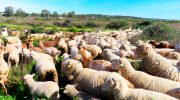
Traditional animal farming formed the economic and cultural foundation of Cyprus villages for millennia, with sheep, goats, cattle, pigs, and poultry sustaining rural communities through meat, milk, eggs, and raw materials for clothing and tools. The Bronze Age village of Politiko-Troullia from 2050 to 1850 BC already showed evidence of copper metallurgy alongside sheep, goat, cattle, and pig consumption, establishing patterns that persisted for 4,000 years. Sheep and goat farming developed particular importance due to their suitability for Cyprus's rocky terrain, scrubland vegetation, and semi-arid climate. These hardy animals provided the milk for halloumi, Cyprus's most famous product, which traditionally used only sheep and goat milk before modern commercial production began adding cow milk. The island maintained approximately 3,500 shepherds and goat farmers into the 20th century who followed transhumance patterns between lowland winter pastures and mountain summer grazing. This traditional system collapsed during the 1980s as modernization, European Union regulations, and urban migration transformed animal husbandry from small family enterprises into larger commercial operations. Ancient Livestock Traditions and Bronze Age Evidence Archaeological excavations at Politiko-Troullia in the Troodos foothills revealed sophisticated Bronze Age livestock management strategies that combined herding with copper metallurgy and crop cultivation. Faunal analysis identified consumption of sheep, goat, cattle, and pig as daily subsistence, with community-scale ritual feasting focused on fallow deer. The inhabitants practiced…

Read more
Expat Life in Cyprus

Expat Life in Cyprus

Cyprus has quietly become one of Europe's most attractive destinations for people seeking a new home abroad. The Mediterranean island combines year-round sunshine, affordable living costs, and a welcoming environment that has drawn over 260,000 foreign residents to its shores. Nearly 20% of the population comes from other countries, which creates a diverse community where newcomers can settle comfortably without feeling isolated. The expat population represents a mix of retirees, digital nomads, business owners, and families looking for better quality of life. British nationals form the largest group with around 60,000 residents, followed by significant communities from Romania, Bulgaria, Russia, and Greece. Americans and Canadians represent a smaller but growing segment of the expat population. Safety ranks as one of Cyprus's strongest selling points. The island consistently appears among the safest countries globally, with very low crime rates that appeal especially to families and retirees. This security, combined with over 300 days of sunshine annually, Mediterranean beaches, and a relaxed lifestyle, creates an environment where people can focus on enjoying life rather than worrying about daily safety concerns. The island joined the European Union in 2004, which provides legal protections and economic stability. Cyprus plans to join the Schengen Area in 2026, pending final EU approval. This move will eliminate passport checks between Cyprus and 29 other European countries, making…

Read more