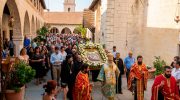
Cyprus fishing communities maintain ancient rituals that connect Orthodox faith with maritime traditions. The most significant ceremony occurs on Epiphany, January 6, when priests bless coastal waters and throw a cross into the sea for young men to retrieve. This ritual invokes protective power for fishermen and sailors throughout the coming year.

The island’s fishing heritage stretches back thousands of years, with fish being one of the main trade products in ancient times. Traditional fishing techniques, boat blessings, and seasonal ceremonies bind communities to the sea that sustains them. These rituals serve practical and spiritual purposes, ensuring divine protection for dangerous work while reinforcing social bonds among fishing families.

The ceremonies mark the rhythm of fishing seasons and create moments when entire coastal villages gather at harbors to witness sacred traditions passed down through generations.
The Epiphany cross dive tradition
On January 6, coastal towns including Limassol, Larnaca, Paphos, and Ayia Napa host elaborate cross diving ceremonies. After morning liturgy, priests lead processions to harbors and beaches where thousands gather to witness the blessing of waters. The priest casts the Holy Cross into the sea while chanting the hymn When You Were Baptised in the Jordan, O Lord. Dozens of young men plunge into the cold January water, competing to retrieve the cross.

The first person to grasp it receives blessings and good luck for the entire year according to tradition. In Limassol, the ceremony takes place in the old harbor with the Cyprus anthem playing before divers enter the water. After the ritual, everyone receives wine and sweets in celebration. Larnaca holds its ceremony at the marina opposite the Church of Saint Lazarus, with sailors decorating boats in Greek and Cypriot flags before throwing the cross from a vessel.

Paphos conducts the blessing near the ancient castle, accompanied by choir performances and festive parades. The ritual symbolizes purification and renewal, with participants believing all water on earth becomes holy on Epiphany Day.
Blessing boats and fishing gear for protection
Beyond Epiphany, fishermen maintain traditions of blessing their boats and equipment throughout the year. Priests visit harbors to sprinkle holy water on vessels, asking for safety and abundant catches. Fishermen keep bottles of blessed water from Epiphany next to icons on their boats, drinking it during storms or difficult times for spiritual strength and protection. In rural coastal villages, priests also bless livestock and fields with holy water to ensure fertility and prosperity. The blessing ceremonies create communal events where fishing families gather to renew their commitment to traditional practices.

Older fishermen teach younger generations the proper rituals, ensuring continuity of knowledge. The ceremonies also serve practical functions, bringing isolated coastal communities together to affirm mutual aid networks that sustained past generations. Boat decorations include religious icons and crosses that serve as constant reminders of divine protection. Some fishing families maintain shrines to Saint Nicholas, patron saint of sailors, in their homes and on boats.
Annual fishing festivals preserve heritage
Coastal villages organize annual fishing festivals that demonstrate traditional techniques while celebrating maritime culture. These events typically occur during summer months when weather permits large gatherings. Fishermen showcase traditional net making, boat building, and preservation methods that have existed for centuries.

Visitors can watch demonstrations of long line fishing, lampara nets, and other techniques specific to Mediterranean waters. The festivals feature Cypriot cuisine focused on seafood, with grilled fish, octopus in wine sauce, and squid prepared according to recipes passed through generations. Traditional music and dance performances create festive atmospheres that unite communities.
The festivals serve multiple purposes beyond entertainment, functioning as educational events where young people learn about fishing heritage. They also provide economic benefits to coastal towns through tourism while encouraging preservation of traditional crafts. Fishermen consider these festivals important for passing fishing culture to the next generation and keeping the sector alive despite declining fish stocks and aging populations.
The decline of traditional fishing and efforts to preserve it
Fishing in Cyprus has declined rapidly since the 1990s due to overfishing, aging populations, and lack of young people entering the profession. Educational levels in fishing communities remain low, and integration of new technologies lags behind other sectors. The population in traditional fishing villages continues aging without sufficient replacement from younger generations.

Cultural heritage projects now work to document traditional ecological knowledge before it disappears. The CHERISH project brought together fishermen, policymakers, and cultural organizations to record traditions and relevant information about fishing communities in Paphos and other regions. Fishermen show eagerness to work with stakeholders to preserve their heritage, recognizing that annual festivals and tourism initiatives help maintain traditional practices.

Fishing tourism offers one solution, allowing fishermen to supplement income by taking visitors on trips while demonstrating traditional techniques. This creates jobs related to both tourism and hospitality while keeping fishing traditions alive. The University of Cyprus developed platforms promoting fishing tourism where people can search for traditional fishing trips and connect directly with boat captains.
Modern challenges to ancient rituals
Political divisions and economic changes threaten continuity of fishing rituals. The 1974 division of Cyprus separated some fishing communities from their traditional grounds and disrupted networks that sustained practices. Younger generations often pursue education and careers away from fishing villages, breaking transmission of knowledge from elders. Climate change affects fish populations and migration patterns, forcing adaptation of techniques developed over centuries.

European Union fishing quotas and regulations sometimes conflict with traditional practices, creating tension between preservation and compliance. Tourism development transforms coastal areas, with marinas replacing traditional fishing shelters and luxury apartments occupying former fish markets. Yet many communities resist these pressures, maintaining festivals and ceremonies as anchors of identity.
The Orthodox Church continues supporting water blessing rituals, ensuring religious aspects remain vibrant even when commercial fishing declines. Some villages have restored traditional boat designs and fishing methods as cultural attractions, creating living museums where visitors experience authentic practices.
Why these rituals still matter today
Fishing rituals connect modern Cyprus to its maritime heritage stretching back millennia. The ceremonies preserve traditional ecological knowledge about seasonal patterns, fish behavior, and sustainable harvesting that took generations to develop. The communal aspect strengthens social bonds in coastal villages where fishing families depend on mutual support during dangerous work.

The religious dimension provides comfort and meaning for professions that face constant risk from weather and sea conditions. For Orthodox Cypriots, the Epiphany blessing links island traditions to broader Mediterranean Christian practices while maintaining distinctly Cypriot elements. The rituals demonstrate how faith operates as social practice rather than just private belief, creating embodied experiences through processions, cross diving, and shared celebration.
The survival of these traditions shows resilience of fishing communities despite economic pressures and demographic changes. For Cyprus as a whole, the fishing rituals represent authentic cultural heritage that distinguishes the island from generic Mediterranean tourism destinations. The ceremonies anchor coastal communities to place and history in ways that resist homogenization.