Explore Cyprus with Our Interactive Map

Explore our top stories and discover ideas worth your time.

Cypriot Legends Academic Research

Cypriot Legends Academic Research

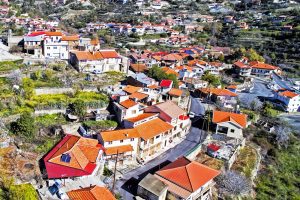
Academic research into Cypriot legends represents a systematic effort to collect, preserve, and analyze the island's oral traditions and cultural narratives. Researchers use established methodologies from folklore studies and ethnography to document stories that have passed through generations primarily by word of mouth. This work involves recording interviews, observing cultural practices, transcribing oral narratives, and archiving materials for future study. The goal is to preserve these legends before they disappear and to understand what they reveal about Cypriot culture, history, and identity. The development of folklore documentation in Cyprus Formal folklore research in Cyprus began in the mid 20th century. The Cyprus Research Centre established its Folklore Archive in 1962 specifically to collect and record Cypriot linguistic and folklore materials. This marked a shift from casual storytelling to organized documentation. The center later created the Oral Tradition Archive in 1990, which focuses on archiving oral materials using modern recording technology. Earlier in the century, British Cypriot social anthropologist John Peristiany conducted groundbreaking ethnographic work in a Pitsilia village during the 1950s. His 1965 article about honor and shame in a Cypriot highland village helped establish Mediterranean anthropology as a distinct field. This work demonstrated how Cyprus could serve as a valuable case study for understanding broader cultural patterns. The University of Cyprus established a Department of Social and Political Sciences…

Read more
Papoutsa Nature Trail

Papoutsa Nature Trail

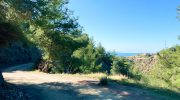
The Papoutsa Nature Trail represents a significant high-altitude route within the Pitsilia region of Cyprus. This path climbs toward the summit of Mount Papoutsa, which stands as the third-highest peak on the island. Hikers traverse a landscape defined by rugged volcanic rock and sparse mountain vegetation. The environment around this trail features a unique mix of endemic plants and geological formations. Local history connects this mountain to the traditional life of the nearby villages like Palaichori and Agros. This area serves as a vital water catchment zone for the southern plains of the island. Visitors encounter a quiet atmosphere that contrasts with the busy coastal resorts. The trail offers a clear view of the surrounding valleys and the distant sea on clear days. This path is a testament to the raw and unyielding beauty of the Cypriot interior mountains. Trail Overview Location: Near Palaichori Village, Pitsilia Region, Cyprus Distance: 4.3 miles (7 km) Route Type: Out & Back Difficulty: Hard Elevation Gain: 550 meters Duration: 3 – 4 hours Best Time to Visit: March – May and September – November Terrain: Rocky, steep mountain slopes, and dirt tracks Geological Composition and Volcanic Origins The ground beneath the Papoutsa Nature Trail consists of ancient volcanic material from the Troodos ophiolite complex. This rock formed millions of years ago on the deep…

Read more
Amathus Vase Stone

Amathus Vase Stone

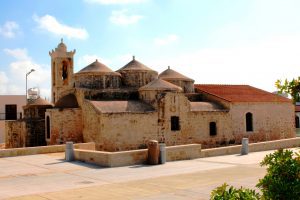
The Amathus Vase is a colossal Cypro-Archaic stone basin carved from local shell limestone, created as a fixed ritual centre in the Sanctuary of Aphrodite at Amathus. Its bull-handles, architectural motifs, and an Eteocypriot inscription fuse water purification, political authority, and indigenous identity into a single monument designed to be permanent. This article explains how the vase functioned in worship, what its imagery and language signal about Amathus, and how its 19th-century removal to the Louvre changed the way Cyprus’s past is seen today. Fourteen Tons of Ritual Scale The first thing the Amathus Vase communicates is scale. This is not a container designed to be moved, handled, or admired up close. It belongs to architecture rather than furniture, a fixed presence around which ritual unfolded. Carved from a single block of local shell limestone, the vessel’s massive form would have dominated the sanctuary courtyard. Its weight alone makes clear that this was not an offering made by an individual, but a statement commissioned by authority. In ancient Cyprus, monumental stone signalled permanence, legitimacy, and divine favour. The vase was meant to endure, both physically and symbolically. A Vessel Shaped by Place The limestone used for the vase came from the southern Cypriot coast, embedding the object materially in the landscape of Amathus. Shell limestone is porous and fossil-rich, a…

Read more