The InterCity Buses company operates the primary network linking Nicosia, Limassol, Larnaca, Paphos, and the free Famagusta area. These routes run seven days a week throughout the year, with schedules designed to accommodate both weekday commuters and weekend travelers.

Buses between Nicosia and Limassol depart every 30 minutes, with tickets costing between €6 and €8. The journey covers approximately 85 kilometers and takes between 1 hour 26 minutes and 1 hour 45 minutes, depending on traffic and specific route variations.
The Larnaca to Paphos route passes through Limassol, creating a coastal corridor that serves tourist areas and residential zones. This route operates multiple times daily, though less frequently than the Nicosia-Limassol connection. Passengers can board at various stops along the way, making these buses practical for intermediate destinations.
Routes also connect Nicosia with Paphos, Ayia Napa, and Paralimni. The free Famagusta area receives regular service from all major cities, ensuring residents have access to the broader transportation network. Each route features multiple departure times throughout the day, though frequency varies by demand and season.
Understanding Service Frequency and Schedules
On weekdays, the earliest bus from Limassol to Nicosia departs at 5:30 AM, with the last departure at 9:30 PM. Weekend and holiday schedules differ slightly, with first departures typically starting at 7:00 AM and final buses leaving around 10:30 PM.
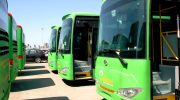
The busiest routes maintain 30-minute intervals during peak hours. Less traveled connections may operate hourly or every two hours, particularly during off-peak times. Summer schedules generally offer more frequent service to accommodate tourist demand, while winter timetables reduce frequency on certain routes.
Service ends relatively early compared to European standards. Most intercity routes complete their final runs between 9:00 PM and 10:30 PM, leaving limited options for evening travel. This schedule reflects both demand patterns and driver working hours across the island.
What Ticket Prices Look Like Across Routes
Intercity bus tickets typically cost between €4 and €9 for one-way journeys, with round-trip fares ranging from €7 to €13. The exact price depends on distance traveled and specific route characteristics. Shorter connections between nearby cities cost less than trips spanning the island’s full width.

Monthly and annual passes provide better value for regular travelers. A personalized Motion card with a 30-day pass costs €50 and works across all intercity routes plus urban services in Nicosia, Limassol, Larnaca, Paphos, and the free Famagusta area. Annual passes cost €500, breaking down to roughly €42 per month for unlimited travel.
Students, soldiers, welfare recipients, and other eligible groups receive 50 percent discounts when using personalized Motion cards. Children under six ride free without documentation, while those aged 6 to 18 pay half price when presenting valid identification.
The Motion Card System That Simplifies Payment
The Motion card represents Cyprus’s unified payment platform for all public bus services. The Ministry of Transport, Communications and Works manages this system, which works across every bus operator on the island. Passengers can use a single card for both urban routes within cities and intercity connections between them.

Two types of Motion cards exist. Non-personalized plastic cards cost €2 to purchase and can hold 7-day or 30-day period tickets plus an electronic wallet storing up to €50. These cards allow up to two transfers within 60 minutes without additional charges, making connected journeys practical and economical.
Personalized Motion cards require photo identification and proof of eligibility for discounts. University students, school children, pensioners receiving low-income support, public aid recipients, and National Guard soldiers all qualify for reduced fares. Cards can be topped up online through the JCC Smart platform or at designated sales points throughout Cyprus.
Travel Times Between Major Destinations
The fastest bus from Limassol to Nicosia takes 1 hour 29 minutes, while the average journey requires 1 hour 45 minutes. Traffic conditions in both cities affect travel time, particularly during morning and evening rush hours when commuters fill the roads.
Larnaca to Nicosia takes approximately 45 minutes to one hour, making this one of the quickest intercity connections. The relatively direct route along the A2 highway minimizes stops and keeps journey times predictable. Frequency on this route supports commuters working in the capital but living in the coastal city.

The Limassol to Paphos journey covers roughly 65 kilometers and takes between 1 hour 15 minutes and 1 hour 45 minutes, depending on stops and traffic. Multiple daily departures provide flexibility for different schedules.
Longer routes connecting opposite ends of the island, such as Nicosia to Paphos or Ayia Napa to Paphos, can exceed two hours. These journeys include intermediate stops in Limassol or Larnaca, allowing passengers to board or disembark at major hubs along the way.
Bus Facilities and Passenger Comfort
Modern intercity buses in Cyprus feature air conditioning, a critical amenity during hot summer months when temperatures regularly exceed 35 degrees Celsius. The fleet has undergone significant upgrades in recent years, with newer vehicles replacing older models across most routes.

Buses provide comfortable seating designed for journeys exceeding one hour. Large windows offer views of Cyprus’s countryside, coastal areas, and mountain ranges. Luggage storage exists both overhead and in dedicated compartments, accommodating suitcases and larger bags.
Professional drivers handle all intercity routes, trained specifically for long-distance passenger transport. The companies employ customer service call centers that operate daily from 8:00 AM to 9:00 PM, providing schedule information and route guidance.
However, buses lack onboard restrooms, which can present challenges on longer routes. Drivers sometimes make brief stops at designated areas on extended journeys, though this varies by route and schedule.
Limitations That Affect Daily Use
Evening service restrictions limit spontaneous travel and social activities. Someone attending an event in another city must leave by 9:00 PM or 10:00 PM to catch the last bus home. This constraint pushes many toward car ownership simply to maintain flexibility for evening plans.
Weekend schedules reduce frequency on several routes, making buses less practical for leisure travel on Saturdays and Sundays. Families planning day trips must carefully coordinate departure and return times, adding complexity that private vehicles avoid entirely.
Rural areas receive limited intercity access. Villages between major cities may see only a few daily bus services, if any. Residents of these communities rely heavily on private transportation, as the bus network focuses primarily on linking urban centers.
No route operates 24 hours, leaving overnight travelers without public transport options. Late-night events, early morning flights, or irregular work schedules require alternative arrangements.
Recent Improvements and Digital Integration
The official Cyprus Bus application transformed how passengers interact with the system. Real-time arrival information removes the frustration of uncertain wait times at bus stops. Users can check if their bus is delayed or running early and track progress during journeys.

Fleet modernization continues across the intercity network. Companies have purchased new buses with improved comfort features, better fuel efficiency, and enhanced reliability. While electric buses remain absent from intercity routes, newer diesel models meet higher emissions standards than previous generations.
Payment integration through the Motion card eliminates the need to carry exact change or understand complex fare structures. Passengers tap their card when boarding, and the system automatically calculates the correct charge based on route and transfer status.
Customer service improvements include a toll-free information line operating 13 hours daily. Passengers can call 8000 77 89 to ask about routes, schedules, lost items, or any service-related questions.