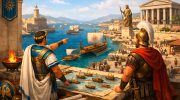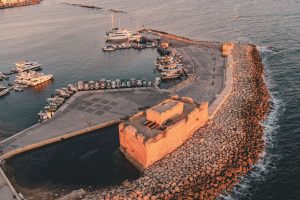
Kition was a city on the southeast coast of Cyprus, where modern Larnaca is today. It was founded in the late 13th century BC during the Late Bronze Age and remained inhabited until the Ptolemaic period. The city had many names: Kittim in the Bible, Kitiya in Phoenician, and Citium in Latin. Kition was an important port, connecting Cyprus with the Aegean, the Levant, and Egypt.
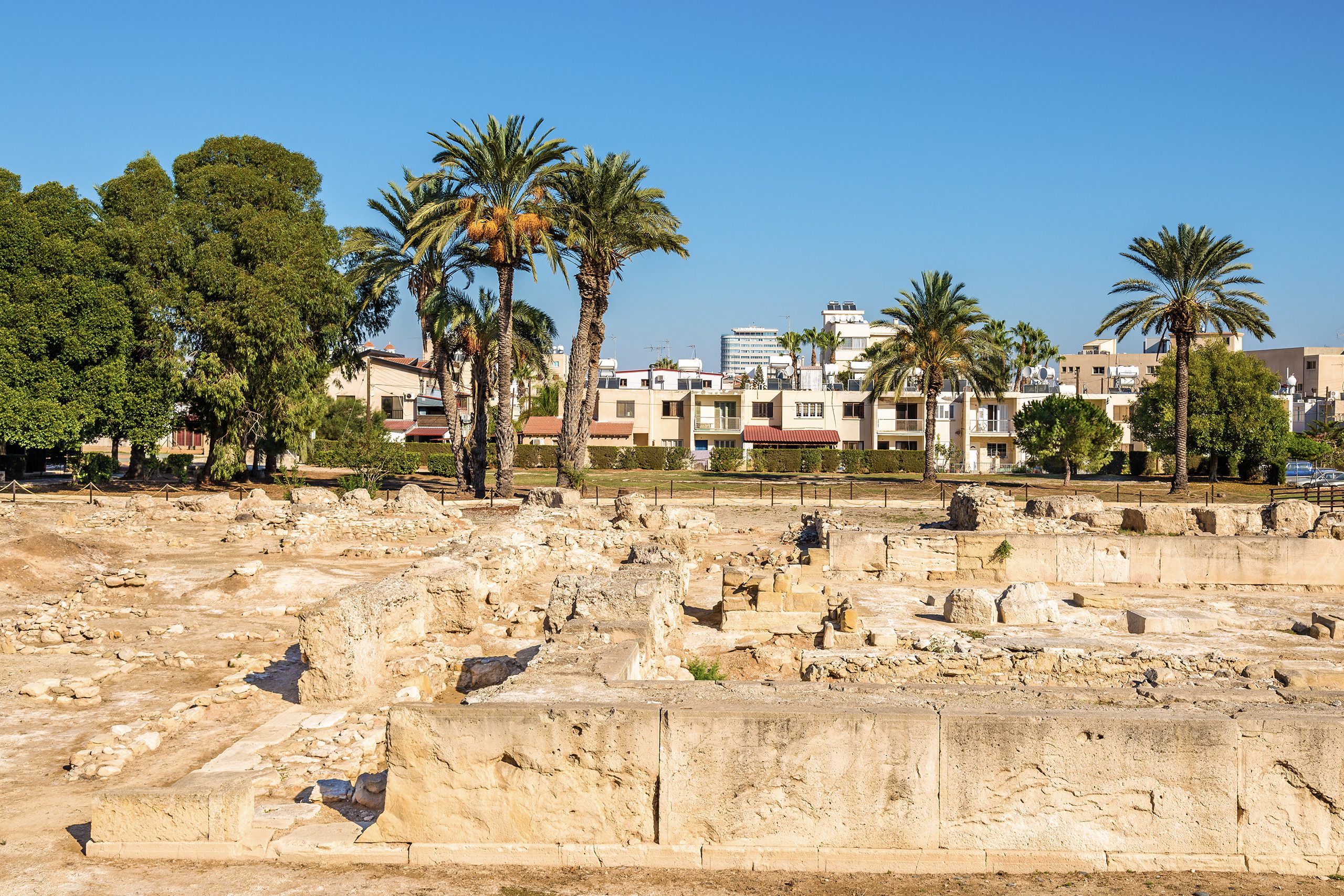
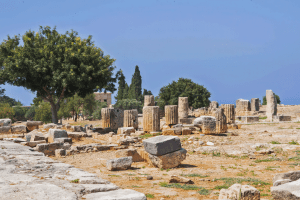
The city spread over a large area under modern Larnaca, but only some parts have been dug up. The main archaeological areas are Kathari (Area II), about 500 meters north of Bamboula hill, and Bamboula, about 50 meters north of the Larnaca Archaeological Museum. Excavations here have uncovered temples, city walls, houses, and a 5th-century BC naval harbor with sheds for triremes (ancient warships).
Kition’s importance was so well-known in ancient times that in Hebrew, Kittim came to mean all western peoples. The modern name Larnaca comes from the Greek word larnax, meaning sarcophagus, because many ancient tombs were found in the area.
Historical Background
Around 1300 BC, Mycenaean Greeks founded Kition to take advantage of local copper deposits during the Late Cypro II period. The early city had mudbrick walls for protection and typical Late Bronze Age buildings. Around 1200 BC, a wave of destruction swept through many cities at the end of the Bronze Age, including Kition. Unlike many other sites, Kition was rebuilt quickly, bigger and stronger than before.
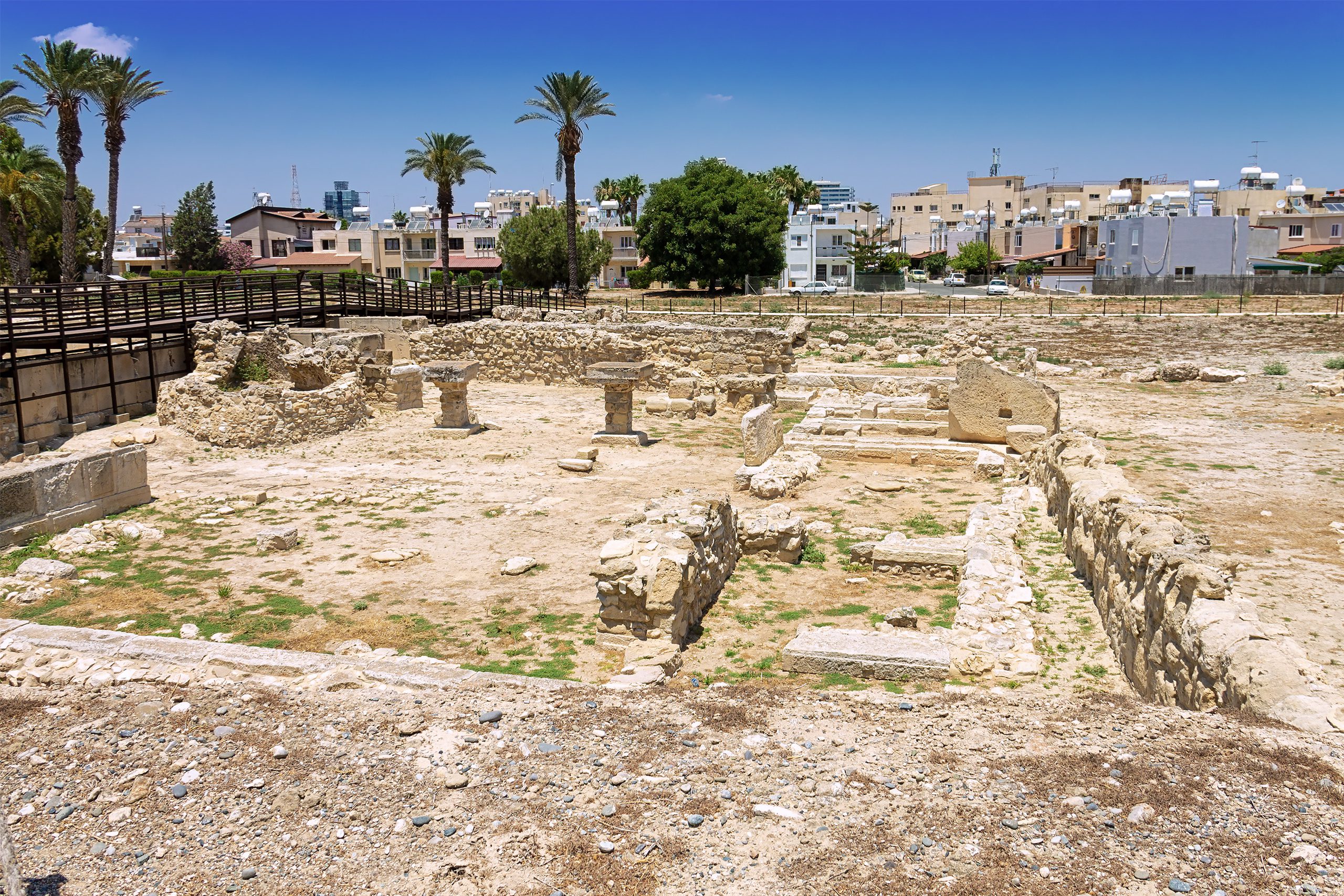
The rebuilt city had cyclopean walls made of huge, irregular stones instead of mudbrick, showing both the city’s wealth and the need for better security. Inside the walls, several large temples were built with carefully cut stone blocks. Temple 1 at Kathari has graffiti of ships on its south wall, showing the city’s maritime connections.
Around 1000 BC, the religious area was abandoned, but people still lived in other parts of the city. Archaeologists see a gap in the layers at Kathari between 1000 BC and 800–725 BC, though the reason and length of this gap are unclear.
In the late 9th century BC, Phoenicians from Tyre arrived and made Kition a Phoenician city called Kart Hadasht, meaning “New City.” They rebuilt the temples and dedicated them to Phoenician gods. The goddess Astarte was worshiped in Temple 1, while Heracles-Melqart, the main god of Tyre, had his sanctuary on the Bamboula acropolis. By the late 8th century BC, Kition became a major Phoenician city and one of the most powerful cities on Cyprus.
The Naval Harbor and Military Infrastructure
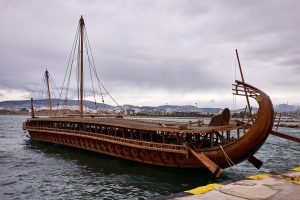
In 1987, archaeologists discovered Kition’s Phoenician harbor, one of the most important finds in Cyprus. French excavations at Bamboula revealed ship sheds from the 5th–4th centuries BC. Six sheds were found, each about 6 meters wide and 38–39 meters long, with ramps where triremes (ancient warships) could be pulled up under tiled roofs for repairs and protection.
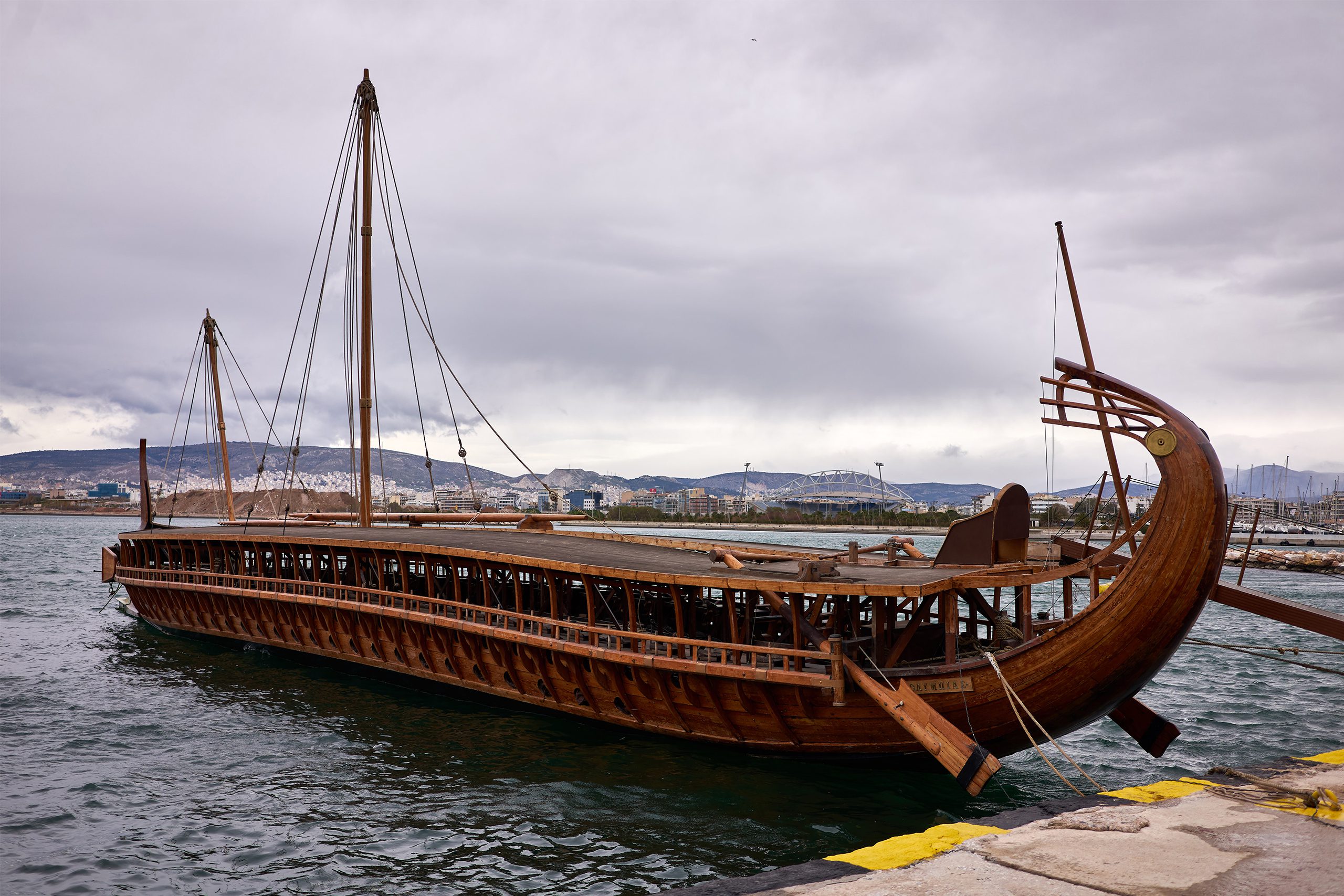
This harbor proves that Kition played a key role in naval history. For example, when Ptolemy I of Egypt attacked Salamis at the end of the 4th century BC, his ships used Kition’s harbor as a base. The well-preserved remains help archaeologists reconstruct the ancient coastline, which is now mostly destroyed by modern buildings.
The discovery is important for several reasons. First, the harbor is very well preserved, letting experts study ancient naval design. Second, it confirms historical records about Kition’s military power. Third, it shows how cities in the Mediterranean used navies to control power instead of relying only on armies.
The End of Independence
Persian rule over Cyprus ended in 332 BC when the Cypriot kings joined Alexander the Great in his fight against Persia. Ships from Kition took part in Alexander’s famous siege of Tyre, showing the city’s naval importance.
After Alexander died in 323 BC, Cyprus became a prize for his successors. In 312 BC, Ptolemy I of Egypt took control of the island. This ended Kition’s independence and its Phoenician dynasty. The last king, Pumiathon, was executed, and the city’s temples were burned to remove local power. After this, the traditional Cypriot city-kingdoms were abolished, and Cyprus was ruled as a province by a Ptolemaic official based in New Paphos.
Even under Ptolemaic and later Roman rule, Kition remained a city but with less political power. The Romans annexed Cyprus in 58 BC, and the city grew economically despite suffering from earthquakes in 76, 77, 322, and 342 AD. A large Roman mosaic showing the labors of Hercules was discovered under modern Larnaca streets in 2016. Measuring 22 by 6.6 meters, it was part of a Roman bath complex and is the only mosaic of its kind in Cyprus, showing the city’s continued wealth during Roman times.
Archaeological Challenges and Discoveries
Most of ancient Kition lies under modern Larnaca, which makes digging very difficult. Streets, buildings, and other construction cover much of the old city. In the 19th century, the British colonial administration removed ancient rubble to fill marshes and fight malaria, but this also destroyed many important archaeological layers at Bamboula hill.
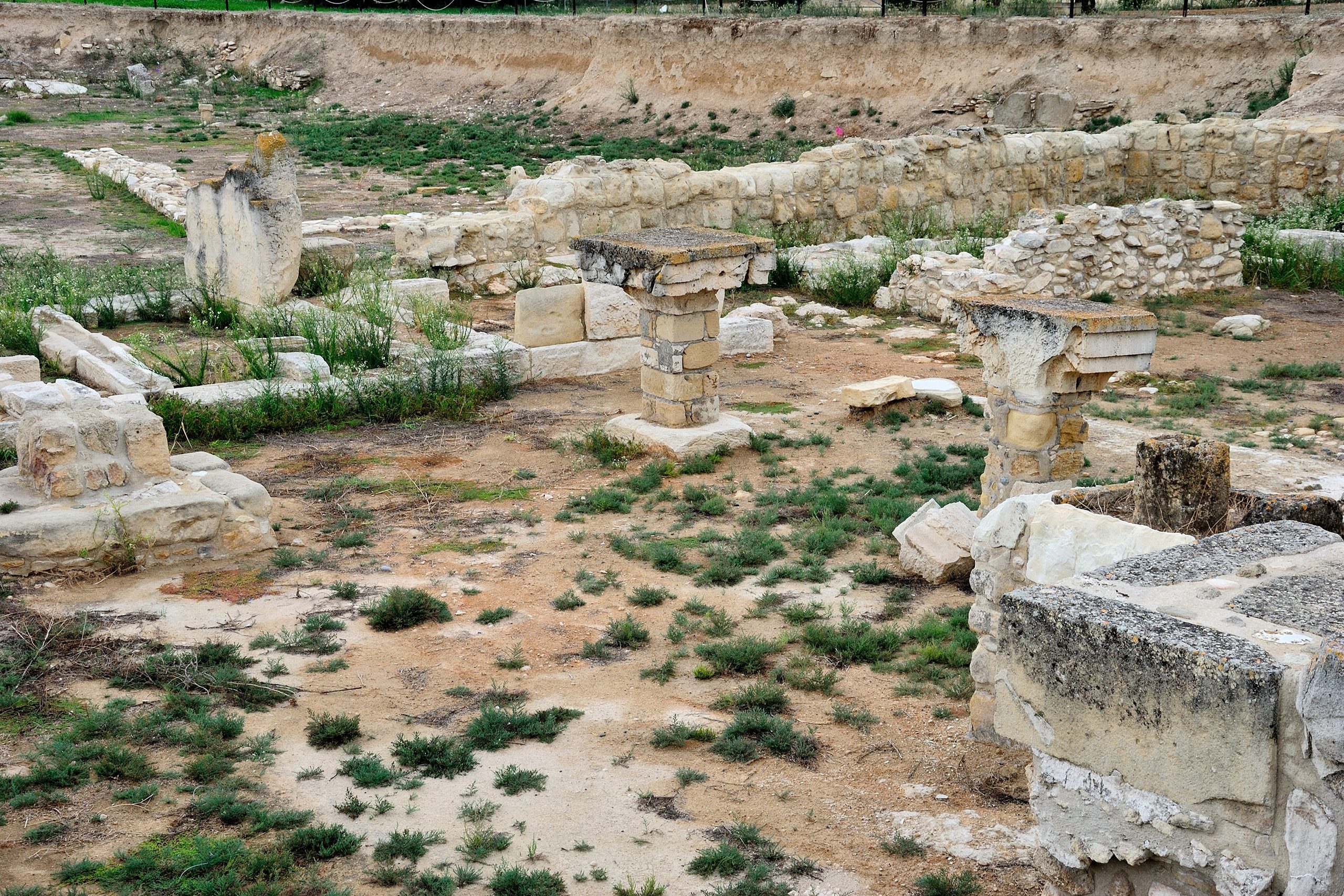
Systematic excavations began in the 1920s and 1930s with Swedish teams. Archaeologist Einar Gjerstad helped establish the Iron Age sequence for Cyprus. Earlier British digs also took place in 1894 and 1913. Since 1976, the French Mission Archéologique de Kition-Bamboula has worked extensively, revealing the city’s development from the Bronze Age through Roman times.
Recent efforts include underwater archaeology to study the submerged parts of Kition’s ancient harbor. Surveys since 2020 have mapped harbor structures and shipwrecks, giving insights into maritime trade and naval architecture. Together, land and underwater studies help researchers reconstruct the ancient coastline before modern changes.
Why Kition Matters
Kition is important because it is the only Cypriot site with continuous occupation from the Late Bronze Age into the Iron Age. The layers of ruins help us understand how Cyprus survived the collapse of Bronze Age civilizations and adjusted to the new Mediterranean world.
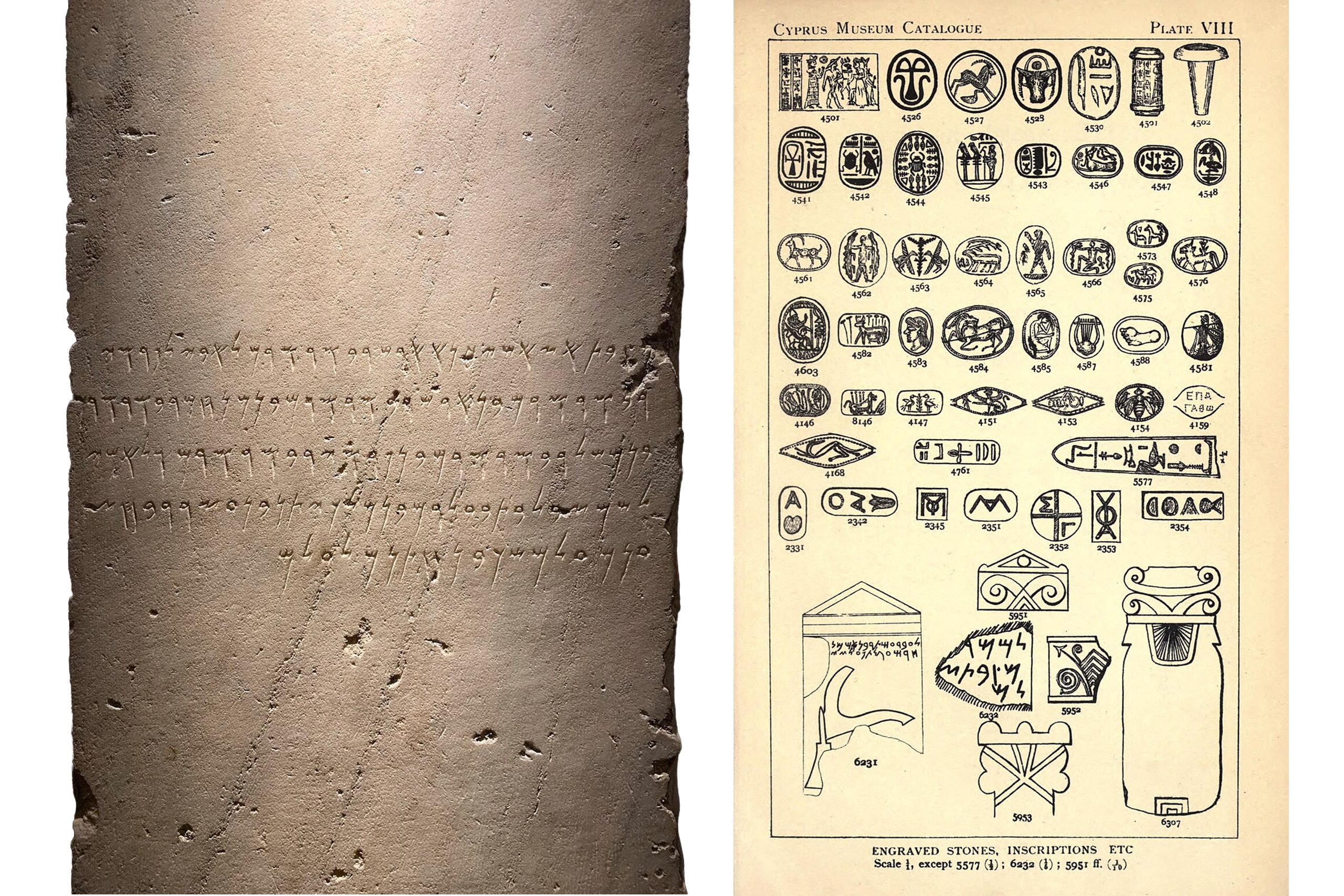
The city’s shift from Greek to Phoenician shows how cultures could change over time while keeping the city alive. Kition became Phoenician in language, religion, and politics but kept links to its Greek past. This flexibility helped the city survive and thrive for many centuries, even during periods of political change.
Visiting the Archaeological Sites
The Kathari site (Area II) is in central Larnaca, with the entrance on Kimonos Street. Visitors can walk along a wooden path to see temple foundations, cyclopean walls, and other structures without damaging them. Information signs in Greek and English explain the history.
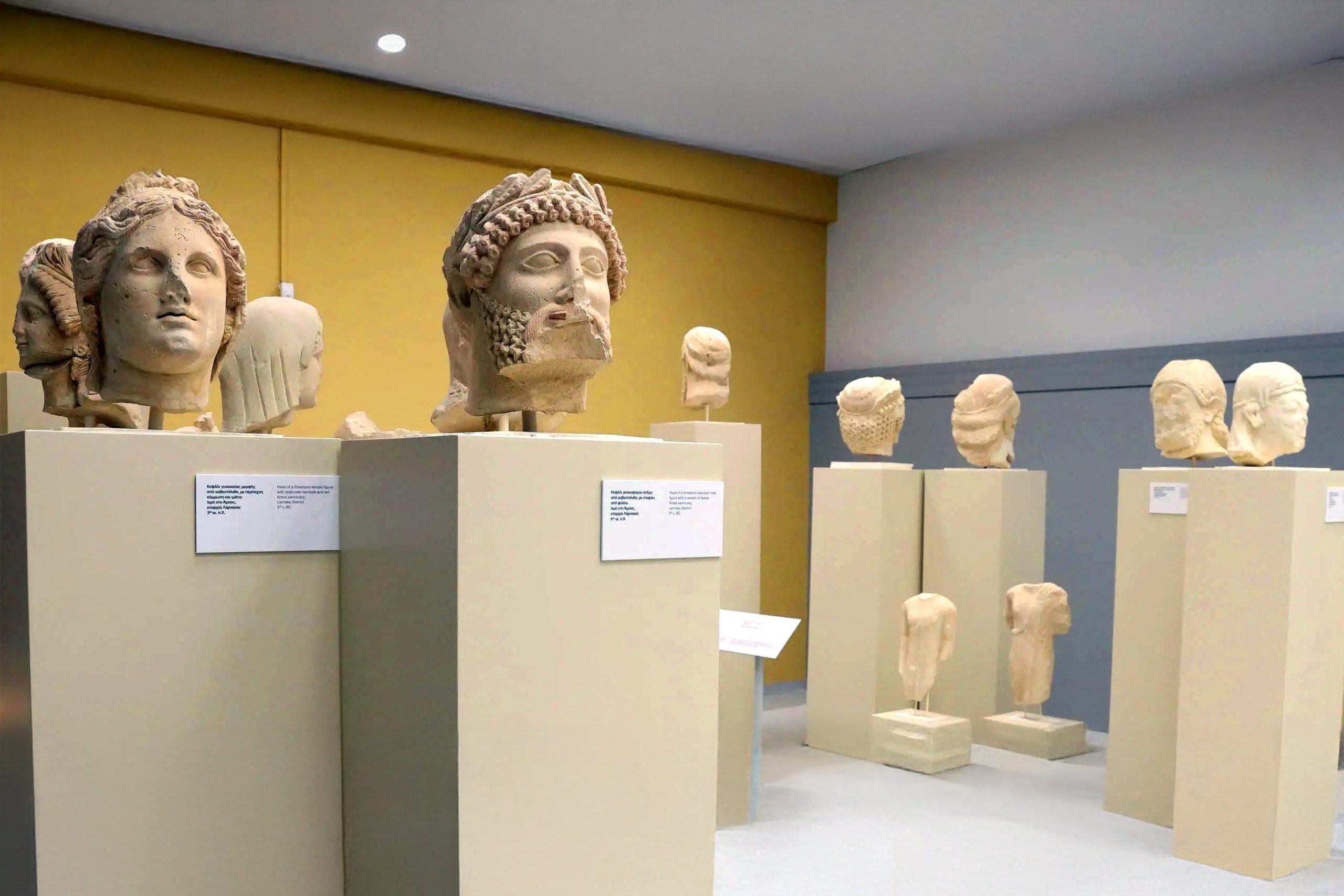
The Bamboula site, just 50 meters north of the Larnaca District Archaeological Museum, is included in a combined ticket. Here, visitors can see the remains of ancient ship sheds, showing Kition’s naval power. Garden paths link the excavation areas, making it easy and pleasant to explore the ruins.
A City That Connected Worlds
Kition matters because it functioned as a cultural bridge between different civilizations for over 2,000 years. Mycenaean Greeks founded it, Phoenicians transformed it, Persians controlled it, and Greeks eventually reclaimed it culturally if not politically. Each phase left archaeological traces that document how Mediterranean societies interacted, traded, competed, and influenced each other.
Meta Description: Kition was a major Phoenician coastal city in Cyprus, featuring temples, fortifications, inscriptions, and a strategic harbor linking Mediterranean trade routes.