Explore Cyprus with Our Interactive Map

Explore our top stories and discover ideas worth your time.

Cyprus Folk Instruments Tradition

Cyprus Folk Instruments Tradition

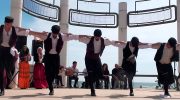
Cypriot folk music is not built around concerts or recordings. It is built around people standing face to face, marking time together, and using sound to guide moments that matter. At the centre of this tradition are two instruments, the viola and the laouto, whose partnership has shaped weddings, village festivals, and communal gatherings for centuries. More than musical tools, they function as social anchors, carrying memory, rhythm, and identity across generations. en-wikipedia-org Understanding these instruments means understanding how music in Cyprus has always been lived, not simply performed. A Musical Language Shaped by Place Cyprus sits at a cultural crossroads, and its traditional music reflects this position clearly. The island absorbed Byzantine chant, Eastern Mediterranean modal systems, and later Western European instruments, but it never allowed one influence to erase the others. Instead, Cypriot musicians adapted what arrived to serve local needs. Music here was never designed for silent listening. It existed to accompany movement, ritual, and spoken word. That practical purpose shaped both the instruments themselves and the way they were played. Precision mattered less than presence. What counted was whether the sound could carry across a village square, guide dancers, and support voices raised in song or improvisation. The Laouto: Rhythm as Structure The laouto is the backbone of Cypriot folk music. Long-necked and steel-strung, it belongs…

Read more

Cyprus Village Prayer Traditions

Cyprus Village Prayer Traditions

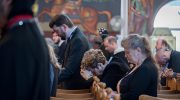
Daily prayer life in traditional Cyprus villages revolved around Orthodox Christian practices that structured time according to liturgical calendars rather than secular schedules. Families maintained home iconostases with oil lamps burning constantly before sacred images, recited morning and evening prayers, blessed meals with the sign of the cross, and observed fasting periods that eliminated meat and dairy for approximately 180 days annually. monikykkou The village church anchored communal religious life through Sunday Divine Liturgies, daily services during Lent and Holy Week, and feast day celebrations honoring patron saints. These panigyria transformed routine existence into sacred time through extended liturgies, icon processions, communal feasting, folk music, and traditional dances that reinforced religious identity while strengthening social bonds. The Orthodox calendar provided the framework for Cyprus life, with Easter as the spiritual pinnacle, the Dormition of the Virgin Mary on August 15 drawing massive pilgrimages, and Epiphany water blessings on January 6 purifying homes and communities. Home Prayer and Icon Veneration Orthodox practice centered the home around a dedicated iconostasis, typically a corner shelf or small cabinet displaying sacred images of Christ, the Virgin Mary, and family patron saints. Families kept oil lamps lit continuously before these icons, with the flame representing eternal prayer and divine presence within domestic space. Women bore primary responsibility for maintaining lamps, ensuring adequate oil supply, and…

Read more
Papoutsa Peak Cyprus Eco Trails

Papoutsa Peak Cyprus Eco Trails

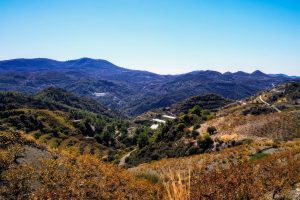
Papoutsa Peak stands at 1,554 metres in the eastern Troodos Mountains, surrounded by one of Cyprus's most important forest reserves. The forests are part of the Adelfoi Forest system, a vast protected area recognized within the Troodos Geopark for its ecological significance. The peak sits between Mount Olympus to the west and Madari to the north, creating a corridor of protected wilderness that covers over 120 square kilometres. Unlike more accessible Troodos peaks with developed facilities, Papoutsa maintains a wilder character with fewer visitors and more pristine ecosystems. wikiloc-com The mountain lies within the Papoutsa and Adelfoi Forests mentioned by the Troodos Geopark as among the island's most noteworthy woodland areas. These forests protect crucial habitat for species found nowhere else on Earth. The combination of elevation, geology, and minimal human disturbance creates conditions where rare plants and animals can survive pressures that threaten them in more accessible locations. Historical Background The Troodos Mountains, including Papoutsa, emerged approximately 92 million years ago as oceanic crust from the ancient Tethys Ocean. Tectonic forces pushed this underwater rock upward through obduction, eventually creating the island's central mountain mass. Papoutsa consists of the same serpentinized harzburgite and peridotite rocks found throughout Troodos, representing mantle material from thousands of metres beneath the ancient seabed. wikiloc-com These ultramafic rocks create unique soil chemistry with high…

Read more