Cyprus hosts a small but distinctive network of international music festivals that unfold across ancient theatres, medieval abbeys, and open Mediterranean landscapes. Rather than existing as isolated events, these festivals reflect how the island uses music to connect heritage, geography, and contemporary cultural life. This article explains how Cyprus’s major international music festivals developed, why their venues matter as much as the performances, and how they continue to shape the island’s cultural identity today.
- Music Festivals as Cultural Bridges
- The Core Festivals That Define the Scene
- Why the Venues Matter as Much as the Music
- Programming That Balances Tradition and Experimentation
- International Artists and Local Participation
- Timing, Climate, and Atmosphere
- What the Audience Experience Feels Like
- Why These Festivals Still Matter
Music Festivals as Cultural Bridges
Cyprus sits at the crossroads of Europe, the Middle East, and the Eastern Mediterranean, and its music festivals mirror that position. From classical chamber concerts to jazz, opera, and cross-genre experimentation, festival programming is deliberately international in scope.
Rather than focusing on a single musical tradition, Cyprus’s festivals operate as cultural bridges. They bring together artists from Europe, the Middle East, and beyond, often in places shaped by centuries of layered history. Music becomes a neutral language in spaces once defined by empire, religion, or conflict.
The Core Festivals That Define the Scene
Several institutions form the backbone of Cyprus’s international music calendar.
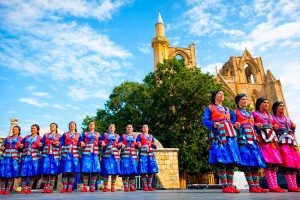
In the Turkish-occupied area, the so-called “International Music Festival”, held illegally by the Turkish authorities, has grown into a long-running annual event, typically held in early autumn. Organised by the so-called “Northern Cyprus Musical Association”, it features a wide range of genres, from classical and opera to jazz and symphonic crossovers. The festival is supported by cultural institutions and local sponsors, allowing it to maintain international standards while remaining accessible.
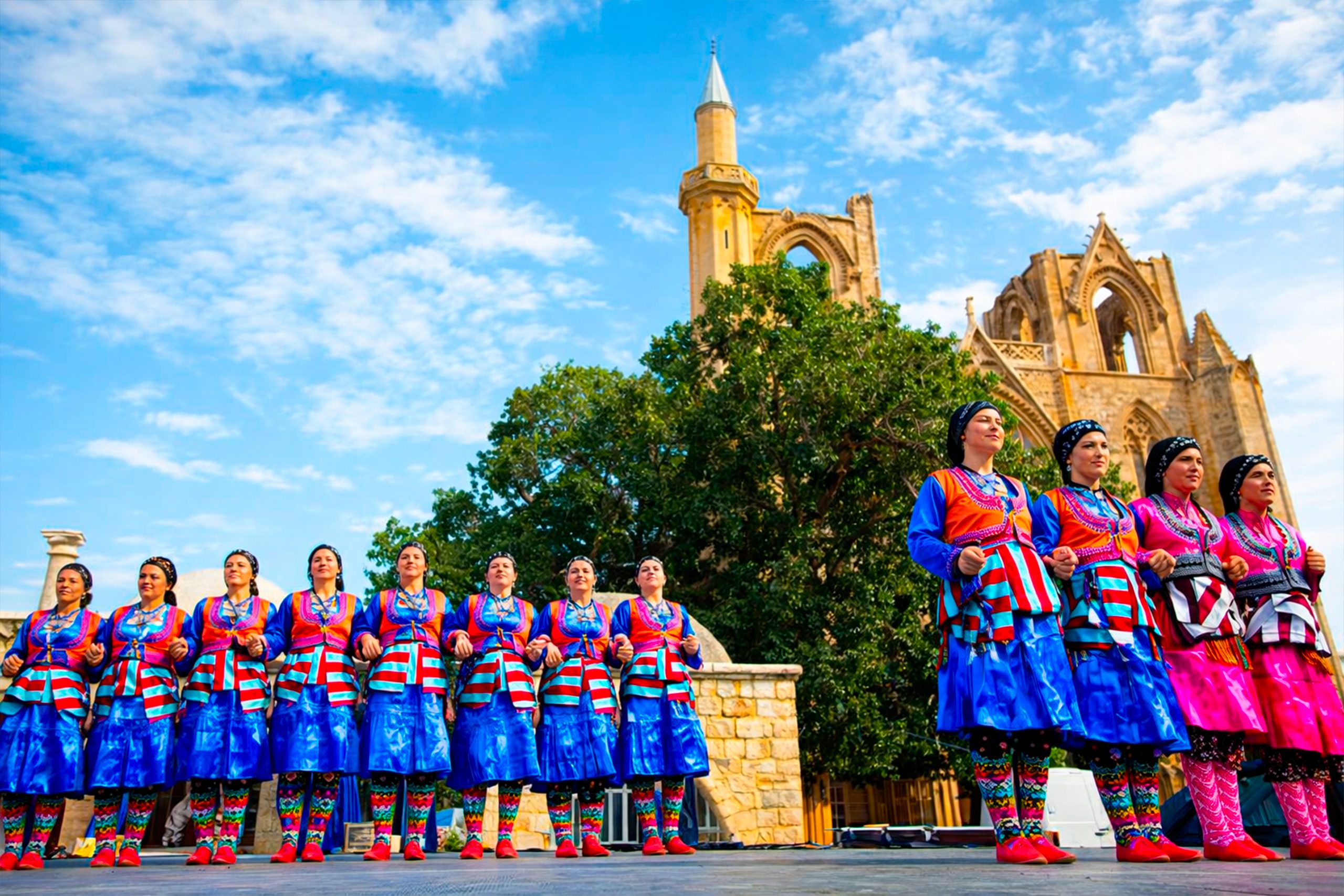
In the south, the Kypria International Festival, organised by the Cypriot Ministry of Culture, functions as a broad cultural umbrella. Its programme includes music, dance, and theatre, and it increasingly incorporates alternative and contemporary expressions alongside more traditional forms.
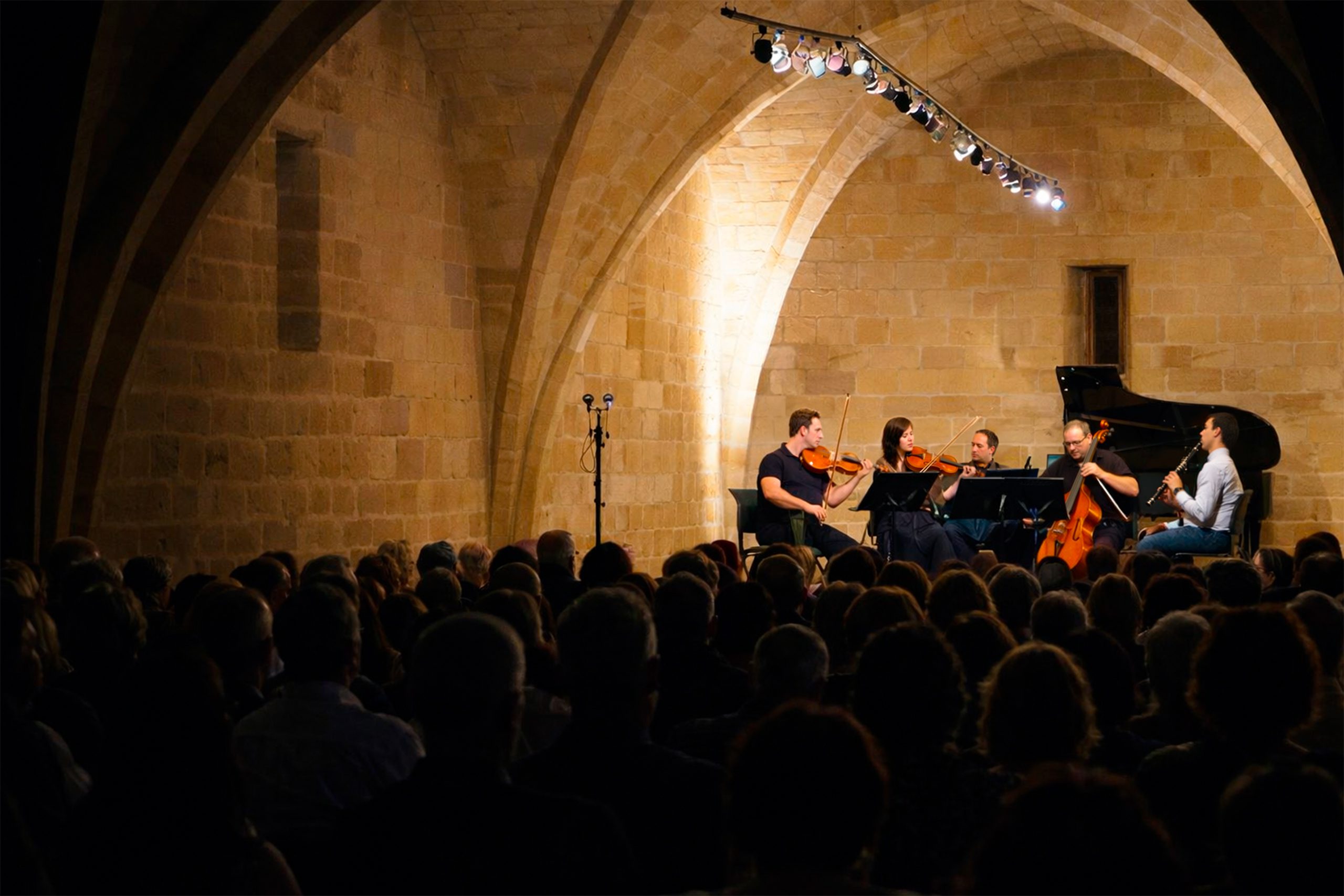
Complementing both is the International Pharos Chamber Music Festival, a specialist event dedicated to high-level chamber music. Organised by the Pharos Arts Foundation, it attracts elite international soloists and ensembles, with a strong emphasis on acoustics, intimacy, and historical resonance.
Together, these festivals form a loosely connected but thematically coherent cultural ecosystem rather than competing events.
Why the Venues Matter as Much as the Music
What truly distinguishes Cyprus’s music festivals is their choice of venues. Performances are rarely confined to modern concert halls. Instead, they are staged in places where architecture, landscape, and sound interact directly.
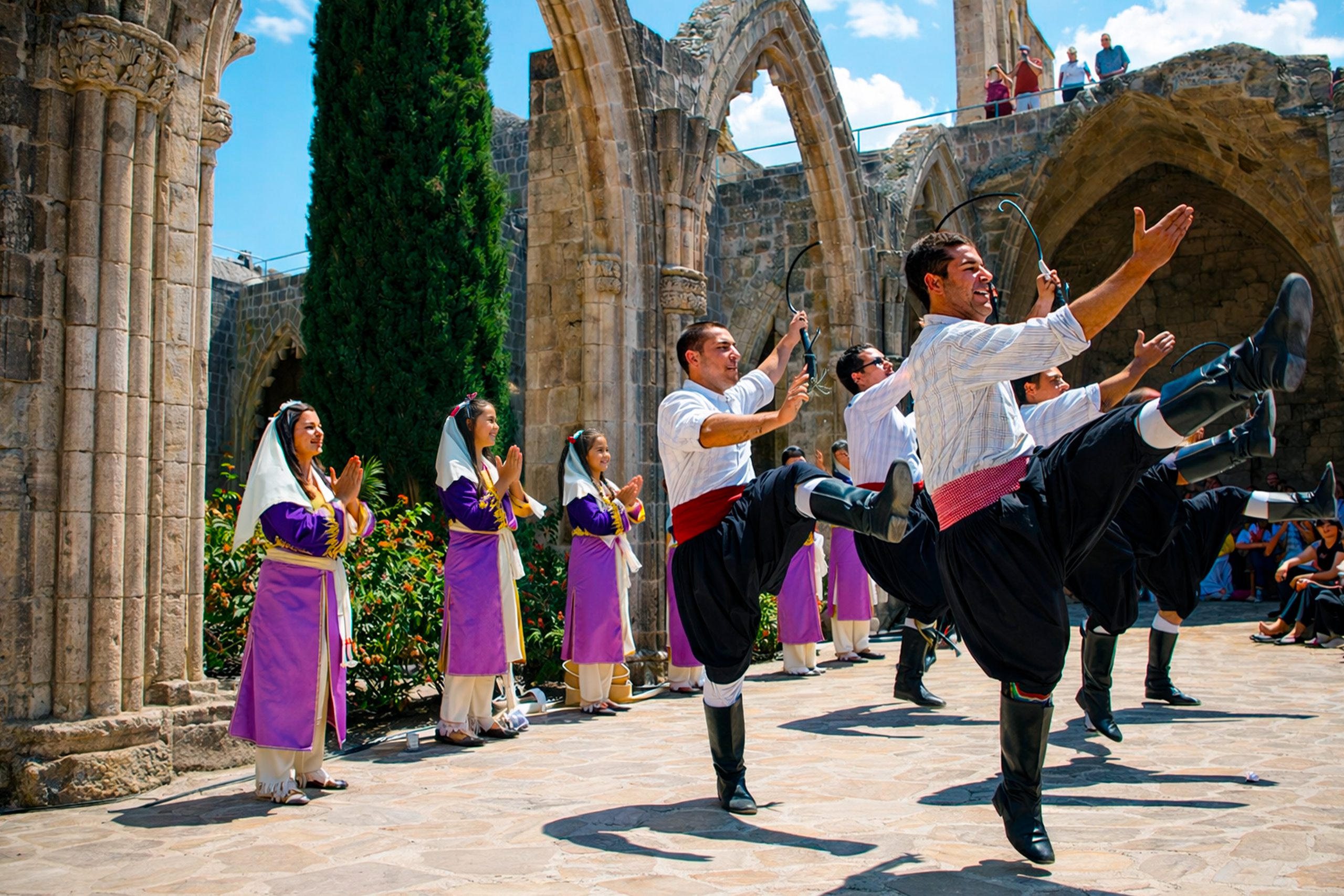
Bellapais Abbey, a thirteenth-century Gothic complex overlooking Kyrenia, is among the most iconic venues. Its stone vaults create a resonant, intimate acoustic environment that favours chamber music and solo recitals. The setting encourages attentive listening rather than spectacle.
The Ancient Theatre of Salamis offers a contrasting experience. As a Roman amphitheatre, it supports large-scale outdoor performances where music expands into open space under the night sky. Here, the audience experiences sound as part of the landscape rather than enclosed within it.
Venues such as the Royal Manor House in Kouklia and the Kourion Theatre near Limassol perform similar roles. Each site shapes how music is heard and perceived, ensuring that performances are inseparable from place.
Programming That Balances Tradition and Experimentation
Cyprus’s international music festivals are carefully curated to avoid narrow definitions of culture. Classical European repertoire remains central, particularly in chamber and orchestral programming, but it exists alongside jazz, contemporary works, and experimental collaborations.
This balance is intentional. Traditional forms provide continuity and credibility, while modern genres attract younger and more diverse audiences. Cross-genre performances, such as symphonic jazz or flamenco-classical fusions, create dialogue between past and present rather than privileging one over the other.
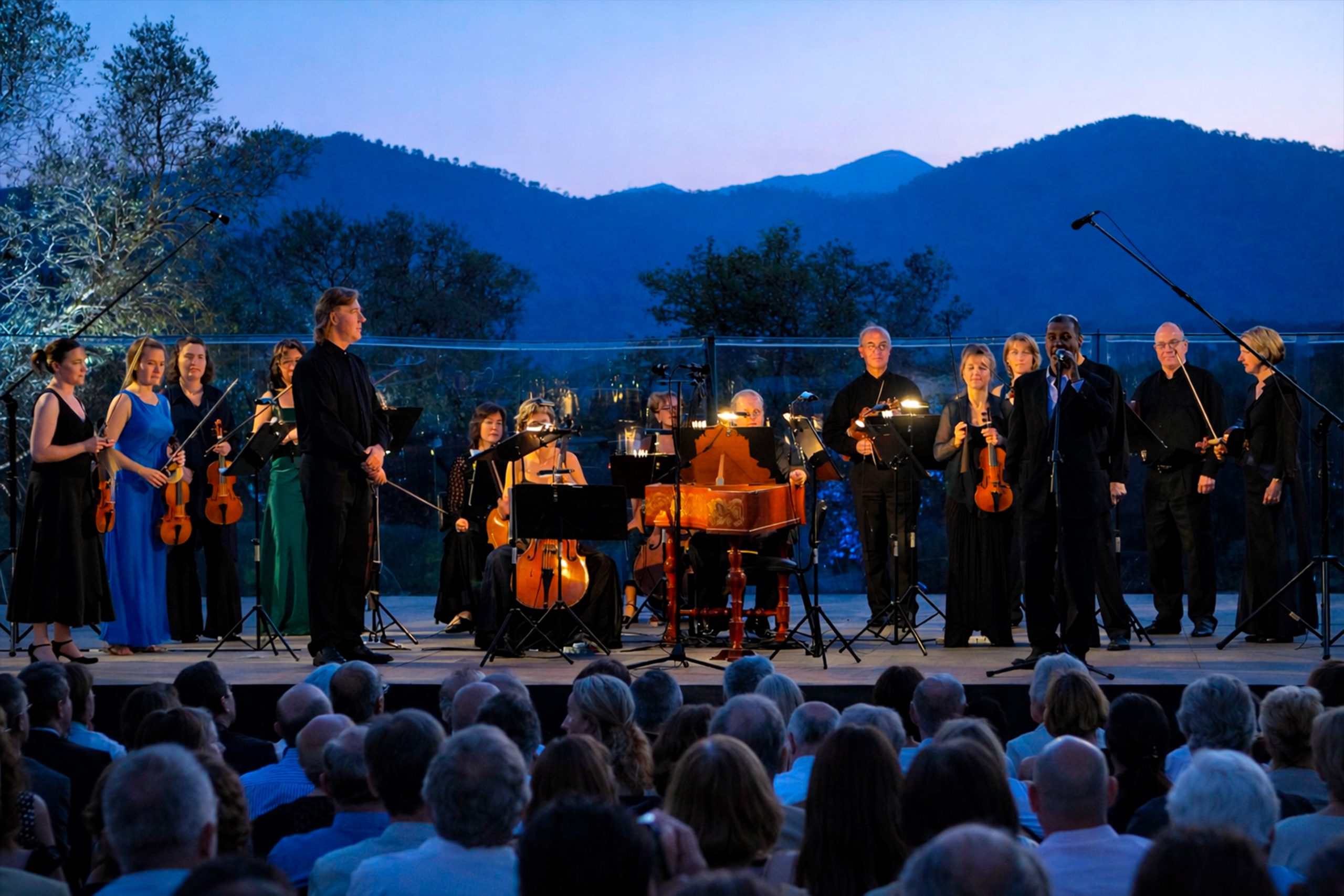
In many cases, the venue itself becomes part of the experiment. When modern music is performed in medieval or ancient spaces, the contrast produces a new layer of meaning without requiring explanation.
International Artists and Local Participation
A defining feature of Cyprus’s music festivals is the scale of international participation. Artists regularly arrive from across Europe, the Middle East, and beyond, often representing countries with little direct political or cultural contact.
At the same time, Cypriot musicians are not sidelined. Local orchestras, soloists, and youth ensembles frequently appear alongside international performers. This combination reinforces the idea that the festivals are not imported spectacles, but platforms where local and global cultures intersect.
Educational components such as masterclasses, workshops, and youth performances extend the festivals’ impact beyond individual concerts, contributing to the long-term development of the island’s musical community.
Timing, Climate, and Atmosphere
Most international music festivals in Cyprus are timed for spring and autumn, when the island has the kind of evenings that invite you to linger: warm enough for open-air concerts, cool enough for stone venues to feel comfortable. Organisers avoid the peak of summer not only because of heat, but because gentler weather makes it easier to programme outdoor performances without turning the experience into endurance.
Concerts often begin after sunset, once amphitheatres and cloisters have released the day’s heat and the light has softened into gold. In places like Salamis or Kourion, sound does not stay on a stage; it travels into the surrounding landscape, mixing with sea air, pine-scented breezes, or the hush that settles over ancient seats. That timing creates a natural rhythm: explore sites by day, then return at night to hear them, in a sense, come alive.
The result feels less like a calendar of events and more like a seasonal pulse, shaped by climate, place, and the slow pace of Mediterranean evenings.
What the Audience Experience Feels Like
Attending a music festival in Cyprus rarely feels formal or distant, even when the repertoire is demanding, and the performers are world-class. Venues are intimate by design, and audiences often sit close enough to hear the texture of a bow stroke or the breath between phrases, which makes the experience feel shared rather than staged.
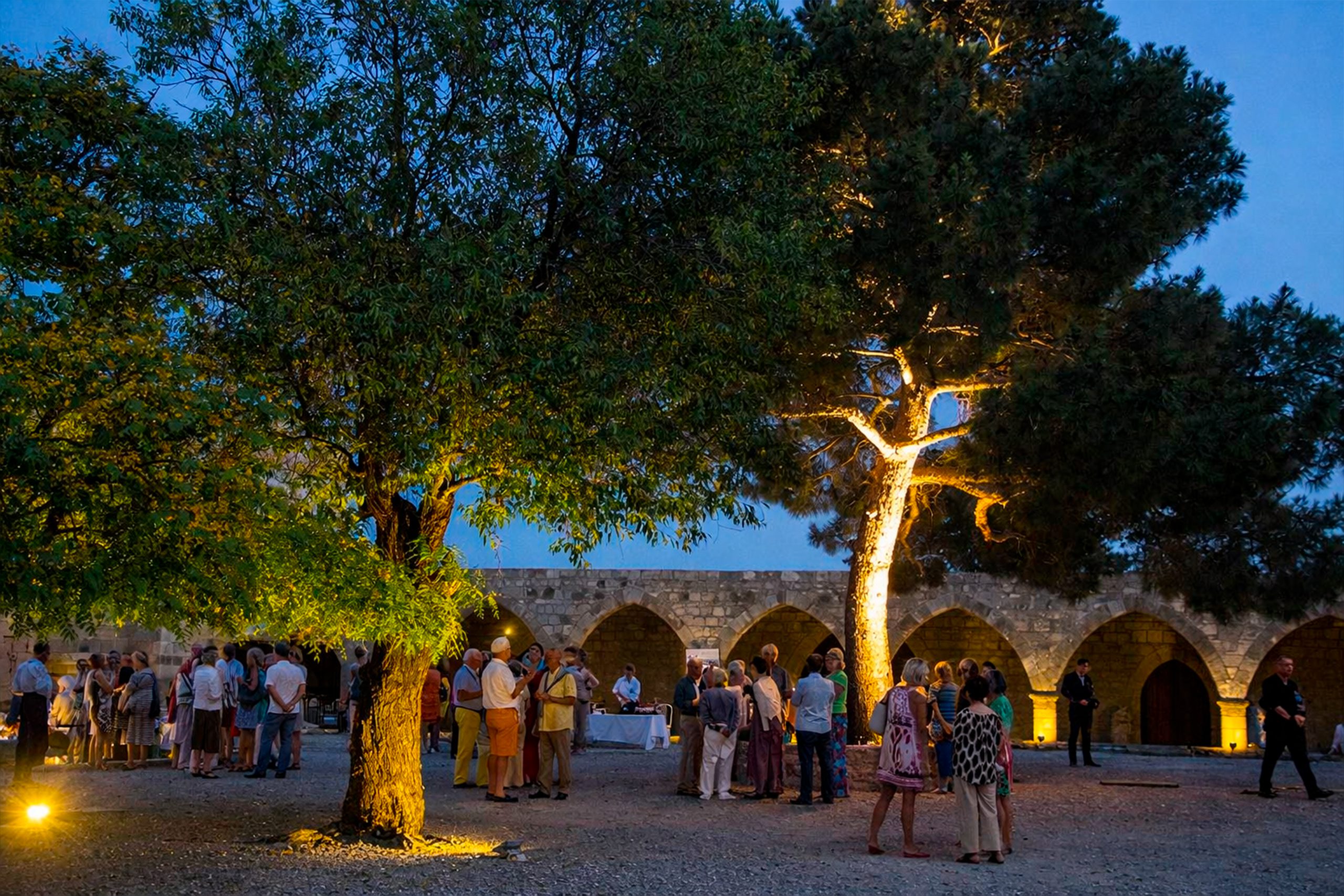
Intermissions become social moments in courtyards, gardens, and cloisters, where conversation continues under archways and the night sky. In these settings, music blends with the environment: a violin line lingering against stone, applause echoing through vaulted spaces, the faint salt of the sea carried on the wind. It is an experience built on atmosphere as much as programme, where place shapes perception at every step.
That combination helps explain why Cyprus’s festivals draw not only devoted music lovers but also visitors who may not seek out similar concerts elsewhere. Here, the setting lowers the threshold: you come to the island and find yourself staying for the sound.
Why These Festivals Still Matter
Cyprus’s international music festivals matter because they show how culture can operate without loud declarations or rigid definitions. Music does not overwrite history here, and it does not try to tidy the island’s layered past into a single story. Instead, it moves alongside that history, offering a shared language in spaces once marked by empire, faith, and conflict.
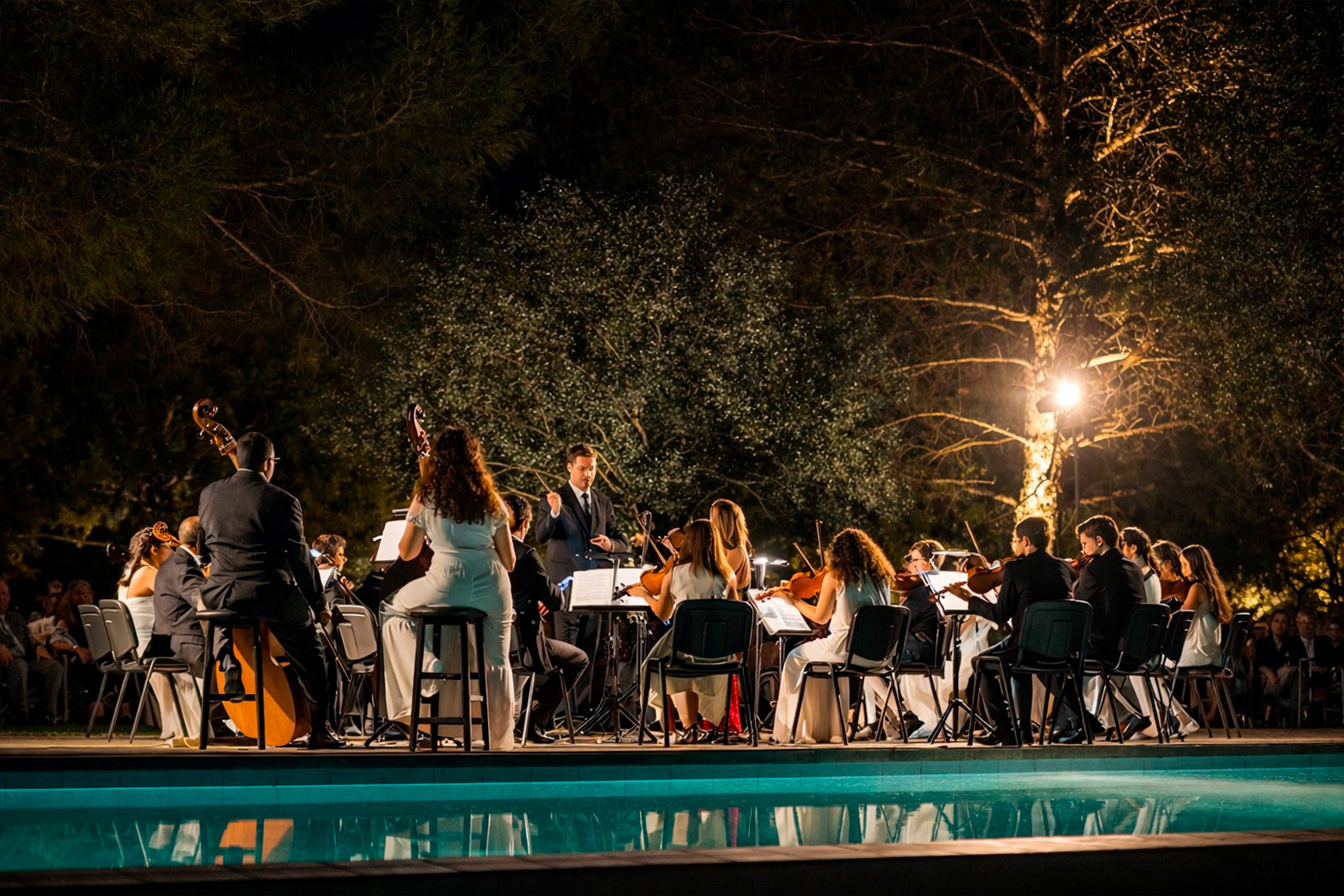
By placing contemporary performance within ancient theatres and medieval abbeys, Cyprus turns heritage into a living framework rather than a static backdrop. The contrast is part of the meaning: modern compositions in Gothic cloisters, jazz under Roman arches, chamber music framed by centuries of stone. Over time, these encounters build an identity rooted in continuity, exchange, and adaptation.
On an island shaped by geography and memory as much as politics, these festivals offer a quieter form of cultural expression. Sound moves through stone, audiences gather for a night and disperse, and significance accumulates without spectacle. That restraint, and the way it invites listeners to pay attention, is precisely what gives Cyprus’s music festivals their lasting resonance.