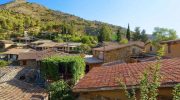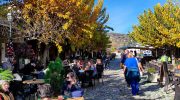
Two villages in the Troodos Mountains represent the essence of Cyprus’s cultural heritage. Omodos and Lefkara stand as living museums where centuries-old traditions continue to thrive. Omodos produces some of the island’s finest wines, while Lefkara creates intricate lacework recognized by UNESCO. Both villages showcase traditional Cypriot architecture with limestone houses, narrow cobbled streets, and red-tiled roofs.
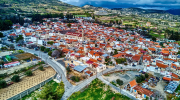
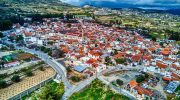
Located within the Limassol and Larnaca districts respectively, these settlements offer visitors a glimpse into Mediterranean village life that has remained largely unchanged for generations. The villages sit at elevations between 650 and 900 meters, providing cooler temperatures and spectacular views of surrounding vineyards and valleys.
Historical Background
Omodos likely emerged at the end of the Byzantine period, possibly around the 12th century. The village formed after nearby settlements of Pano and Kato Koupetra dissolved. According to historical records, Isaac Comnenos, the Byzantine ruler of Cyprus, sought refuge in the Koupetra area in 1191 during conflicts with Richard the Lionheart. The settlement that became Omodos grew around the Monastery of the Holy Cross, which tradition claims was established before Saint Helena’s visit to Cyprus in 327 AD. Medieval documents from 1469 mention a wine press in the village, proving that viticulture has been central to Omodos for at least six centuries.
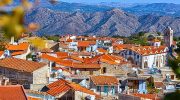
Lefkara’s documented history begins in the 12th century when Saint Neophytos was born in nearby Kato Drys in 1134. The village name comes from “lefka” meaning white and “ori” meaning mountains, referring to the limestone formations surrounding the area. During Venetian rule from 1489 to 1571, Lefkara became a summer retreat for nobles. Venetian noblewomen influenced local craftswomen, helping transform their needlework into the distinctive lefkaritika style. By the 16th century, Pano Lefkara had become the largest village in Cyprus. Both villages experienced Ottoman rule from 1571 to 1878, then British administration until Cyprus gained independence in 1960.
Architectural Character and Village Layout
Omodos spreads across mountain slopes surrounded by vineyards. The village square measures 3,000 square meters, making it one of Cyprus’s largest. Dating to 1910, this stone-paved plaza sits in front of the Monastery of the Holy Cross.
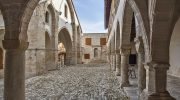
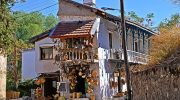
Tall sycamore trees provide shade while traditional houses frame the perimeter. The architecture features tiled roofs, wooden balconies, stone facades, and flowered courtyards with large clay jars. Narrow alleys wind between houses built from local stone, their walls whitewashed to reflect summer heat.

Lefkara displays similar architectural elements but with distinctive features. Houses are built almost entirely from white limestone, creating stark contrast with terracotta roofs. The stone facades show minimal openings, with rooms arranged around interior courtyards.
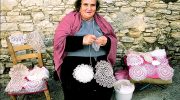
Flat rammed-earth roofs characterize older structures from the Ottoman period. Cobblestone streets climb hillsides where groups of women traditionally sit outdoors working on their embroidery. Both villages preserve examples of vernacular Cypriot architecture that has adapted to the Mediterranean climate while serving practical needs of mountain communities.
Remarkable Facts About Village Traditions
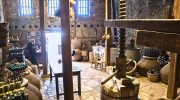
Leonardo da Vinci allegedly visited Lefkara in 1481 and purchased a lace tablecloth for Milan Cathedral’s main altar. While this remains legend, similar geometric patterns from the tablecloth in “The Last Supper” support the story. An Italian abbot who lived in Cyprus from 1760 to 1767 specifically praised Omodos wine, stating it compared favorably to wines from Provence. The medieval wine press in Omodos, mentioned in 1469 documents, still exists in a stone-built room near the monastery.
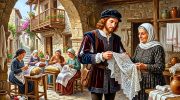
Lefkara lace requires such skill that training begins in childhood. Girls learn from mothers and grandmothers through years of informal exposure before formal instruction. Each piece combines four elements: hemstitch, cutwork, satin stitch fillings, and needlepoint edgings. The tradition became so important that young women prepared extensive lace collections as dowries, displayed on wedding days. Currently, only about 40 women maintain the authentic lefkaritika technique, with the youngest being 60 years old. Most artisans are in their eighties.
Wine Production and Lace Making Heritage
Omodos belongs to the Krasochoria region, the “wine villages” that produce approximately 50 percent of Cyprus’s Xynisteri grapes. Vineyards climb terraced slopes where limestone-rich soil creates ideal conditions for indigenous varieties including Xynisteri, Mavro, and Maratheftiko. The village hosts several wineries such as Ktima Gerolemo, operating since 1987 at 900 meters elevation, and Oenou Yi Winery, which combines modern technology with traditional methods. Visitors can tour production facilities, taste wines, and learn about Commandaria, one of the world’s oldest named wines with production dating to 800 BCE. The dry mountain climate and sloping terrain intensify flavor profiles, creating wines with distinctive mineral qualities.
Lefkara’s lace tradition dates to at least the 14th century. The craft evolved from earlier “asproploumia” white embroidery techniques. UNESCO recognized lefkaritika as Intangible Cultural Heritage of Humanity in 2009. Women create tablecloths, napkins, and decorative pieces using cotton thread on linen. Each design reflects both traditional patterns and the maker’s personal artistic vision. The geometric motifs show influences from Byzantine art, Venetian court embroidery, and ancient Greek patterns. Silversmithing developed alongside lace making, with artisans creating intricate filigree jewelry. The Museum of Traditional Embroidery and Silversmithing in Pano Lefkara displays examples of both crafts along with traditional furniture and costumes.
Modern Cultural Significance
Both villages maintain their traditional economies while adapting to tourism. Omodos continues wine production with family-run operations that welcome visitors year-round. The village hosts wine festivals and cultural events celebrating local products including sweet arkatena bread baked in family ovens since ancient times. Local women produce traditional embroidery, preserving skills passed through generations. The Monastery of the Holy Cross functions as a spiritual center while housing museums dedicated to Byzantine icons, folk art, and Cyprus’s 1955-1959 independence struggle.
Lefkara’s economic survival depends on preserving craft traditions. Workshops line village streets where visitors can watch artisans at work. The Lefkara Handicraft Centre teaches traditional techniques to new generations. An annual festival in August features music, dance, theater, and craft exhibitions. Both villages contribute to Cyprus’s cultural identity by maintaining practices that connect present generations to their heritage. They serve as educational centers where visitors learn about traditional Mediterranean village life, agricultural practices, and artisan crafts.
Planning Your Visit
Omodos sits about 42 kilometers northwest of Limassol, accessible by car in approximately 40 minutes. The village offers wine tastings at multiple wineries, tours of the Monastery of the Holy Cross, and shopping for local crafts and foods. Traditional tavernas serve Cypriot cuisine including halloumi cheese, moussaka, and loukoumades. The best visiting times are spring when wildflowers bloom and autumn during grape harvest season. Winter provides a cozy atmosphere with nearby access to Mount Olympus’s snow-covered peaks.
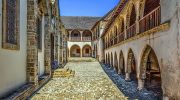
Lefkara lies 43 kilometers from Larnaca, about 30 minutes from the airport. Visitors can watch lace makers working in streets, visit the Museum of Traditional Embroidery and Silversmithing, and explore the 13th-century Church of the Holy Cross with its 1760 frescoes. The neighboring village of Kato Lefkara features the Chapel of Archangel Michael with frescoes from the 12th to 15th centuries. Both villages provide parking, though narrow streets require careful driving. Public buses operate with varying schedules. Guided tours from major cities often include both villages in day-trip itineraries.

Living History in Cyprus’s Troodos Villages
Omodos and Lefkara embody Cyprus’s ability to preserve cultural heritage while remaining economically viable. They demonstrate how traditional crafts and agricultural practices can sustain communities in the modern era. The villages protect knowledge systems developed over centuries, from winemaking techniques refined through generations to needlework patterns that require years to master. Their architecture preserves examples of Mediterranean building traditions adapted to mountain environments. As living communities rather than museums, they show that traditional ways of life can coexist with contemporary needs. For Cyprus, these villages represent continuity with the past and models for cultural preservation. They remind visitors that the island’s identity extends beyond coastal resorts to mountain communities where ancient traditions remain part of daily life.