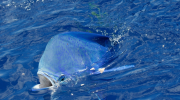
Fishing in Cyprus exists in two distinct worlds. Small boats with weathered wood head out at dawn from coastal shelters, while larger vessels equipped with modern technology venture into deeper waters. The Cypriot fishing fleet comprised 858 vessels in 2019, representing a sector that contributes around 0.8% to GDP but holds significant importance in coastal communities.
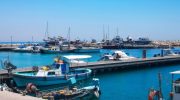
This industry balances traditional methods passed down through generations with contemporary commercial operations. Over 300 types of fish have been found in the sea around Cyprus, yet the eastern Mediterranean’s warm, nutrient-poor waters present unique challenges for fishers.
The Three Faces of Cyprus Fishing Today
There are three fishing segments in Cyprus: the trawler sector, both inland fishing (2 trawlers) and high sea trawlers (5 trawlers), purse seine fishing (3 purse seiners), and coastal fishing with 4 to 12 metres boats. Small-scale coastal fishing dominates the fleet. These artisanal fishers work close to shore, often using multiple gear types during a single trip to adapt to conditions and catch opportunities.
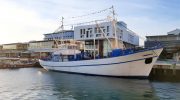
The trawl fishery operates under strict regulations. Mesh size is 40 mm, the minimum depth of fishing is 50 m, and the fishing season lasts from November 7 to May 31. These restrictions aim to protect fish stocks and sensitive bottom habitats. Trawlers cannot operate in depths beyond 1,000 meters.
There are also around 35 polyvalent vessels that are able to use different fishing gears and can target different species during different seasons. This flexibility allows operators to adjust to seasonal variations in fish availability and market demands.
Wooden Boats and Vanishing Traditions
Wooden fishing boats serve as the last tangible remnants of an important chapter of the island’s heritage: traditional shipbuilding. Fishermen historically built their own small boats, passing knowledge orally from father to son to reduce costs. Over 120 traditional wooden boats were completely destroyed using excavators during the 1990s and early 2000s following EU directives aimed at preventing overfishing. By 2015, another 120 vessels faced decommissioning, though some were preserved for educational purposes.

The introduction of fiberglass and polyethylene marked the beginning of the end for wooden shipbuilding. Few craftsmen remain who know how to construct these vessels using traditional methods. The loss of these boats represents more than just fishing capacity. It erases a tangible connection to maritime culture and centuries-old construction techniques developed specifically for Cypriot waters.
Species that shape taste and identity
Certain marine species carry meaning far beyond their commercial value.
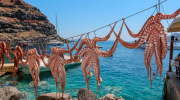
Octopus is perhaps the most emblematic. Traditionally caught using pots or spears, it appears across Cypriot cuisine, often sun-dried before cooking. For many families, octopus evokes coastal meals, shared tables, and inherited recipes.
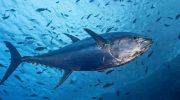
Red mullet holds a similar place. Its delicate flavour and short season make it a marker of freshness and timing rather than abundance. Swordfish and tuna represent deeper waters and larger operations. Highly prized, they are subject to strict seasons and quotas, reflecting both their value and vulnerability.
Together, these species reveal how fishing practices influence not just markets, but memory and taste.
Fishing as part of daily Cyprus
Fishing remains visible in everyday life. Small harbours still wake before sunrise. Larger vessels operate from organised ports. Markets blend local catches with regulated imports. Certain places are closely associated with seafood culture. Zygi is known for its fish tavernas.
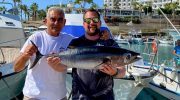
Latchi is linked to daily landings from clear western waters. These associations tie food to geography in ways that remain meaningful rather than symbolic. Fishing continues to shape how people eat, gather, and welcome visitors.
Fishing as Experience and Culture
Tourism and fishing increasingly intersect. Charter operations offer visitors chances to experience traditional fishing methods or target specific species. These trips blend cultural education with sport fishing, often including meals prepared from the catch.

Recreational fishing at inland reservoirs has grown substantially. More than 20 dams are stocked and open to anglers, offering species like largemouth bass, carp, and trout. This freshwater fishery developed entirely through introductions, as Cyprus lacked native freshwater fish populations.
Small-scale fishers often welcome researchers and students aboard their boats. These collaborations help document traditional knowledge before it disappears with aging practitioners. Universities work to record boat-building techniques, fishing methods, and ecological understanding held by experienced fishers.
Culinary tourism and renewed attention
Seafood has become central to Cyprus’s culinary reputation. Visitors increasingly seek authenticity rather than novelty. Grilled octopus by the sea, seasonal fish meze, and simple preparations rooted in timing and freshness define this appeal.
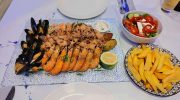
Festivals celebrating maritime culture draw both locals and tourists. Restaurants now highlight sourcing, naming villages or methods with pride. International food and travel publications have begun to recognise Cyprus not for spectacle, but for continuity. This attention supports small-scale fishers and reinforces responsible consumption.
The logic behind industrial fishing
Industrial fishing operates under a different set of needs. Larger vessels, mechanical hauling systems, and navigation technology allow crews to work efficiently and predictably. In Cyprus, these operations are tightly controlled. The island’s waters are relatively small and biologically sensitive, which limits fleet size and fishing intensity.

Industrial fishing plays a stabilising role. It supplies supermarkets, processors, and larger buyers, helping maintain price consistency and year-round availability. While it lacks the intimacy of small-scale fishing, it supports a modern food system that depends on reliability rather than daily variation. Importantly, industrial fishing in Cyprus is not unrestricted expansion. Regulation defines its boundaries, ensuring that efficiency does not override sustainability.
Looking Forward in Cypriot Waters
Cyprus fishing stands at a crossroads between tradition and modernization. Aging fleets require investment, but younger generations show less interest in fishing careers. The knowledge held by experienced fishers risks disappearing without deliberate preservation efforts. Documentation projects and university partnerships aim to capture this understanding before it vanishes.
Sustainable management becomes increasingly critical as pressures mount from climate change, habitat degradation, and invasive species. The small scale of Cypriot fisheries makes them vulnerable to shocks but potentially easier to manage adaptively. Balancing conservation with livelihoods remains the central challenge for policymakers and fishers alike.