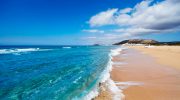
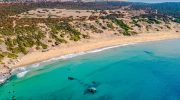
Lara Bay occupies a remote stretch of coastline on the Akamas Peninsula in western Cyprus, approximately seven kilometers from Agios Georgios Peyias. The beach serves as one of the Mediterranean’s most important nesting sites for endangered green turtles and loggerhead turtles. Golden sand stretches along the coast framed by rugged cliffs and crystal clear Mediterranean waters.
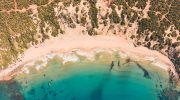
Unlike typical Cypriot beaches crowded with sun loungers, kiosks, and tourists, Lara Bay remains deliberately undeveloped. Building is strictly prohibited throughout this uninhabited area that forms part of Akamas Peninsula Natura 2000 protected area, the largest conservation area in Cyprus. The beach belongs to the Lara-Toxeftra Reserve, designated as a Specially Protected Area under the Barcelona Convention and part of the European Network of Biogenetic Reserves. Access requires a bumpy drive along unsurfaced dirt roads best suited to four wheel drive vehicles.
- The Turtle Conservation Station
- Strict Rules Protect This Delicate Ecosystem
- The Challenge of Reaching Isolated Beauty
- Beyond Turtles in the Akamas Wilderness
- When to Visit for the Best Experience
- Growing Threats Require Visitor Responsibility
- The Importance of Lara Bay for Cyprus and the Mediterranean
The Turtle Conservation Station
The Lara Bay Turtle Conservation Station operates under the Cyprus Department of Forests and Fishery to protect turtle eggs from predators and human disturbance. Female turtles come ashore from May to mid August to lay their eggs in the soft sand. Each turtle can lay around 80 to 120 eggs per nest, and a single female may nest multiple times during one season. Conservation staff mark protected nests with cages and warning signs to prevent accidental damage from beachgoers.
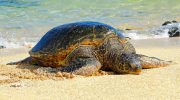
Rangers patrol the beach during nesting season, monitoring activity and educating visitors about proper behavior. Nests from other tourist beaches unsuitable as habitats are relocated to the Lara hatchery where they have better survival chances. The station maintains tanks where injured or sick turtles receive care before release back to the sea. Between late July and September, hatchlings emerge from nests and make their first journey to the water, a magical sight that draws nature enthusiasts from across Cyprus.
Strict Rules Protect This Delicate Ecosystem
Visitors must follow conservation rules designed to minimize impact on turtle nesting grounds. Umbrellas and shade tents are strictly prohibited because stakes can pierce underground nests and destroy eggs. Dogs are not allowed on the beach as they disturb nesting turtles and dig up eggs. Swimming is permitted but visitors must stay clear of marked nest areas.
Beachgoers cannot bring large items or set up camps. The beach offers no facilities whatsoever, with just one small information hut run by conservationists explaining the protection program. No sun loungers, restaurants, or kiosks exist at Lara Bay. Visitors must bring their own food, water, and sun protection including hats and sunscreen.
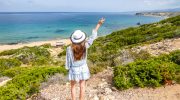
Eco friendly sunscreen is preferred as chemicals from standard sunscreens harm marine life. The absence of commercial facilities adds to the untouched charm but requires proper preparation. Parking is informal along the dirt road near the beach, with access to the sand requiring a short walk.
The Challenge of Reaching Isolated Beauty
Reaching Lara Bay requires determination and appropriate vehicles. The seven kilometer dirt road from Agios Georgios Peyias features holes, stones, and steep sections particularly difficult on the uphill return journey. Four wheel drive vehicles handle the route comfortably, while standard cars risk damage to undercarriages and struggle with inclines. Many rental companies prohibit taking regular cars on unpaved roads, voiding insurance coverage.
Organized jeep and buggy tours from Coral Bay and Paphos provide easier access for those without suitable vehicles. Boat trips offer alternative routes, departing from Paphos harbor and stopping at Lara Bay as part of coastal excursions. The difficult access serves conservation purposes by limiting visitor numbers and preventing mass tourism development. The bumpy journey rewards those who make the effort with spectacular unspoiled beaches that feel worlds away from crowded resort areas.
Beyond Turtles in the Akamas Wilderness
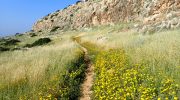
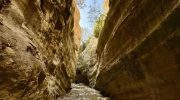
The surrounding Akamas Peninsula offers hiking trails through breathtaking landscapes including dense forests, dramatic cliffs, and hidden coves. The famous Avakas Gorge sits just a short drive south, with towering limestone walls rising 30 meters high and rare endemic plants clinging to rock faces. The Blue Lagoon northeast of Lara features crystal clear turquoise waters ideal for swimming and snorkeling.
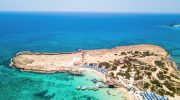
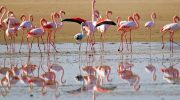
Multiple secluded beaches dot the coastline, accessible only by foot or boat. The peninsula hosts over 600 plant species including 39 endemic varieties found nowhere else on earth. Wildlife includes foxes, hares, fruit bats, and 168 bird species. The rare Mediterranean monk seal occasionally visits isolated coves though sightings remain extremely uncommon. Hiking the Aphrodite Trail provides panoramic coastal views and passes through wild terrain that showcases Cyprus at its most natural.
When to Visit for the Best Experience
The nesting season from May through mid August offers the best opportunity to observe turtles and conservation work, though this period brings the most visitors and hottest temperatures. Late July through September provides chances to witness baby turtles hatching and scrambling toward the sea, an unforgettable natural spectacle. October and November offer pleasant weather with fewer crowds, though turtle activity has ceased.
Swimming remains comfortable into late autumn. Summer visits require arriving early morning or late afternoon to avoid scorching midday heat with no shade available. May and October represent ideal months with warm weather, clear water, and manageable visitor numbers. Winter months from December through March see almost no tourists but cooler water temperatures and potential rough seas. The beach remains beautiful year round for those seeking solitude and connection with unspoiled nature.
Growing Threats Require Visitor Responsibility
Increased tourism threatens Lara Bay’s delicate ecosystem despite protected status. Visitors increasingly bring prohibited umbrellas, allow dogs on the beach, and crowd around turtle nests disturbing natural processes. Some tourists ignore marked areas and accidentally step on underground nests. Light pollution from cameras and phones disorients hatchlings who navigate by moonlight reflecting on water.
Litter left on beaches harms wildlife. The conservation station reports growing challenges managing visitor behavior during peak season. Social media popularity brings more people to this remote location, creating pressure the fragile environment struggles to absorb. Enforcement remains difficult given limited ranger staff. The future of Lara Bay as a turtle sanctuary depends on visitors respecting rules and understanding their presence impacts endangered species survival.
The Importance of Lara Bay for Cyprus and the Mediterranean
Lara Bay represents one of the last remaining unspoiled coastlines in the Mediterranean where endangered sea turtles can nest undisturbed. The conservation efforts here contribute to global attempts to prevent extinction of species whose populations have crashed due to coastal development, pollution, and fishing nets. Cyprus hosts some of the most important turtle nesting sites in the region, making protection of beaches like Lara Bay internationally significant.
The beach demonstrates that economic development does not require sacrificing every natural area to tourism infrastructure. Lara Bay proves that protected wilderness can coexist with responsible visitation when proper rules exist and visitors respect them. For Cyprus, the beach anchors the island’s commitment to environmental conservation and shows willingness to preserve natural heritage for future generations rather than pursuing short term commercial gain.