Pine forest villages in the Troodos Mountains showcase traditional Cypriot architecture where stone houses with wooden balconies cling to mountainsides at elevations between 600 and 1,200 meters. These settlements developed amid orchards, vineyards, and dense pine forests that provide cool escape from coastal summer heat.
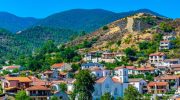
Kakopetria, Platres, and Pedoulas represent the most prominent examples, with stone-built structures featuring sloping terracotta tile roofs, wooden shutters, and cobbled streets preserved as protected cultural heritage. The architecture responds to mountain conditions including snow, rainfall, and steep terrain uncommon in lowland Cyprus.
Kakopetria is cradled between the Kargotis and Garillis rivers, which converge to form the Klarios River, creating lush green environments where water mills once ground grain for village populations. These mountain retreats served dual functions as permanent agricultural communities and summer resorts where coastal residents escaped heat during the Ottoman and British colonial periods.
Kakopetria’s Protected Old Quarter
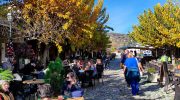
The village is celebrated for its meticulously preserved old quarter, Kakopetria village, which stands as a protected national monument of Cypriot heritage architecture. Its overhanging wooden balconies, narrow stone-paved streets, and restored houses create a timeless atmosphere that feels like stepping into a bygone era. Located at 667 meters elevation in the Solea Valley, Kakopetria sits southwest of Nicosia on the northern Troodos slopes.
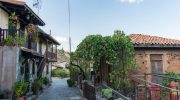
The name translates to “bad rock,” derived from local legend about a large rock that fell from a cliff and crushed a newlywed couple during wedding celebrations. Despite this somber origin story, the village exudes warmth through its restored traditional architecture. The old quarter of the village with its narrow, stone-paved alleys and its traditional houses with their wooden balconies have been restored and declared a protected cultural heritage site.
Platres Mountain Resort Heritage
Platres at 1,200 meters elevation served as Cyprus’s premier mountain resort during British colonial rule, attracting wealthy Cypriots and Middle Eastern elite seeking relief from coastal heat. Once bursting with life as a tourist destination, receiving visitors belonging to Cypriot and Middle Eastern elite, due to the famous, now abandoned, Berengaria hotel. Located at the top of the hill, hidden within a dense pine forest, the hidden jewel of the mountain once hosted the King of Egypt Pharouk and the president of Israel.
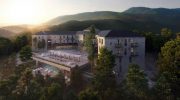
The Berengaria Hotel stands abandoned, a stone building frozen in time with furniture still inside describing stories of old glory. The derelict structure represents both Platres’s glamorous past and the challenges facing mountain villages as tourism shifted to coastal resorts. The village maintains traditional stone houses with sloping roofs designed to shed snow and rain, architectural adaptations unnecessary in lowland Cyprus where precipitation is minimal and snow almost never falls.
Traditional Building Materials and Techniques
The houses are typically built of stone, with sloping roofs and wooden shutters. Local limestone provided primary building material, quarried from nearby hillsides and shaped into rectangular blocks fitted together with minimal mortar. The thick stone walls provided thermal mass that moderated temperature swings between day and night, winter and summer. The construction methods followed patterns established over centuries, with knowledge transmitted through family workshops where fathers taught sons masonry techniques.
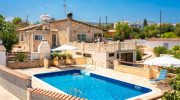
Timber for structural beams, roof supports, and balconies came from Troodos pine forests before stricter conservation regulations limited harvesting. The wood aged naturally, developing silver-gray patinas that harmonize with stone walls. Wooden shutters protected windows from storms while allowing ventilation through adjustable slats. The combination of durable stone lower stories and lighter wooden upper additions created flexible structures that could be expanded as families grew.
Village Churches and Religious Architecture
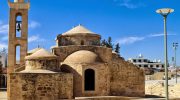
Mountain villages developed concentrations of small churches (Agioi Saranta Cave Church) and chapels that served both religious and social functions. Journey towards Platres and find the Monastery of Panagia Trikoukia, set in a mesmerizing environment with mountain views and pine forests, a stone-built church with a wooden roof with tiles telling stories of glory. These structures followed Byzantine architectural traditions with stone construction, domed or vaulted ceilings, and elaborate iconostases separating sanctuary from nave.
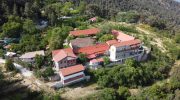
Many churches received UNESCO World Heritage designation for exceptional Byzantine frescoes covering interior walls and ceilings. The painted churches in the Troodos region preserve some of Cyprus’s finest examples of Byzantine and post-Byzantine religious art, protected by their remote mountain locations from destruction that affected coastal monuments. The frescoes date from the 11th through 17th centuries, documenting artistic evolution across six hundred years.
The churches anchored village social life, with feast days transforming quiet settlements into celebration sites drawing scattered family members home for annual reunions. The religious architecture influenced domestic building through decorative elements including carved wooden doors, painted ceiling beams, and stonework details that replicated ecclesiastical patterns.
Contemporary Preservation and Agrotourism
Modern preservation efforts focus on maintaining architectural authenticity while adapting structures for contemporary use. Government programs offer financial incentives for restoration projects that follow traditional building methods and materials. The regulations require maintaining stone exteriors, wooden architectural elements, and overall village character while permitting interior modernization with bathrooms, kitchens, and climate control invisible from streets.
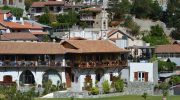
Many restored houses now operate as boutique accommodations offering authentic mountain experiences. Properties like Casale Panayiotis in Kalopanayiotis and The Mill Hotel in Kakopetria demonstrate how traditional buildings can serve luxury tourism while preserving historical character. The conversions typically retain original stone walls, wooden balconies, and period furnishings while adding modern amenities that make extended stays comfortable.
The villages attract visitors seeking alternatives to beach resorts, with cultural tourism generating income that supports rural economies threatened by urban migration. The combination of traditional architecture, mountain scenery, hiking trails, Byzantine churches, and local cuisine creates comprehensive experiences that differentiate villages from coastal destinations.