pokries represents the Cypriot version of carnival, celebrated in the weeks leading up to Orthodox Lent. The name derives from the Greek words apochi and kreas, meaning abstinence and meat, marking the final period when meat consumption is permitted before the 40-day fasting period.

This tradition combines ancient pagan festivals honoring Dionysus with Christian calendar observances, creating a uniquely Cypriot celebration focused on feasting, costumed revelry, and satirical humor. While Limassol hosts the island’s largest organized carnival, Apokries customs persist across Cyprus in villages and towns through family gatherings, traditional games, masked performances, and community meals.
The festival serves multiple purposes, providing a release valve for social tensions through humor, strengthening community bonds through shared celebration, and preparing participants psychologically for the spiritual discipline of Lent.
Historical Background
The origins of Apokries trace to ancient Greek festivals celebrating Dionysus, god of wine, agriculture, fertility, and theater. These celebrations occurred in February and March to welcome spring’s arrival after winter’s dormancy. Participants wore masks and costumes, consumed wine freely, performed theatrical competitions, and engaged in processions through city streets.
The ancient festivals temporarily suspended normal social hierarchies, allowing common people to mock authority and express themselves without consequence. Cyprus maintained these Dionysian traditions through successive periods of Roman, Byzantine, and Frankish rule. Archaeological evidence from Paphos and Kourion confirms worship of Dionysus on the island during classical antiquity.
The transition from pagan festival to Christian observance occurred gradually, with the Orthodox Church eventually incorporating carnival into the liturgical calendar as preparation for Lent. The 12th century monk Neophytos Egklistos documented carnival practices in Cyprus, condemning them as alien customs incompatible with Christian devotion. Despite clerical disapproval, Cypriots continued celebrating Apokries throughout the medieval period.
The Three Weeks of Celebration
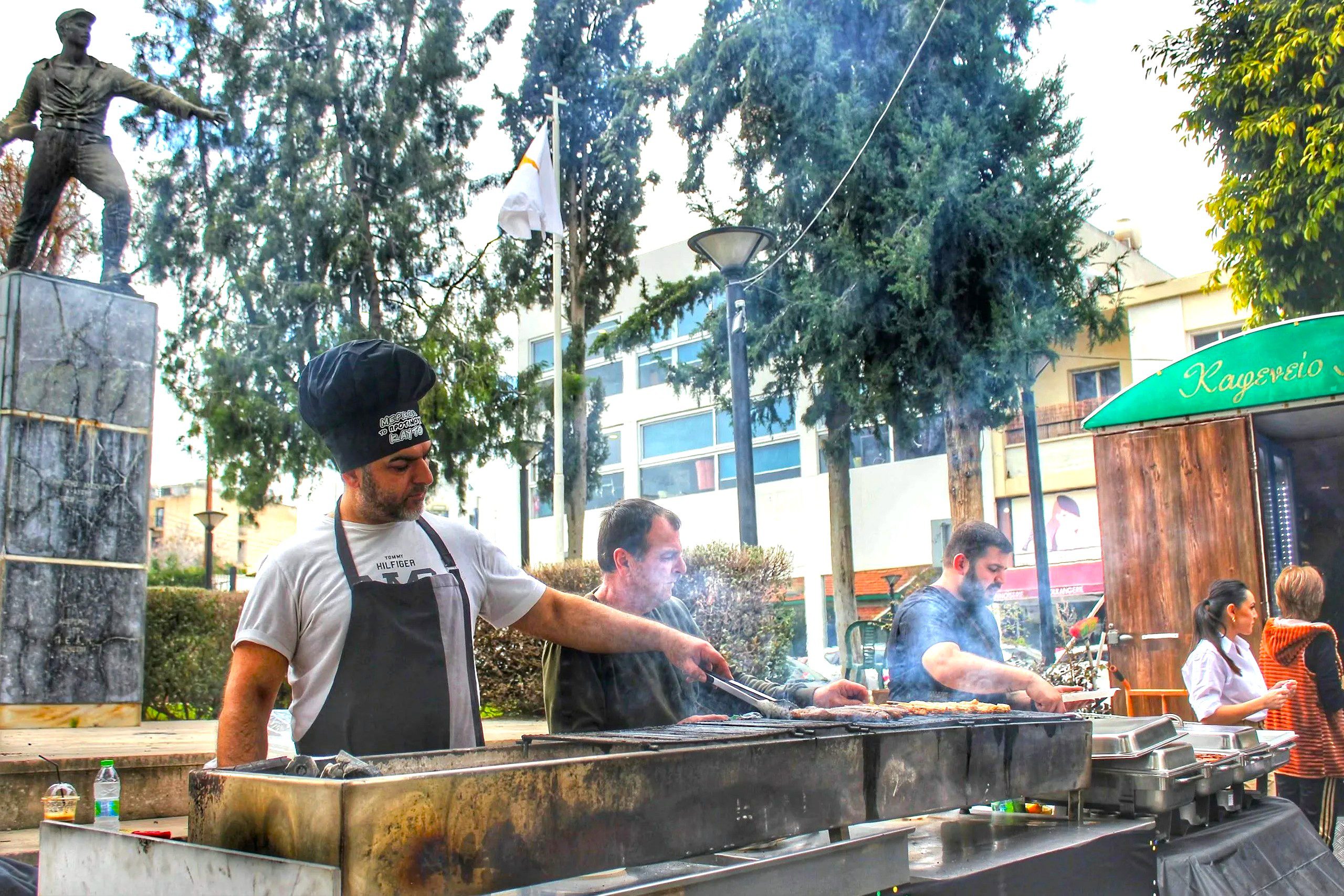
Apokries spans three weeks, each with distinct dietary rules and social customs. The first week opens with church services and community gatherings that officially launch the festival period. The second week, called Kreatini or Meat Week, allows unlimited meat consumption. Families host elaborate feasts featuring grilled lamb, pork chops, and traditional sausages. The Thursday of this week, Tsiknopempti or Smoky Thursday, fills Cyprus streets with the aroma of charcoal-grilled meat as neighborhoods organize public barbecues.
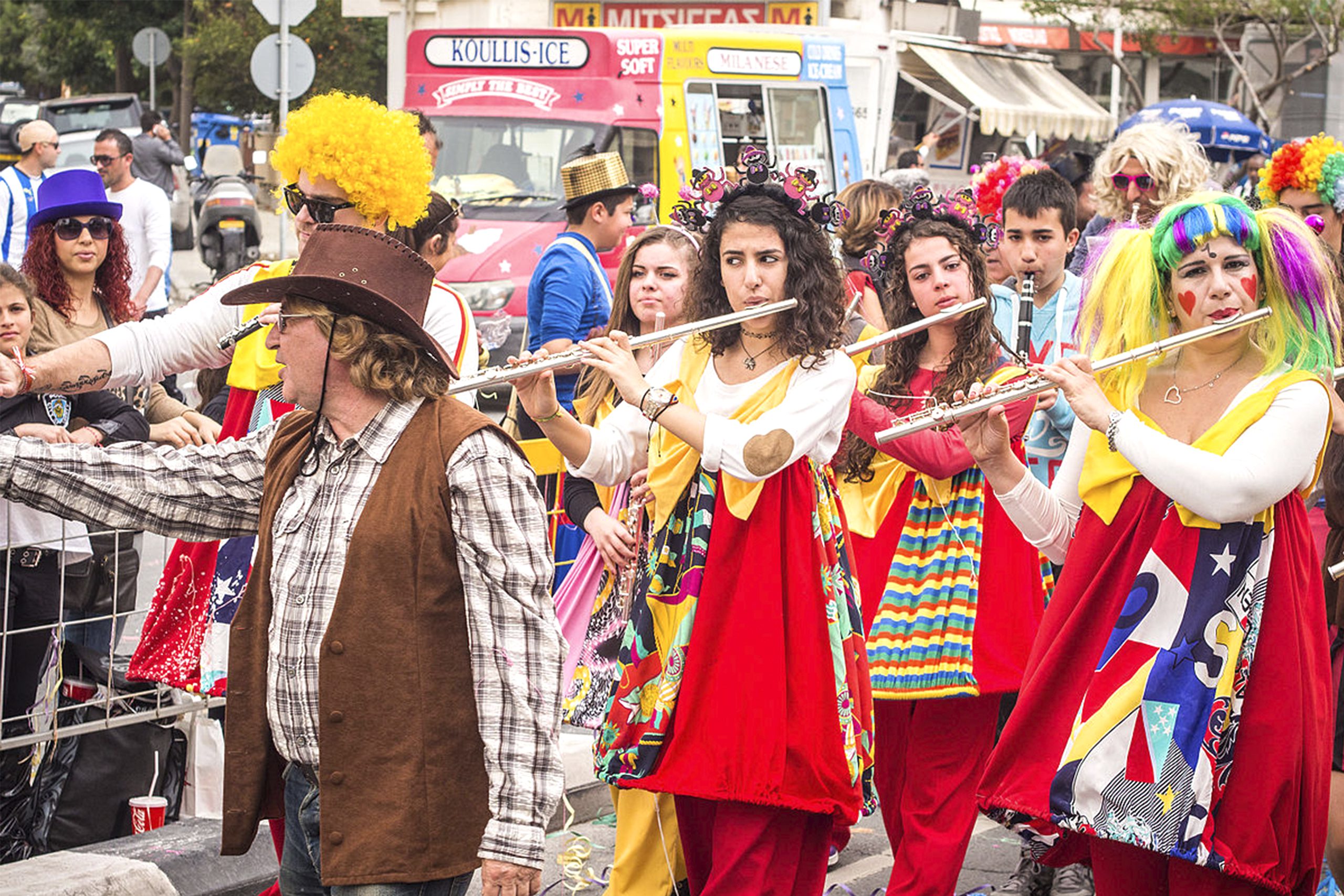
The third week, Tyrini or Cheese Week, prohibits meat but permits dairy products. Bakeries prepare special cheese pastries called bourekia filled with sweetened anari cheese, while households make traditional dairy-based sweets. This gradual reduction from unrestricted eating to dairy-only foods eases participants into the complete fasting that begins on Clean Monday. The final Sunday before Lent, called Tyrofagou or Cheese Eating Sunday, marks the peak of carnival celebrations with grand parades in major cities.
Traditional Village Customs and Games
In rural Cyprus, Apokries maintained distinct local character separate from urban organized carnivals. Villages organized community feasts where families contributed dishes and shared meals in church courtyards or communal spaces. Traditional folk dances accompanied by violin and lute created opportunities for social interaction across family lines. Young people used carnival’s relaxed atmosphere to court potential marriage partners under community supervision.
Mask-making became a creative outlet for villagers who lacked resources for elaborate costumes. People fashioned masks from cardboard, animal furs, charcoal, and fabric scraps. The goal was complete disguise, allowing wearers to perform satirical skits mocking local authority figures, wealthy families, or unpopular policies without personal consequences. These performances addressed village tensions through humor rather than direct confrontation.
Traditional games included competitions testing physical skills like stone throwing, wrestling, and racing. Tsiattista, the improvisational poetic dueling tradition, reached peak popularity during Apokries. Two performers would exchange rhymed couplets, each attempting to outwit the other through clever wordplay and sharp observations about village life. Audiences would judge the winner based on creativity and humor rather than predetermined rules.
The Role of Food in Carnival Identity
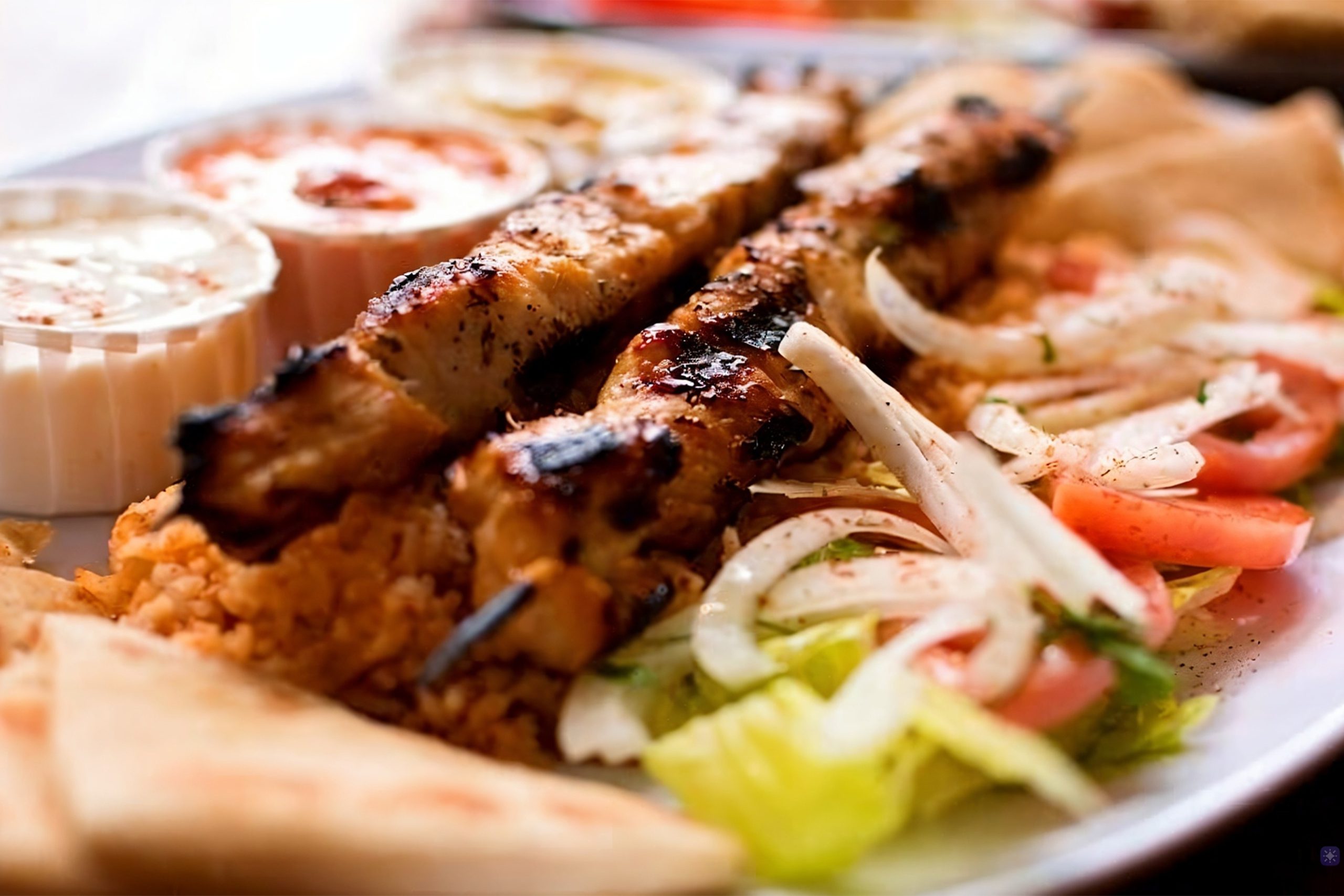
Apokries cuisine emphasizes abundance and indulgence before Lent’s restrictions. Grilled meats dominate Kreatini week, with families consuming quantities impossible during normal periods. Souvla, large pieces of lamb or pork slowly roasted on charcoal spits, becomes the centerpiece of outdoor gatherings. The preparation itself serves as social ritual, with men tending fires and women preparing side dishes.
Cheese week showcases Cyprus’s dairy traditions. Halloumi, the island’s famous semi-hard cheese, appears grilled, fried, and baked in pastries. Anari, a soft ricotta-like cheese, fills sweet and savory preparations. Traditional sweets like palouzes, a grape must pudding, and soutzoukos, walnut strings coated in grape syrup, represent pre-Lenten indulgence. These foods connect modern Cypriots to agricultural cycles and seasonal eating patterns that governed village life for centuries.
Costumes and Satirical Performance
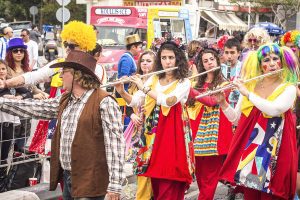
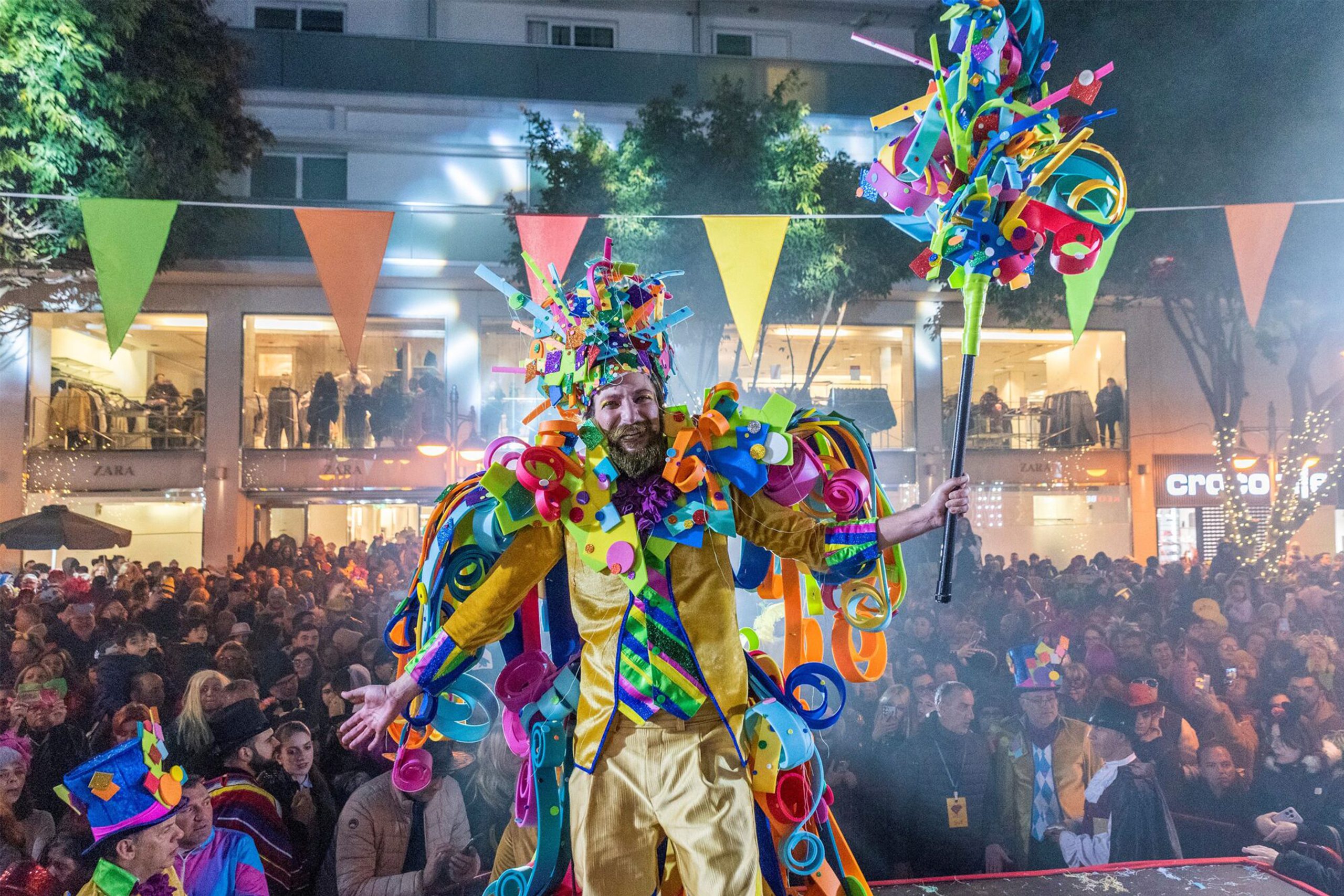
Costuming during Apokries ranges from simple disguises to elaborate theatrical creations. Traditional masks often depicted exaggerated human features, animals, or mythological creatures. Goat and sheep bells attached to costumes created noise meant to drive away evil spirits, a custom possibly descended from pre-Christian beliefs. The anonymity provided by masks allowed people to behave outside normal social constraints without damaging reputations.
Satirical performances addressed contemporary issues through comedy. Political leaders, clergy members, wealthy merchants, and foreign occupiers all became fair game for mockery. During Ottoman rule, Cypriots used carnival satire to express frustrations with taxation and administrative policies. Under British colonialism, carnival performances parodied colonial officers and their enforcement of unpopular regulations. Modern Apokries continues this tradition with floats and skits criticizing government corruption, economic policies, and international political figures.
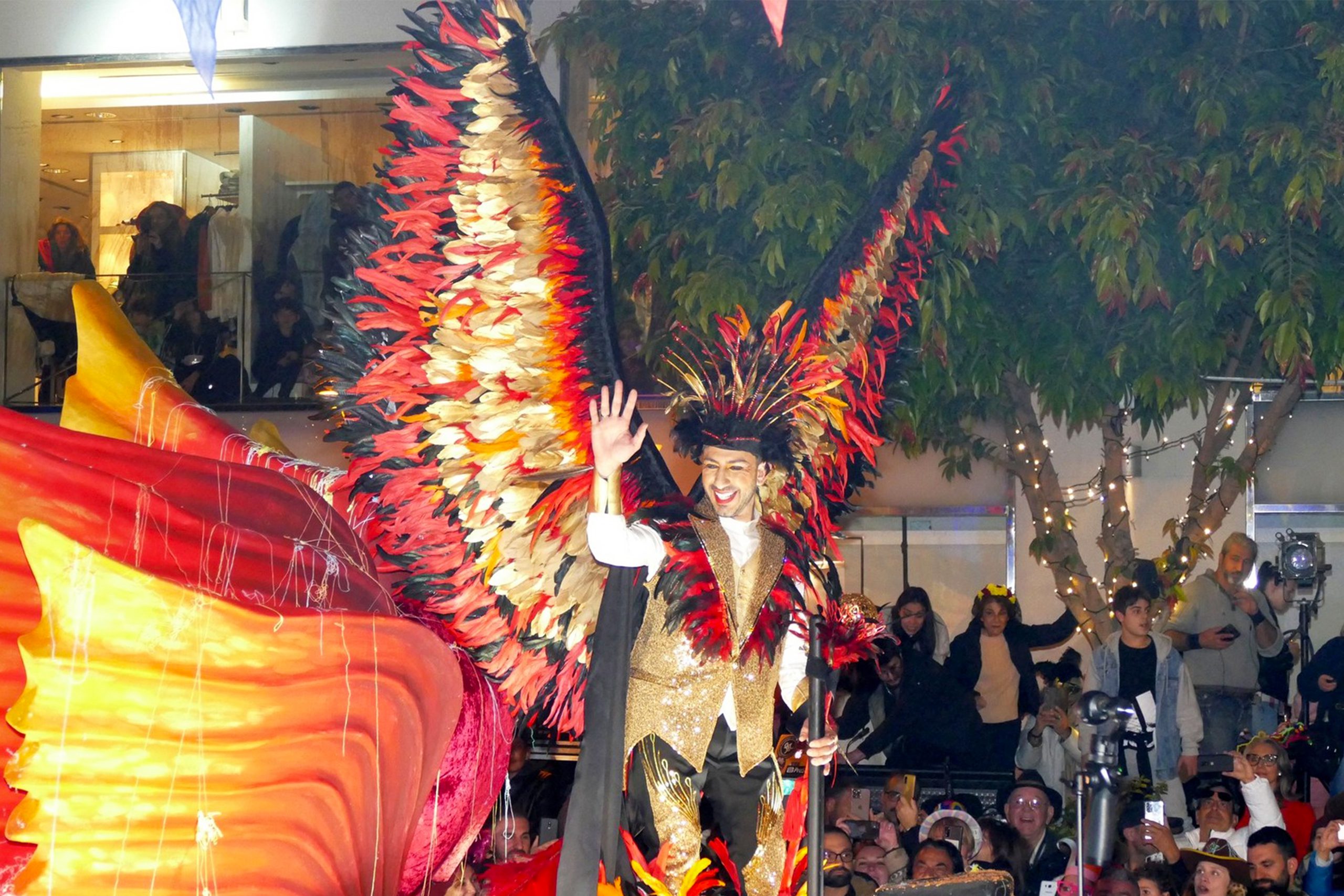
The principle of role reversal, where social hierarchies temporarily invert, remains central to Apokries. Men dress as women, poor as rich, young as old. This inversion provides psychological release and reminds participants that power structures are human constructs rather than natural law. The temporary nature of carnival freedom makes the return to normal social order more acceptable.
Apokries in Modern Urban Cyprus
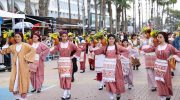
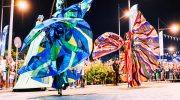
Contemporary urban Apokries centers on organized events managed by municipal authorities and cultural organizations. Limassol’s carnival, the largest in Cyprus, attracts over 50,000 participants to its Grand Parade. Months of preparation go into float construction, costume design, and choreographed performances. The parade route extends seven kilometers along Archbishop Makarios III Avenue, lined with spectators from across Cyprus and abroad.
Children’s parades have become significant features of urban carnivals. Schools coordinate group costumes, with entire classes dressed as unified themes. These events introduce younger generations to carnival traditions while adapting to modern sensibilities. Parents who participated as children now bring their own offspring, creating generational continuity.
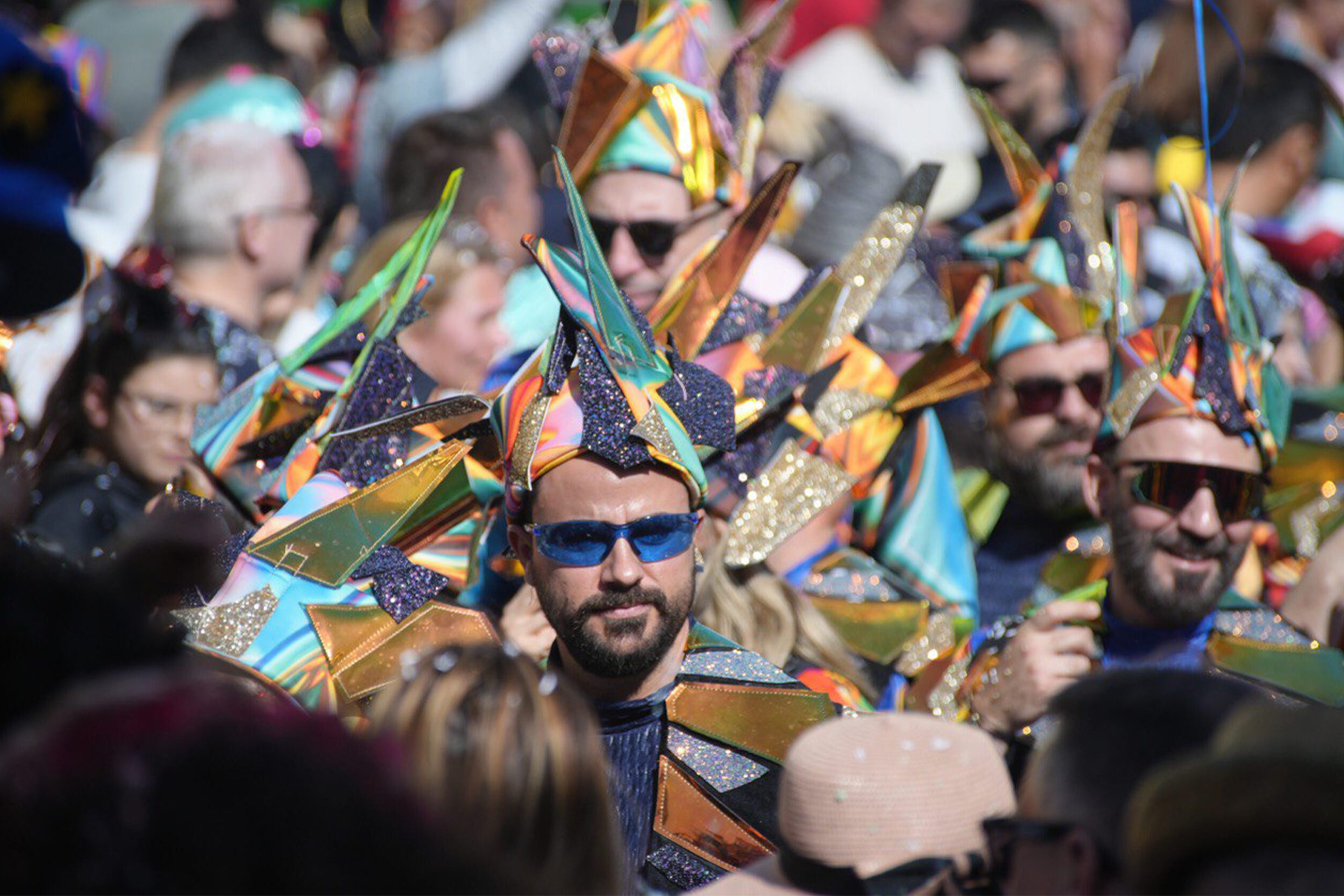
Masquerade balls at hotels and cultural centers provide adult carnival experiences combining elegance with irreverence. These ticketed events feature live music, unlimited food and drink, and prizes for best costumes. The atmosphere blends formal social occasions with carnival’s spirit of excess and freedom from normal constraints.
Contemporary Significance and Cultural Identity
For modern Cypriots, Apokries represents continuity with pre-Christian antiquity and resistance to foreign cultural domination. The survival of carnival through Byzantine, Frankish, Venetian, Ottoman, and British rule demonstrates cultural resilience. Each occupying power attempted to suppress or modify Apokries to fit their religious or administrative priorities, yet Cypriots maintained core traditions.
The festival strengthens community bonds in an era when traditional village life has largely disappeared. Urban migration and modernization have disrupted extended family structures and neighborhood cohesion. Apokries provides an annual occasion for scattered relatives and old friends to gather, reinforcing social connections that might otherwise fade.

The balance between tradition and innovation remains dynamic. Younger Cypriots incorporate contemporary music, international costume themes, and social media documentation into carnival while maintaining core elements like Tsiknopempti barbecues and satirical parades. This adaptation ensures Apokries remains relevant to new generations rather than becoming a museum piece.
Experiencing Apokries Today
Visitors can participate in Apokries by attending public parades, joining neighborhood barbecues on Tsiknopempti, or purchasing costumes to blend with celebrating crowds. Limassol offers the most elaborate organized events with multiple parades, concerts, and themed parties throughout the three-week period. Smaller cities like Paphos, Larnaca, and Nicosia host their own celebrations with more intimate community atmosphere.
Village Apokries provides different experiences focused on traditional customs rather than large-scale spectacle. Some mountain villages maintain mask-making workshops, traditional music performances, and local food specialties. These celebrations offer insight into how carnival functioned before commercialization and mass tourism.
Food experiences during Apokries include organized tastings of carnival specialties, cooking demonstrations, and restaurant menus featuring traditional feast dishes. Many establishments offer special Apokries packages combining food, wine, and entertainment. The sensory experience of carnival aromas, particularly grilled meat on Tsiknopempti, creates lasting memories connecting visitors to Cypriot celebration culture.