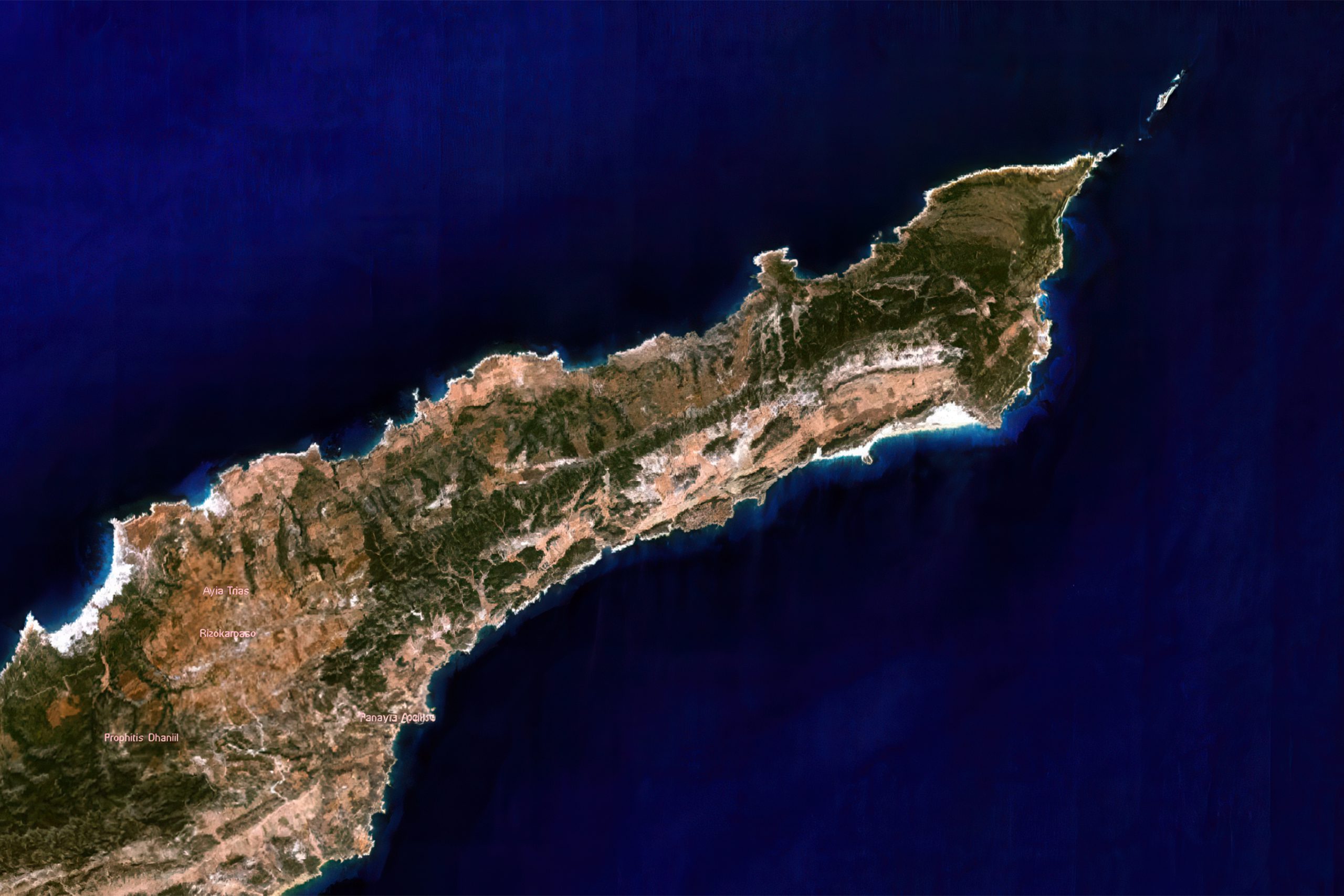
The Karpasia Peninsula extends like a long finger into the Mediterranean from northeastern Cyprus, reaching 75 kilometers toward Turkey and Syria. This narrow landmass, also known as the Panhandle, represents Cyprus’s most remote and undeveloped region. The peninsula covers 898 square kilometers with a population density of just 26 people per square kilometer, making it one of the least inhabited parts of the island.
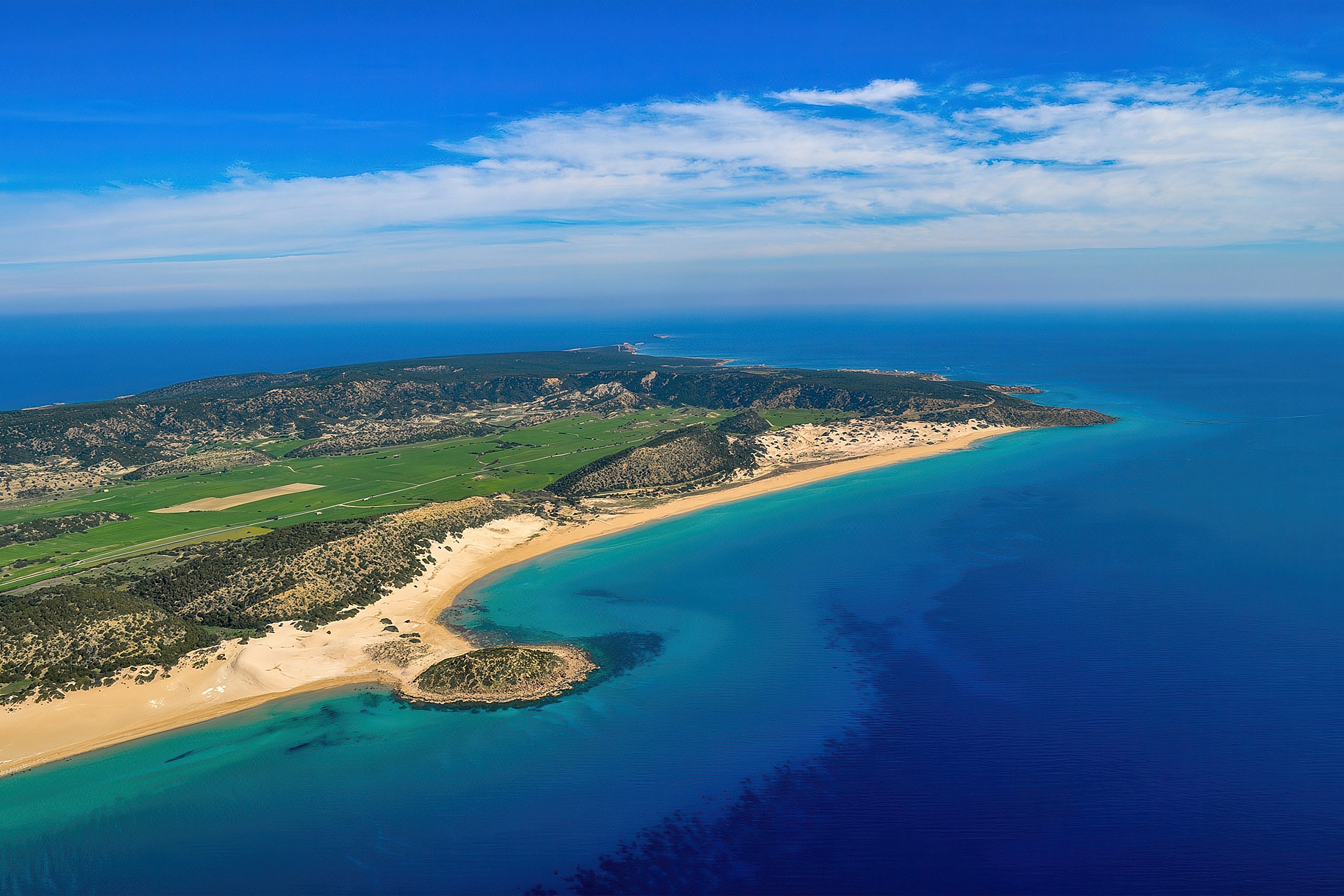
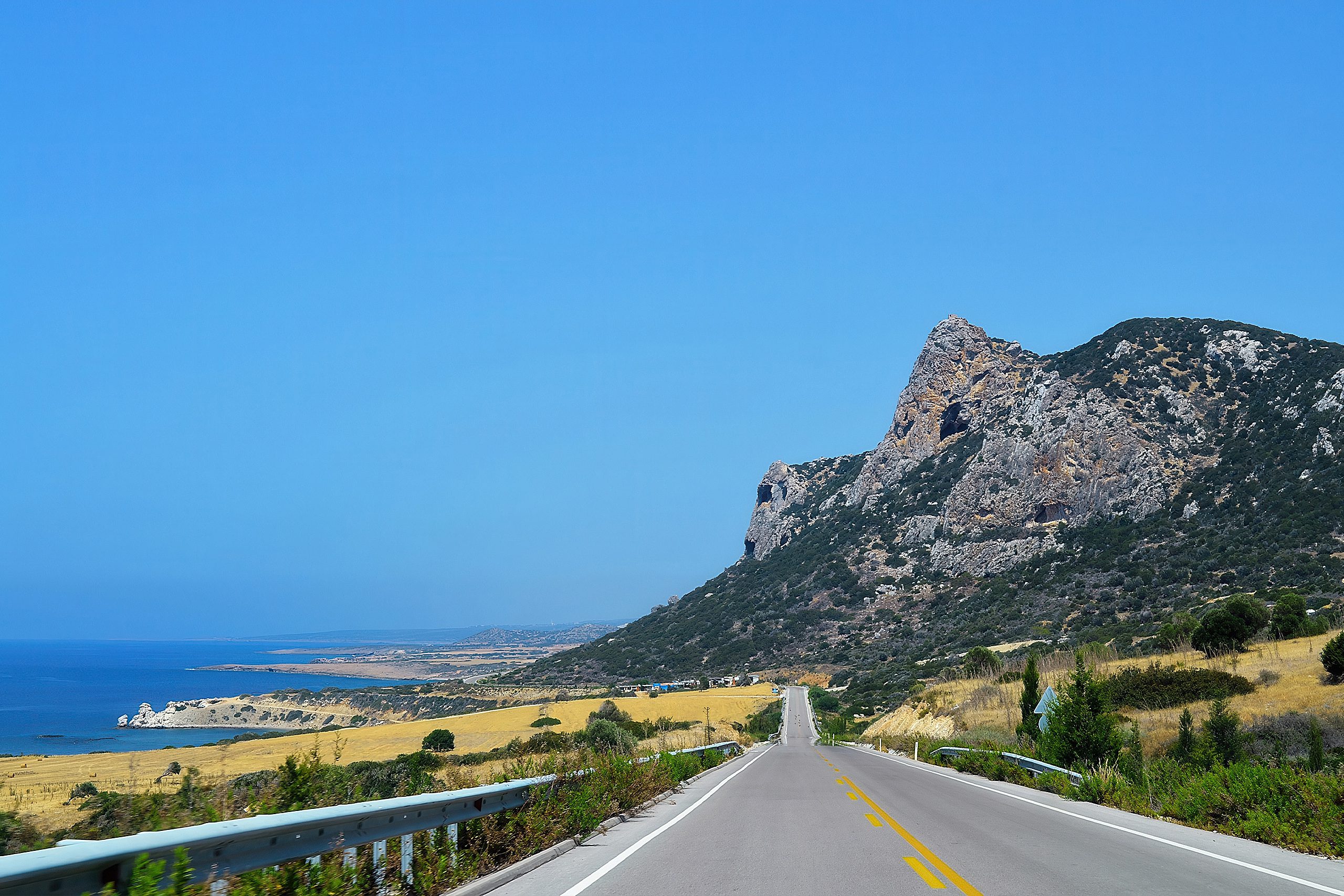
The main route runs from Trikomo, considered the gateway town, through small villages to Cape Apostolos Andreas at the very tip. This wild coastline hosts more than 46 sandy beaches, ancient ruins, and rare wildlife that make the journey one of Cyprus’s most rewarding drives.
Historical Background
The Karpasia Peninsula has supported human settlement since the Late Bronze Age, with archaeological evidence showing continuous habitation for over 3,000 years. Ancient harbor sites near where Hala Sultan Tekke stands today served the town of Kition during its Bronze Age prominence from 1650 to 1050 BC. These coastal areas functioned as crucial trading posts connecting Africa, Asia, and Europe through maritime networks.
The ancient city of Karpasia gave the peninsula its name, though only ruins remain today near the modern village of Rizokarpaso. Another major Bronze Age settlement, Afendrika, lies about seven kilometers east of Agios Filon Beach. This city flourished during the second century BC and left behind ruins comprising three churches from later Byzantine periods built atop older foundations.
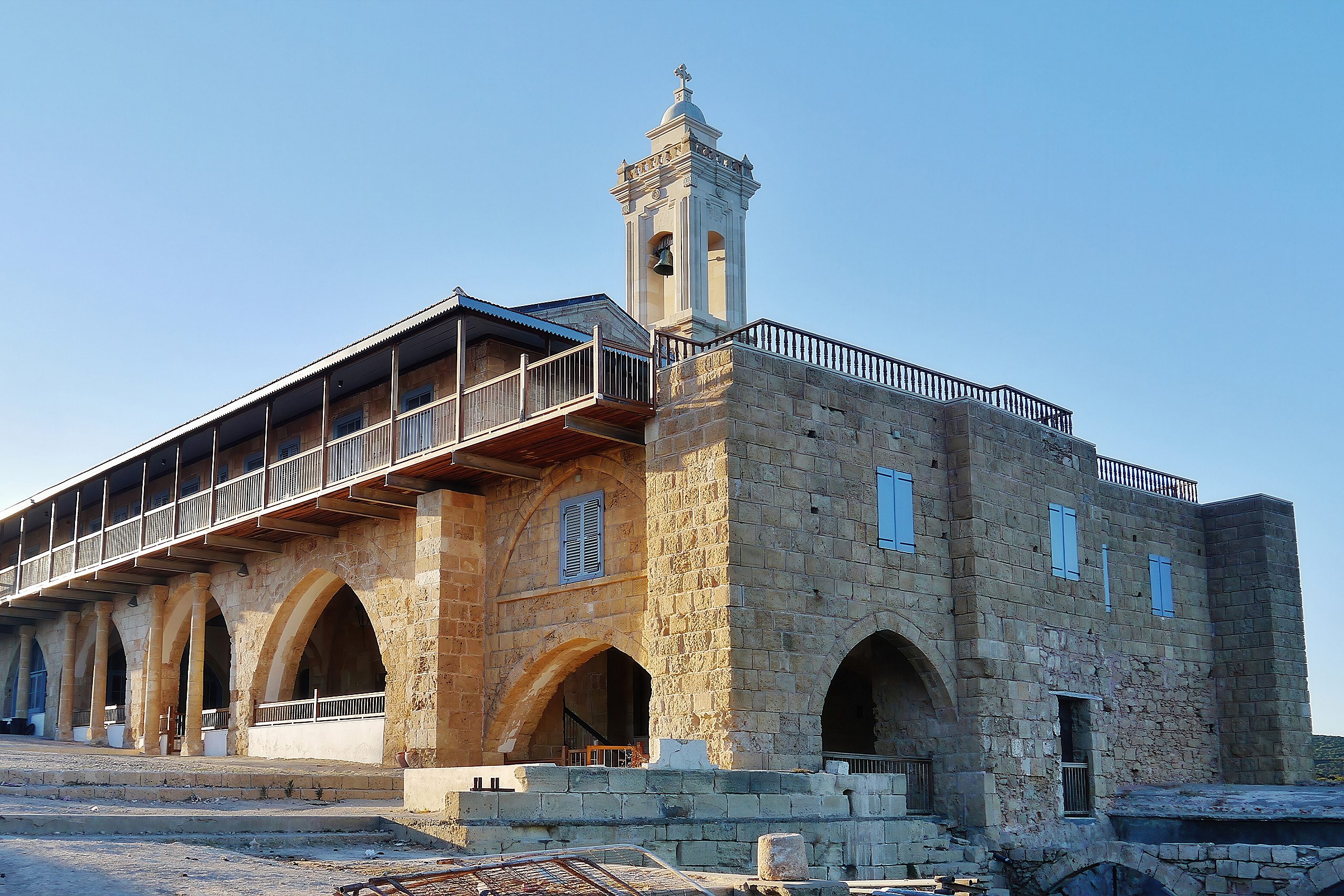
During Byzantine times, the peninsula served as a refuge for monks and hermits seeking isolation. The relatively inaccessible terrain protected religious communities from coastal raids that plagued more exposed areas. Several small chapels and monasteries from this period still dot the landscape, most notably the 15th-century foundations of Apostolos Andreas Monastery at the peninsula’s tip.
The Drive from Gateway to Cape
The journey begins at Trikomo, where the peninsula’s narrow profile becomes evident. The paved road winds through agricultural landscapes where farmers still use traditional horse-drawn implements for cultivation. The peninsula’s soil supports diverse crops, though the region is particularly famous for its watermelons, called karpuz in Turkish, which may share etymological roots with the peninsula’s name.
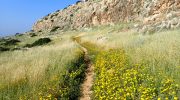
The main route passes through Yialousa, Galateia, Rizokarpaso, and Komi Kebir, each village maintaining traditional Cypriot architecture with stone houses and narrow streets. Between settlements, the road traverses relatively flat terrain with occasional gentle hills. Cyprus cedar, pine, and cypress trees populate elevated areas, while coastal sections feature Mediterranean scrubland adapted to salt spray and arid conditions.
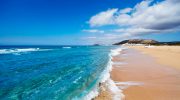
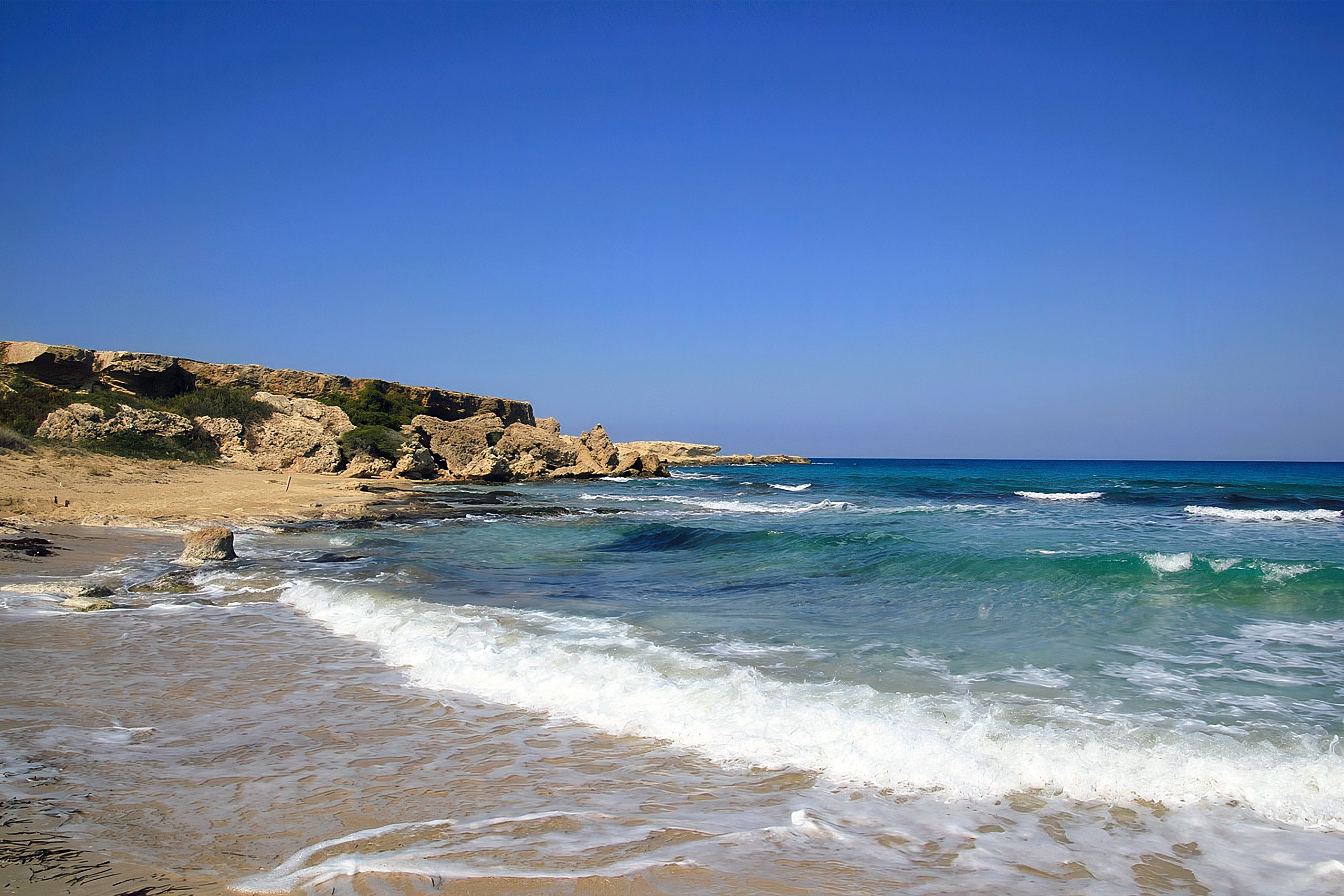
Approximately 20 kilometers from Rizokarpaso, also called Rizokarpaso, lies the turning for Golden Beach. This detour leads to what many consider Cyprus’s finest beach, stretching over six kilometers with golden sand dunes reaching 500 meters inland in places. The beach splits into two sections separated by hill and large sand dunes without vegetation. The pristine appearance results from limited development and the area’s designation as a protected natural park.
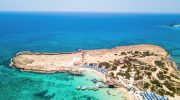
Beyond Golden Beach, the road continues another nine kilometers to Apostolos Andreas Monastery. The final stretch traverses increasingly wild terrain where development thins to almost nothing. Three kilometers past the monastery, the easternmost point of Cyprus. From this cape, visitors see small rocky islands scattered offshore and the open Mediterranean extending toward distant horizons.
Beaches That Shelter Endangered Turtles
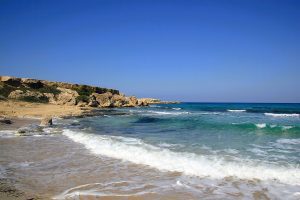
The Karpasia Peninsula beaches serve as the primary Eastern Mediterranean nesting grounds for loggerhead turtles and green sea turtles. Between late March and early June, female turtles emerge from the sea at night to dig nests and deposit 70 to 150 eggs in the sand. The beaches’ remoteness and limited human activity provide ideal conditions for successful nesting.
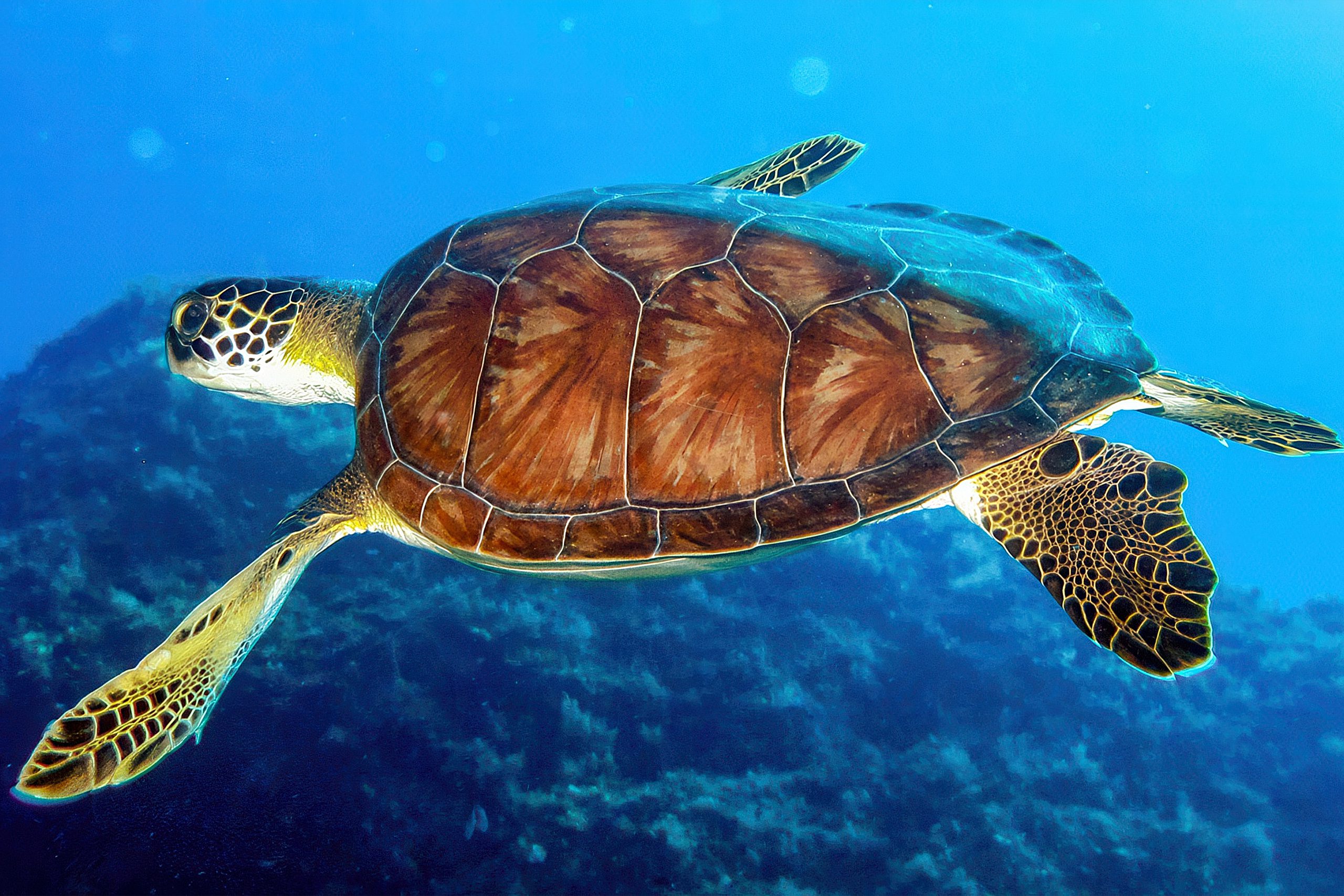
Golden Beach functions as particularly important turtle habitat. Conservation organizations including the Society for the Protection of Turtles monitor the area closely during nesting and hatching seasons. Volunteers place protective cages over nests to prevent accidental damage from dogs, wild donkeys, or human activity. Incubation requires 50 to 60 days depending on sand temperature, with peak hatching between July and August.
Visitors in September might witness hatchlings emerge from the sand and make their first journey to the sea. These tiny turtles instinctively move toward the ocean’s reflection, though artificial lights can disorient them. Conservation efforts include limiting coastal development and restricting beach access during sensitive periods to maximize hatchling survival rates.
Camping and fire building are strictly prohibited on turtle nesting beaches. While enforcement remains inconsistent, these regulations protect both the nesting environment and developing eggs sensitive to disturbance. The beaches maintain wild character with minimal facilities, though basic restaurants and simple accommodation exist near Golden Beach.
Why This Route Matters
The Karpasia Peninsula demonstrates how limited development preserves natural and cultural heritage. The peninsula’s political isolation prevented the mass tourism development that transformed other Cyprus coastal areas. This accidental conservation created one of the Mediterranean’s last truly wild coastlines where nature dominates and human activity remains secondary.
The region’s biodiversity holds international importance. The turtle nesting beaches support populations crucial for species survival. The migration corridors serve birds traveling thousands of kilometers between breeding and wintering grounds. The recovering marine environment shows how protection allows ecosystem restoration even after significant damage.
Culturally, the peninsula preserves traditional Cypriot village life increasingly rare elsewhere on the island. Agricultural practices, architecture, and daily rhythms follow patterns established over generations. The coexistence of Turkish and Greek Cypriot communities in some villages demonstrates peaceful interaction despite the broader political division.
The Apostolos Andreas Monastery represents reconciliation and shared heritage. The restoration project that began in 2014 brought Greek Cypriot and Turkish Cypriot craftsmen together, funded equally by religious institutions from both communities. This cooperation created the first bicommunal heritage conservation project on the island and transformed the monastery into a symbol of what cooperation can achieve.
Practical Information for Travelers
The drive from Kyrenia to the peninsula’s tip requires approximately three to three and a half hours, first following roads toward Nicosia, then Famagusta, and finally turning toward Karpasia. From Nicosia, the journey takes similar time, while from Famagusta the trip requires about an hour and fifteen minutes. The main road remains paved throughout, though conditions vary with potholes appearing in sections and the final approaches to some beaches using unpaved tracks.
No public transportation serves the peninsula effectively. A bus service called Karpasia Express once connected Kyrenia to major sites but has discontinued operations. Visitors require private vehicles or organized tours to access the area. Rental cars provide flexibility for stopping at viewpoints and beaches, while guided tours offer context and handle navigation.
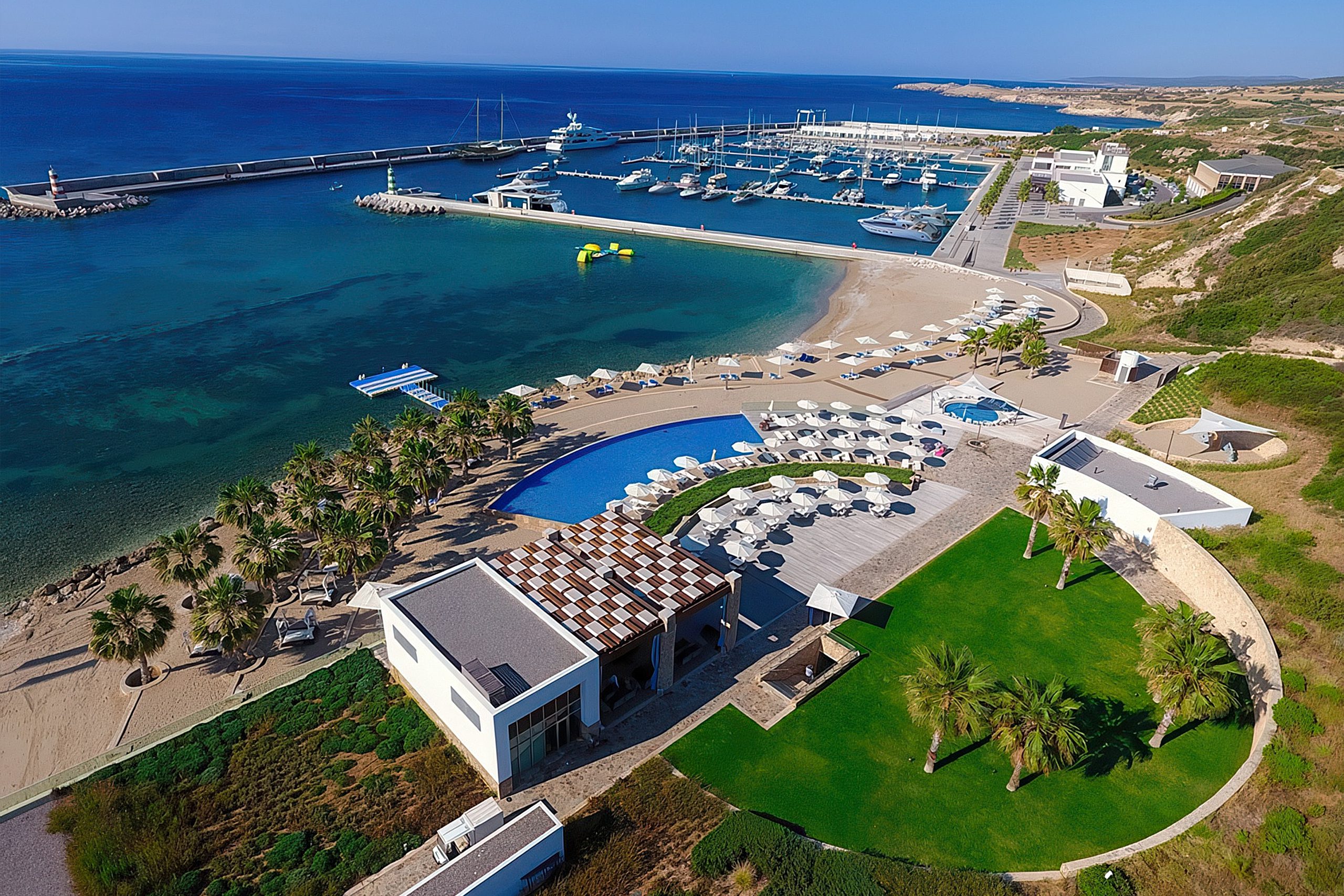
Petrol stations become sparse beyond the gateway towns, so filling tanks before entering the peninsula prevents inconvenient fuel searches. Food and accommodation options remain limited, with most restaurants concentrated in Rizokarpaso and near Golden Beach. Small hotels and wooden bungalows provide basic lodging, while larger resort hotels exist near Vokolida on the northern coast though outside the peninsula proper.
Experiencing the Wild Coast
The monastery of Apostolos Andreas occupies dramatic clifftop positions overlooking the sea. According to tradition, Saint Andrew’s ship struck rocks here during a voyage to the Holy Land. He struck the rocks with his staff and a spring gushed forth with healing waters that restored the ship captain’s sight. The monastery built around this spring has drawn pilgrims for centuries, earning it the title “Lourdes of Cyprus.”
The main church dates to 1867 with annexes added until 1914. A smaller medieval chapel from the 15th century stands at sea level where the spring emerges. Pilgrims collect holy water in bottles, believing it possesses healing properties. The monastery welcomes visitors daily, with particularly large crowds on August 15 for the Assumption of Mary and November 30 for Saint Andrew’s feast day.
The beaches require different approaches. Golden Beach offers several access points from the coastal road where exits lead through fenced areas protecting against wandering donkeys. Agios Filon Beach to the north provides soft sand and large flat rocks ideal for sunbathing. Most beaches lack facilities beyond occasional basic restaurants, preserving their natural character.
Exploring ancient ruins adds historical dimension to visits. Kantara Castle, about an hour’s drive from the peninsula, commands mountain positions with spectacular views. The ruins of Afendrika near Agios Filon Beach show three church structures from different periods. These sites receive few visitors compared to more accessible archaeological locations elsewhere in Cyprus.
The Value of Wilderness Preservation
The Karpasia Peninsula stands as evidence that underdevelopment can preserve qualities increasingly rare in the modern Mediterranean. The wild beaches, sparse population, traditional agriculture, and abundant wildlife create an environment fundamentally different from resort-dominated coastlines. This difference holds value both intrinsically and as demonstration of alternatives to intensive development.
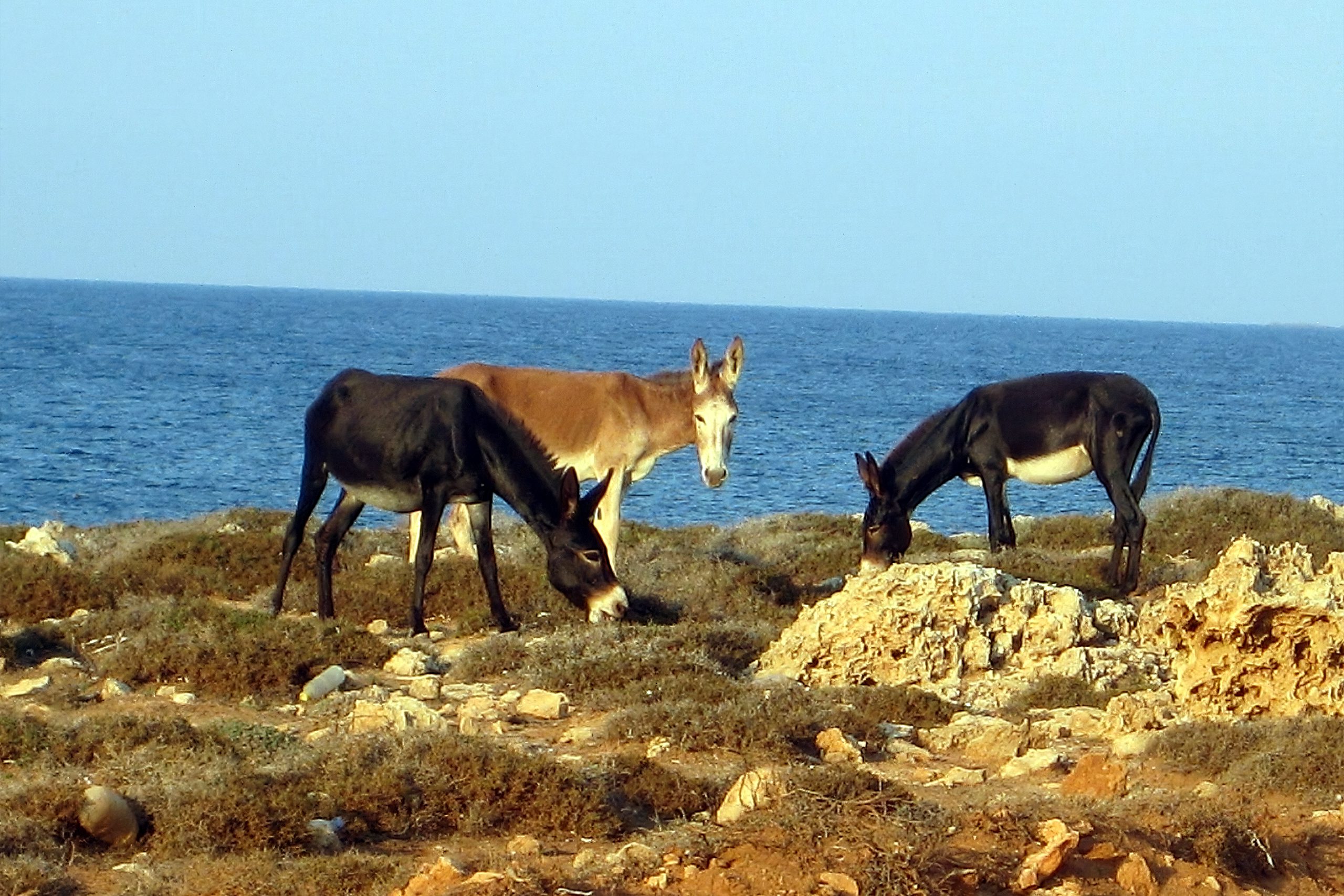
The peninsula faces pressure for increased tourism development as the Turkish-occupied part of Cyprus seeks economic growth. Balancing preservation with appropriate development challenges authorities and communities. The turtle beaches, wild donkey populations, and bird migration corridors require continued protection. Archaeological sites need maintenance and interpretation without overwhelming commercialization.
For visitors, the Karpasia Peninsula offers experiences unavailable elsewhere in Cyprus. The journey to remote beaches, encounters with wild donkeys, visits to ancient monasteries, and drives through landscapes where nature dominates create memories distinct from typical Mediterranean holidays. The effort required to reach the peninsula ensures it remains a destination for those seeking authenticity rather than convenience.