Explore Cyprus with Our Interactive Map

Explore our top stories and discover ideas worth your time.

Konnos to Agioi Anargyroi Trail

Konnos to Agioi Anargyroi Trail

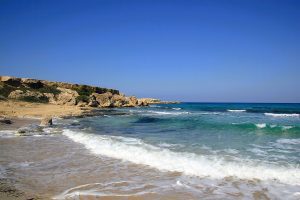
Cyprus offers some of the most beautiful coastal paths in the Mediterranean region. The trail from Konnos Beach to Agioi Anargyroi stands out as a prime example of natural beauty. This path winds along the rugged cliffs of the Cape Greco National Forest Park. Hikers enjoy a direct view of the turquoise sea while they walk on ancient limestone formations. The air smells of salt and wild thyme throughout the entire journey. Every step reveals a new perspective of the coastline. This route connects two iconic landmarks and provides a peaceful escape for nature lovers. It represents the raw, untouched spirit of the Cypriot landscape. Trail Overview Location: Cape Greco National Forest Park, Ayia Napa, Cyprus Distance: 3 miles (4.8 km) Route Type: Point-to-Point (can be done as Out & Back) Difficulty: Easy Elevation Gain: 40 meters Duration: 1 – 1.5 hours Best Time to Visit: September to May or at Sunrise Terrain: Rocky, Coastal, and Limestone paths The Path Along the Azure Coast The journey begins at the scenic Konnos Bay. This area serves as a gateway to the Cape Greco peninsula. You start the walk on a well-defined track that hugs the edge of the cliff. The trail remains mostly flat which makes it accessible for most fitness levels. To your left, the Mediterranean Sea stretches toward the…

Read more
Cyprus Traditional Stone Villages

Cyprus Traditional Stone Villages

While modern cities rise along Cyprus's coasts, hidden in the island's hills and mountains are stone villages that have barely changed in centuries. These aren't open-air museums or tourist recreations—they're living communities where narrow cobblestone streets still wind past churches older than nations, where women still make lace using techniques passed down through generations, and where the rhythm of life follows patterns shaped by water, terrain, and survival. To visit these villages is to step into a Cyprus that exists outside of time, where the past and present speak to each other in stone, wine, and thread. Where Old Cyprus Still Lives Traditional Cypriot villages are the island's cultural heartbeat, preserving customs, crafts, dialects, and ways of life that have largely disappeared from urban centers. These settlements grew organically over centuries, shaped by geography, climate, and the practical needs of survival rather than by modern planning or tourism. Most sit inland—tucked into hillsides, nestled in mountain valleys, or perched on slopes—rather than along the vulnerable coastline where pirates and invaders once threatened. These villages aren't relics frozen in amber but living communities that have adapted while maintaining their essential character. Stone houses still cluster around churches and monasteries, narrow streets still provide shade and defense against summer heat, and communal spaces still bring neighbors together. While many younger Cypriots moved…

Read more
Digital Nomad Life in Cyprus

Digital Nomad Life in Cyprus

Cyprus has positioned itself as a serious contender in the digital nomad race, offering remote workers a Mediterranean base without the bureaucratic nightmares that plague some other destinations. The island provides sunshine, beaches, reasonable costs, and a structured visa program that actually works. Over 500 digital nomads have already secured permits since the program launched, with the government expanding capacity to meet growing demand. The Cyprus Digital Nomad Visa targets non-EU and non-EEA nationals who work remotely through information technology for companies or clients based outside Cyprus. The scheme launched in October 2021 with an initial cap of 100 permits, which quickly proved insufficient. By March 2025, the government reopened applications and raised the quota to 500 permits. Then in October 2025, authorities doubled the annual cap to 1,000 permits, reflecting strong international interest. The visa grants an initial one-year residence permit with the option to renew for two additional years, giving remote workers up to three years of legal status. Applicants must prove monthly net income of at least €3,500 after tax deductions, which increases by 20% when including a spouse or partner and another 15% for each minor child. The €70 application fee makes this one of the cheapest digital nomad visas available globally. Required Documentation and Health Requirements Applicants need a valid passport with at least three…

Read more