The Salamis bathhouse mosaics show how Roman Cyprus combined leisure, engineering, and civic identity inside one of the island’s most ambitious public complexes. These floors were designed to shape movement and atmosphere, pairing mythic scenes with technical skill, imported materials, and heated rooms that made bathing a daily performance of status. This article explains how the mosaics worked within the bathhouse system, what their imagery signalled, and why their survival still matters for understanding Roman urban life on Cyprus.
A Capital Built to Be Seen
Salamis was not an ordinary provincial town. For long periods, it functioned as the administrative and commercial heart of Cyprus, benefiting from trade routes that linked the Aegean, the Levant, and Egypt. When the city was rebuilt after a devastating earthquake in the first century AD 76/77 and a later insurrection in AD 116, Roman emperors invested heavily in its public architecture.
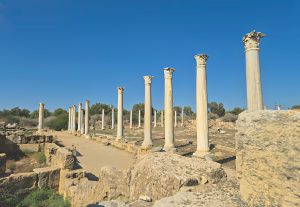
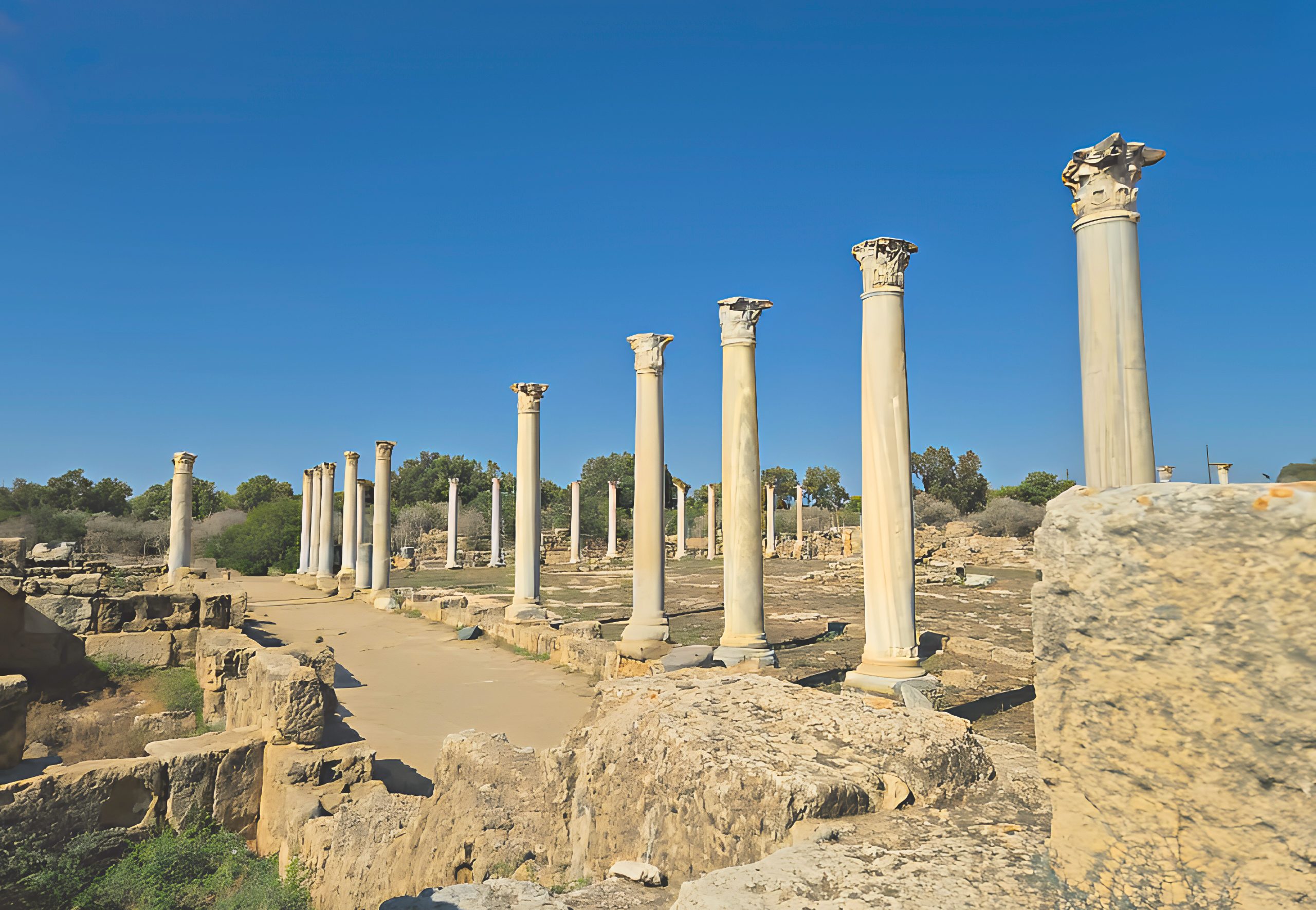
The gymnasium and bathhouse complex became one of the most imposing structures in the eastern Mediterranean. Its scale alone communicated status. Wide colonnades, marble-clad halls, and carefully planned water systems transformed bathing into a public performance of Roman order and prosperity.
Bathing as a Social Ritual
In Roman cities, baths were not private spaces for cleanliness. They were communal environments where physical care, leisure, and social interaction blended into a daily routine. At Salamis, the baths were directly connected to the gymnasium, reinforcing the idea that physical wellbeing, civic life, and education belonged together.
Visitors moved through a deliberate sequence of spaces. Exercise courts led to cold rooms, then warm and hot chambers, before returning again to cooler areas. This rhythm shaped both the body and the experience of the building, turning bathing into a structured ritual rather than a simple activity.
Floors That Directed Movement
The mosaics of Salamis were positioned where they would be noticed. Unlike wall paintings that required focused attention, floor mosaics were constantly visible, guiding movement and shaping perception.
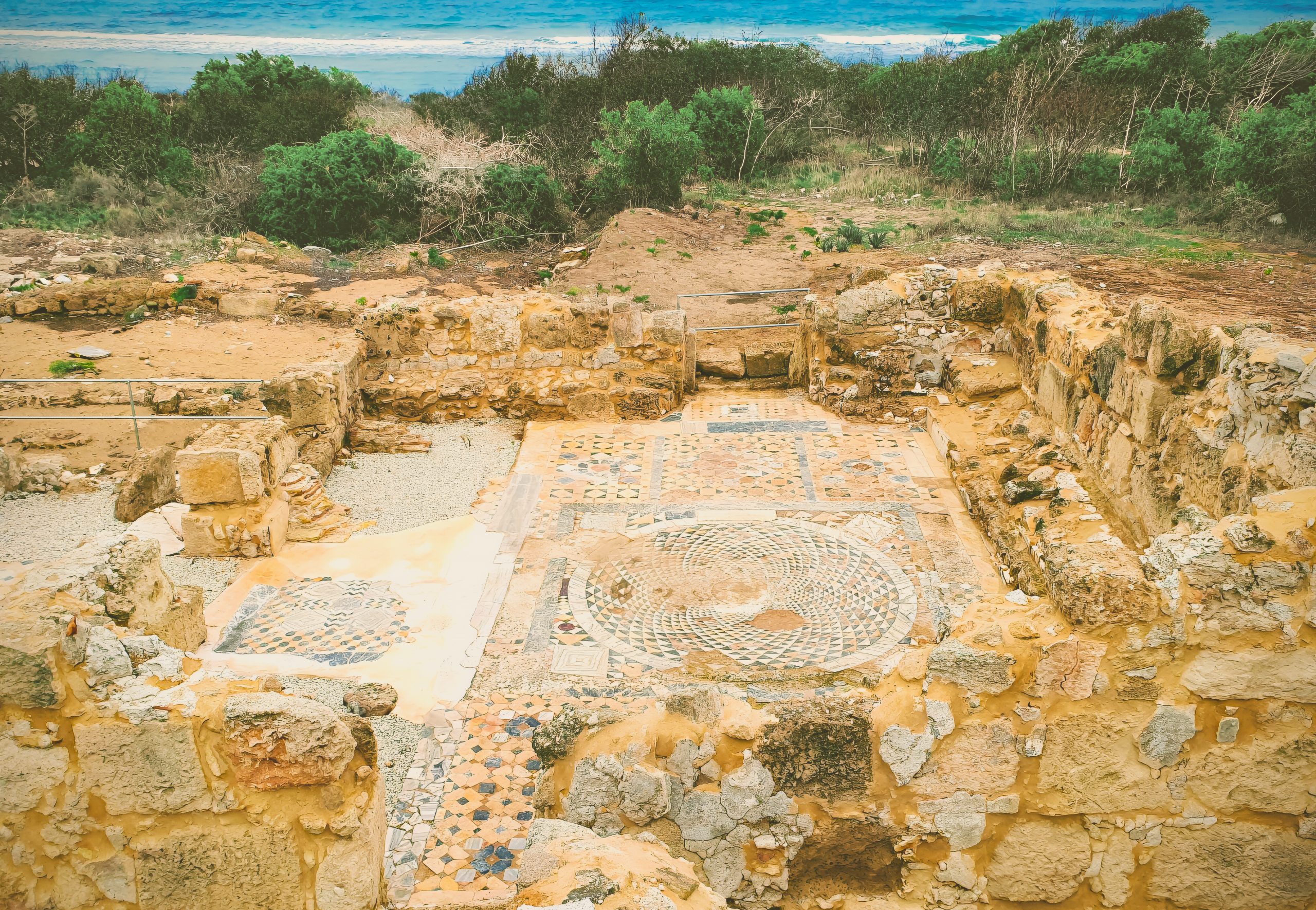
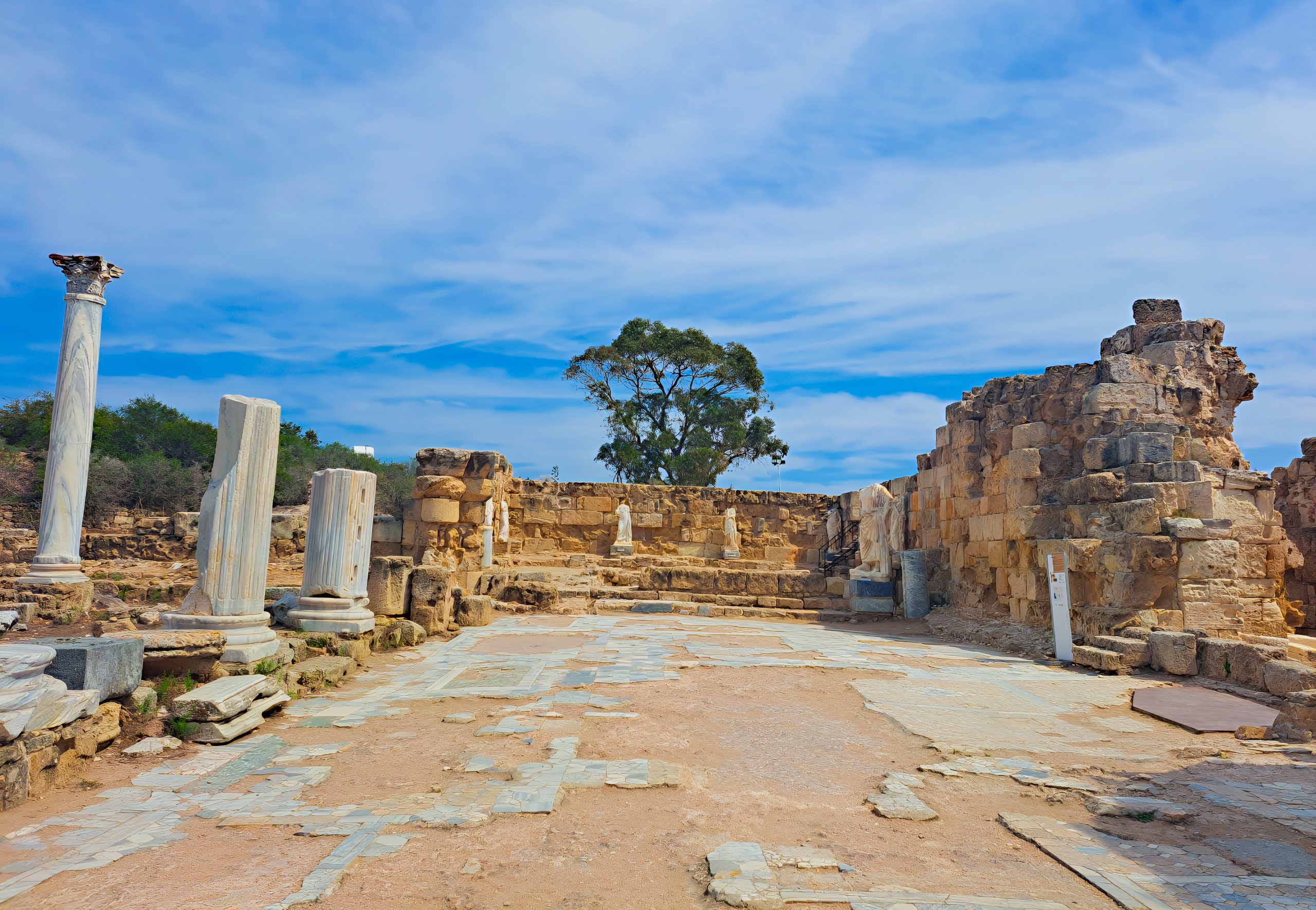
At the centre of many rooms were detailed figural panels surrounded by geometric borders. These compositions created order beneath the feet of bathers, reinforcing the Roman preference for balance, symmetry, and control. Even in spaces filled with steam and heat, the floors carried meaning.
Mythology in a Place of Water
The most famous mosaics were located in the sweating rooms, where heat and humidity intensified sensory experience. Here, mythological scenes were not random decoration. They were carefully chosen narratives tied to water, power, and transformation.
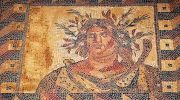
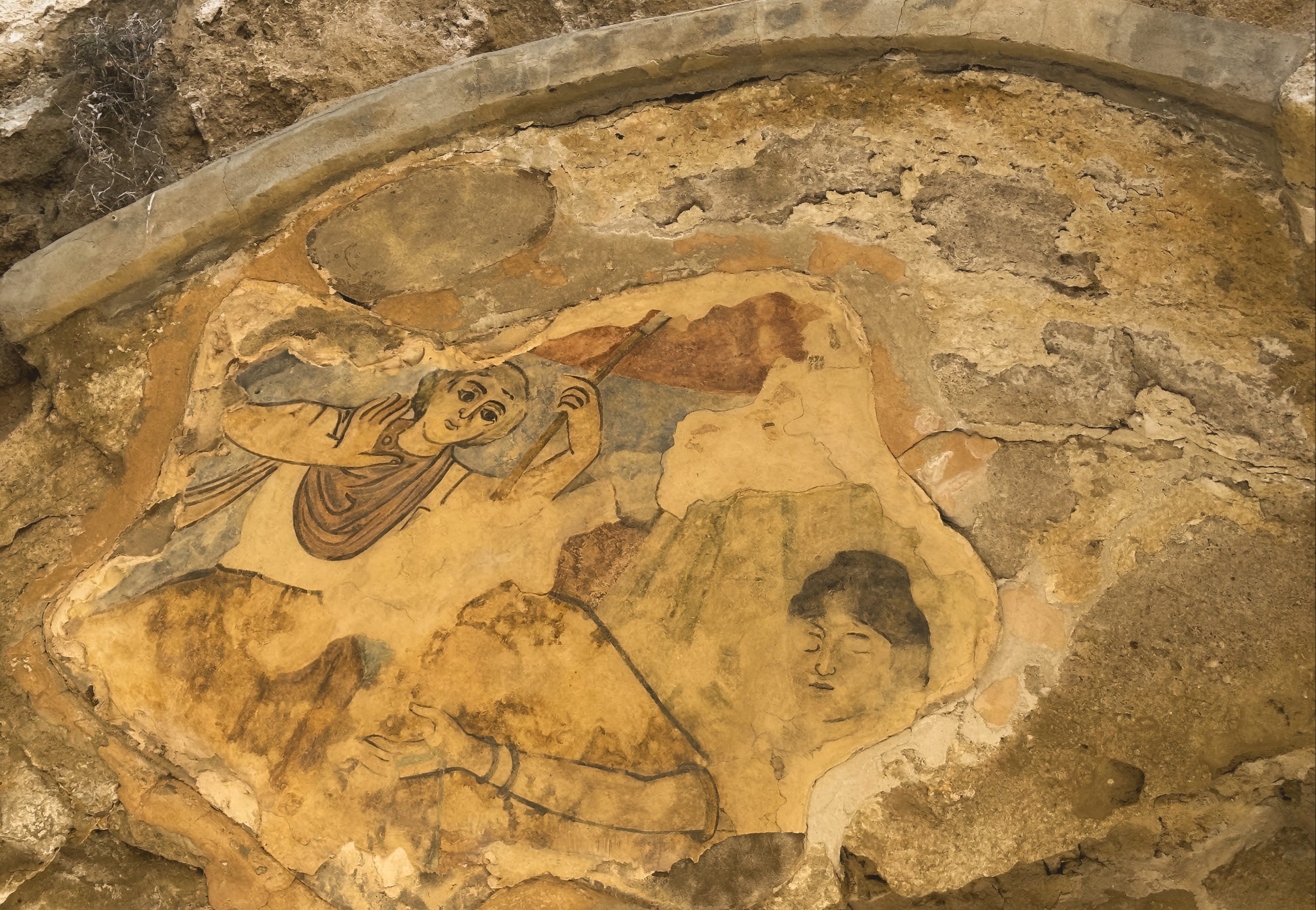
One of the best-known panels depicts Leda and the swan, a story in which Zeus disguises himself to seduce a mortal woman. The scene includes a river god pouring water from a vessel, directly linking myth to the surrounding environment. In a bathhouse, this imagery reinforced the idea of water as both life-giving and transformative.
Other fragments suggest stories of divine punishment and hubris, reminding viewers that power came with limits. These myths were familiar to educated Romans and served as subtle cultural signals within a shared public space.
Craftsmanship Beyond Stone
The impact of the Salamis mosaics does not rest solely in their imagery but in the sophistication of their execution. Skilled craftsmen worked with a carefully selected range of materials, combining local stone with imported marble and vividly coloured glass to produce surfaces that responded to light, movement, and moisture.
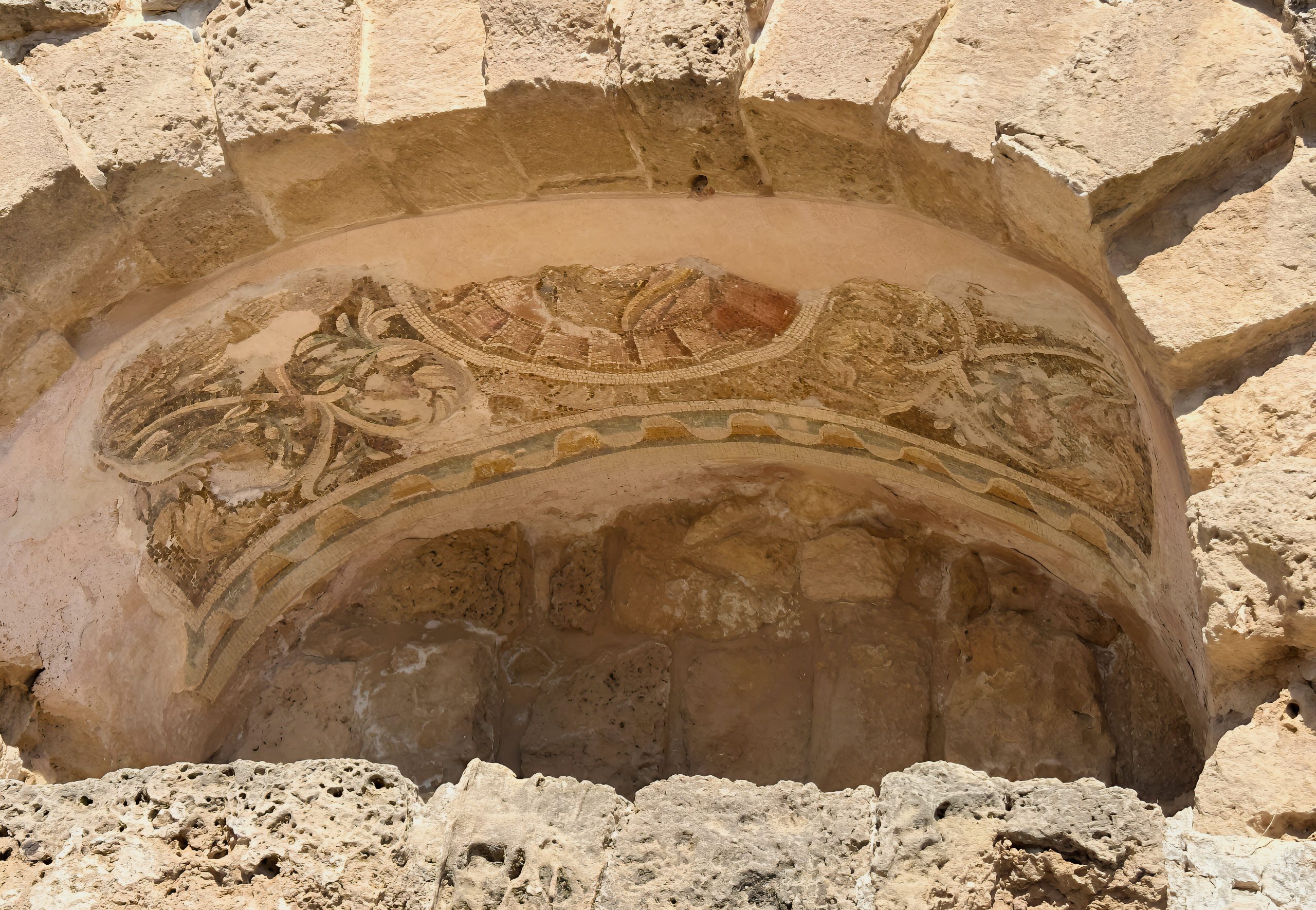
Glass tesserae allowed for shades of blue, green, and deep red that natural stone could not achieve alone. In certain areas, thin layers of gold and silver leaf were embedded within glass cubes, producing a subtle shimmer that shifted as bathers crossed the floor. These effects were never static. They were designed to be experienced in motion, reinforcing the idea that the bathhouse was a living space rather than a gallery.
Heat Systems Beneath the Scenes
The visual richness of the mosaics was supported by an equally advanced system hidden below the surface. Beneath the decorated floors lay hypocaust structures that allowed hot air to circulate under raised platforms, ensuring even heating throughout the complex.
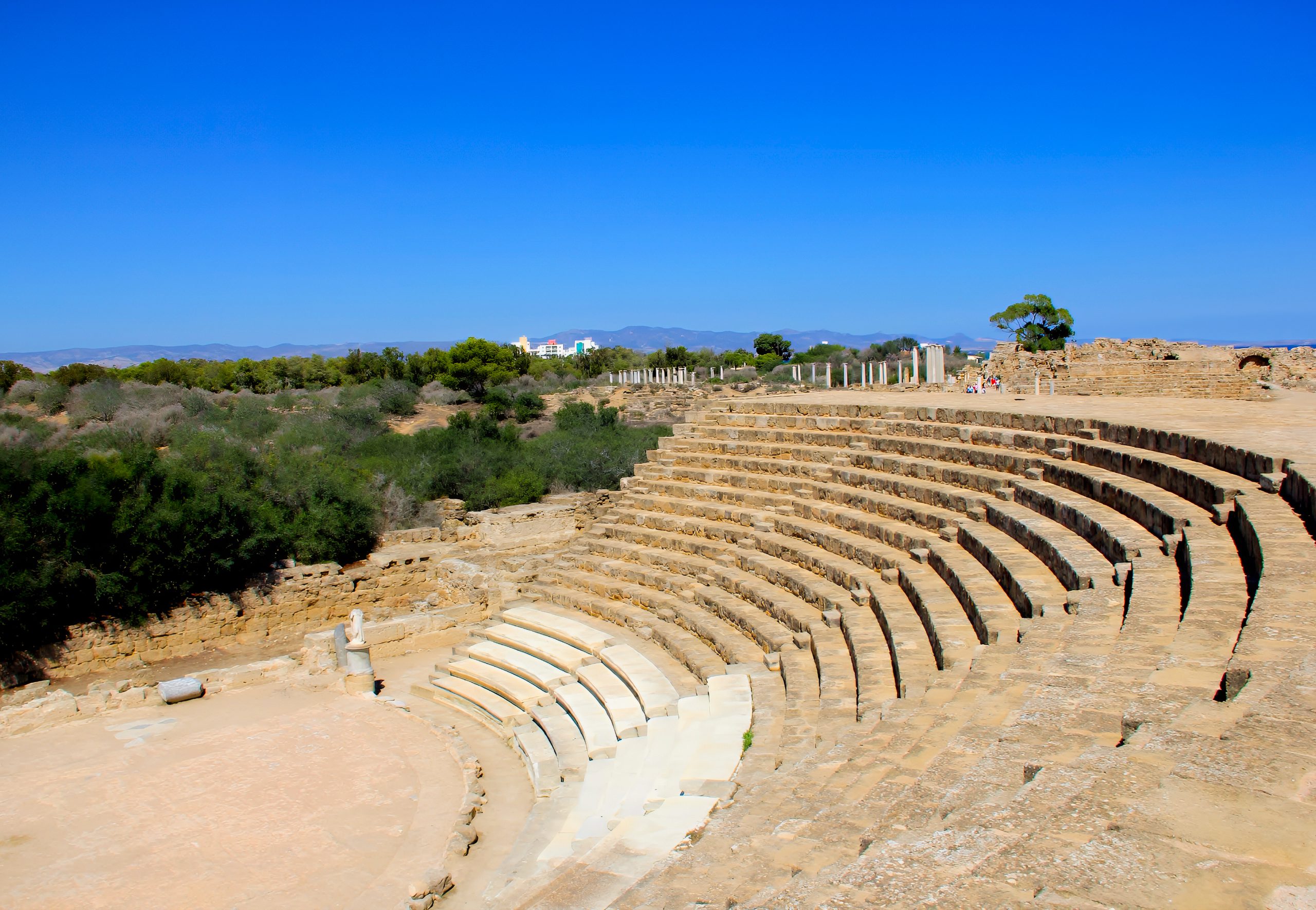
Ceramic tubes built into the walls carried warmth upward, turning entire rooms into controlled thermal environments. Water was delivered through aqueducts that supplied pools, fountains, and basins continuously. The comfort and luxury suggested by the mosaics depended on this infrastructure, binding artistic ambition directly to Roman engineering expertise.
When Pagan Images Lost Ground
As the Roman world shifted in the fourth century, so too did the meaning of these decorated spaces. With the rise of Christianity, pagan imagery gradually lost its place in public buildings. Statues were damaged or removed, mythological scenes were defaced, and the city itself contracted, eventually being rebuilt under a new name.
The survival of many mosaics is owed not to deliberate preservation but to abandonment. Some rooms fell out of use and were filled with debris, sealing decorated floors beneath layers of rubble. These accidental burials protected the mosaics, allowing fragments of an earlier cultural language to persist beneath later transformations.
What Visitors See Today
Walking through Salamis today reveals a landscape shaped by collapse, reuse, and archaeological recovery. The bathhouse mosaics survive in varying states, from richly coloured panels to fragmented outlines that still suggest their original composition.
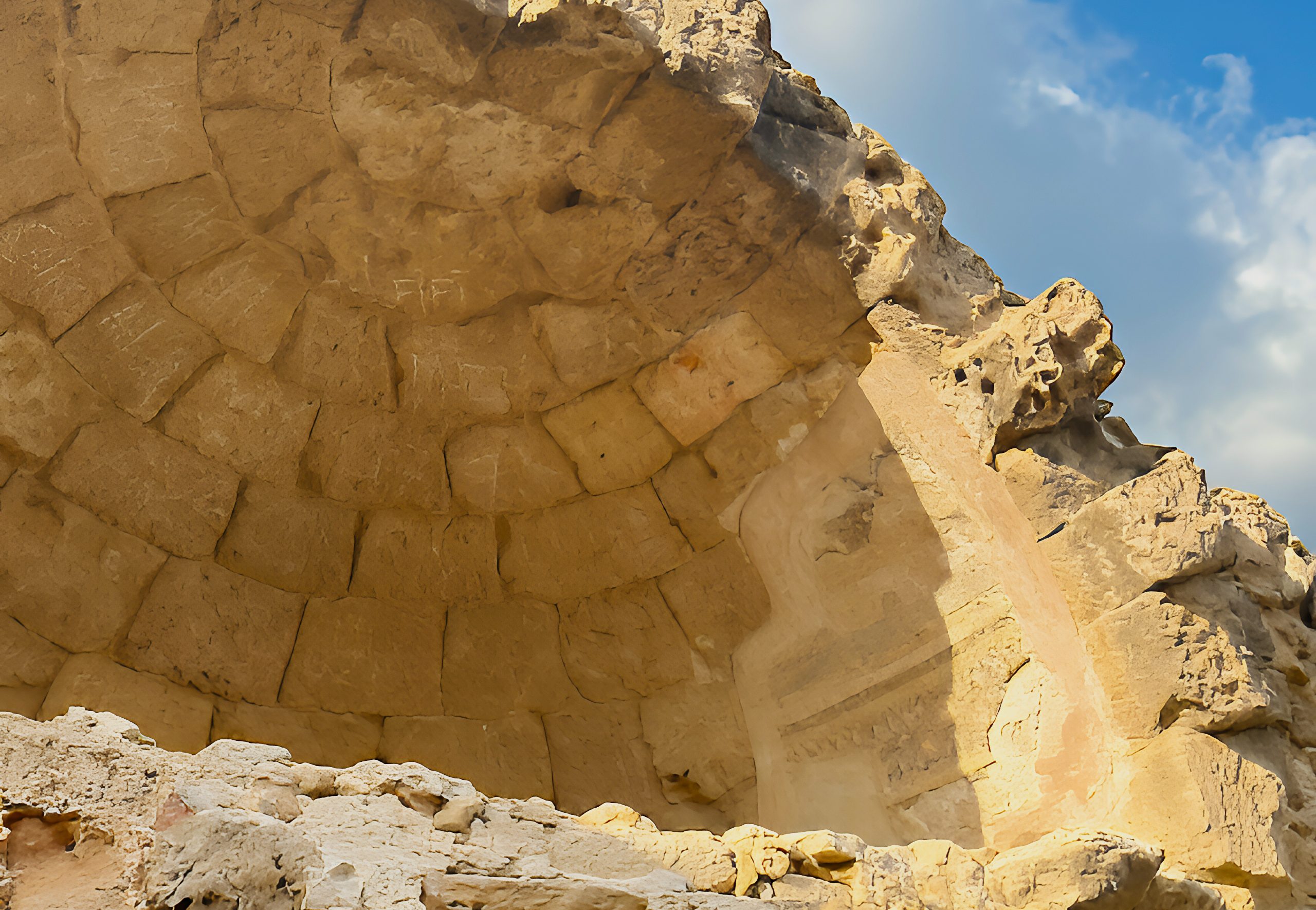
Light plays a crucial role in the modern experience. Early morning and late afternoon sun reveal subtle shifts in colour and texture, while exposed hypocaust pillars beneath the floors make the hidden systems visible. Together, surface and structure offer a rare opportunity to understand how art, architecture, and daily routine once operated as a single system.
What These Floors Tell Us
The importance of the Salamis bathhouse mosaics lies not only in their aesthetic appeal but in what they reveal about civic identity. Through imagery, craftsmanship, and engineering, the city expressed values of order, refinement, and collective life.
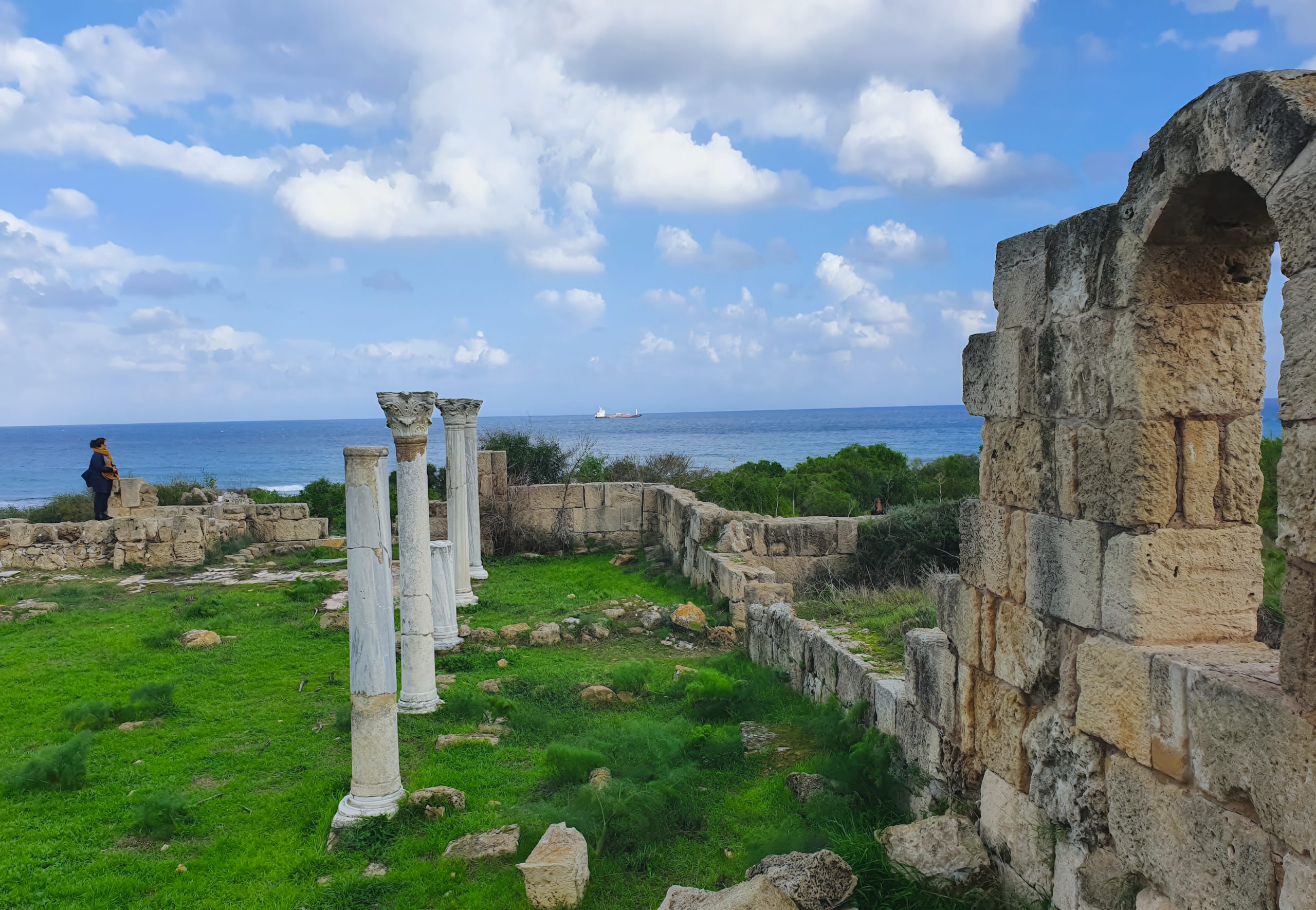
These floors were crossed daily by athletes, merchants, officials, and visitors. Conversation, movement, and ritual unfolded above them, often without conscious attention. Yet the mosaics shaped experience quietly and persistently. Their survival allows Roman Cyprus to speak across time, not through written texts, but through stone, glass, water, and the spaces in between.