Historical Monuments and Objects

Cypriot Wine Bottles and Vessels

Cypriot Wine Bottles and Vessels

Cyprus developed a distinct tradition of wine storage and transport vessels over 6,000 years. The island's geographic position between three continents made it a vital Mediterranean trading hub where wine culture flourished. From ancient egg-shaped jars discovered at Erimi dating to 3000 BCE to massive pitharia storage vessels holding up to 2,000 liters, these containers represent far more than simple pottery. detaykibris-com. Each vessel type served specific purposes in wine production, fermentation, storage, and trade. The containers tell stories of technical innovation, economic networks, and cultural practices that shaped wine civilization across Europe and the Mediterranean. Historical Context Archaeological excavations at Erimi-Bamboula conducted by Porphyrios Dikaios between 1932 and 1935 uncovered egg-shaped jars from the Chalcolithic period around 3900 to…

Read more
Cyprus Red Polished Pottery

Cyprus Red Polished Pottery

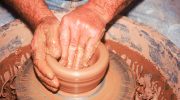
Red Polished Pottery Tradition is a distinctive ceramic style descended from prehistoric techniques, hand-shaped and finished with a glossy red slip that has become one of Cyprus's most iconic material legacies. Dating back to the Early Bronze Age, it features simple forms and incised decorations that reflect daily life and ritual practices on the island. This tradition highlights how ancient Cypriots transformed local clay into enduring symbols of their culture, leaving a legacy that continues to intrigue archaeologists and artisans alike. lori-ru https://www.youtube.com/watch?v=fLQXOuuSjvU A Timeless Ceramic Heritage Red Polished Pottery, known locally as a hallmark of ancient Cypriot craftsmanship, represents a fundamental aspect of the island's early material culture. This style emerged from basic hand-building methods using local resources, resulting…

Read more
Cyprus Stone Mosaics Stories

Cyprus Stone Mosaics Stories

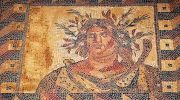
Beneath the feet of visitors in ancient Cypriot villas and churches lie millions of tiny colored stones arranged into gods, heroes, beasts, and sacred symbols. These mosaics aren't just beautiful floors—they're historical documents that record how Cyprus transformed from a world of Greek myths to Christian faith, all while maintaining artistic traditions that stretched across centuries. Walking over these ancient artworks means literally standing above stories that shaped Mediterranean civilization. Art Underfoot Mosaic art transforms floors into narratives. Instead of hanging paintings on walls, ancient Cypriots created elaborate scenes from thousands of small stone cubes called tesserae, pressing them into wet mortar to form images that would last millennia. These weren't simple decorative patterns—they were complex compositions showing mythological dramas,…

Read more
Famagusta Martinengo Bastion

Famagusta Martinengo Bastion

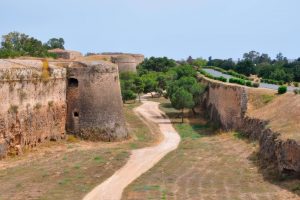
In the northwest corner of Famagusta's historic walled city stands one of the Mediterranean's most impressive examples of Renaissance military architecture. The Martinengo Bastion, also known as Tophane, represents a turning point in defensive technology and remains a testament to 16th-century engineering brilliance. visitncy.com When the Republic of Venice took control of Cyprus in 1489, military engineers quickly recognized a serious problem. The existing fortifications throughout the island were outdated and vulnerable to modern artillery. Medieval walls, built tall and thin to defend against siege towers and scaling ladders, could not withstand the devastating impact of cannon fire. Famagusta presented a particular challenge. As Cyprus's main port and commercial hub, the city required strong defenses. Yet its northwest corner remained…

Read more
The Cypriot Limestone Kouros

The Cypriot Limestone Kouros

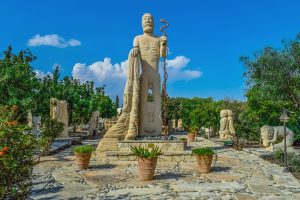
Cypriot limestone “kouroi” are Archaic-era standing male statues that look Greek at first glance but functioned differently, serving mainly as clothed votive figures placed in sanctuaries as lasting representations of worshippers and elite donors. Cyprus’s lack of marble pushed sculptors toward soft local limestone, shaping a calmer, more geometric style that was originally strengthened by bright paint rather than fine anatomy. This article explains how material, ritual purpose, and cross-Mediterranean influence combined to produce a distinctly Cypriot human figure tradition. metmuseum-com Kouros in Name Only The word kouros comes from Greek and refers to youthful male statues that became widespread in the Aegean world during the Archaic period. Greek kouroi are usually nude, carved in marble, and designed to embody…

Read more
Salamis Bathhouse Mosaics

Salamis Bathhouse Mosaics

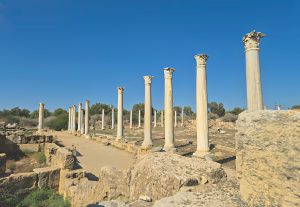
The Salamis bathhouse mosaics show how Roman Cyprus combined leisure, engineering, and civic identity inside one of the island’s most ambitious public complexes. These floors were designed to shape movement and atmosphere, pairing mythic scenes with technical skill, imported materials, and heated rooms that made bathing a daily performance of status. This article explains how the mosaics worked within the bathhouse system, what their imagery signalled, and why their survival still matters for understanding Roman urban life on Cyprus. googleusercontent-com A Capital Built to Be Seen Salamis was not an ordinary provincial town. For long periods, it functioned as the administrative and commercial heart of Cyprus, benefiting from trade routes that linked the Aegean, the Levant, and Egypt. When the…

Read more
Ayios Herakleidios Mosaics

Ayios Herakleidios Mosaics

The mosaics at Ayios Herakleidios, in the inland territory of Tamassos, show an early Christian community expressing belief through geometry rather than mythic scenes or imperial display. Laid across successive basilica phases, the floors use repetition, careful placement, and durable materials to create a sense of order during periods of instability. This article explains how the site developed around the saint’s tomb, what the patterns and Chi-Rho symbol were designed to do, and how the mosaics survive alongside a living monastery today. googlemaps.com An Inland Sanctuary at Tamassos Unlike Cyprus's major early Christian monuments along the coast, the Ayios Herakleidios complex developed inland, near copper-rich Tamassos, a former city-kingdom once dedicated to pagan gods. The location is essential to understanding…

Read more
Kourion Mosaics Apollo To Basilicas Guide

Kourion Mosaics Apollo To Basilicas Guide

Kourion’s mosaics record Cyprus’s shift from a classical city organised around temples and civic life to an early Christian centre rebuilt under episcopal authority after mid-fourth-century earthquakes. In villas and basilicas, floors and inscriptions became a visual language that guided movement, reinforced belief, and redefined what power looked like in public space. wikimedia-org This article explains how disaster opened the ground for change, how the Episcopal Complex reshaped the city’s core, and how mosaic imagery at sites like the House of Eustolios shows a community rebuilding identity as well as architecture. Apollo Hylates and Old Order For centuries, Kourion thrived as a Greco-Roman city, complete with temples, baths, theatres, and elite villas. Public life revolved around civic institutions and traditional…

Read more
Venetian Walls of Nicosia, Cyprus

Venetian Walls of Nicosia, Cyprus

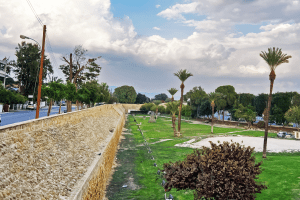
The Venetian Walls of Nicosia form a circular defense system around the capital city of Cyprus. Built between 1567 and 1570 by the Republic of Venice, these Renaissance fortifications remain largely intact and represent one of the best-preserved examples of 16th-century military architecture in the Eastern Mediterranean. voicemap-me The walls create an almost perfect circle around the old city with a circumference of approximately 5 kilometers. This circular shape was innovative for its time and reflected the latest military engineering principles from Renaissance Italy. The design eliminated the weaknesses of medieval fortifications and created a more efficient defensive perimeter that required fewer soldiers to defend. The walls were built primarily from mud brick with the lower sections reinforced with stone.…

Read more