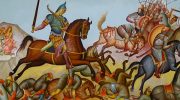
The legend of Teucer and the founding of Salamis stands as one of Cyprus’s most enduring foundation myths. This tale connects the island to the world of Greek epic poetry and the aftermath of the Trojan War. Teucer, a legendary archer and warrior, supposedly established the city of Salamis on Cyprus’s eastern coast around 1200 BC.
The story interweaves tragedy, exile, and renewal. According to ancient sources, Teucer arrived on Cyprus after being banished from his homeland by his father. He brought with him followers from Greece and founded a new city bearing his homeland’s name. This myth shaped Salamis’s identity for over a millennium and influenced how ancient Cypriots understood their Greek cultural connections.
Whether based on historical events or purely mythological, the legend of Teucer became central to how the people of Salamis viewed themselves. The tale provided the city with prestigious origins linked to famous Homeric heroes. Archaeological evidence suggests some truth behind the myths, showing Greek settlement patterns that align roughly with the legendary timeframe.
From Trojan War to Cypriot Shores
Teucer’s story begins in Homer’s Iliad, where he appears as the son of King Telamon of Salamis island and his second wife Hesione, daughter of Troy’s King Laomedon. Through his mother, Teucer was nephew to King Priam of Troy and cousin to the famous princes Hector and Paris. Despite these Trojan family ties, Teucer fought loyally for the Greeks.
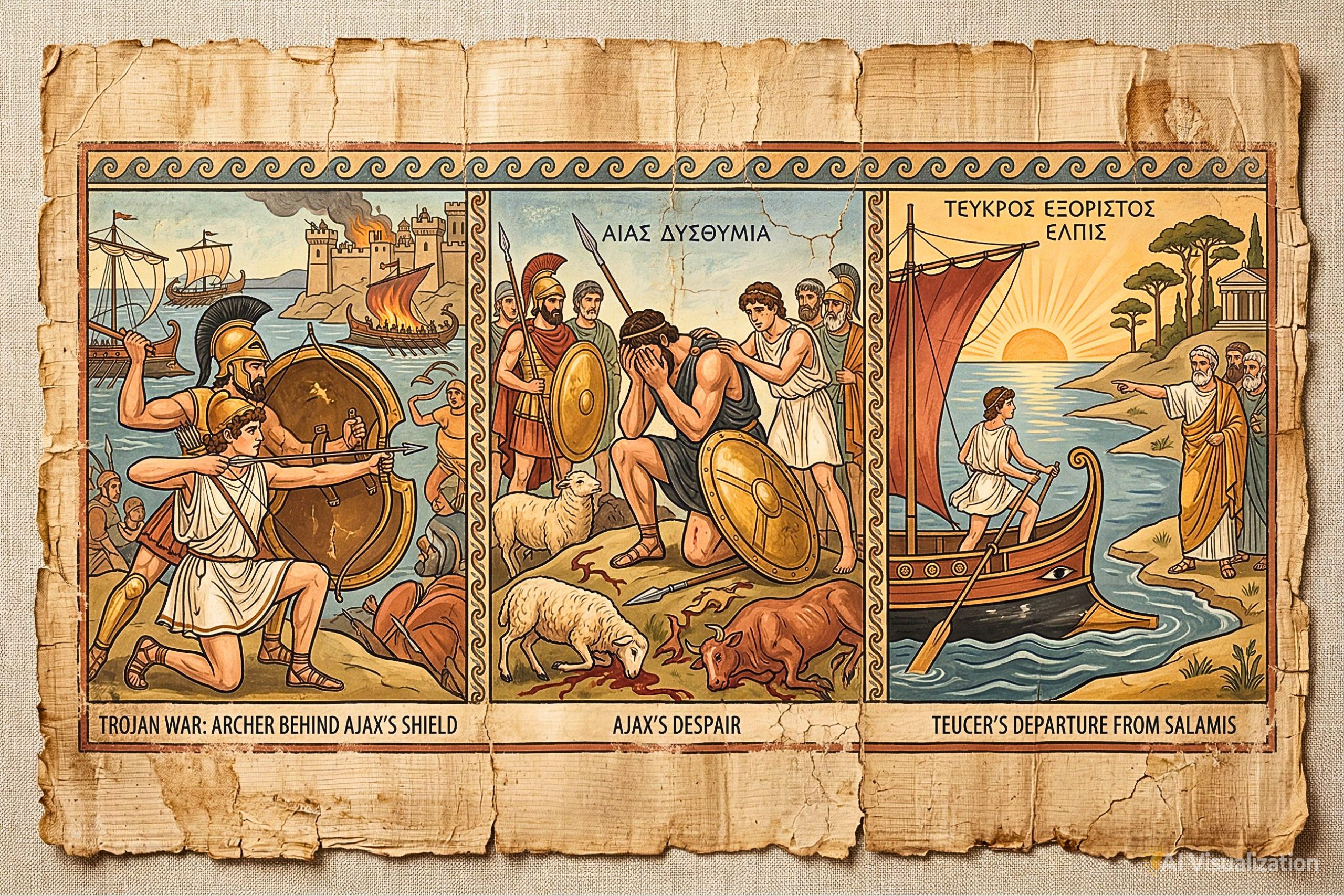
Homer describes Teucer as a master archer who fought from behind his half-brother Ajax’s massive shield. He killed thirty Trojans during the war, including important warriors like Hector’s charioteer Archeptolemus. Apollo repeatedly diverted Teucer’s arrows when he aimed at Hector, protecting the Trojan prince from certain death. At one point, Hector hurled a huge rock that injured Teucer and temporarily removed him from battle.
Tragedy struck after the war ended. Ajax committed suicide following a conflict over Achilles’ armor. Different ancient sources provide varying details, but the core story remains consistent. Ajax felt dishonored, descended into madness, and took his own life. When Teucer returned home without his brother’s body or weapons, his father Telamon held him responsible.
The trial before King Telamon resulted in harsh judgment. Despite Teucer’s explanations that he had secured Ajax’s burial against opposition from other Greek leaders, Telamon found his son guilty of negligence. The king disowned Teucer and banished him from Salamis. The exiled hero gathered loyal followers and set sail, speaking words preserved by the Roman poet Horace: “nil desperandum” meaning “do not despair” and announcing they would “tomorrow set out upon the vast ocean.”
Building a New Capital
Teucer sailed to Cyprus with his companions, seeking to establish a new home. Various ancient sources describe his arrival differently. Some accounts say he joined King Belus of Tyre in a military campaign to conquer Cyprus. When they succeeded, Belus rewarded Teucer with control over the island. Other versions suggest Teucer simply arrived and founded his city peacefully.
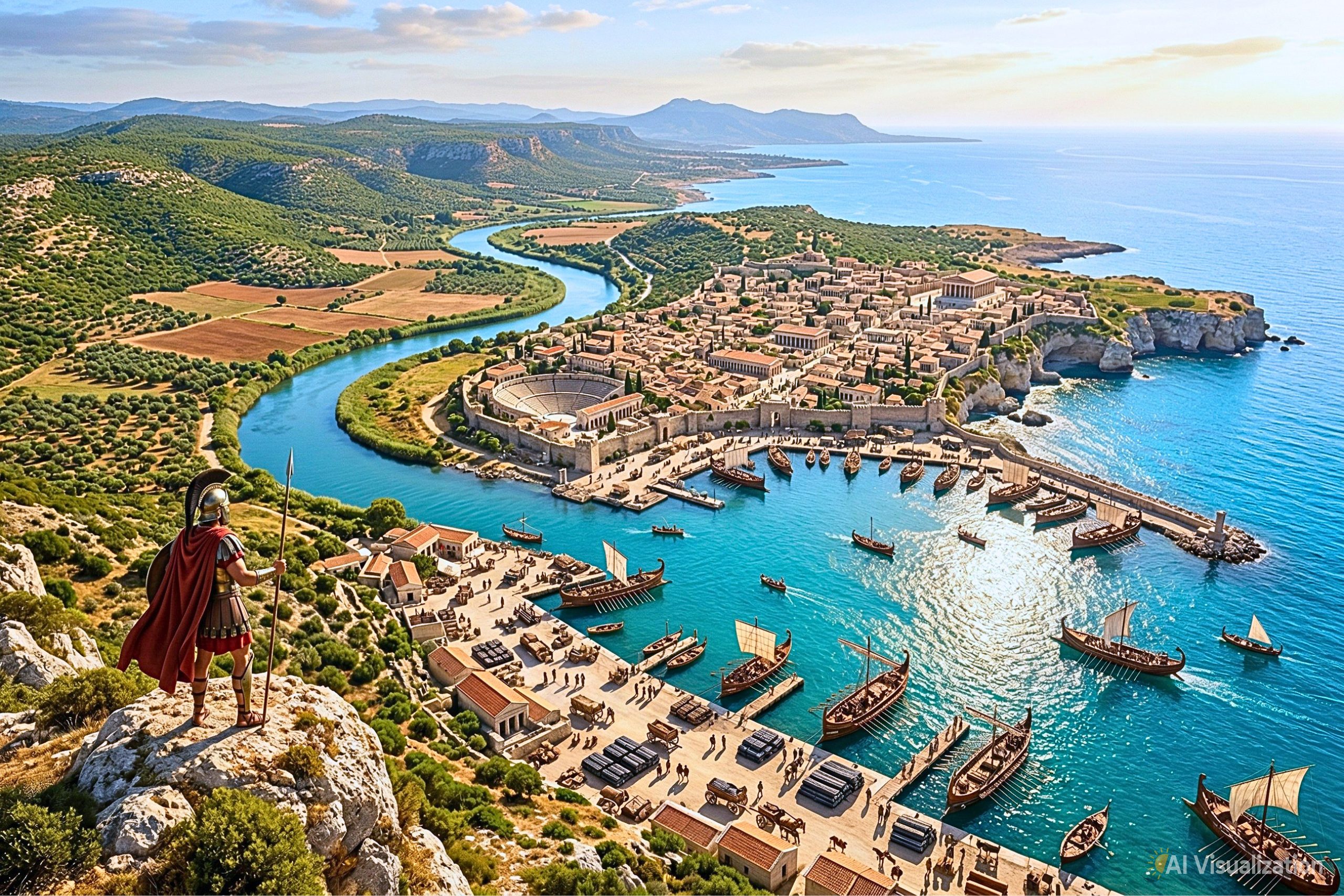
He established Salamis near the mouth of the Pediaios River on Cyprus’s eastern coast. The location offered a natural harbor perfect for the copper trade that made Cyprus wealthy. Teucer deliberately named his new city after his birthplace, maintaining connection to his origins despite exile.
The legendary founder married Eune, daughter of King Cinyras of Cyprus. This marriage secured his position and created alliances with existing Cypriot rulers. Together they had a daughter named Asteria. Through strategic marriage and city building, Teucer transformed from exiled prince to established ruler.
Archaeological Evidence Behind the Myth
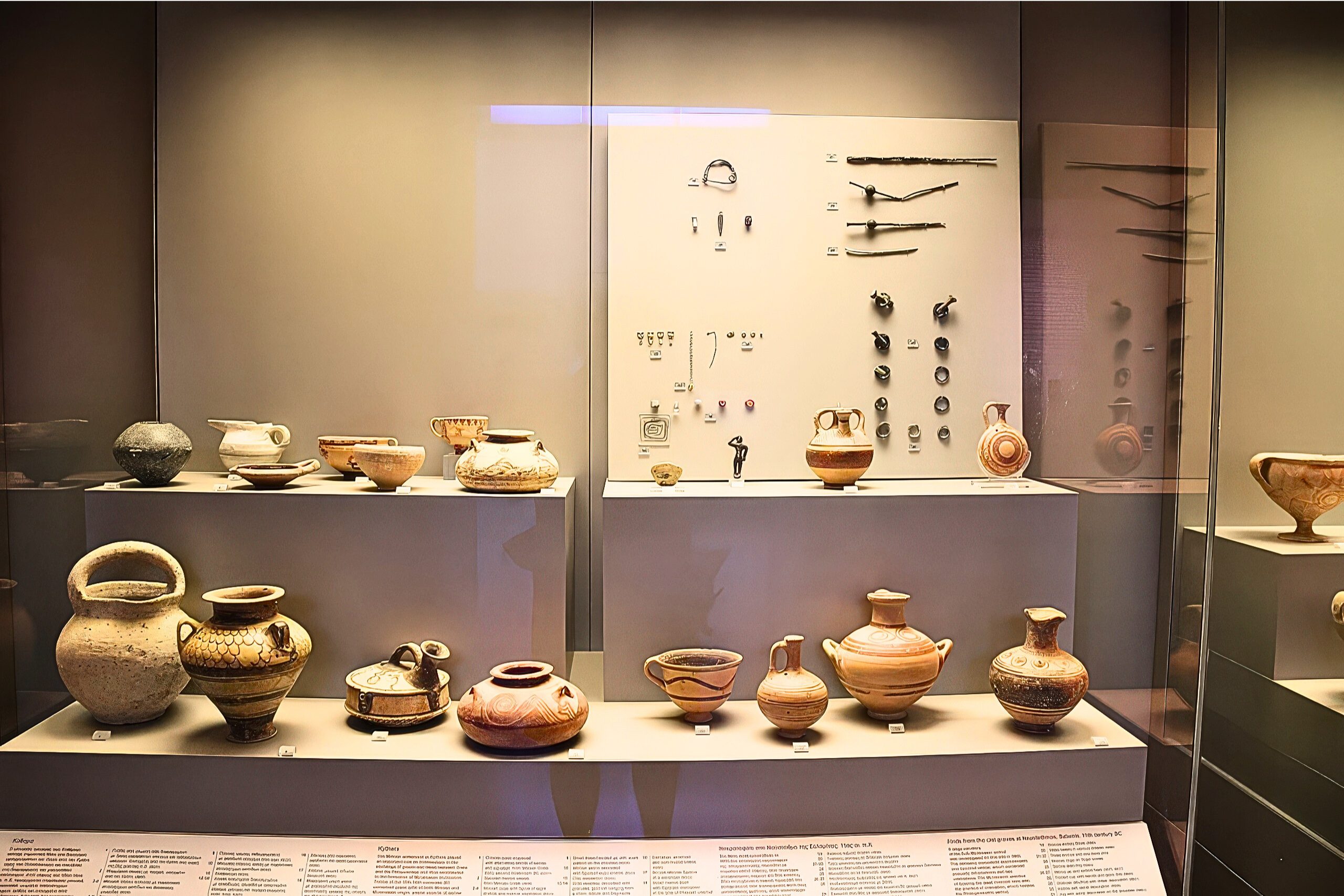
The oldest archaeological finds from Salamis date to the eleventh century BC. The settlement developed around a harbor that served copper merchants trading throughout the Mediterranean. People who abandoned the nearby Bronze Age city of Enkomi appear to have founded the new settlement.
The first written mention of Salamis appears in Assyrian records. King Esarhaddon, who ruled from 680 to 669 BC, listed tribute received from Cyprus kingdoms, including one from Kisu, King of Silluua. This confirms that Salamis existed as a recognized kingdom by the seventh century BC at the latest.
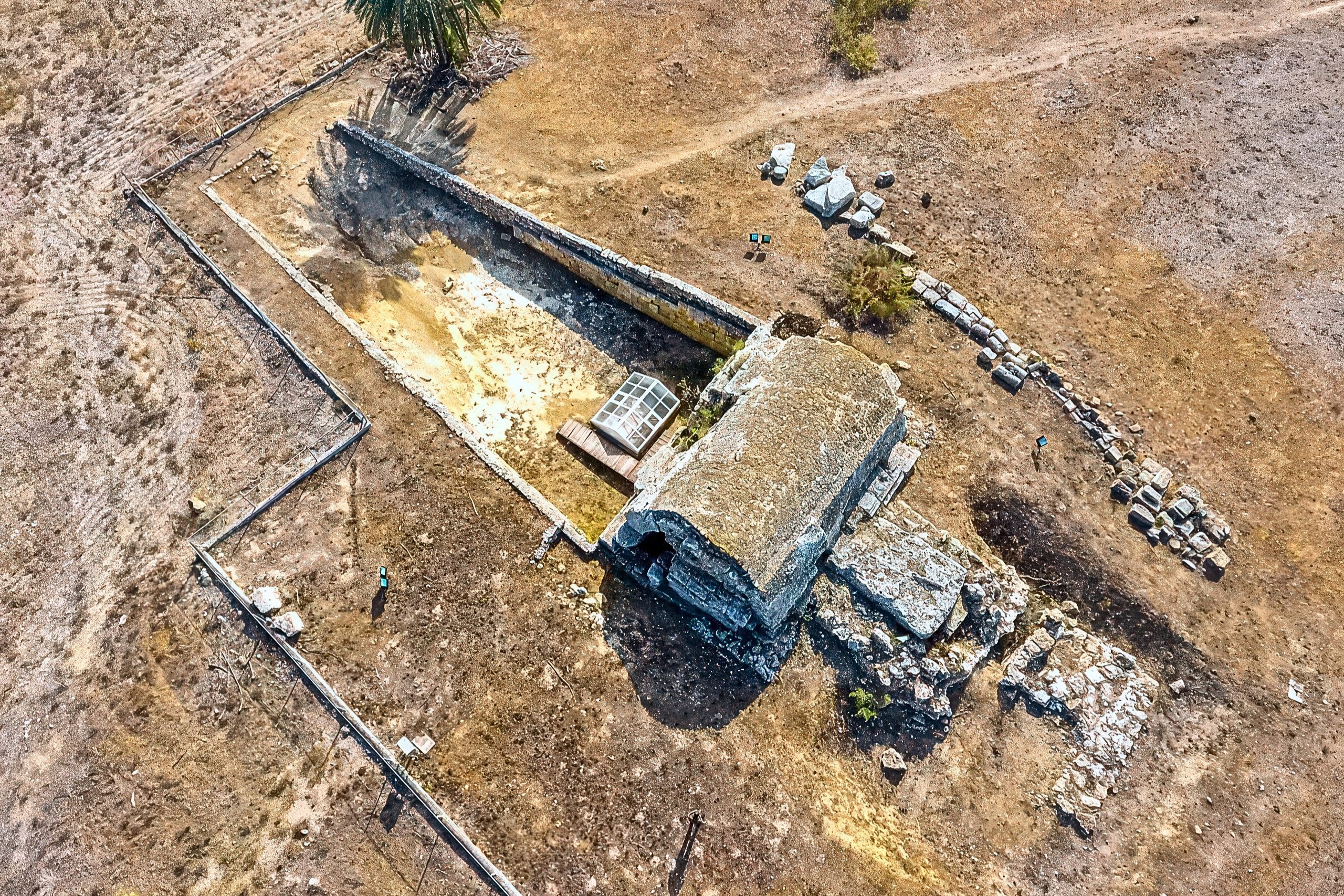
The famous Royal Tombs west of Salamis provide extraordinary evidence dating from the eighth to sixth centuries BC. These elaborate burial structures contained chariots, sacrificed horses, jewelry, weapons, and other grave goods. The burial customs remarkably mirror practices described in Homer’s Iliad, including horse sacrifice and offerings of oil in amphorae.
Scholars debate whether these Homeric similarities represent intentional imitation of epic poetry or simply reflect shared cultural practices. Either interpretation suggests strong Greek cultural influence at Salamis. Some scholars connect the name Teucer to the Tjekker, one of the mysterious Sea Peoples who raided Cyprus around 1193 BC.
Royal Power and Divine Connections
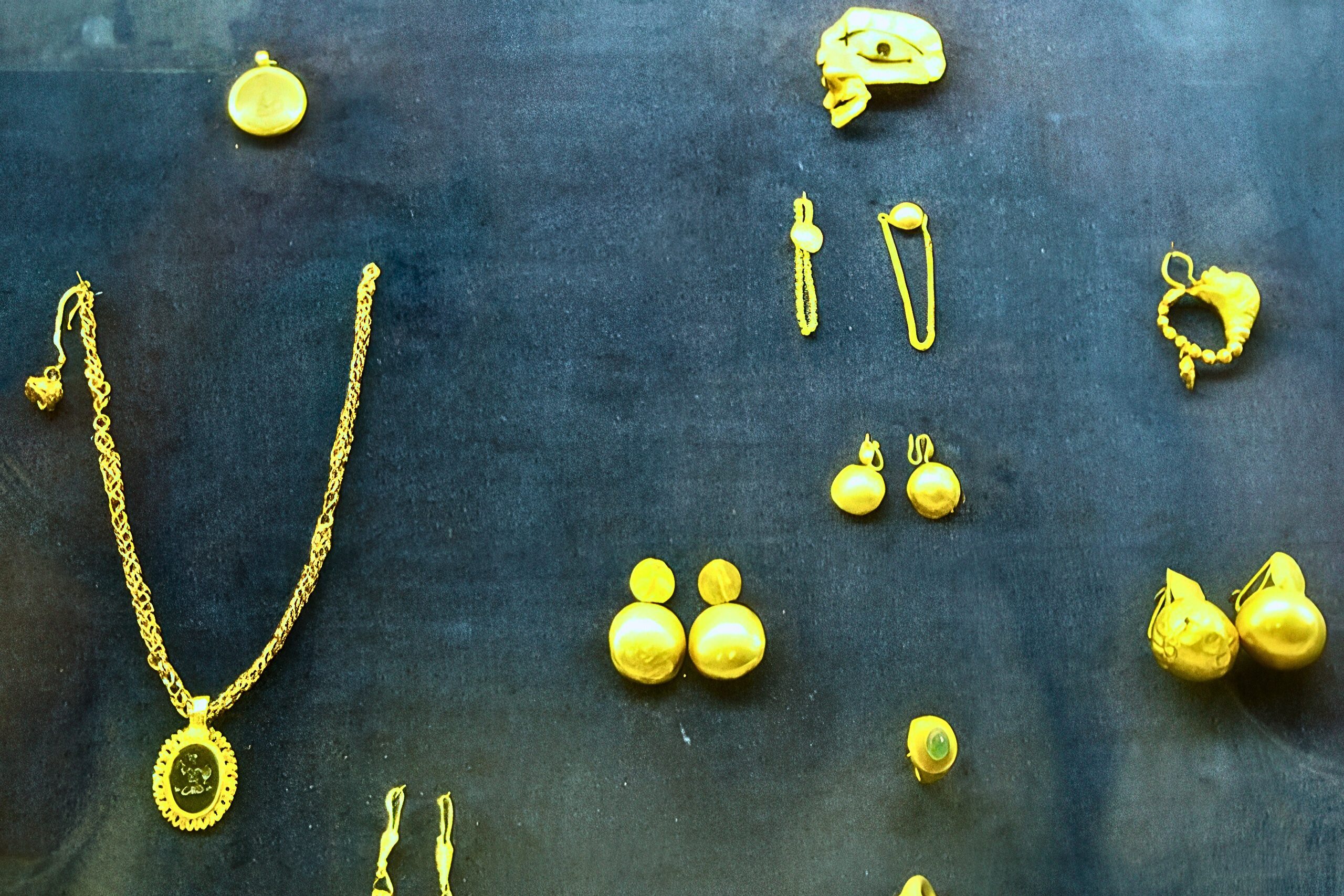
The Royal Tombs demonstrate the extraordinary wealth of Salamis rulers. These nine built chamber tombs contained some of the richest grave goods found anywhere in the ancient Mediterranean. Despite significant ancient looting, archaeologists recovered remarkable artifacts including bronze, iron, ivory, gold, and silver objects.
One tomb preserved the skeletal remains of horses alongside impressions of wooden chariot parts. The animals were sacrificed during funeral processions and buried with their owners to serve in the afterlife. Some tombs even suggest possible human sacrifice, though this interpretation remains controversial.
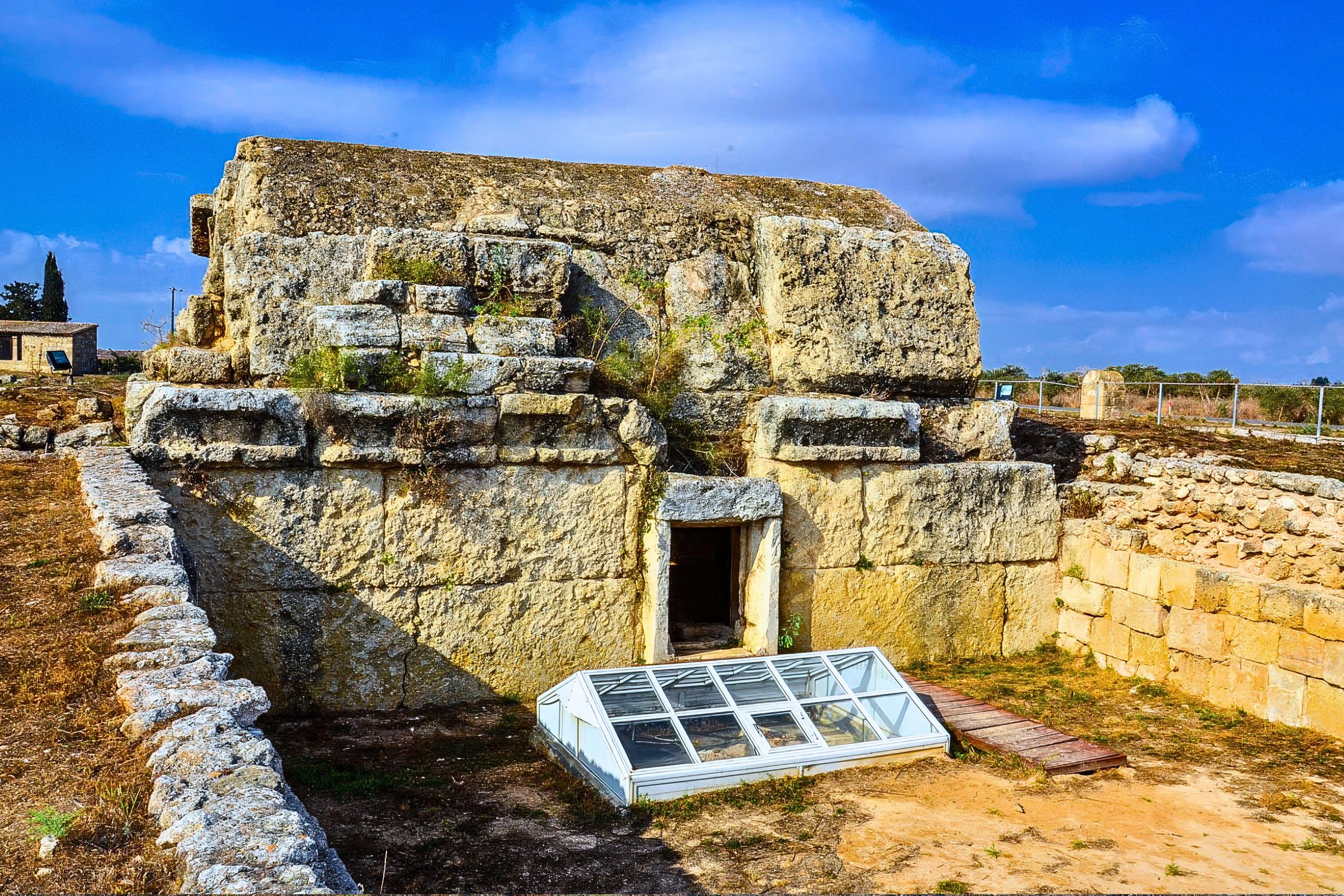
Egyptian and Syrian luxury goods found in the tombs indicate extensive trade networks. These imports demonstrate that Salamis maintained commercial and diplomatic relationships across the eastern Mediterranean. The city’s strategic location made it a natural hub connecting Greece, the Levant, and Egypt.
The name Teucer itself may carry religious significance. Scholars believe it relates to Tarku, the West Hittite storm god also known as Teshub in eastern regions. This divine connection would have added sacred authority to the legendary founder’s status. The link between Teucer and storm deities may explain his later association with King Belus, connected to Baal Hammon.
The City That Teucer Built
Salamis grew into Cyprus’s largest and most important city. During the Roman period, it surpassed even Paphos, the island’s administrative capital. The city stretched along the coast for about two kilometers and reached one kilometer inland. Much of ancient Salamis remains buried beneath sand and forest.
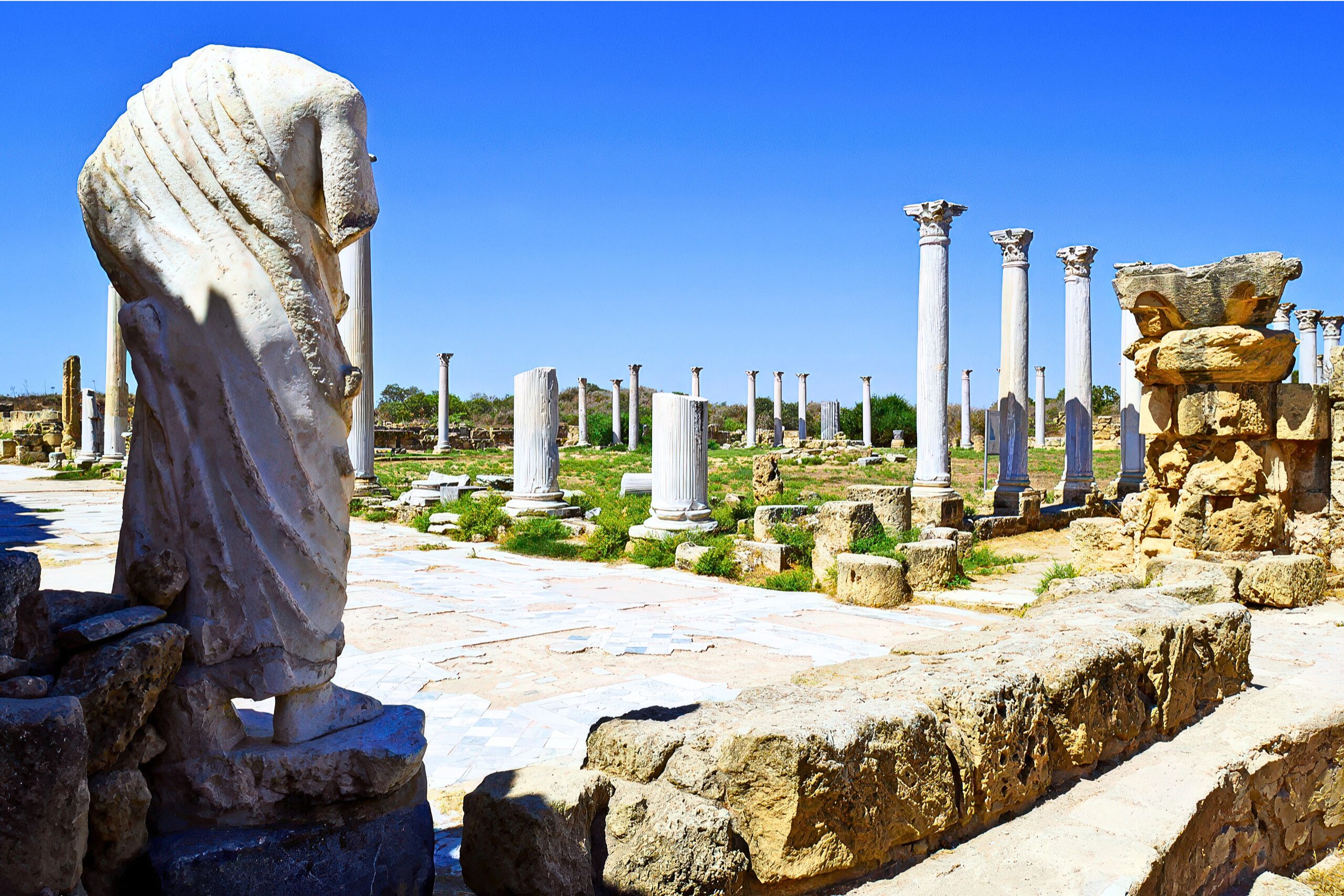
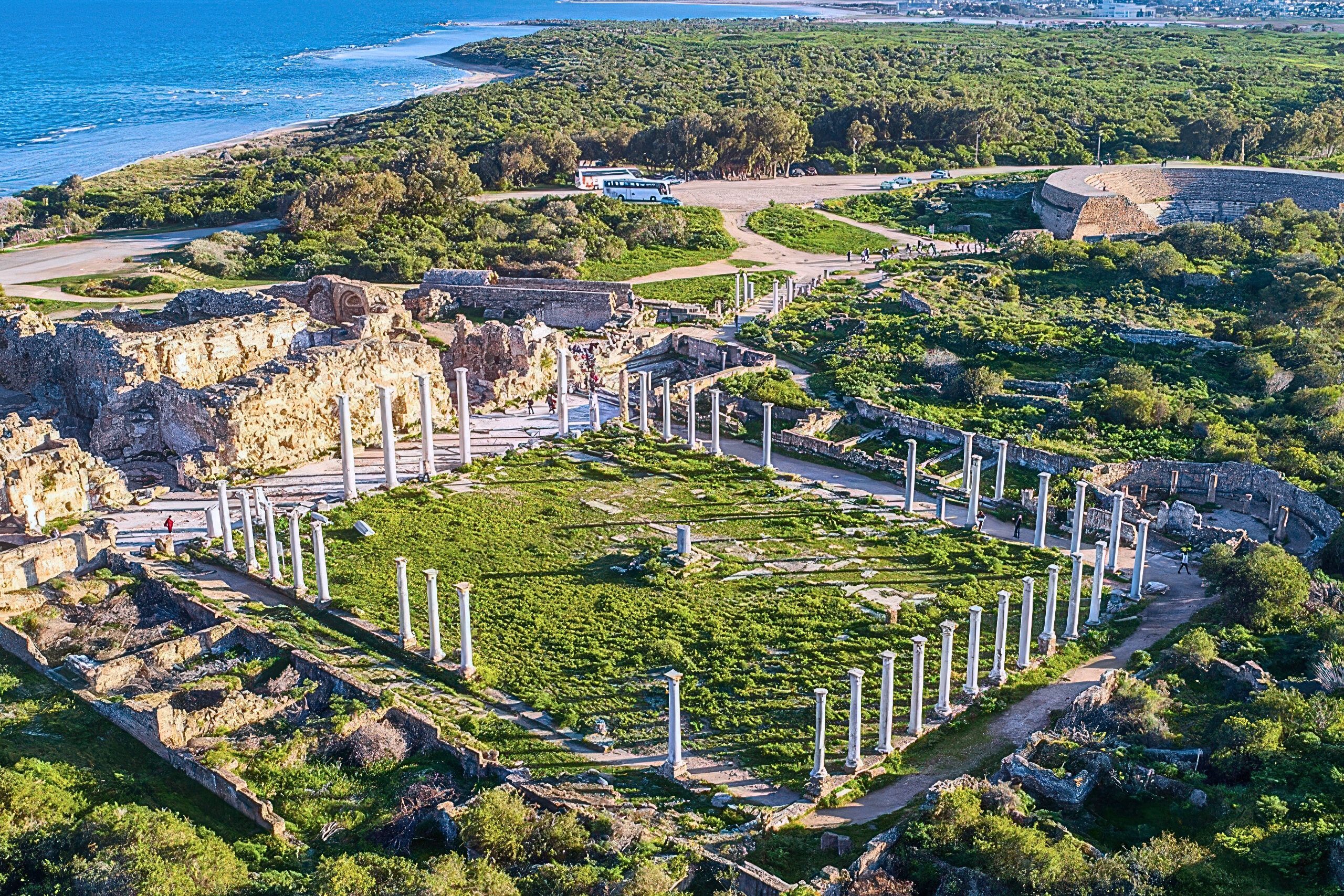
The Romans constructed massive public buildings that demonstrated the city’s wealth and status. The gymnasium featured a colonnaded palaestra where statues lined the central court, though earthquakes later knocked most heads from the sculptures. The complex included elaborate bathing facilities with hot and cold pools.
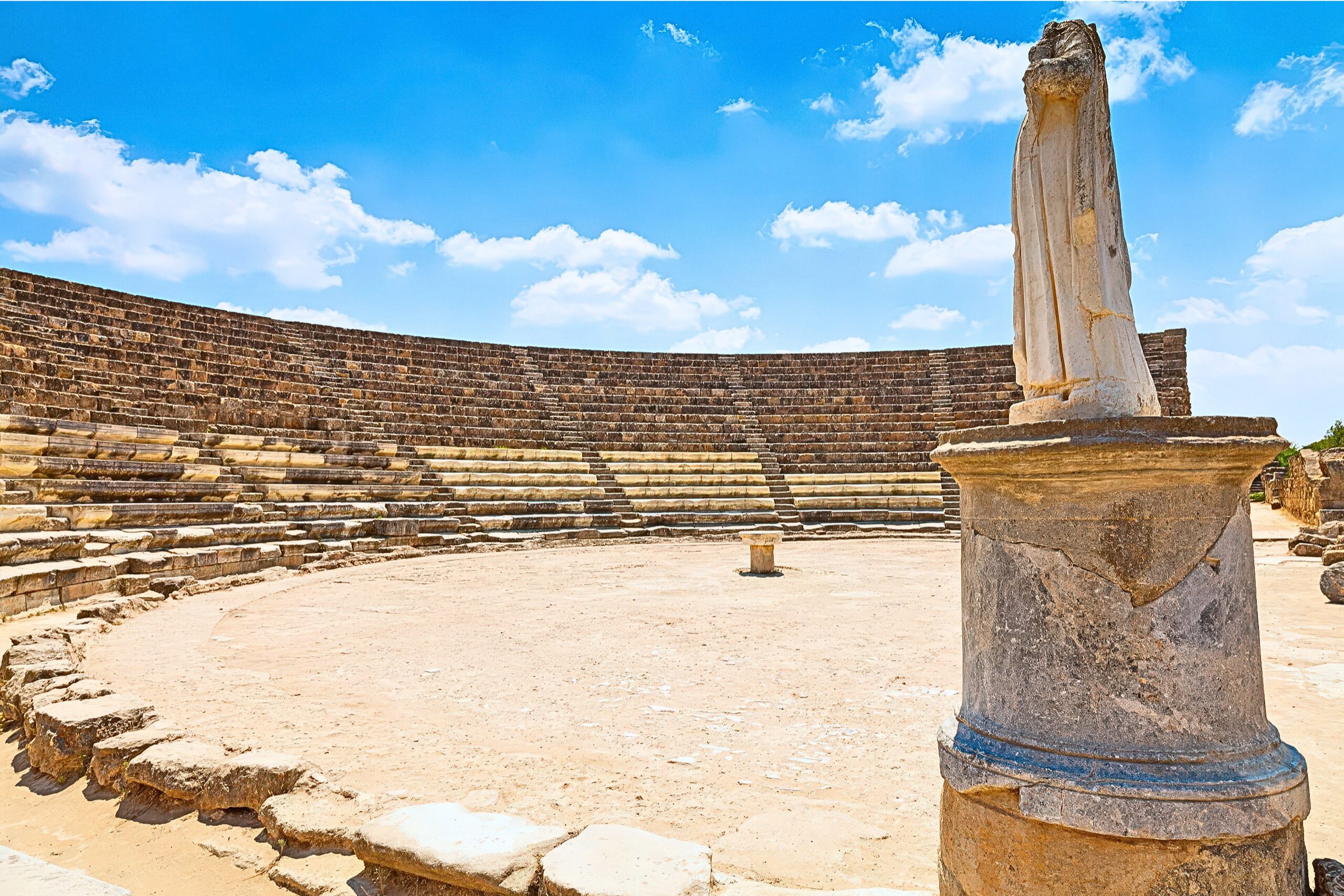
A theatre built during Augustus’s reign could accommodate 15,000 spectators. Earthquakes destroyed it in the fourth century, but modern restoration allows performances there again today. The scale of this theatre reflects Salamis’s population and cultural importance.
An aqueduct brought water from Kythrea to supply the city. This engineering achievement provided water to public fountains, baths, and private homes. A large cistern near the agora stored the water. The aqueduct functioned until Arab invasions in the seventh century disrupted the system.
The necropolis covering seven square kilometers west of the main city contains approximately 150 tombs. These burial grounds span from the Geometric period through Hellenistic times, documenting nearly a thousand years of Salamis history. Discoveries there provide crucial evidence about social structure, religious beliefs, and artistic traditions.
Experiencing the Legend Today
The archaeological site of Salamis lies about six kilometers north of modern Famagusta. Visitors can walk among extensive ruins including the gymnasium, theatre, baths, and parts of the ancient agora. The scale of remaining structures conveys the city’s former grandeur.
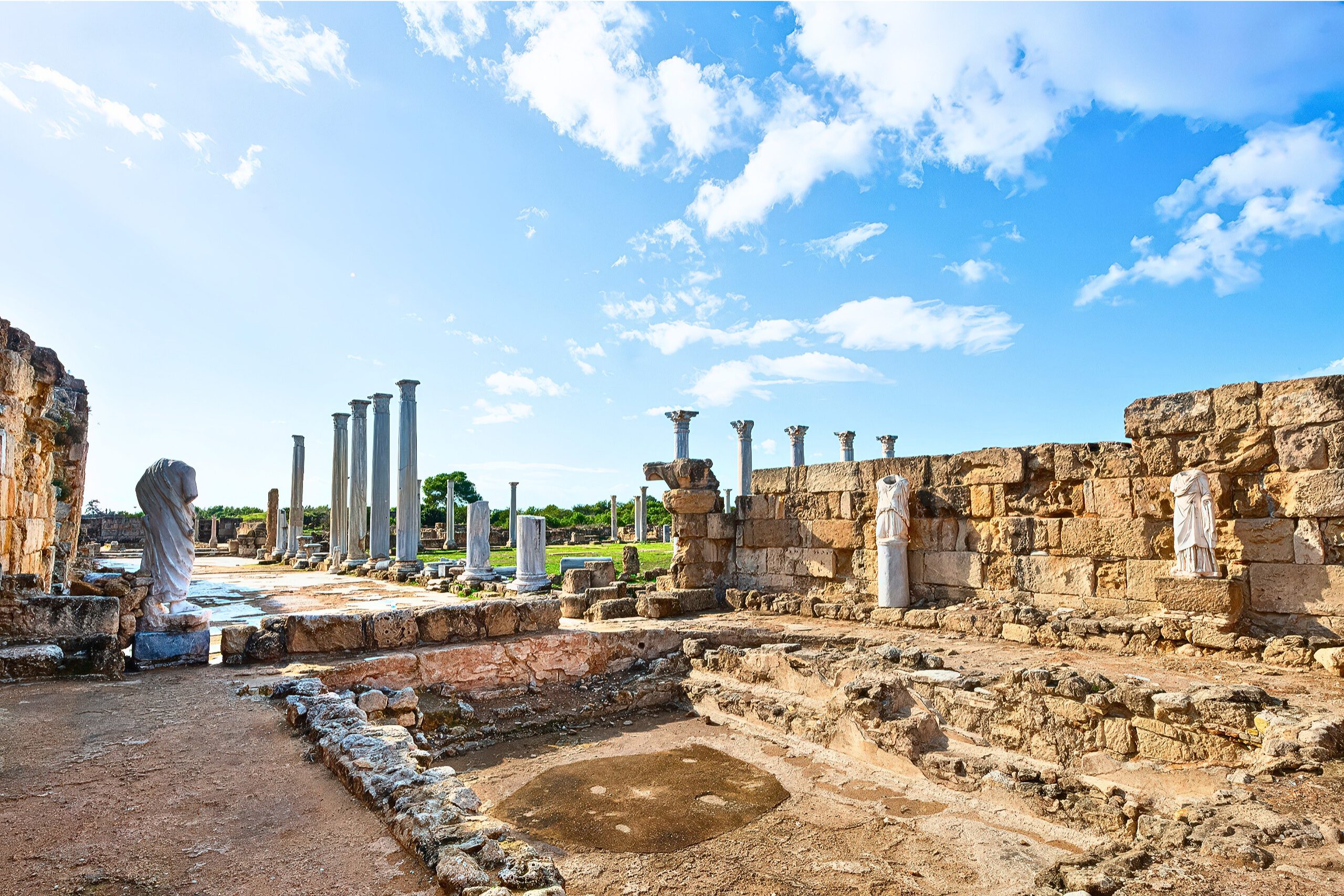
The Royal Tombs site west of the main ruins displays some of the most impressive burial chambers. A small museum on site shows artifacts discovered during excavations, though many treasures now reside in museums elsewhere. Visitors can see horse skeletons still positioned near tomb entrances, providing tangible connection to ancient burial rituals.
Forest growth covers much of unexcavated Salamis. Mimosa, pine, and eucalyptus trees shade areas where ancient buildings remain buried. This vegetation creates atmospheric surroundings for exploring ruins but also hides structures that future archaeology may reveal.
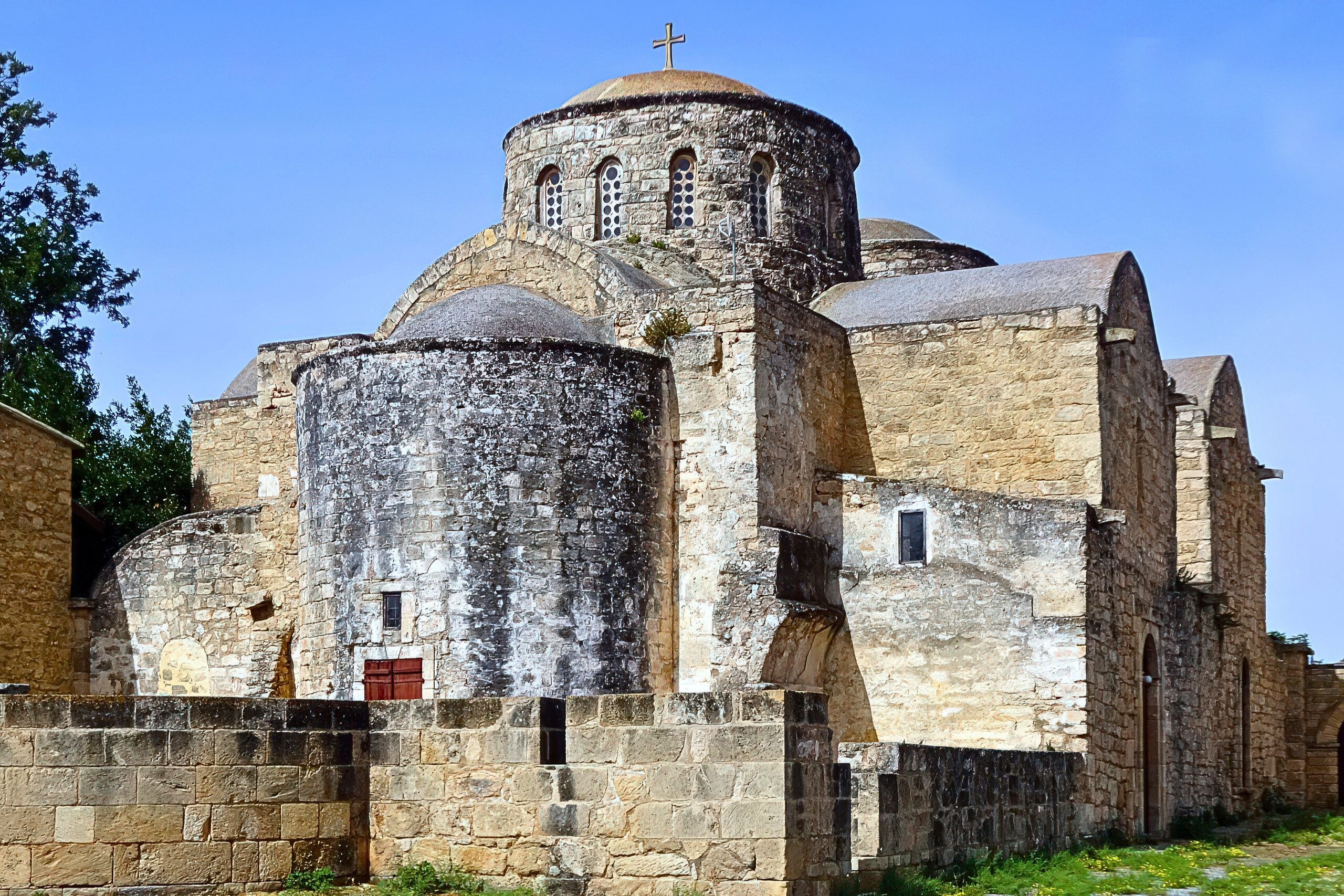
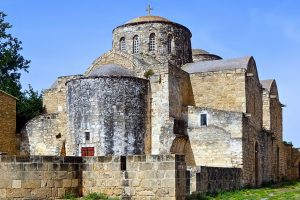
The nearby Monastery of Saint Barnabas houses additional archaeological collections and icons. The complex includes the saint’s traditional tomb site, making it important for both historical and religious visitors. The Byzantine architecture and religious art provide context for Salamis’s Christian period.
Summer heat can be intense at the exposed site. Visitors should bring water, wear hats, and plan for shade breaks. Spring and autumn offer more comfortable temperatures for extended exploration. The site requires several hours to see thoroughly, though casual visitors can tour main areas in under two hours.
A Legend That Shaped Identity
The story of Teucer founding Salamis provided ancient Cypriots with prestigious connections to Greek heroic tradition. Whether historically accurate or purely legendary, the tale influenced how generations understood their place in the Mediterranean world. The combination of Greek cultural identity and local Cypriot character defined Salamis throughout its long history.
Archaeological evidence suggests the legend contains kernels of truth. Greek settlement on Cyprus around 1200 BC aligns with the timeframe ancient sources provide for Teucer’s arrival. The Homeric burial practices at the Royal Tombs demonstrate either direct influence from epic poetry or shared cultural traditions that inspired those epics.
The legend’s persistence across centuries shows its power. Even under Persian, Roman, and Byzantine rule, Salamis maintained its foundation story. This continuity of identity helped preserve Greek cultural elements on Cyprus despite political changes. The tale connected residents to a heroic past that validated their present.
Modern Cyprus remembers Teucer and Salamis through the extensive archaeological site and in cultural references throughout the island. The ruins attract visitors interested in ancient history and mythology. The story reminds contemporary Cypriots of their island’s role in ancient Mediterranean networks that connected Greece, the Near East, and Egypt.