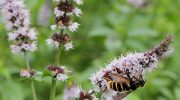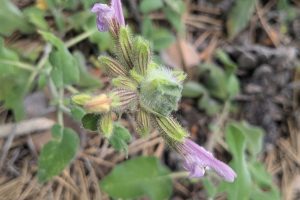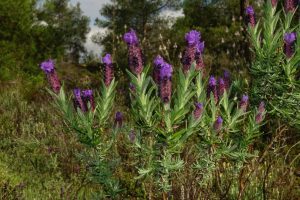
Imagine strolling through the sun-drenched hills of Cyprus, where a sea of vibrant purple blooms dances in the breeze, releasing a soothing aroma that calms the soul. This is the world of lavender, a plant that has woven itself into the island’s fabric for centuries. Join me as we uncover its gentle secrets, from ancient remedies to modern-day delights, and discover why this humble herb continues to enchant.
- A Fragrant Introduction to Lavender
- Roots in Time: Lavender's Ancient Cypriot Tale
- The Allure of Lavender: What Makes It Special
- Lavender's Delightful Surprises
- Delving Deeper: Botany and Beyond
- Lavender in Modern Cyprus: A Living Legacy
- Encountering Lavender: A Sensory Journey
- Why Lavender Matters: A Cypriot Treasure
A Fragrant Introduction to Lavender
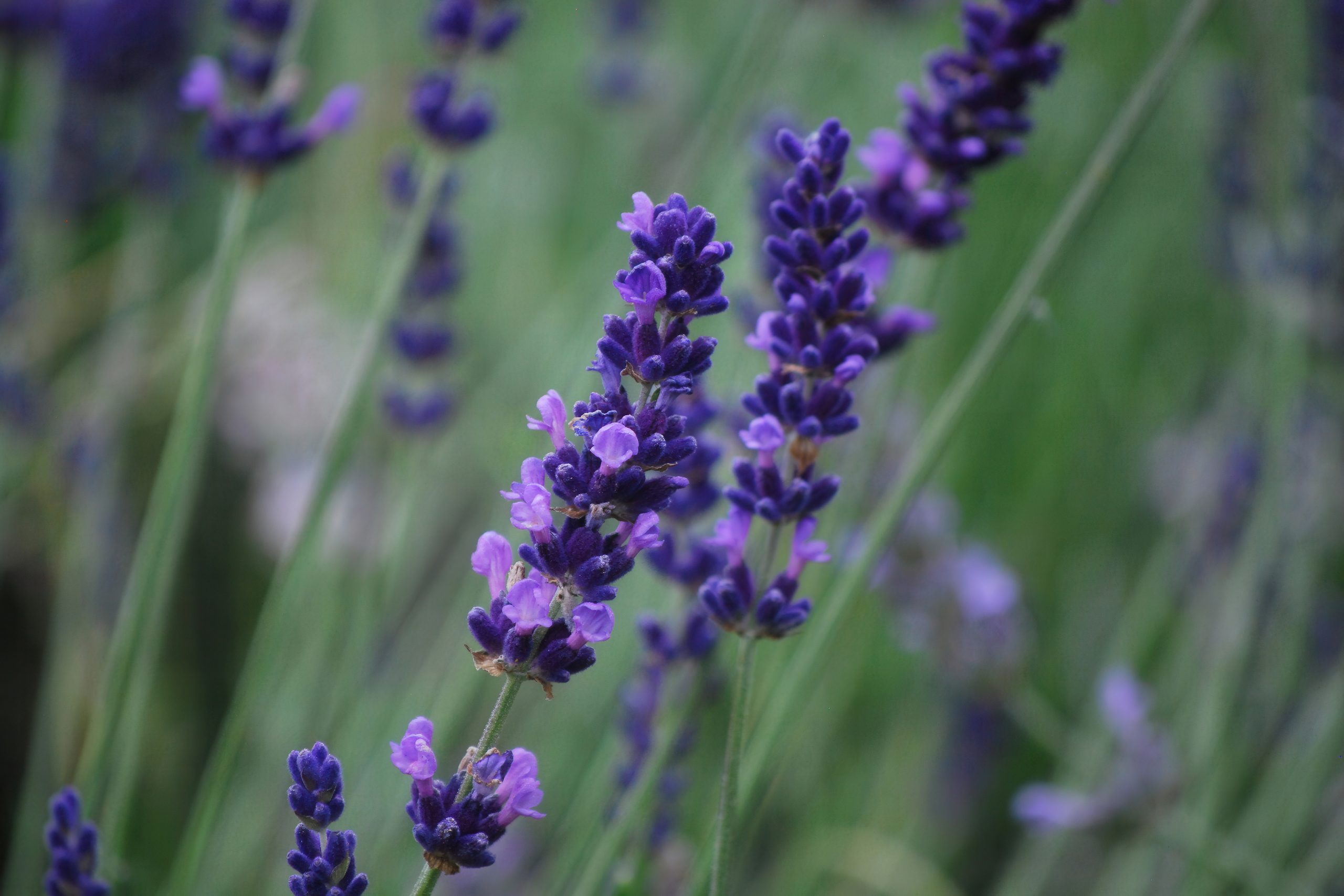
Lavender, known scientifically as Lavandula stoechas – a member of the Lamiaceae family, which includes other aromatic favorites like mint and rosemary – is a perennial shrub that thrives in the Mediterranean’s rocky, sun-baked soils. It’s not just a pretty face; this plant is a survivor, adapted to dry climates where it stores essential oils to deter pests and retain moisture. In broader terms, lavender belongs to the mint family, a group renowned for their square stems and fragrant leaves, helping us see it as part of a vast botanical network of healers and flavor enhancers across the globe.
Roots in Time: Lavender’s Ancient Cypriot Tale
Lavender’s story in Cyprus stretches back to antiquity, intertwined with the island’s rich human history. Archaeological digs in sites like ancient Salamis reveal traces of similar aromatic herbs used in rituals and daily life by the Mycenaeans around 1200 BC. In Greek mythology, lavender was linked to the goddess Hecate, symbolizing purification and protection – perhaps why Cypriots burned it to ward off evil spirits. During the Byzantine era, monks in mountain monasteries like Kykkos cultivated it for balms, echoing the writings of Dioscorides, the ancient Greek physician who praised lavender for soothing headaches and aiding sleep in his seminal work De Materia Medica. Geologically, Cyprus’s limestone-rich soils, formed over millions of years from ancient seabeds, provide the perfect alkaline cradle for lavender, linking its presence to the island’s volcanic birth from the Tethys Ocean eons ago.
The Allure of Lavender: What Makes It Special
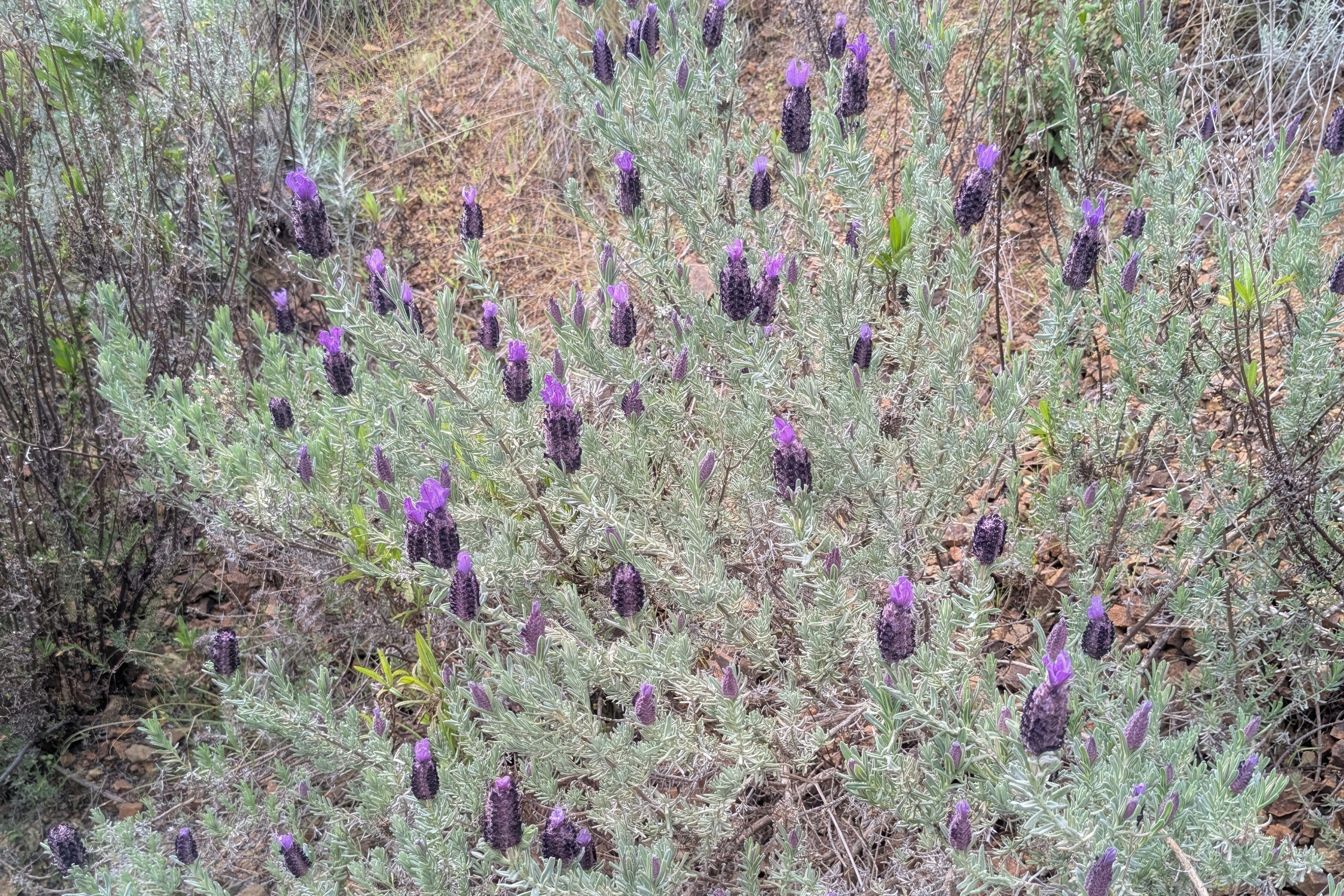
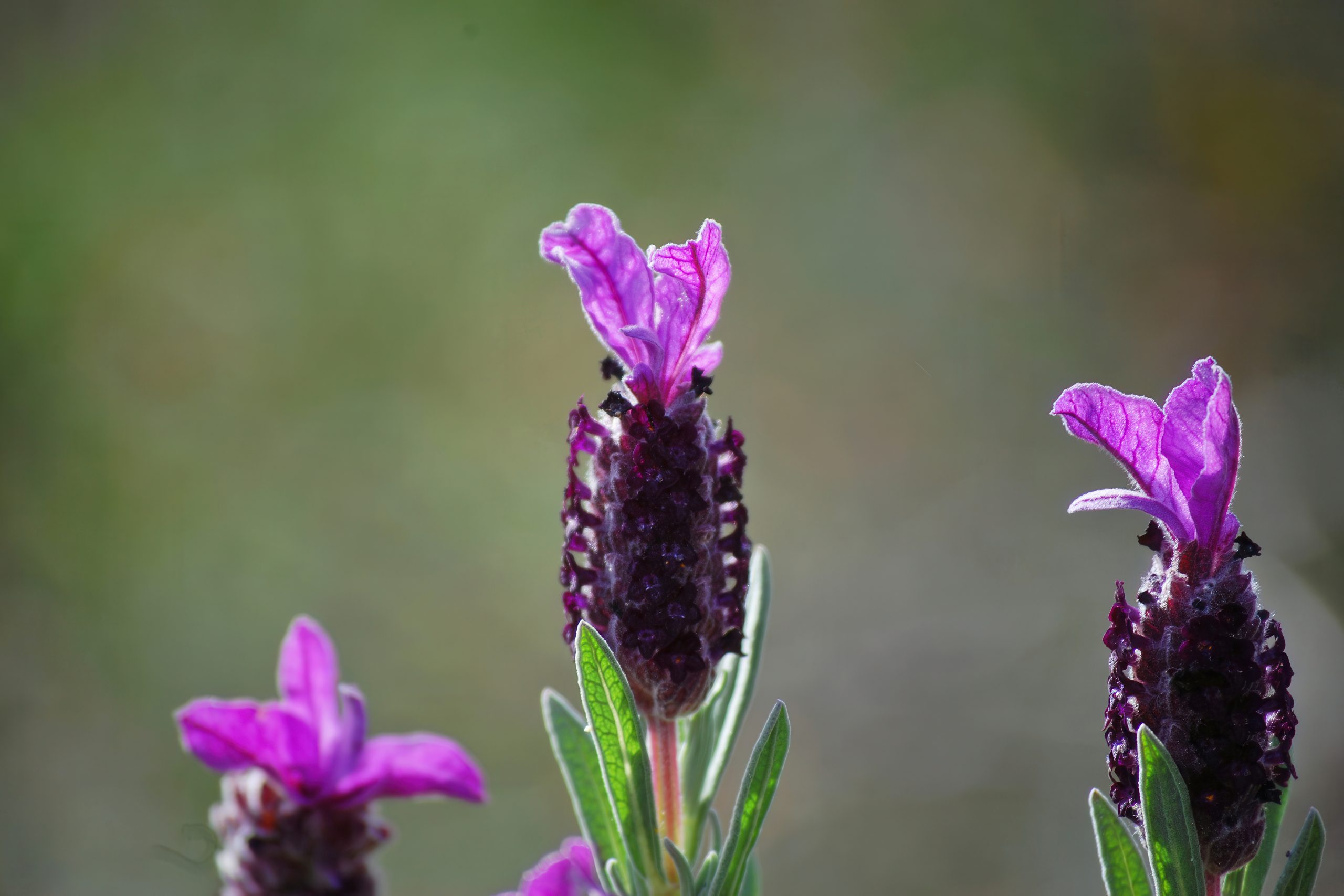
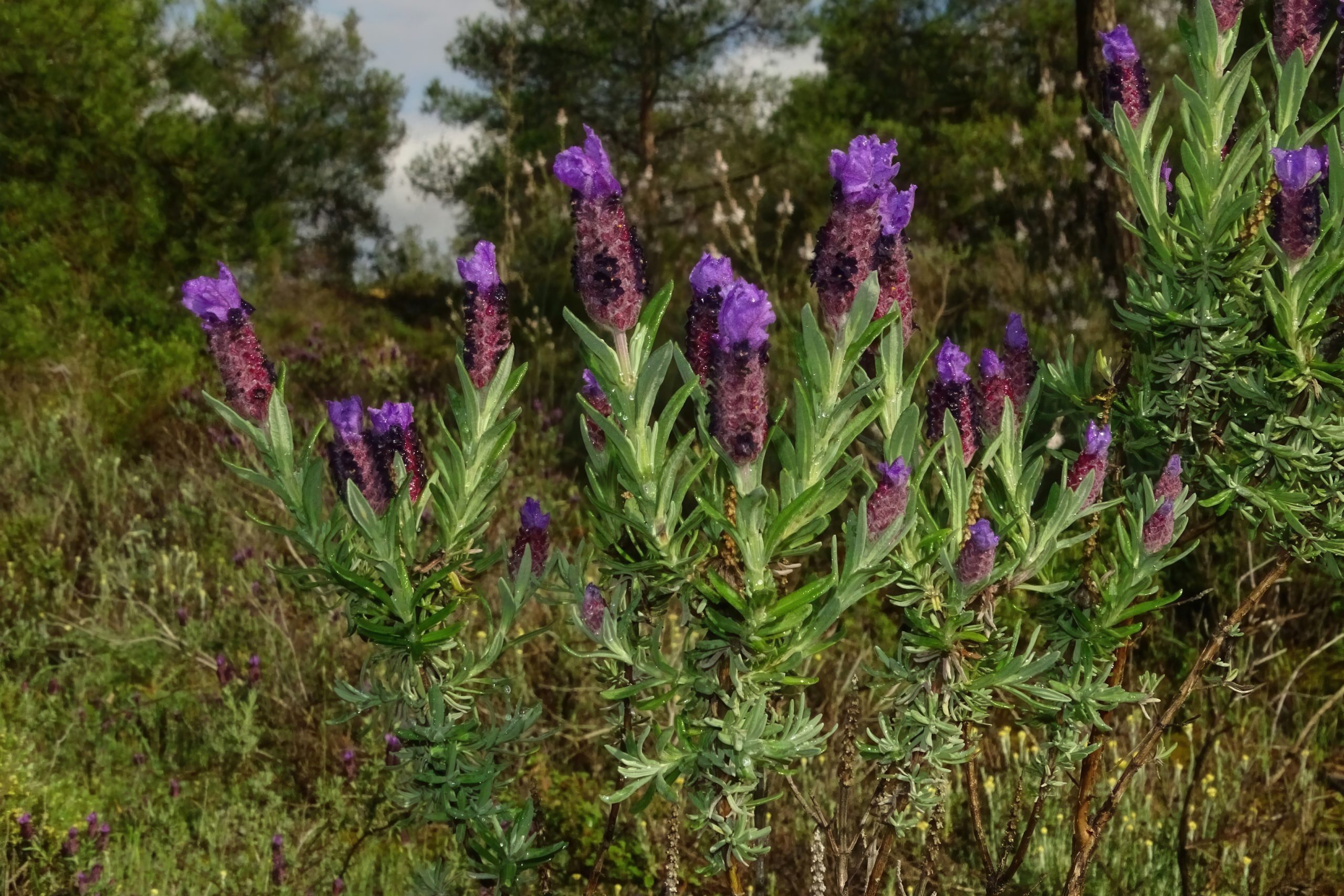
Cyprus’s lavenders are compact shrubs, typically 30–80cm tall, with narrow, fuzzy gray-green leaves that shimmer in the sun, conserving precious water. Their flower spikes burst in shades of purple, often topped with petal-like bracts resembling tiny crowns. The wild Lavandula stoechas, or “Λαμπρή” in local Cypriot Greek – meaning “bright” for its vivid blooms – dominates hillsides. Others include the cultivated Lavandula angustifolia (English lavender), with slender spikes and sweeter scent; Lavandula dentata (French lavender), toothed leaves adding a fringed charm; and hybrids like Lavandula x intermedia, blending strength and aroma.
Lavender’s Delightful Surprises
- Cypriot lavender can bloom twice a year, in spring and autumn, turning hillsides into impromptu purple carpets.
- Rubbing its flowers on bee stings brings instant relief – a folk remedy passed down through generations.
- Its oils are so potent that they’re toxic to cats but beneficial for humans; one sprig can repel moths naturally.
- In rural Cyprus, placing lavender under your pillow is said to summon sweet dreams and even prophetic visions.
Delving Deeper: Botany and Beyond
Botanically, Lavandula stoechas is packed with compounds like linalool and camphor, giving it antiseptic and anti-inflammatory powers – echoing its use in ancient Cypriot poultices for wounds. Mythologically, it’s tied to Aphrodite, the goddess born from Cyprus’s seas, who supposedly used lavender to seduce Adonis. In zoological terms, it supports a web of life: hoverflies lay eggs on its stems, and birds like the Cyprus warbler feast on its seeds. Chemically, its essential oils vary by altitude; high-mountain varieties from Troodos are richer in soothing notes, making them prized for teas and tinctures.
Lavender in Modern Cyprus: A Living Legacy
Today, lavender bridges Cyprus’s past and present, thriving in organic farms and eco-tourism spots where it’s distilled into oils for spas and soaps, boosting rural economies. In Cypriot culture, it’s a staple in herbal teas for stress relief, aligning with the island’s wellness traditions amid fast-paced life. Conservation efforts highlight its role in restoring degraded lands, combating soil erosion in a changing climate. Not endangered – listed as Least Concern by the IUCN – it’s still vulnerable to overharvesting, prompting sustainable practices that honor its place in Cyprus’s natural identity.
Encountering Lavender: A Sensory Journey
To experience lavender, head to the Troodos Mountains in spring, where wild patches bloom near villages like Platres or along the Akamas Peninsula trails. Pick a guided hike – feel the soft leaves between your fingers, inhale the calming scent that eases the mind like a warm Mediterranean breeze. Or visit farms in Limassol for distillation demos; the experience is tranquil, leaving you refreshed and connected to the earth.
Why Lavender Matters: A Cypriot Treasure
Lavender reminds us of Cyprus’s enduring harmony with nature – a resilient bloom that heals, inspires, and unites. In knowing it, we appreciate the island’s biodiversity, a mosaic of ancient wisdom and fragile beauty worth protecting for generations to come.