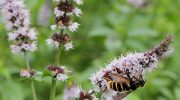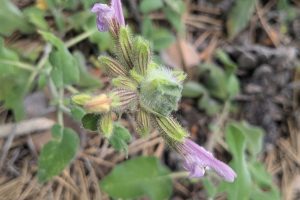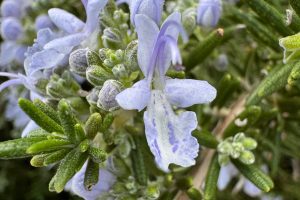
Imagine a resilient shrub clinging to sun-baked rocks along Cyprus’ rugged coastlines, its fragrant leaves releasing a piney aroma that evokes ancient rituals and modern kitchens alike. This is the story of wild rosemary, a Mediterranean icon thriving in Cyprus’ diverse landscapes. But what secrets does this humble plant hold in its evergreen needles?
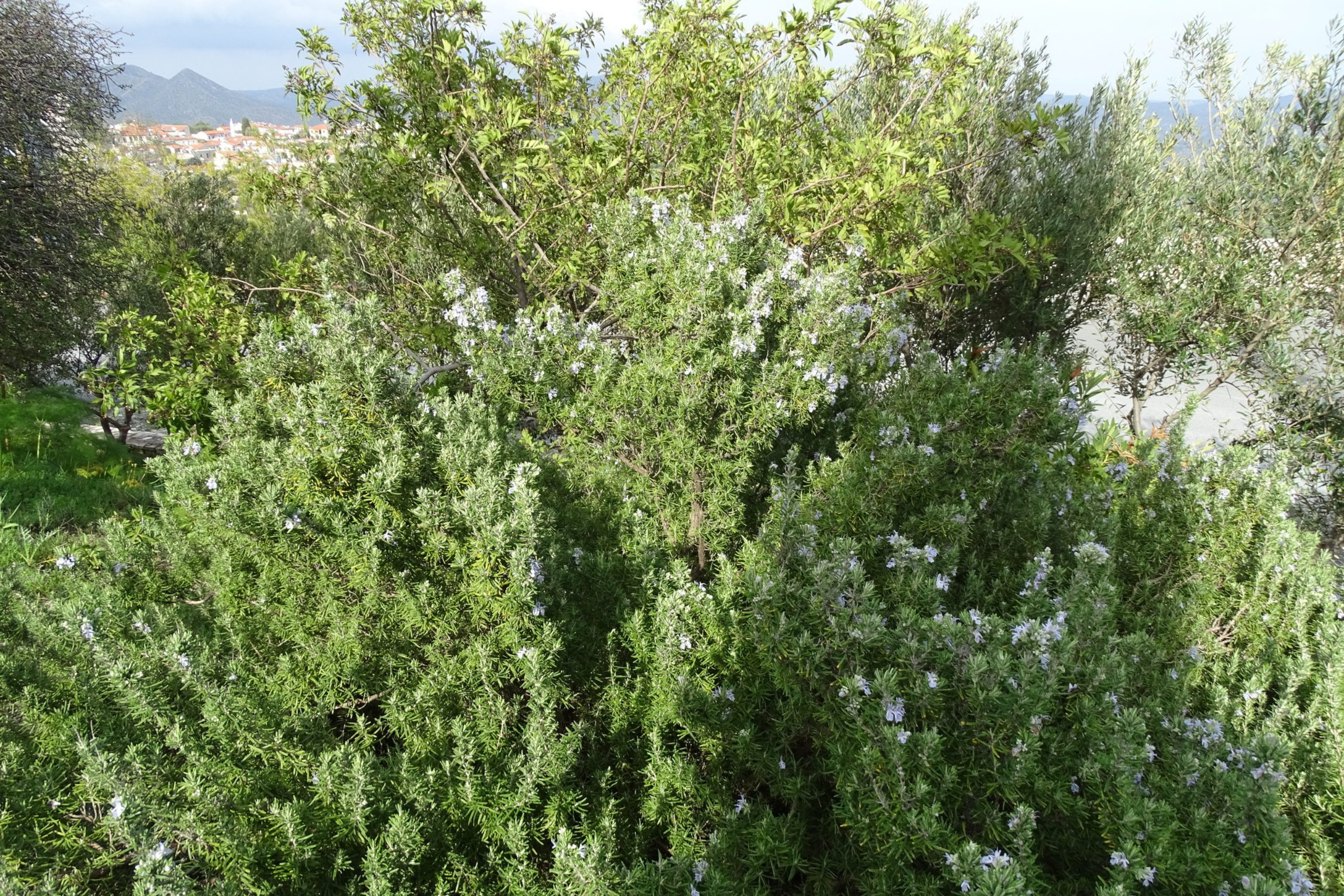
A Fragrant Survivor of the Mediterranean
Wild rosemary, known scientifically as Salvia rosmarinus, is an evergreen shrub belonging to the Lamiaceae family – a group of aromatic plants that includes mints, sages, and thymes, all sharing square stems and opposite leaves. It’s a classic example of the broader mint family, which has evolved to produce essential oils as a defense against herbivores and harsh environments. In Cyprus, it’s a native wildflower that dots the island’s scrublands, embodying the tough, adaptive spirit of Mediterranean flora.
Echoes from Ancient Shores
Rosemary’s history stretches back to the cradle of civilizations around the Mediterranean Sea. Ancient Greeks and Romans revered it as a sacred plant, weaving it into wreaths for scholars and athletes, symbolizing memory and fidelity – perhaps due to its invigorating scent believed to sharpen the mind. In Cyprus, influenced by these classical roots, it appears in folklore tied to Byzantine and Ottoman eras, where islanders used it in religious ceremonies and as a protective charm against evil spirits. Geologically, Cyprus’ limestone hills and volcanic soils from the Troodos mountains provided ideal habitats during the Pleistocene era, allowing rosemary to persist through ice ages and human migrations. Locally called “δενδρολίβανο” (dendrolivano), meaning “tree frankincense,” it nods to its resinous fragrance reminiscent of sacred incense burned in ancient temples.
The Essence of Resilience
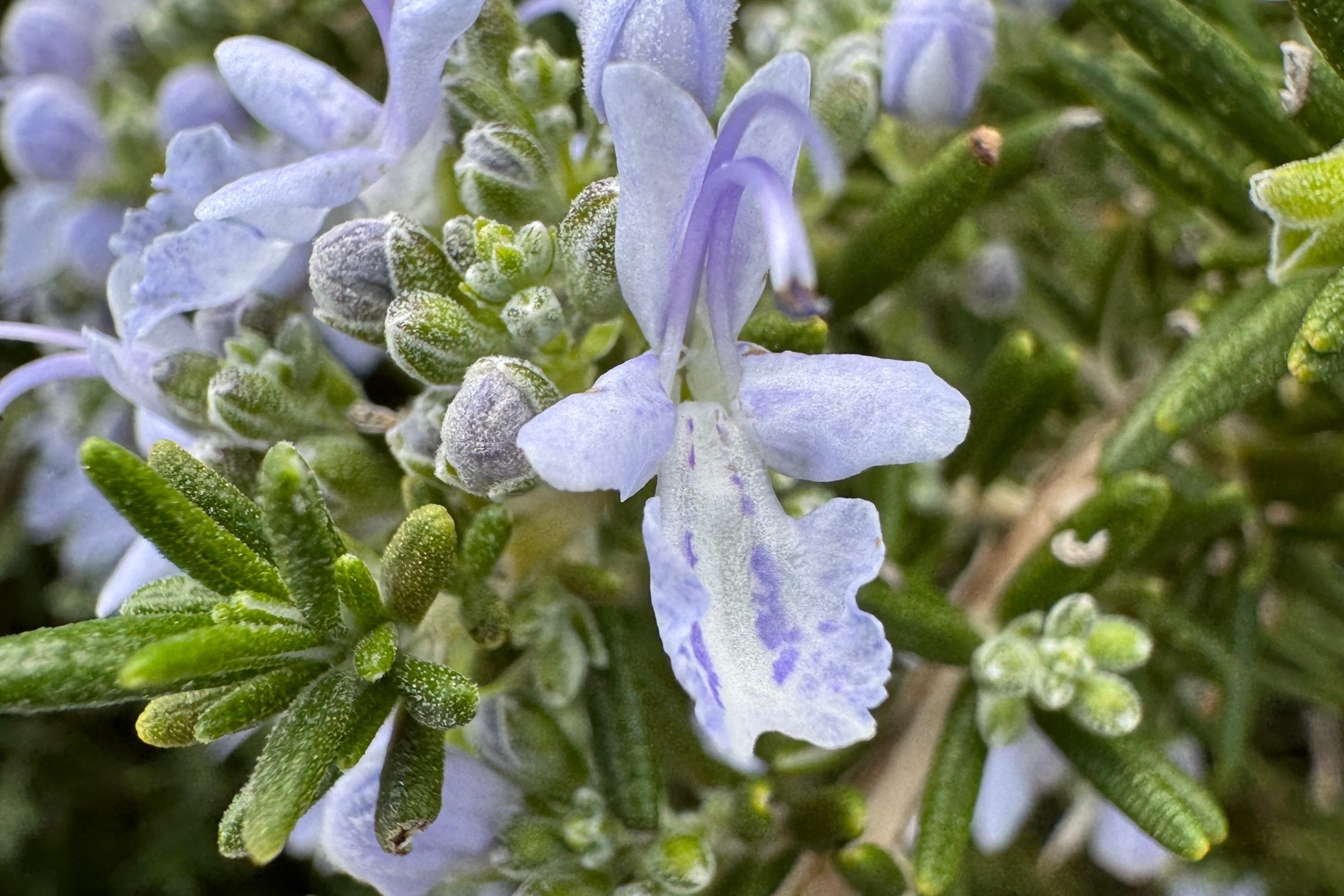
Picture a woody shrub reaching up to 1.5 meters tall, with narrow, needle-like leaves that are dark green on top and silvery-white underneath, curled edges helping it conserve water in dry spells. Its branches sprawl or stand upright, dotted with clusters of small, tubular flowers in shades of blue or purple that bloom sporadically year-round, attracting bees and butterflies. This structure isn’t just beautiful – it’s a survival kit: the leaves’ waxy coating reduces evaporation, while the flowers’ nectar supports pollinators in Cyprus’ semi-arid ecosystems. What makes it unique is its ability to thrive on poor, rocky soils, a trait shared with other Lamiaceae members adapted to the region’s hot, dry summers.
Surprising Twists in the Branches
Did you know rosemary was once thought to grow solely from the “dew of the sea,” hence its Latin name Rosmarinus, meaning “dew of the sea”? In Cyprus, locals whisper that planting it near beehives boosts honey production, as bees adore its blooms. Another quirky fact: during World War I, soldiers carried sprigs for remembrance, a tradition echoing ancient uses in funerals. And here’s a Cypriot gem – its oil repels mosquitoes naturally, a handy trick in the island’s balmy evenings!
Beneath the Aroma: Nature’s Pharmacy
Diving a bit deeper, rosemary’s leaves are packed with compounds like rosmarinic acid and camphor, giving it antioxidant powers that ancient healers prized. In Cypriot folk remedies, infusions soothe digestion woes or headaches, while its essential oil features in balms for muscle aches. Botanically, it’s a powerhouse in the Salvia genus, which boasts over 900 species worldwide, many with similar healing traits. Though not endangered – rated Least Concern by the IUCN due to stable wild populations – its wild stands in Cyprus face pressures from overgrazing and development.
A Modern Cypriot Staple
Today, wild rosemary weaves into everyday Cypriot life, flavoring halloumi cheese grills, lamb souvlaki, and herbal teas that warm winter evenings. In the island’s growing eco-tourism scene, it’s harvested sustainably for essential oils exported worldwide, supporting rural economies. Amid climate change, its drought tolerance inspires gardeners to plant it in water-wise landscapes, linking ancient wisdom to modern sustainability efforts. In cultural festivals, it symbolizes enduring heritage, reminding Cypriots of their deep-rooted connection to the land.
Wandering Among the Wild Sprigs
To experience wild rosemary, head to Cyprus’ untamed spots like the Akamas Peninsula (Smigies Nature Trail) in the west, where it flourishes in coastal garigue amid sea views and hiking paths. The Troodos Mountains offer cooler trails through pine-scented forests dotted with its blooms – spring is prime for flower spotting, but you’ll find it year-round. A gentle sniff or brush of the leaves releases its invigorating scent, evoking a sense of timeless peace. Just remember: admire without picking to preserve these natural treasures.
Why This Herb Holds Cyprus’ Heart
Wild rosemary is more than a plant – it’s a thread in Cyprus’ vibrant tapestry of biodiversity, linking geological pasts, cultural rituals, and future resilience. Knowing it deepens our appreciation for the island’s unique Mediterranean ecosystem, urging us to protect such gems for generations to come. In a world racing forward, this sea-dew survivor reminds us: true strength lies in quiet adaptation.