- Wings in the Order of Things
- An Ancient Presence on an Ancient Island
- The Many Faces of a Cypriot Bat
- Surprising and Wonderful Things About Bats
- A Grim Chapter – Bats Declared Enemy of the State
- The Road Back – Protection, Law, and New Respect
- Bats in the Cyprus of Today
- Finding Your Own Bat Encounter
- Why Bats Matter to the Story of Cyprus
Wings in the Order of Things
Bats belong to the order Chiroptera, a name that comes from the Greek words cheir (hand) and pteron (wing) literally, “hand-winged.” With over 1,300 species worldwide, bats form the second largest order of mammals on Earth, surpassed only by rodents. Despite what many people assume, they are not related to mice or rats at all. Genetically speaking, bats are in fact closer to humans than they are to rodents.
The order is split into two broad groups: the megabats large, fruit-eating species that navigate primarily by sight and the microbats, smaller insect-hunters that navigate through the darkness using echolocation, a biological sonar so precise it can detect a moth’s wing-beat in total blackness. Cyprus is home to representatives of both groups, which makes the island’s bat community particularly special in a European context.
An Ancient Presence on an Ancient Island
Bats have inhabited Mediterranean islands for millions of years, long before humans arrived with their vineyards and citrus groves. Cyprus itself, isolated in the eastern Mediterranean, has always attracted species crossing between Africa, the Middle East, and Europe. The Egyptian fruit bat’s range stretches from the Persian Gulf through Arabia, Turkey, Cyprus, and deep into Africa, and Cyprus sits almost perfectly at the crossroads of these ancient migration routes.
The island’s remarkable geology riddled with limestone cave systems, sea caves accessible only by water created ideal shelter for bats long before any human hand built a wall or planted a fig tree, or created old mines and rock-cut tombs from the Bronze Age prefectly suited to adopt bat colonies. In a sense, bats were residents of this island’s sacred caves long before the first Neolithic settlers arrived at Khirokitia around 9,000 years ago.
The Many Faces of a Cypriot Bat
The presence of 19 confirmed bat species on Cyprus has been recorded, belonging to 9 different families, with reports of up to 5 additional species. Only one of these feeds on fruit the rest are insectivores of extraordinary efficiency.
Among the most commonly encountered species are:
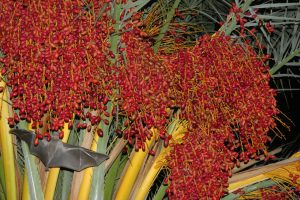
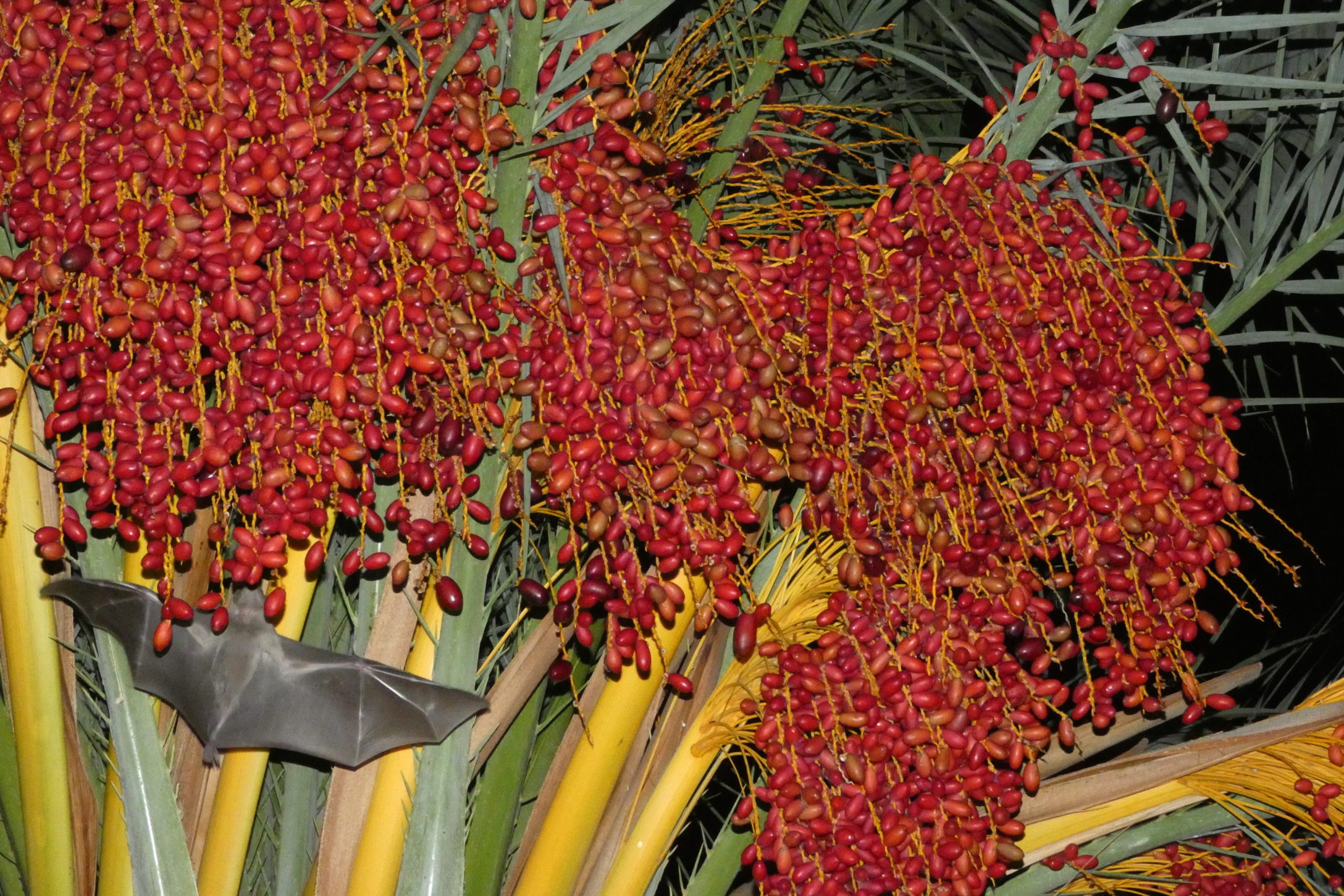
• The Egyptian Fruit Bat (Rousettus aegyptiacus) – the star of the group. It is a medium-sized megabat, with adults weighing 80–170 grams and a wingspan of around 60 centimetres. Its fur ranges from dark brown to grey-brown on the back, with a paler underside and a yellowish-brown collar around the neck. It roosts in caves in colonies that can number in the thousands. Cyprus is the only European country where this species exists – a distinction that makes it one of the most significant mammals on the island.
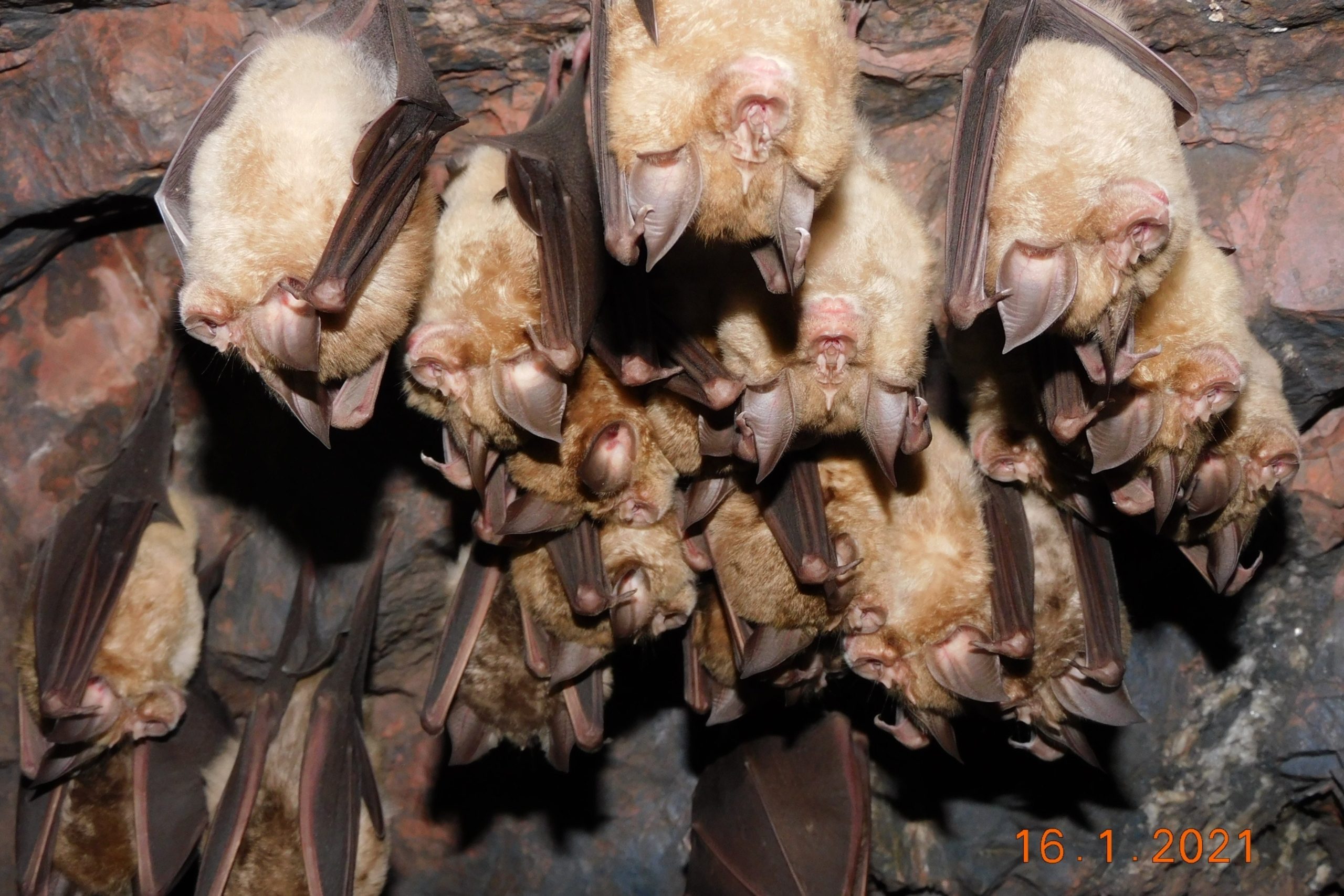
• The Greater Horseshoe Bat (Rhinolophus ferrumequinum) – named for the distinctive horseshoe-shaped structure around its nose, which focuses its echolocation calls like a living satellite dish. It is one of the most abundant species recorded in Cyprus field surveys.
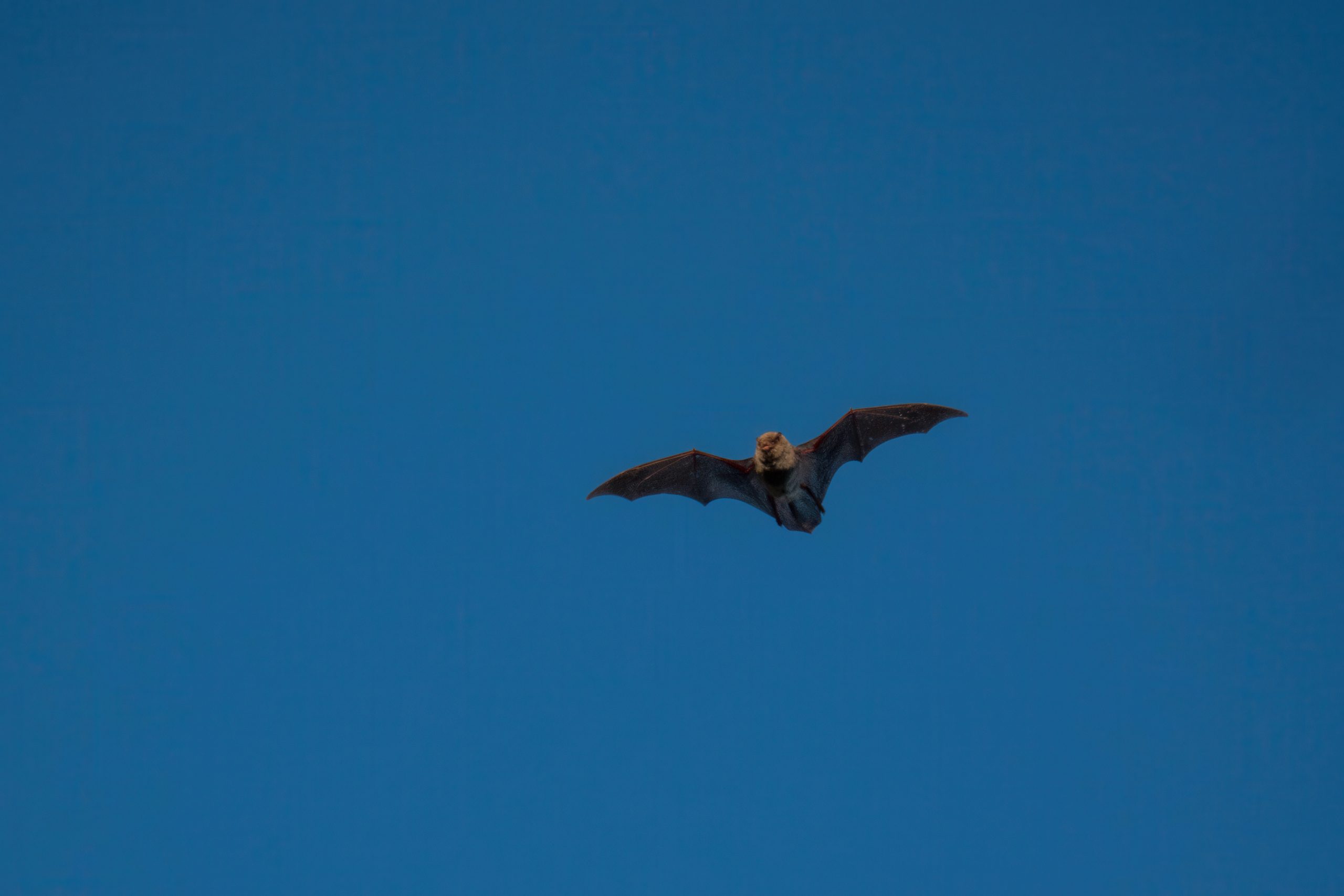
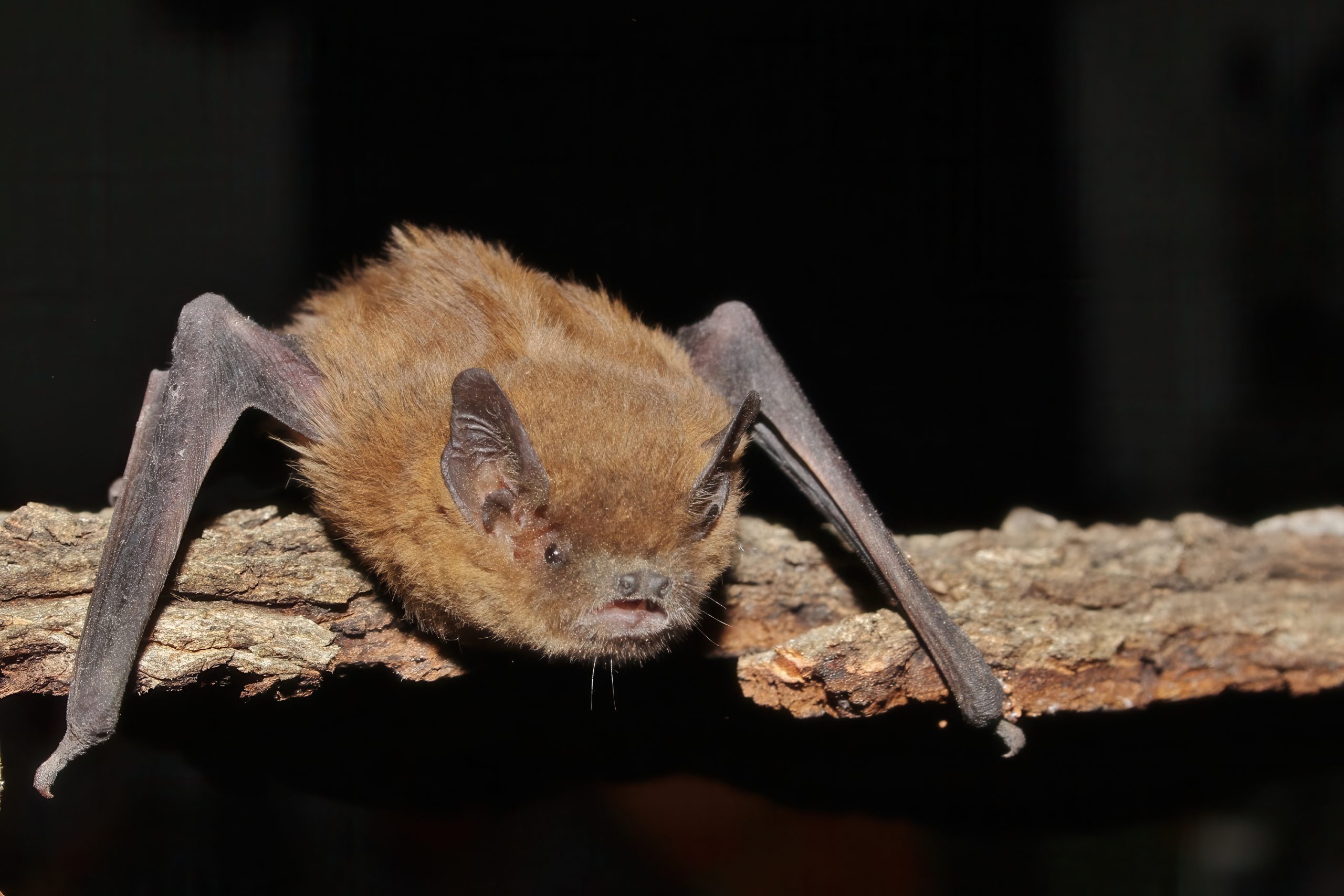
• Kuhl’s Pipistrelle (Pipistrellus kuhlii) – a tiny, fast-flying bat commonly seen darting around street lights on warm evenings. It is among the most frequently recorded bat species across Cyprus, with 265 record locations documented in northern Cyprus alone.
• The Bent-winged Bat (Miniopterus schreibersii) – a migratory species with unusually long wings that give it a distinctive silhouette in flight.
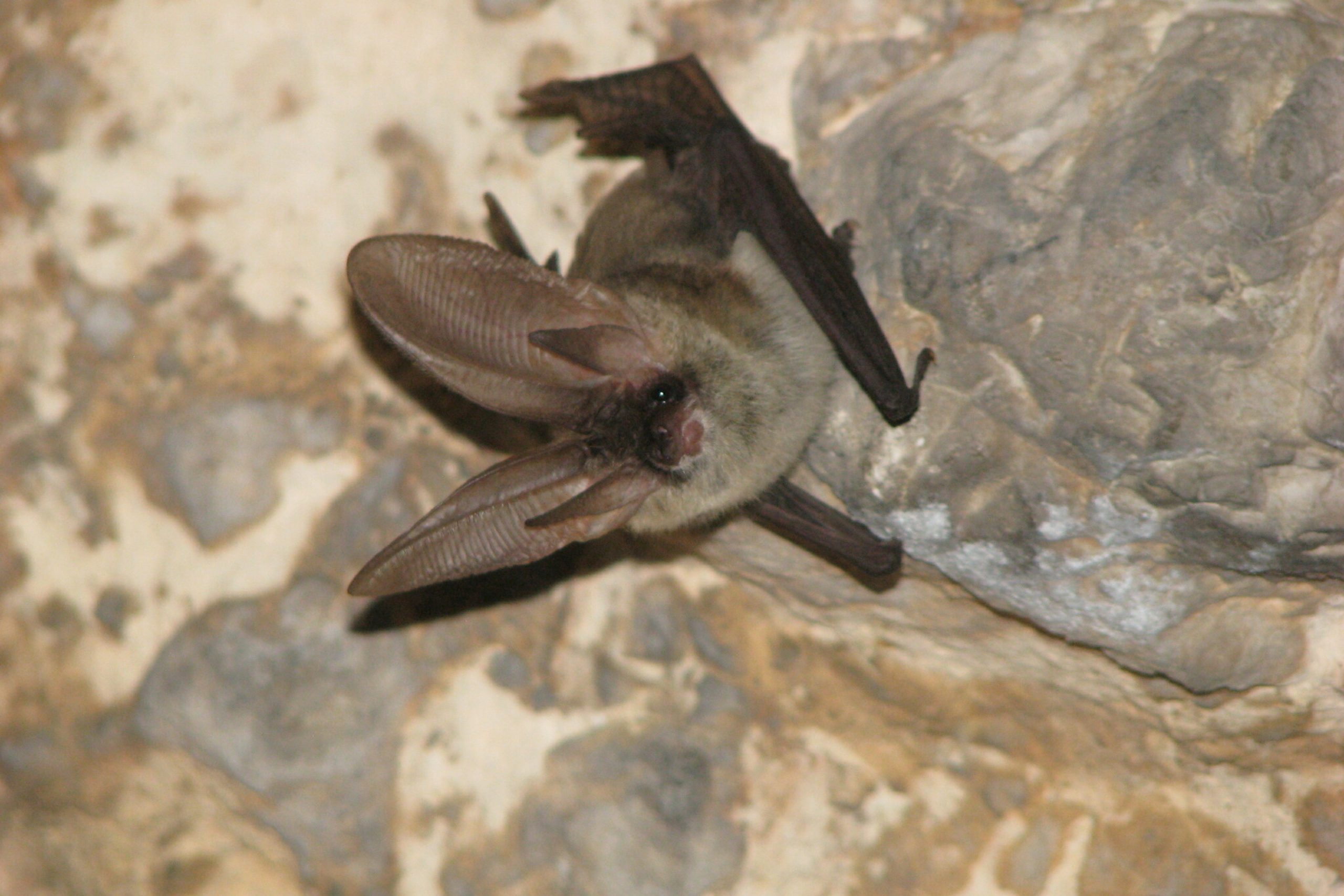
• The Long-eared Bat (Plecotus kolombatovici) – whose enormous, delicate ears can be almost as long as its body.
• Intriguingly, the Cypriot population of the pygmy pipistrelle (Pipistrellus pygmaeus) has been found to be morphologically and genetically unique enough to be described as a separate subspecies – P. pygmaeus cyprius – a wonderful reminder that island life, even for the smallest creatures, shapes evolution in subtle ways.
Surprising and Wonderful Things About Bats
• A single insectivorous bat can consume up to 3,000 insects in a single night – making a colony of bats one of the most effective natural pest control systems imaginable, entirely free of charge.
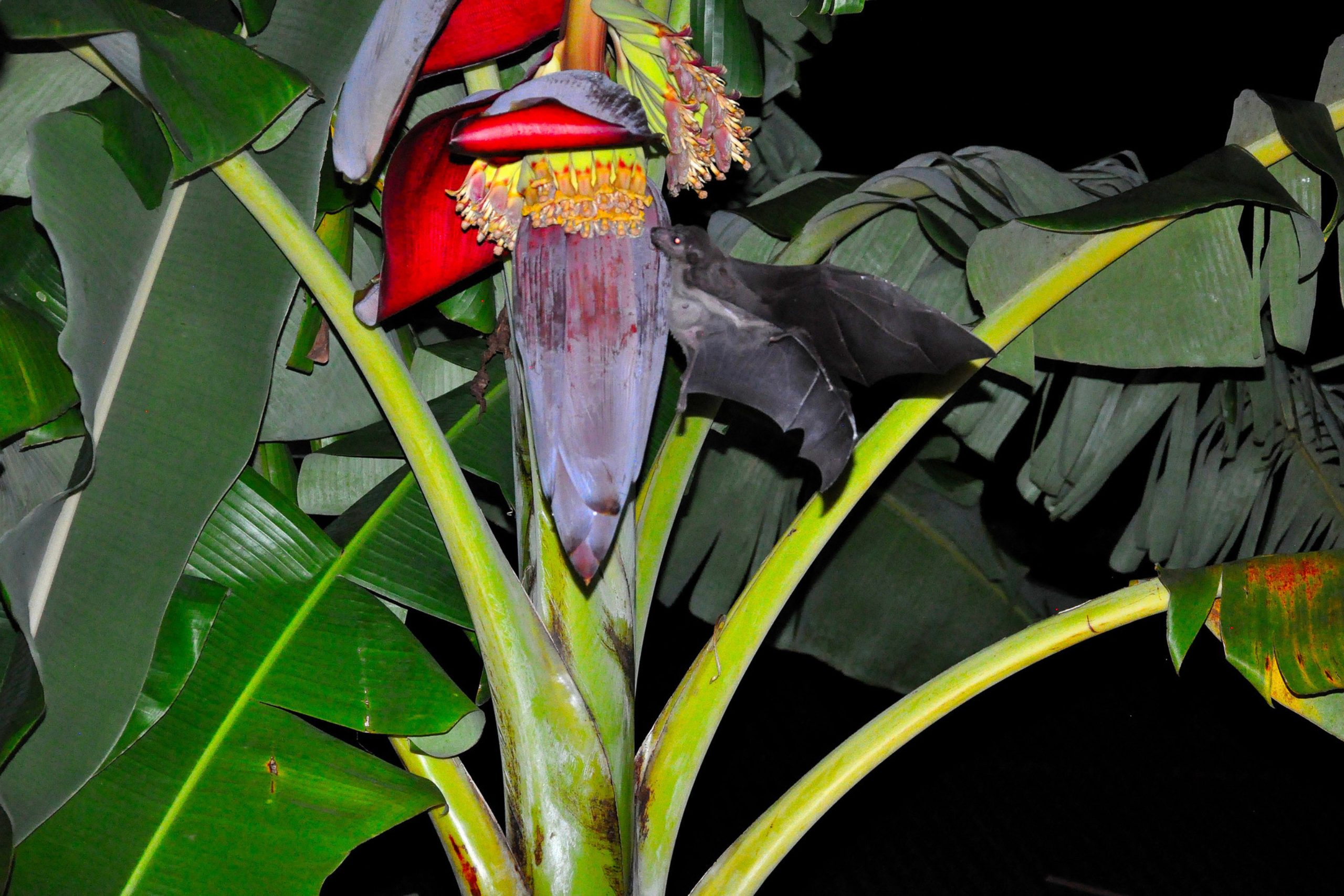
• Over 300 species of fruit depend on bats for pollination worldwide. Without bats, we would lose bananas, avocados, mangoes, figs, and cacao – the main ingredient in chocolate.
• The Egyptian fruit bat is one of the only fruit bats in the world to use echolocation – but it does so using tongue clicks rather than throat calls, which allows it to navigate deep inside caves where no light reaches.
• Like cats, bats meticulously groom themselves and are among the cleanest of all mammals.
• Baby bats, called pups, are born already aware of their mother’s individual echolocation signature – they can pick her voice out of a cave containing thousands of calls.
• Bats are unique among mammals in their ability to carry a vast number of viruses without becoming sick themselves. The reason lies in their extraordinary immune system, which has evolved over roughly 65 million years of flight.
A Grim Chapter – Bats Declared Enemy of the State
For much of the twentieth century, Cyprus’s relationship with its bats was nothing short of brutal. The Egyptian Fruit bat was declared a pest by the Department of Agriculture since the early 1900s, and from 1927 onwards, the government employed fumigation, shooting, and cash payments for dead bats as part of an organised eradication campaign.
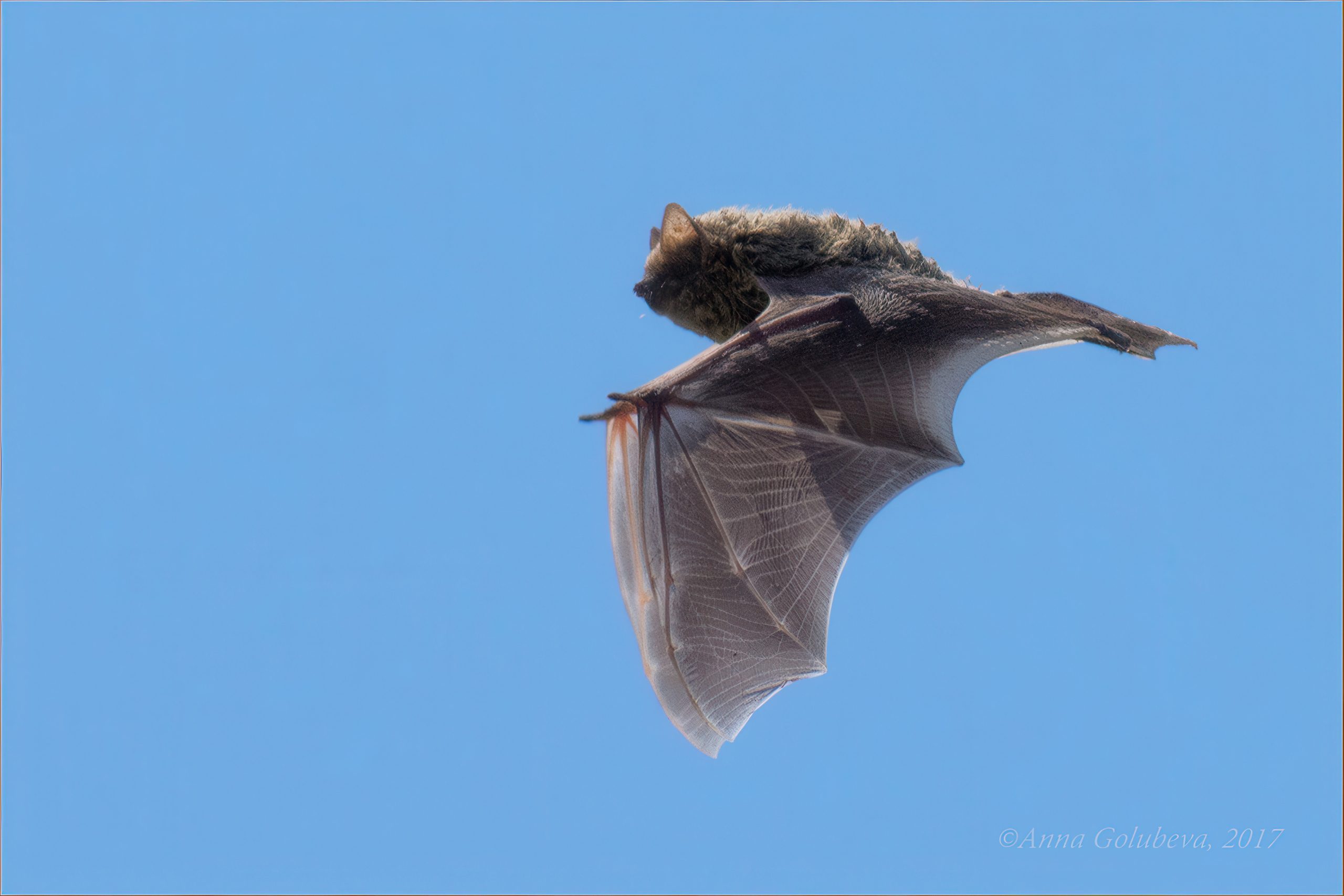
The logic was simple – and, as it turned out, deeply wrong. Farmers blamed fruit bats for losses in their orchards. But research showed that commercial fruits are harvested several days before they ripen, and fruit bats specifically avoid unripe fruit – meaning the damage attributed to them was almost entirely a myth.
Fumigating and sealing caves did not only kill fruit bats. It destroyed entire cave ecosystems, including the highly beneficial insectivorous species that were supposed to be protected. The poisoning of one species poisoned everything that shared its home.
Other methods used across the region included using dynamite to destroy cave roosts, or fumigating entrances with sulphur to exterminate entire colonies.
By the time attitudes began to shift, the damage was severe. The fruit bat population had collapsed to around a thousand individuals – a fraction of what it had once been.
The Road Back – Protection, Law, and New Respect
The first real attempt to protect bats in Cyprus came in 1988, with Law No. 24 ratifying the Convention on the Conservation of European Wildlife and Natural Habitats. It was a turning point – slow at first, but eventually transformative.
When Cyprus joined the European Union, the Egyptian fruit bat was included in the prestigious Annexes II and IV of the EU Habitats Directive – the same annexes that protect the Cyprus mouflon and the green sea turtle. Key roosting caves were designated as Natura 2000 sites, giving them legal protection under European law.
Today, the Forestry Department places bat boxes in abandoned buildings and tunnels in the Paphos Forest to provide new roosting habitat. Awareness campaigns have transformed public attitudes – people who once killed bats found in their homes now call wildlife authorities to have them safely removed and released. Still some species remain Vulnerable or Endangered in IUCN Red List.
Citizen science projects, including the use of bat detectors (specialised microphones that pick up echolocation calls), allow members of the public to contribute real data to bat distribution maps. Organisations now rent bat detectors to volunteers, with recordings uploaded to platforms like iNaturalist for scientific analysis.
One rule is simple and absolute: never handle a bat with bare hands. If you find a grounded bat, use thick gloves, a folded cloth, or a container. Never touch it directly, even (especially) if it appears dead.
Bats in the Cyprus of Today
Bats remain deeply relevant to everyday Cypriot life, even if most people never realise it. Every summer evening, the pipistrelles that flicker above taverna terraces and village squares are consuming the mosquitoes that would otherwise make outdoor dining unbearable. The fruit bats that roost in the caves of Akamas and the Paphos district are cleaning up overripe fallen fruit, spreading seeds, and maintaining the health of wild fig populations across the island.
Recent dietary studies of the Egyptian fruit bat in Cyprus have helped clarify what the species actually eats, allowing conservation strategies to be better tailored – and helping to reduce the long-standing conflict with farmers by demonstrating that commercially grown crops represent only a small fraction of the bats’ diet.
The bat’s image is slowly changing in Cypriot culture – from feared pest to celebrated part of the island’s natural identity.
Finding Your Own Bat Encounter
You do not need to go far to experience bats in Cyprus. On any warm evening between April and October, a slow walk through an old village, along a forest trail, or beside a reservoir will almost certainly produce bats hunting overhead within minutes of dusk. The Akamas Peninsula, the Paphos Forest, and the area around Troodos are all excellent spots. The sea caves along the western and southern coasts – some accessible only by boat – are among the most dramatic roosting sites, where you may observe hundreds of fruit bats hanging in dim stalactite-hung chambers that smell sweetly of old fig.
For those wanting to go further, bat detector evenings are occasionally organised by Cypriot nature groups, where participants can hear the different species’ echolocation calls translated into audible sound – each species with its own distinct “voice” in the darkness.
Why Bats Matter to the Story of Cyprus
The story of Cyprus’s bats is, in miniature, the story of the island’s entire relationship with nature – an old tension between agricultural tradition and wild things, followed by a slow and hopeful journey toward coexistence. Cyprus is the only place in Europe where the Egyptian fruit bat survives, which places a unique and very particular responsibility on the island’s people and government.
To walk through a Cypriot cave at dusk, to hear the leathery rush of wings and feel the warm displaced air of a thousand silent departures, is to touch something genuinely ancient and irreplaceable. These are not pests. They are not creatures of bad omen. They are some of the oldest residents of this island – patient, precise, and extraordinary. And after a century of misunderstanding, they are finally beginning to receive the respect they deserve.