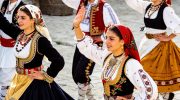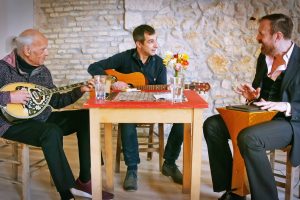
Traditional songs in Cyprus are not preserved in glass cases or frozen in formal performances. They live in memory, in village squares, in family celebrations, and in quiet moments where voices carry stories across generations. Long before recordings and concert halls, music on the island existed as a shared language, passed from person to person, shaped by experience, and reshaped by time. To listen to these songs is to hear how ordinary Cypriots worked, loved, struggled, and remembered.
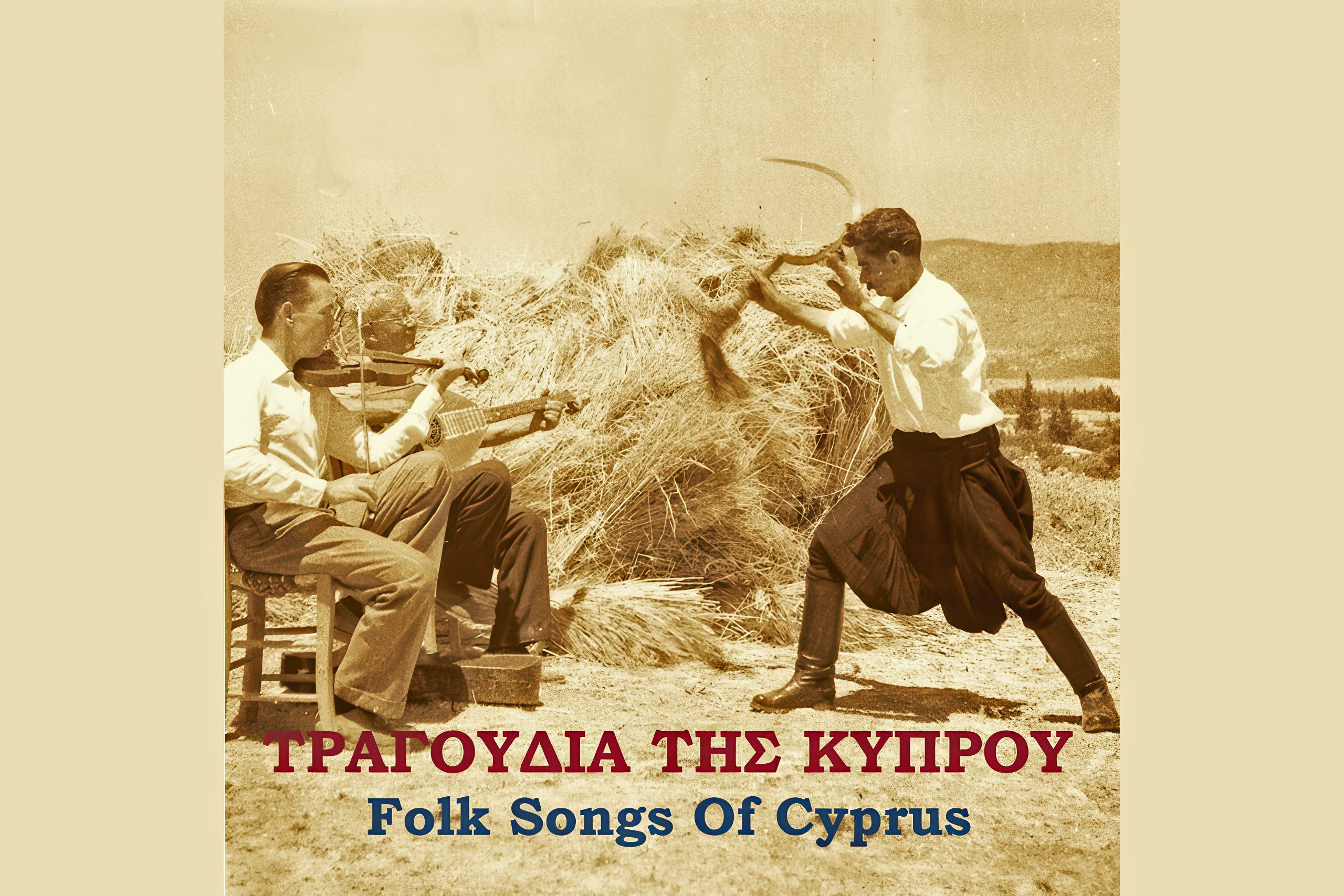
Cyprus, as an island at the crossroads of continents, has always absorbed influences without losing its own identity. Its traditional music reflects centuries of encounters, migrations, and coexistence. Yet beneath the layers of history, the songs remain deeply rooted in everyday life.
- An Island That Never Sang Alone
- Songs Built on Melodic Frameworks, Not Fixed Compositions
- Love, Loss, and the Rhythm of Everyday Life
- Improvisation as Social Skill: The Art of Tsiattista
- Instruments That Follow the Voice
- Music as Part of the Life Cycle
- Survival Through Adaptation, Not Preservation Alone
- Why These Songs Still Matter
An Island That Never Sang Alone
Cyprus has always been a meeting point of cultures and empires. Byzantines, Franks, Venetians, Ottomans, and British administrators each left traces on the island’s social fabric, and those traces found their way into music. Rather than erasing local traditions, each period added new textures, melodic structures, and storytelling styles.
Eastern modal systems blended with Western narrative forms. Sacred chant influenced secular melodies, while village storytelling shaped poetic lyrics. Over time, this layering produced a musical identity that feels familiar to multiple cultures yet remains unmistakably Cypriot. The songs reflect not a single origin, but a long conversation between people and history.
Songs Built on Melodic Frameworks, Not Fixed Compositions
Unlike modern songs with fixed melodies and lyrics, many traditional Cypriot songs are built on fones, or melodic frameworks. A foni is not a single song, but a musical structure that can carry many verses. Singers adapted lyrics to the occasion, improvising verses about local events, personal stories, or communal concerns.
Some fones were associated with specific regions, while others were linked to weddings, harvests, or mourning rituals. This flexibility allowed songs to travel easily between villages and across generations. What mattered was not perfect repetition, but shared understanding and emotional truth. The same melody could tell countless stories, evolving as people and circumstances changed.
Love, Loss, and the Rhythm of Everyday Life
Traditional Cypriot lyrics rarely aim for abstract poetry or grand philosophical themes. Instead, they speak plainly about longing, separation, migration, jealousy, and pride in the land. Many songs reflect rural life, describing work in the fields, waiting for loved ones who migrated abroad, or gathering after a hard season to celebrate survival.
Love songs often carry a quiet sadness rather than romantic idealism, reflecting the realities of distance, hardship, and social expectations. Heroic songs recall frontier figures, bandits, and legendary defenders, blending myth with memory. Humorous verses tease neighbours, comment on village politics, or capture the small frustrations of daily life. Together, these songs form an emotional archive of how ordinary people experienced history, not how history recorded itself.
Improvisation as Social Skill: The Art of Tsiattista
One of the most distinctive traditions in Cypriot song is Tsiattista, a form of improvised poetic duelling. Two singers exchange rhyming couplets in real time, often playful, sometimes sharp, and always grounded in wit and local knowledge. These performances were traditionally part of weddings and village festivals, where verbal agility and cultural awareness were admired as social skills.
Success in Tsiattista depended on memory, humour, and the ability to read the audience. A good performer could praise, criticise, flirt, or joke, all within the constraints of rhyme and rhythm. Today, Tsiattista is recognised by UNESCO as intangible cultural heritage, not because it is ancient, but because it remains socially alive. It continues to evolve, reflecting modern concerns while preserving traditional poetic structures.
Instruments That Follow the Voice
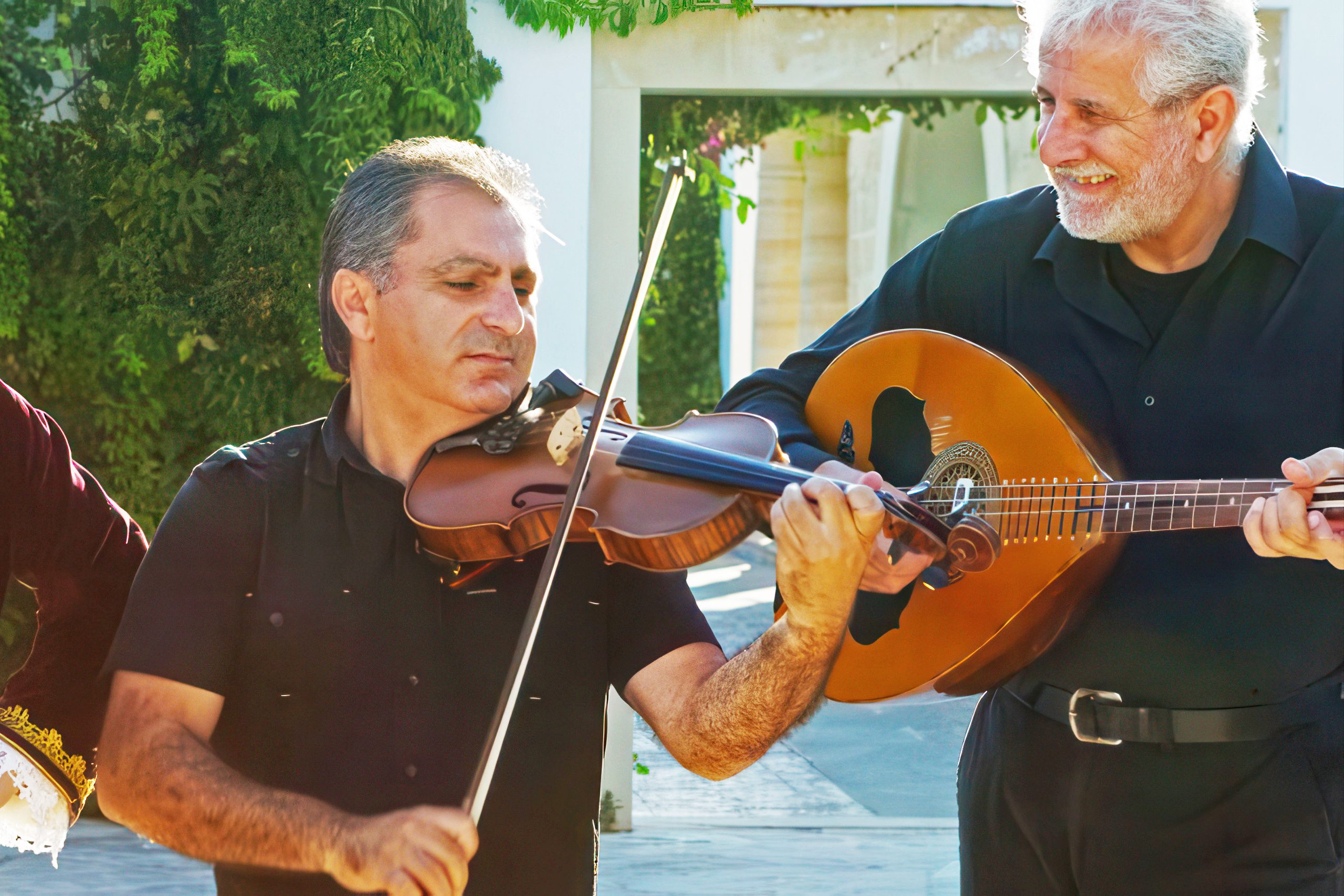
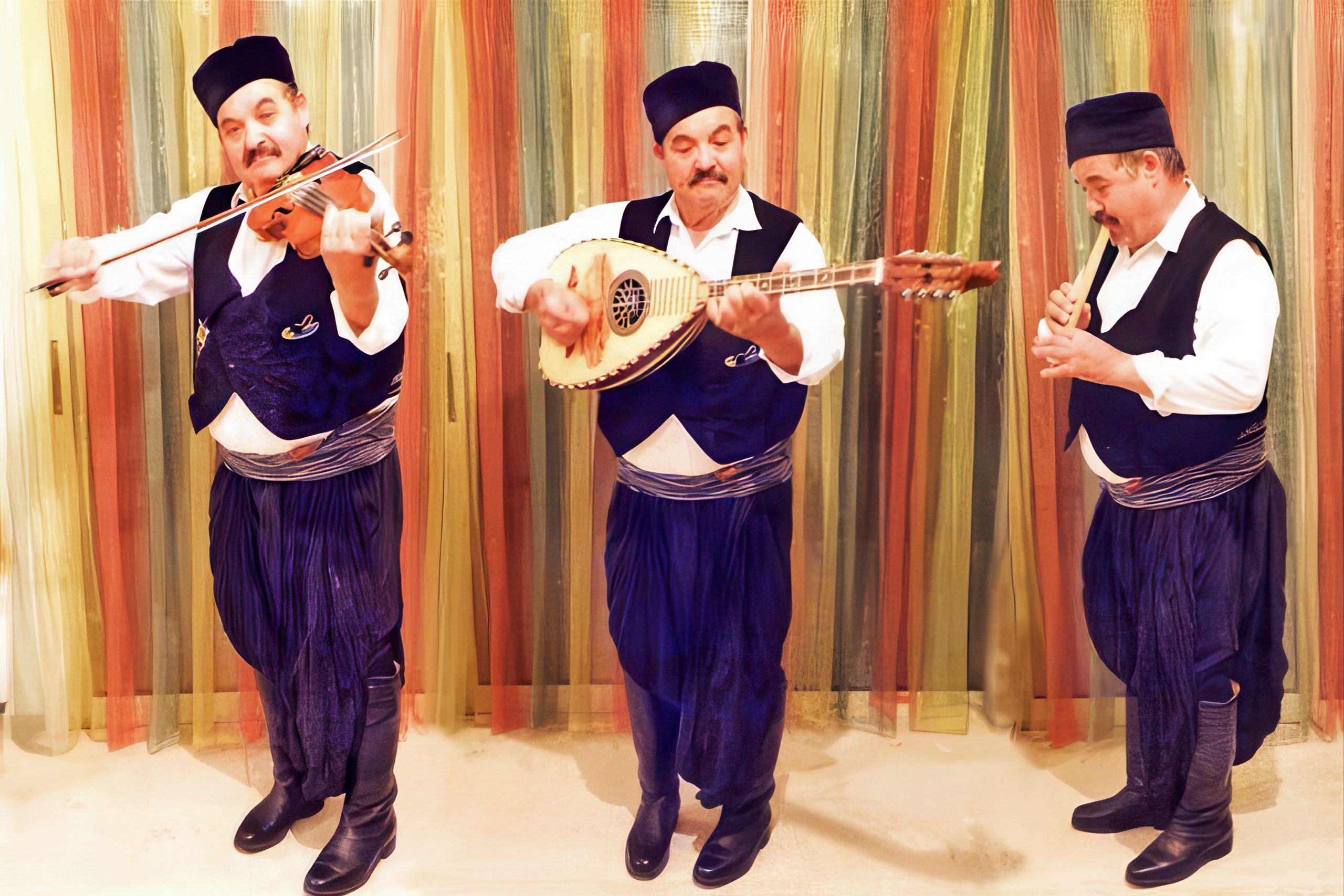
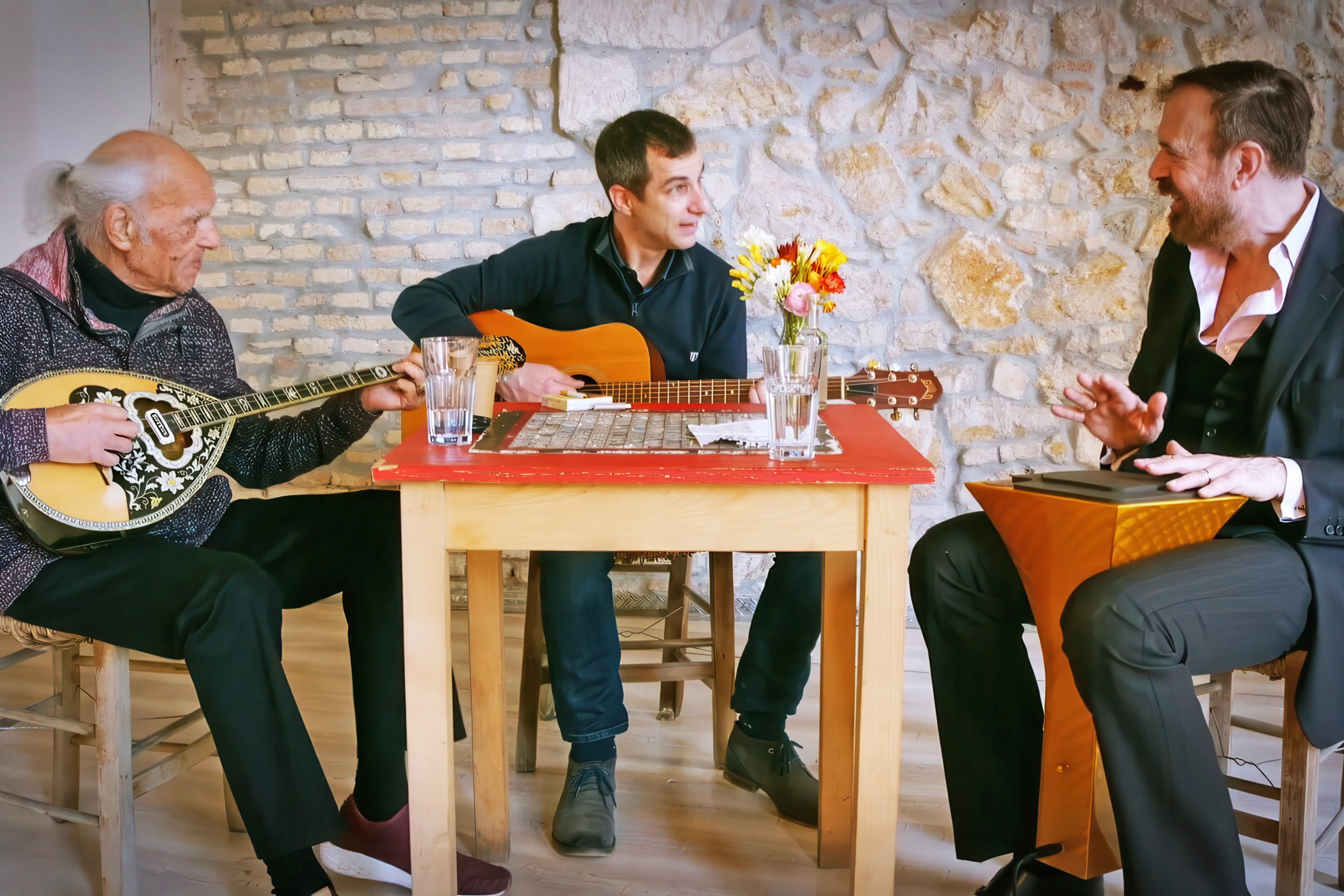
Cypriot traditional music is built around instruments designed to support the human voice rather than overpower it. The violin became the dominant lead instrument in the nineteenth century because it could closely mimic vocal expression, allowing melodies to flow with emotional nuance. The laouto, a long-necked lute, provides rhythm and harmonic structure, driving dances and songs without stealing attention.
Older instruments such as the pithkiavli, a simple shepherd’s flute, remind listeners that music once accompanied daily labour as much as celebration. Louder instruments like the zurna were reserved for outdoor festivals and weddings, where sound needed to travel across open spaces. Each instrument reflects the environments and social contexts in which the music was performed.
Music as Part of the Life Cycle
In Cyprus, traditional songs were never isolated performances. They were woven into the rhythm of life. Weddings unfolded over several days, with each phase accompanied by specific songs and rituals. Harvests were synchronised through shared melodies that coordinated labour and fostered solidarity. Religious festivals blended sacred chant with secular celebration, reflecting the intertwined nature of faith and community life.
Lullabies passed quietly from mothers to children, carrying cultural values, language, and emotional comfort. Songs marked transitions, from birth to marriage to mourning, helping communities navigate change. Music functioned as social glue, reinforcing identity and belonging, especially during periods of hardship or uncertainty.
Survival Through Adaptation, Not Preservation Alone
The greatest threat to traditional Cypriot songs was never change. It was silent. As village life transformed and oral transmission weakened, preservation efforts moved into archives, universities, and digital collections. Recordings, transcriptions, and academic research now protect what memory alone could not sustain.
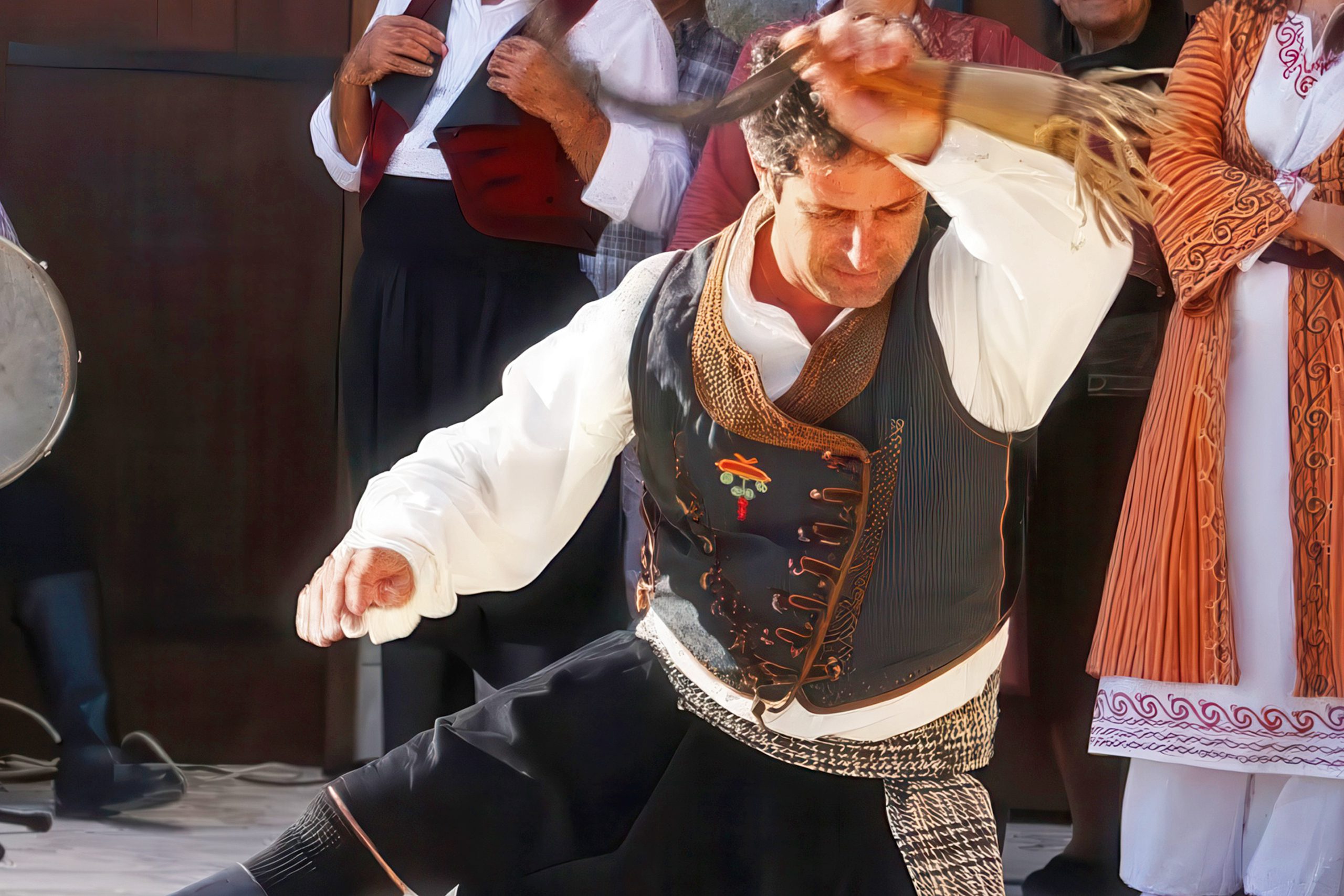
At the same time, modern musicians continue to reinterpret traditional melodies, blending them with contemporary genres and global influences. This is not a loss of authenticity, but a continuation of the tradition’s core principle: adaptation. The same flexibility that once allowed fones to carry new verses now allows old melodies to find new audiences.
Why These Songs Still Matter
Traditional songs of Cyprus matter because they tell history from the inside. They are not official records or polished narratives. They are emotional documents shaped by repetition, improvisation, and shared experience. Through them, listeners can hear how people navigated love, migration, work, celebration, and loss across centuries.
Listening to these songs today is not an act of nostalgia. It is an invitation to understand how a small island learned to carry many voices at once, and how music helped those voices coexist. In Cyprus, songs were never just entertainment. They were a way of staying connected to place, memory, and each other, ensuring that history was not only written, but sung.