The Troodos Mountains of Cyprus contain one of the most significant collections of medieval mural painting in the Eastern Mediterranean. Ten churches and monastic buildings, all listed as UNESCO World Heritage Sites, preserve a continuous tradition of wall painting that spans from the 11th to the 16th centuries.
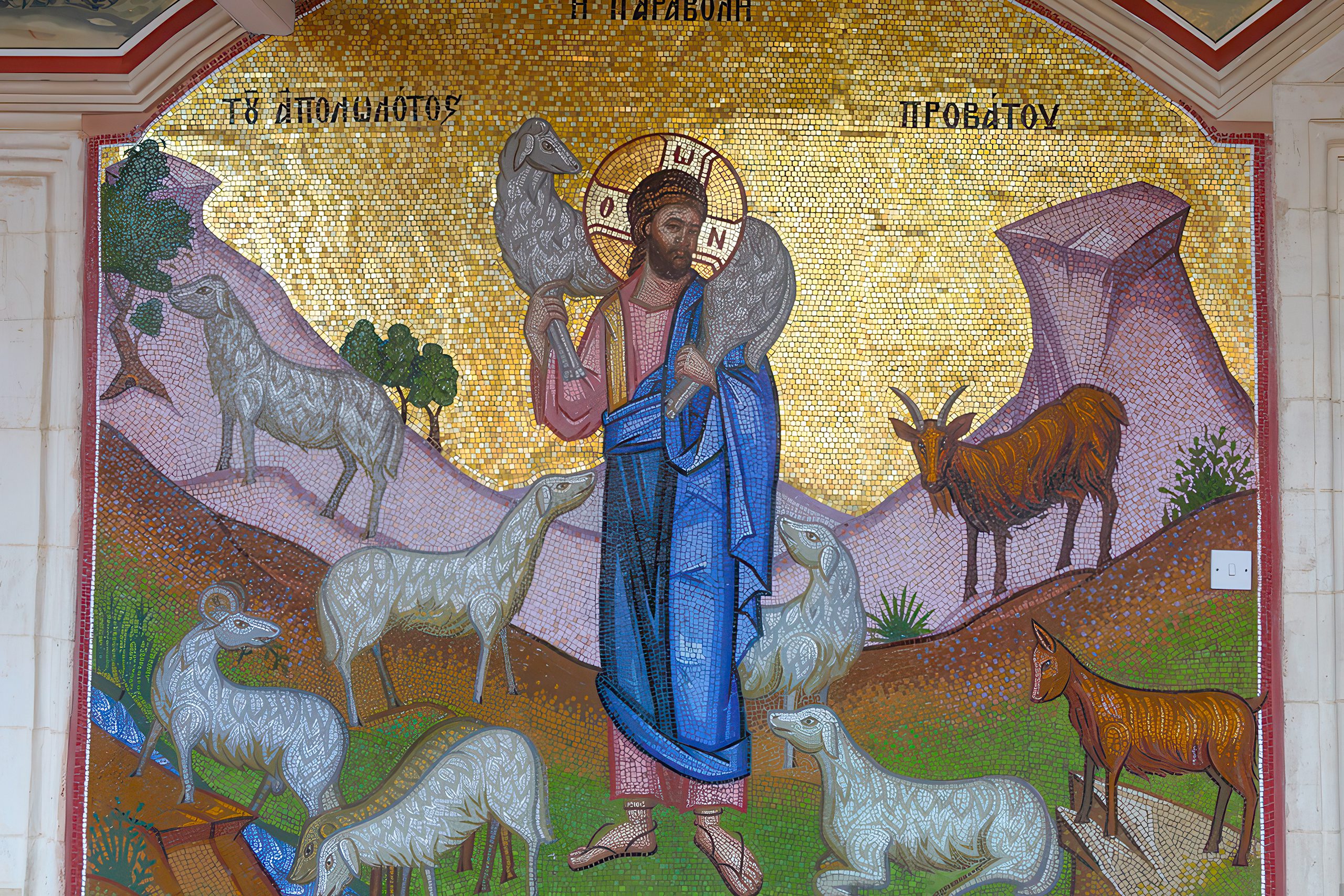
These mountain structures are valued not only for their artistic content but also for their exceptional state of preservation. Their remote location helped protect them from destruction during periods of coastal instability and repeated invasions in earlier centuries. In addition, the characteristic steep-pitched wooden roofs—added to many structures over time—helped shield interior wall surfaces from heavy snowfall and seasonal rainfall.
The result is a rare survival of complete interior decorative programs, where painted surfaces remain visible across domes, walls, and arches, offering insight into medieval visual culture in Cyprus.
Historical Background
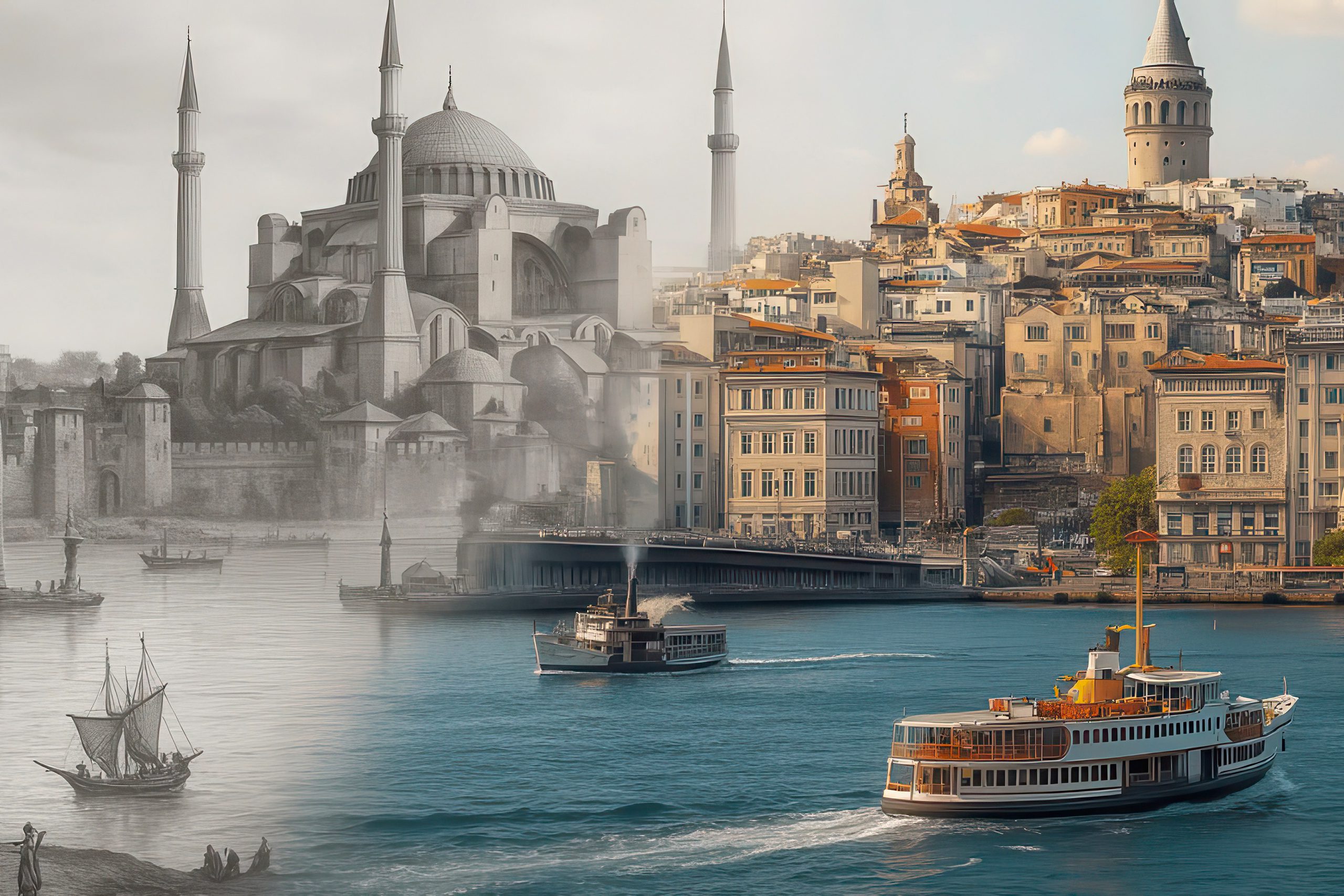
Cyprus became integrated into the Byzantine administrative and cultural sphere in the early medieval period, adopting artistic traditions that combined Greco-Roman visual heritage with evolving regional styles. Over time, local workshops developed a distinct mural painting tradition that reflected both imperial influences and island-based interpretations.
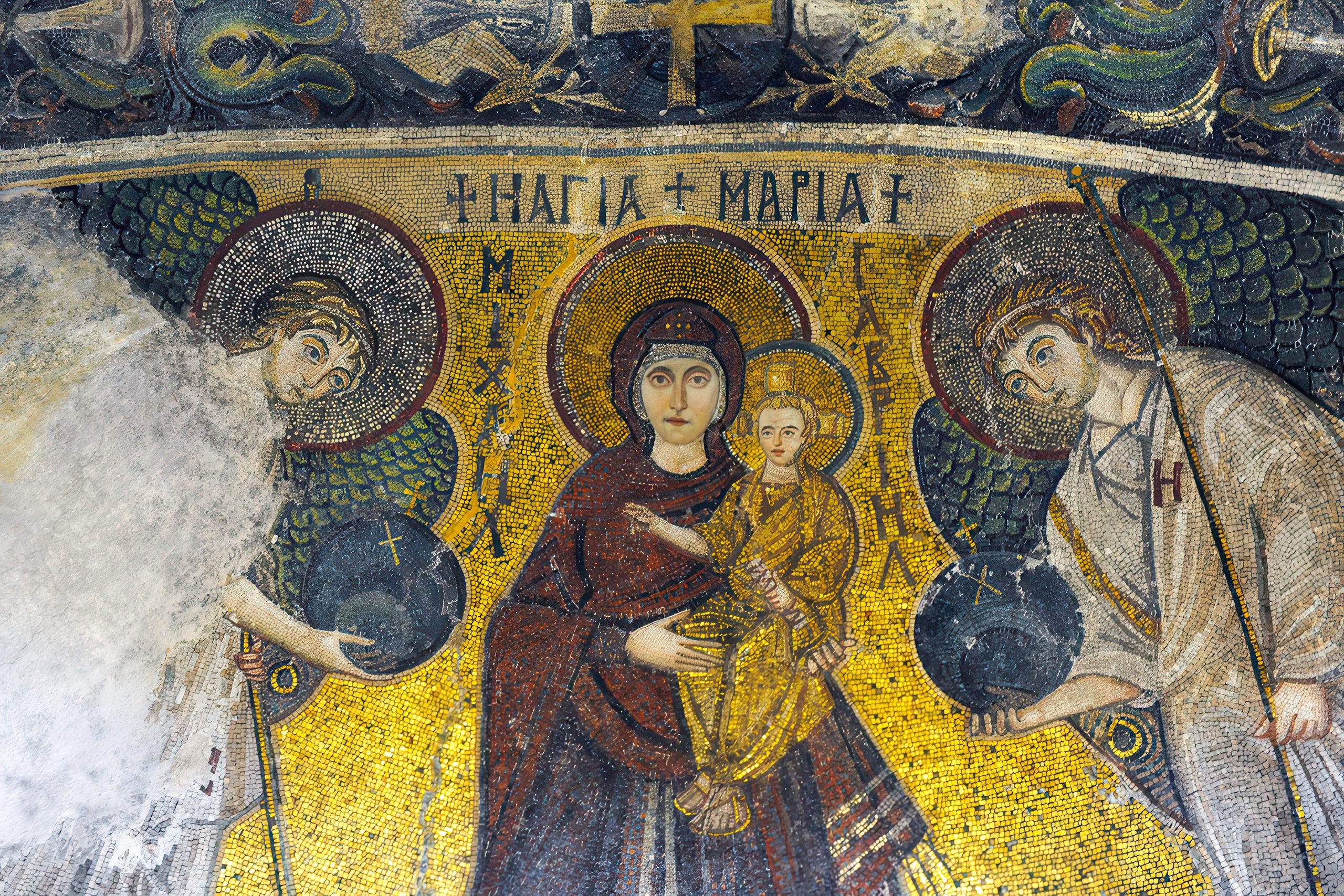
The earliest major phase of mural decoration in Cyprus dates broadly from the 4th to the 7th centuries. During this period, large basilica-style structures were constructed, often featuring painted or mosaic decoration in apsidal areas. One of the most notable surviving examples from this era is the mosaic at Panagia Angeloktisti near Larnaca, which reflects classical artistic techniques adapted into late antique religious imagery.
Between the 7th and 10th centuries, repeated coastal raids led to widespread destruction of many early artistic works across the island. In response, later construction increasingly shifted toward inland and mountainous regions, where structures were less exposed and more easily protected by terrain.
From the 11th century onward, a renewed phase of artistic production emerged, often referred to by historians as the Middle Byzantine period. This era is characterized by more structured compositions, balanced figure arrangements, and refined use of color and proportion. Wall painting became the dominant medium, replacing earlier mosaic traditions in most rural settings.
Following the 12th and 13th centuries, Cyprus experienced political transitions that reduced direct contact with major imperial centers. As a result, local artistic workshops developed more independent visual traditions. While external influences continued—particularly from Western Mediterranean artistic schools—many Cypriot painters preserved earlier compositional systems, allowing older stylistic elements to persist longer than in other regions.
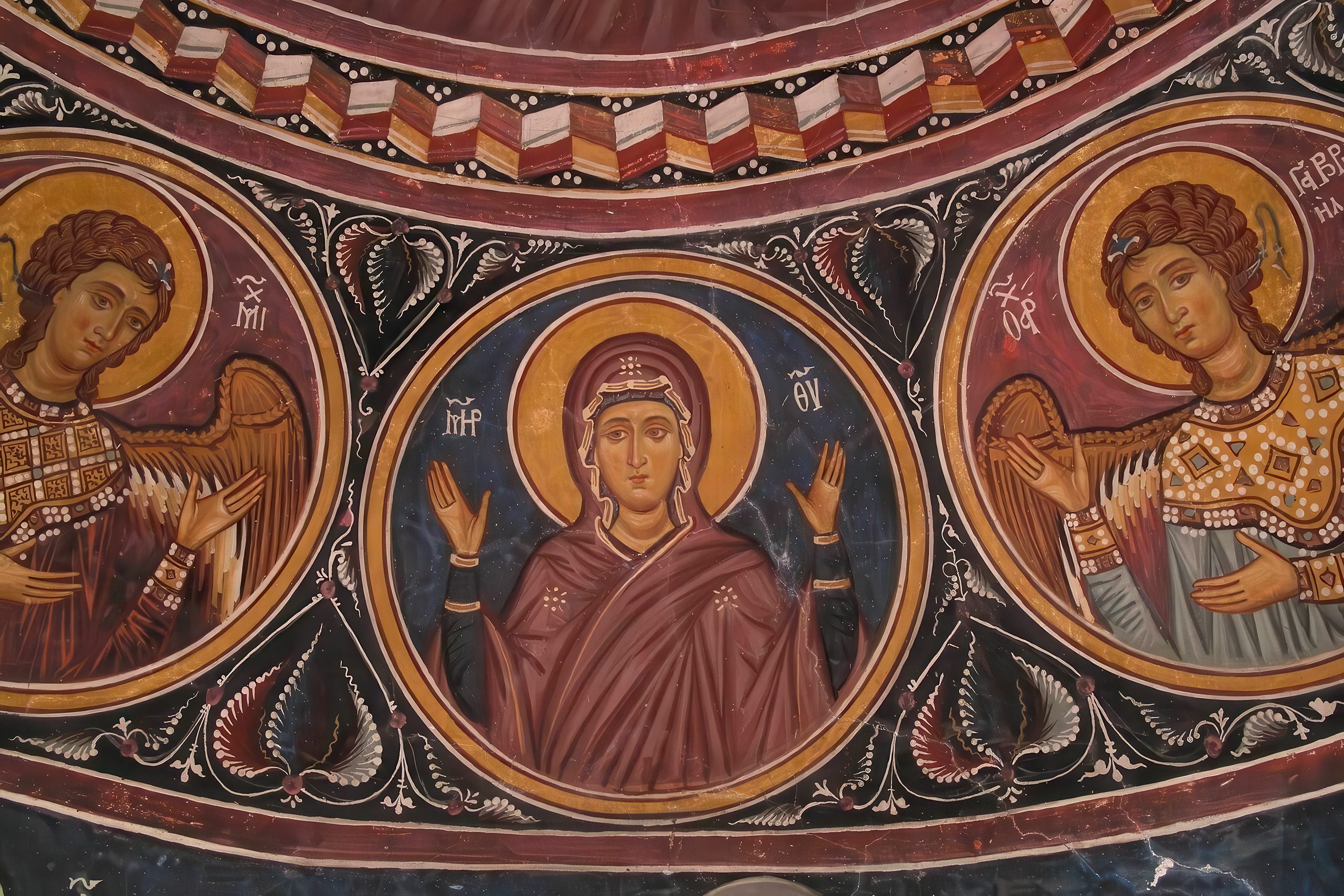
The UNESCO Churches of Troodos
Ten churches in the Troodos Mountains are collectively recognized as UNESCO World Heritage Sites due to their exceptional mural decoration and architectural adaptation to mountainous conditions.
Agios Nikolaos tis Stegis (Kakopetria)
This 11th-century structure is one of the earliest surviving examples of a fully painted interior in Cyprus. Its steep wooden roof, added above the original masonry structure, is a defining architectural feature designed to protect the building from snow and rain.
Panagia Phorviotissa (Asinou)
Located near Nikitari, this early 12th-century church contains one of the most complete surviving mural cycles in Cyprus. The interior preserves multiple layers of painting, documenting different phases of decoration over time.
Panagia tou Arakou (Lagoudera)
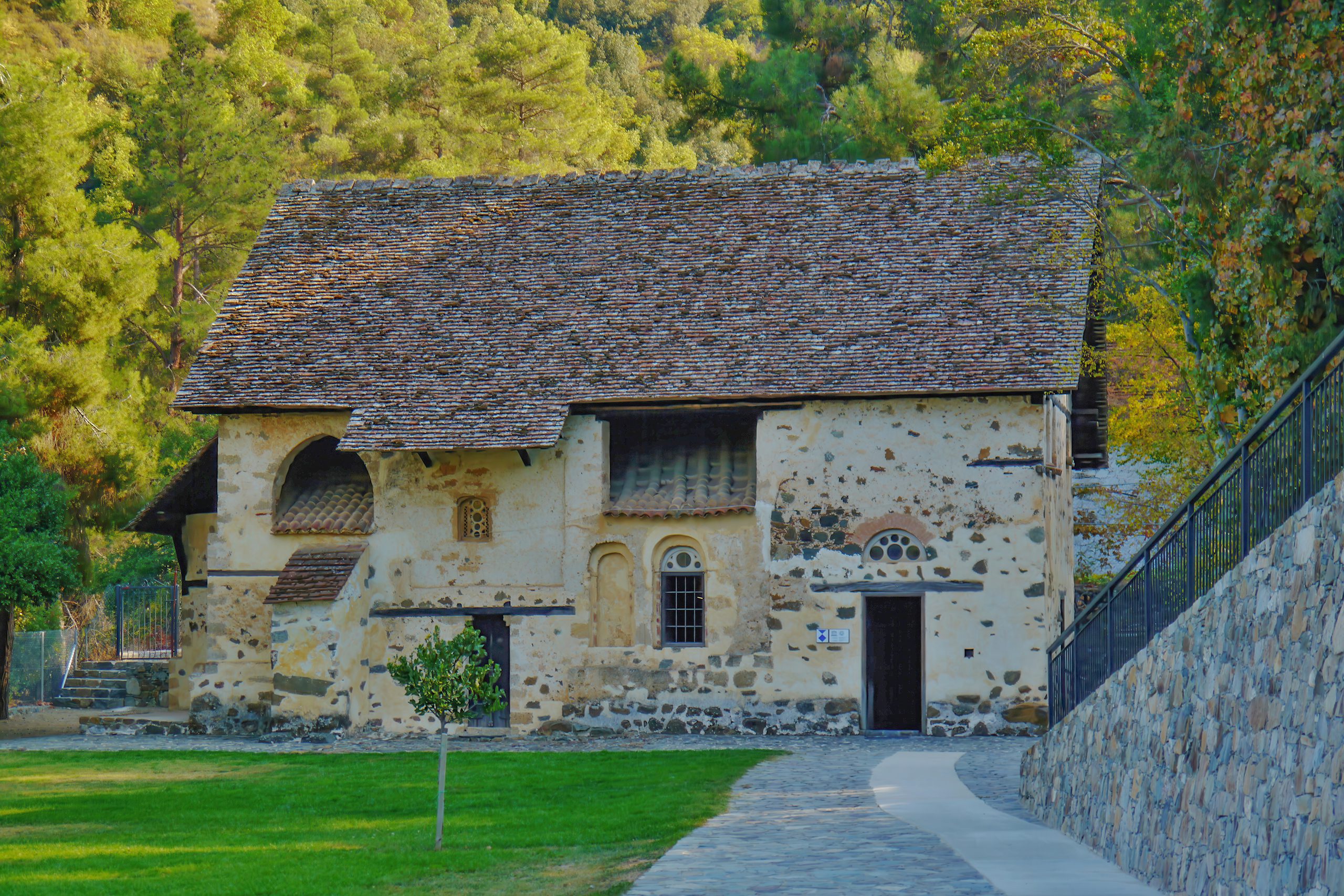
Dating to the late 12th century, this church is widely recognized for its extensive and well-preserved wall paintings. The interior presents a dense narrative program covering nearly all available surfaces.
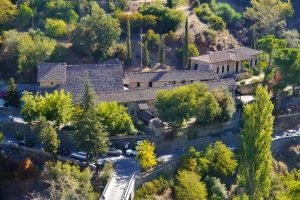
Agios Ioannis Lampadistis Monastery (Kalopanagiotis)
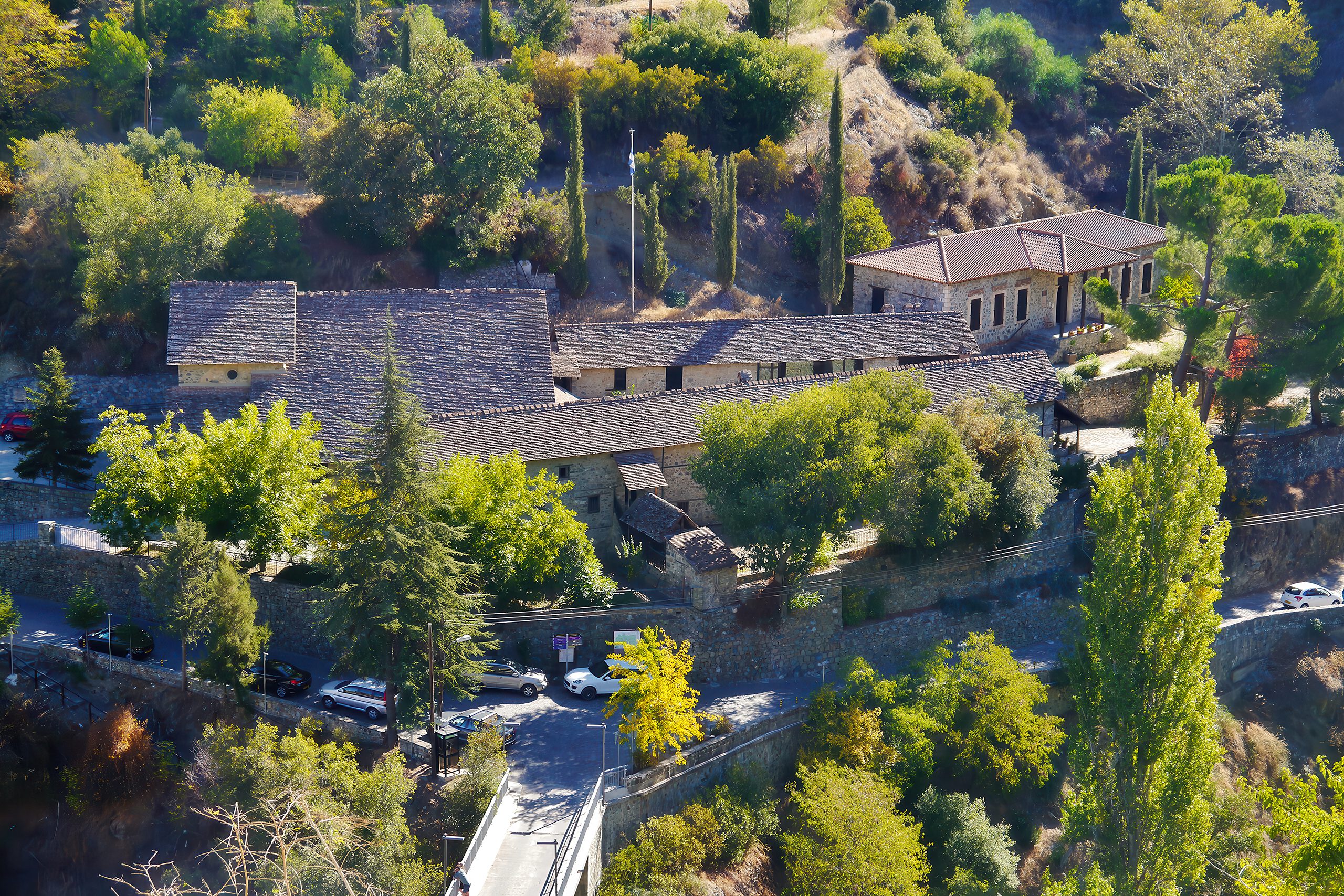
This monastic complex includes multiple interconnected chapels built over several centuries. Its interior decoration reflects a combination of local Cypriot and broader Mediterranean artistic influences, with layers of painting from different historical phases.
Panagia in Moutoullas
A 13th-century structure believed by many researchers to have initially served a private or small community function. It is also one of the earliest examples of the steep wooden roof system used to protect mountain churches.
Timios Stavros (Pelendri)
This structure contains multiple construction phases spanning several centuries. Its interior decoration reflects a long sequence of repainting and restoration, providing a chronological record of artistic development.
Timios Stavros tou Agiasmati (Platanistasa)
A 14th-century church with later mural layers that show both local Cypriot stylistic elements and external artistic influences.
Panagia Podithou (Galata)
Built in the early 16th century, this church reflects the continuation of established mural traditions even after major political changes in the Eastern Mediterranean.
Archangelos Michael (Pedoulas)
Constructed and decorated in the late 15th century, this building demonstrates the persistence of traditional iconographic systems alongside emerging regional styles.
Metamorfosis tou Soteros (Palaichori)
One of the later additions to the group, this 16th-century structure shows a synthesis of multiple artistic influences that had developed over centuries in Cyprus.
Experiencing the Churches Today
The painted churches are distributed across mountainous regions connected by narrow winding roads. They are typically grouped into three main routes: Solea, Marathasa, and Pitsilia.
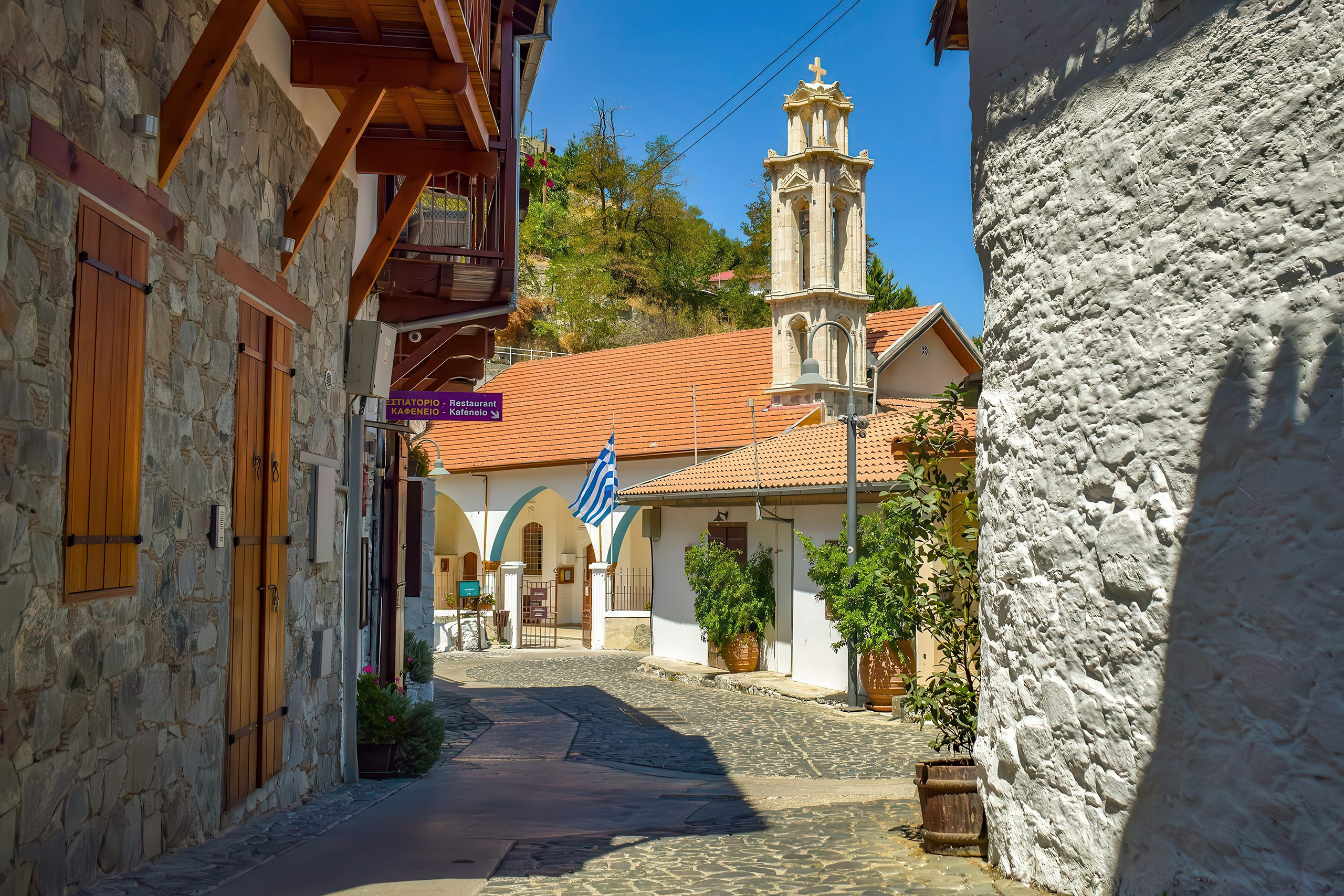
Most sites are small and intimate, often allowing only a limited number of visitors at a time. This scale creates a quiet environment where interior details can be observed without distraction.
Lighting conditions inside these buildings vary throughout the day due to small window openings, producing changing illumination effects on painted surfaces. Early morning and late afternoon visits often provide the most balanced natural lighting for viewing.
Because many sites have limited staffing, access may depend on local custodians who manage keys and entry. This contributes to a more controlled and preservation-focused visitor experience.
Why This Art Still Matters
The painted churches of the Troodos region represent one of the most complete surviving collections of medieval mural decoration in the Mediterranean. Their value lies in both artistic quality and historical continuity.
They document the development of regional painting traditions over several centuries, preserving techniques, styles, and visual systems that would otherwise be lost. At the same time, they reflect the cultural exchanges that shaped Cyprus as a crossroads between different civilizations and artistic schools.
Today, these sites serve as key references for the study of medieval art history and conservation practices, while also supporting local cultural tourism in mountain communities.