For much of Cyprus’s history, the challenge was never catching fish. It was keeping it. Long before ice, refrigeration, or fast transport, fresh fish could spoil within hours under the Mediterranean sun. To survive, coastal communities developed preservation methods that turned a fragile, short-lived food into something durable, transportable, and dependable. Salting, drying, and smoking were not culinary experiments. They were practical responses to climate, distance, and necessity, shaping how Cypriots ate, traded, and lived.
Understanding these techniques reveals more than food history. It shows how knowledge, cooperation, and environment came together to support life across the island.
- Why Preservation Was Essential
- Knowledge Shaped by Climate and Geography
- Salting: Reliability Above All Else
- Drying: Preserved by Sun and Wind
- Smoking: Preservation with Added Flavor
- Preservation as an Economic Tool
- Food Culture Shaped by Preservation
- Shared Labor and Collective Knowledge
- Signs, Smells, and Skill
- From Survival to Heritage
- Why These Techniques Still Matter
- Experiencing Preservation Traditions Today
- Why Preserving the Catch Still Matters
Why Preservation Was Essential
In pre-modern Cyprus, fresh fish was a luxury of proximity. Coastal villages could eat what they caught the same day, but many communities lived inland, often deliberately, to reduce exposure to piracy and coastal raids. Transporting fresh fish even a short distance was impossible without spoilage.
Preservation solved this problem. By removing moisture and controlling bacterial growth, fish could be stored for weeks or months. What arrived inland was no longer fragile. It was reliable nourishment. Preservation turned the sea into a food source for the entire island, not just those living beside it.
Knowledge Shaped by Climate and Geography
Cyprus’s climate strongly influenced how preservation developed. Hot summers accelerated spoilage, but steady sunlight, dry air, and coastal winds created ideal conditions for curing fish naturally. These same conditions would have ruined fresh fish, yet they became allies once people learned how to use them.
Distance also mattered. Many inland settlements lay several days’ travel from the coast. Preserved fish could endure long journeys by donkey or cart, making trade possible without urgency. Geography did not just encourage preservation. It demanded it.
Salting: Reliability Above All Else
Salting was the most dependable and widely used preservation method. The process was simple but precise. Fish were cleaned, gutted, and often split open, then layered with coarse sea salt. Salt drew moisture from the flesh, creating conditions hostile to bacteria.
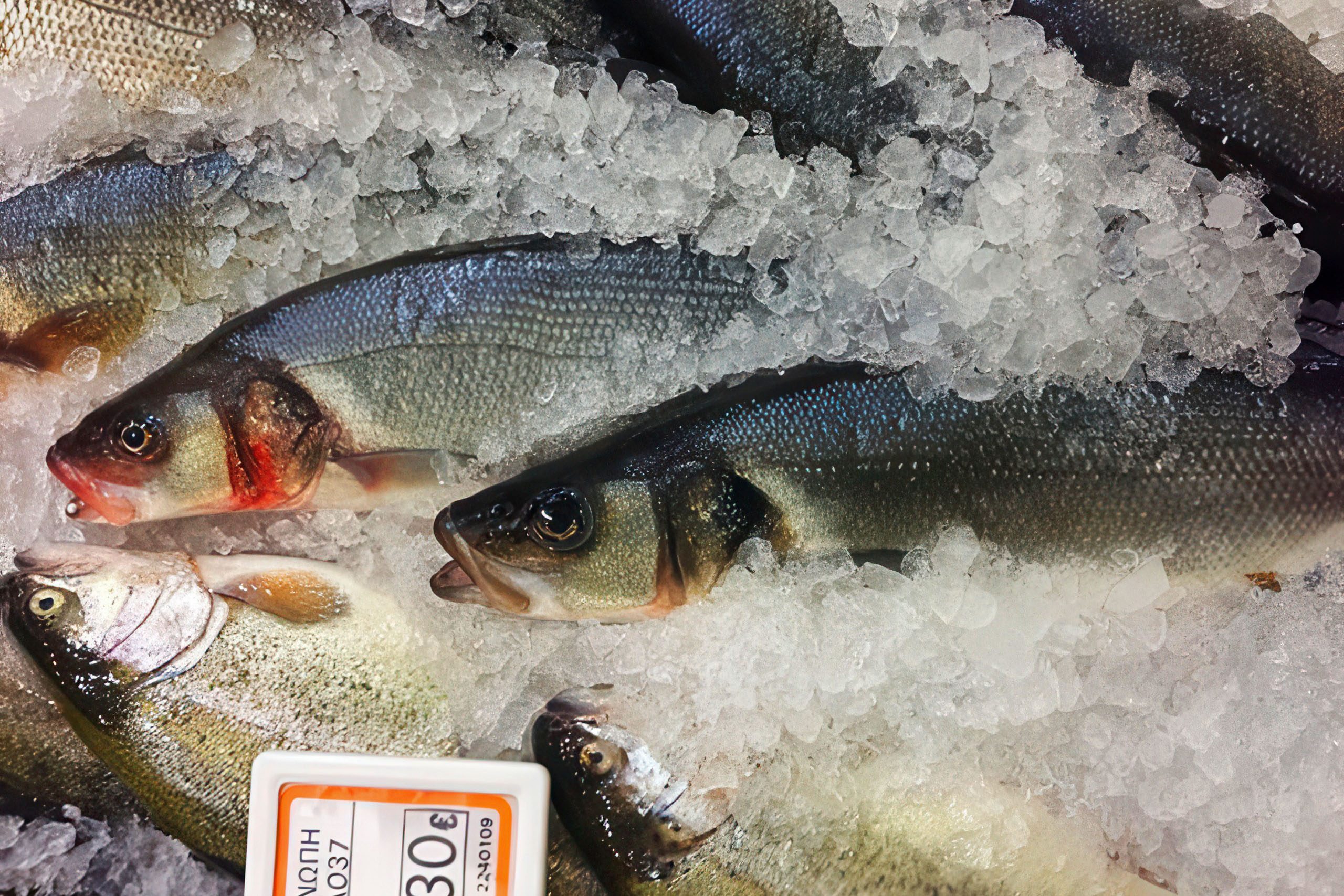
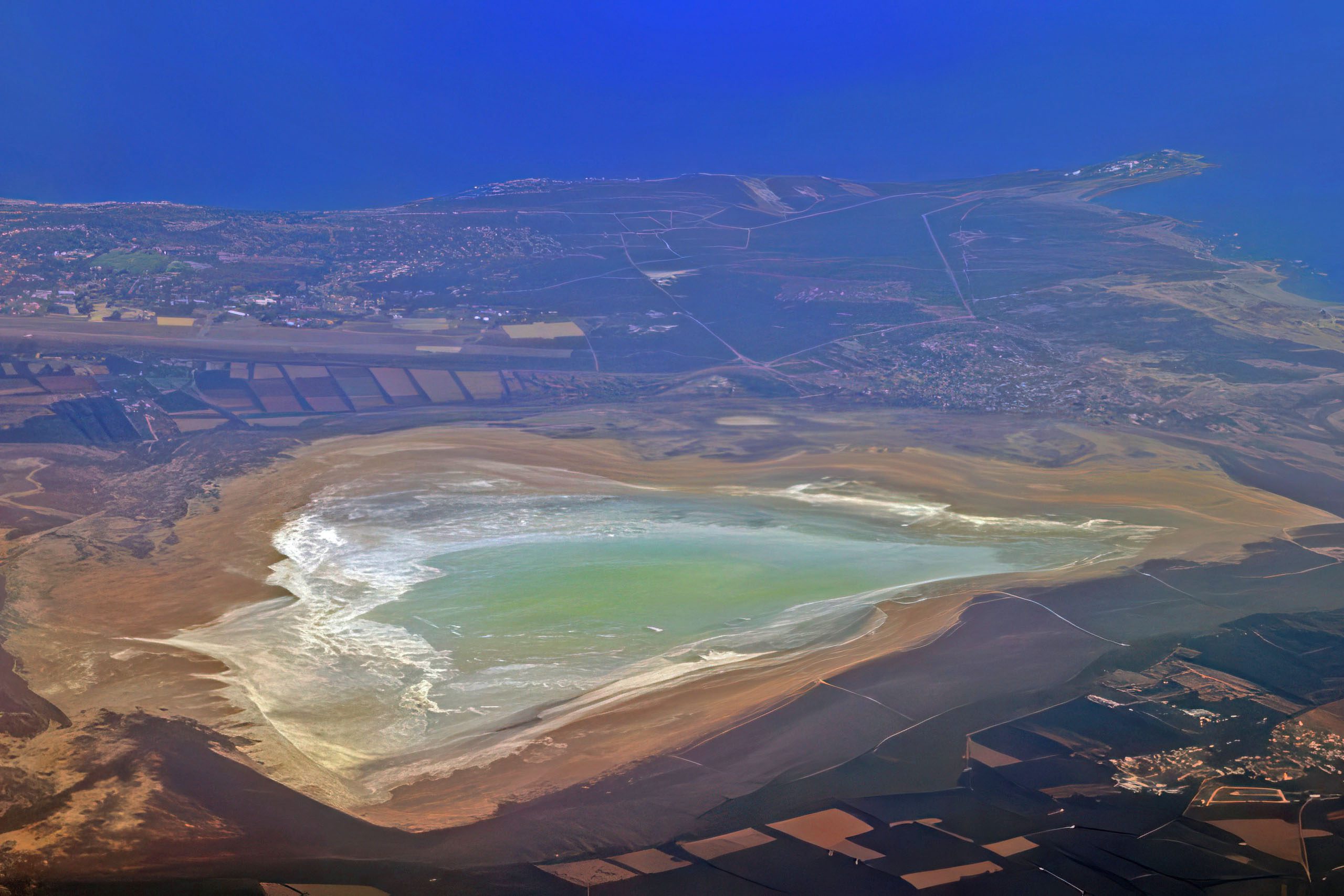
Cyprus benefited from local salt sources, particularly the salt lakes near Larnaca and Limassol, which supplied abundant coarse salt. Firm-fleshed species such as mullet, picarel, and eel were especially suited to this method. Once cured, fish were stored in wooden barrels, clay vessels, or tightly wrapped bundles.
Properly salted fish could last many months. Before cooking, it was soaked to reduce saltiness, then prepared simply. The result was dense, savory, and deeply nourishing food that could sustain families long after fishing seasons ended.
Drying: Preserved by Sun and Wind
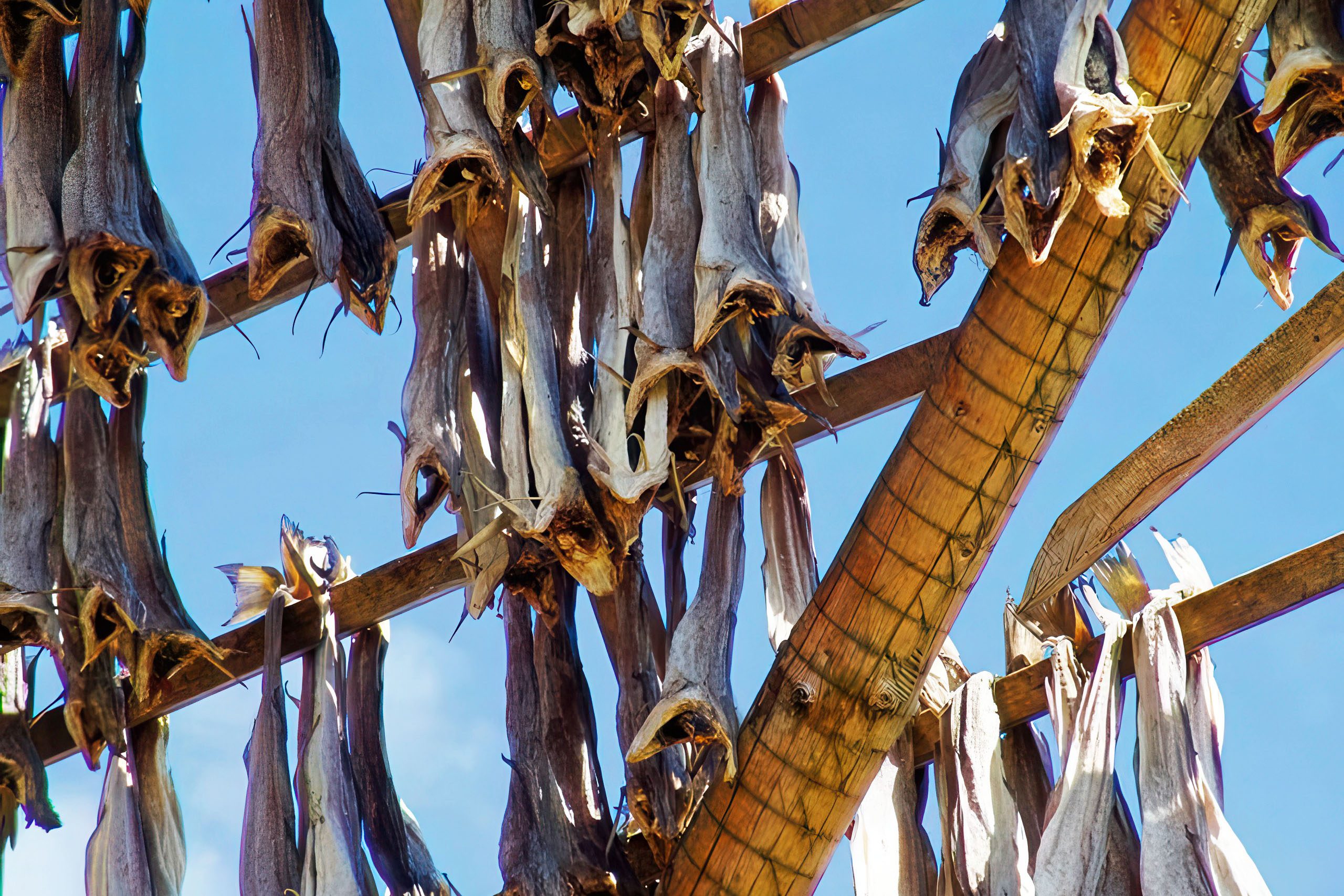
Drying relied on the elements rather than additives. Fish were split and laid out on racks, rooftops, or lines in courtyards, where sun and wind slowly removed moisture. This method worked best in summer, when dry weather reduced the risk of spoilage.
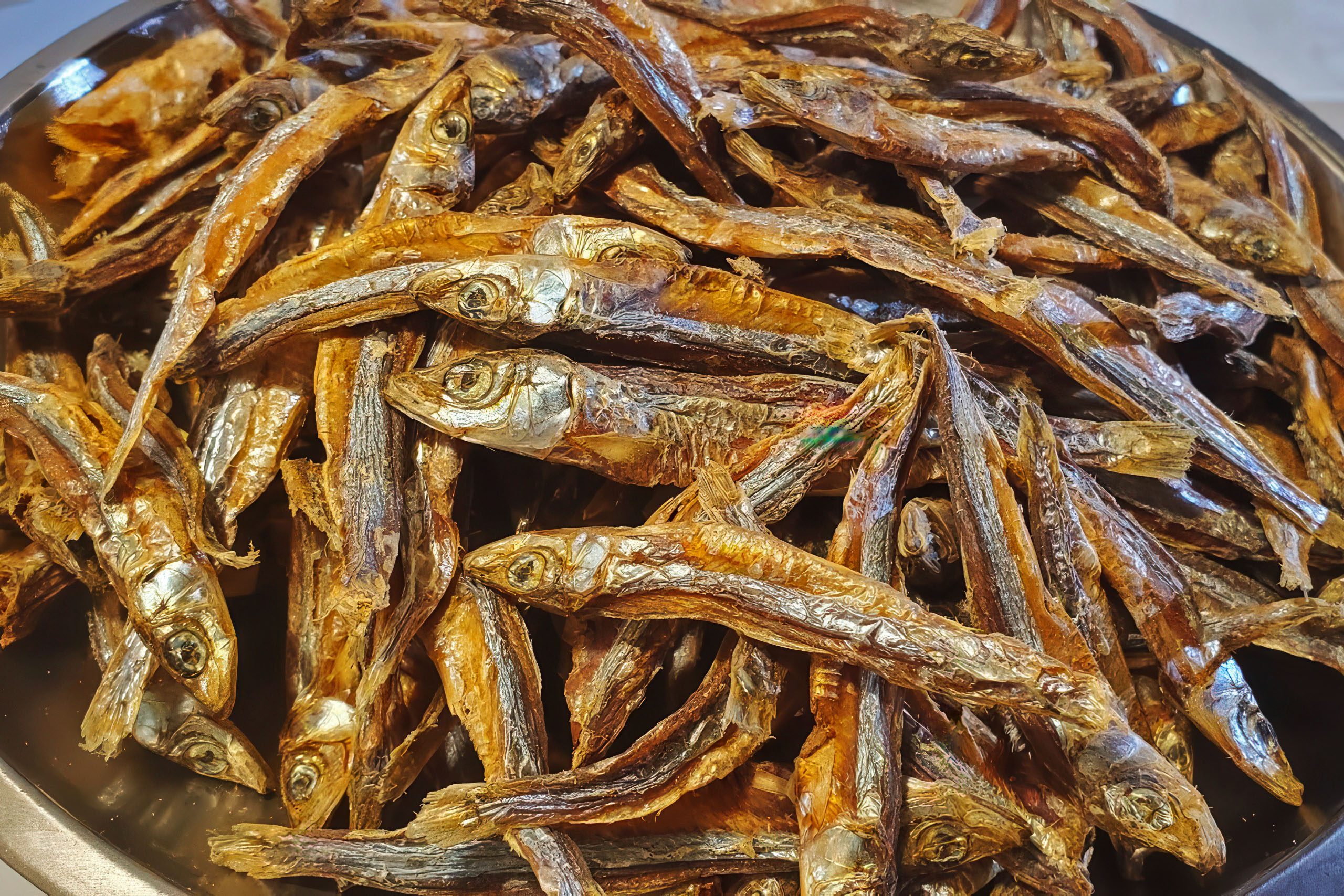
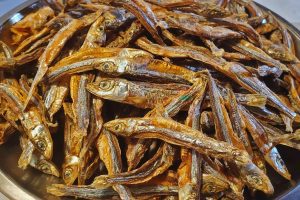
Small, lean fish such as sardines were particularly suitable. Once dried, fish became light, stiff, and easy to transport. Though less immediately palatable than fresh fish, dried fish retained nutritional value and could be rehydrated or cooked slowly when needed.
Drying required attention. Fish had to be protected from insects and sudden humidity. Success depended on timing, weather awareness, and experience rather than equipment.
Smoking: Preservation with Added Flavor
Smoking was less common than salting or drying, largely because fuel was precious. Wood was needed for cooking, pottery, and metalwork, leaving limited supply for smoking food. As a result, smoking was often used sparingly or combined with other methods.
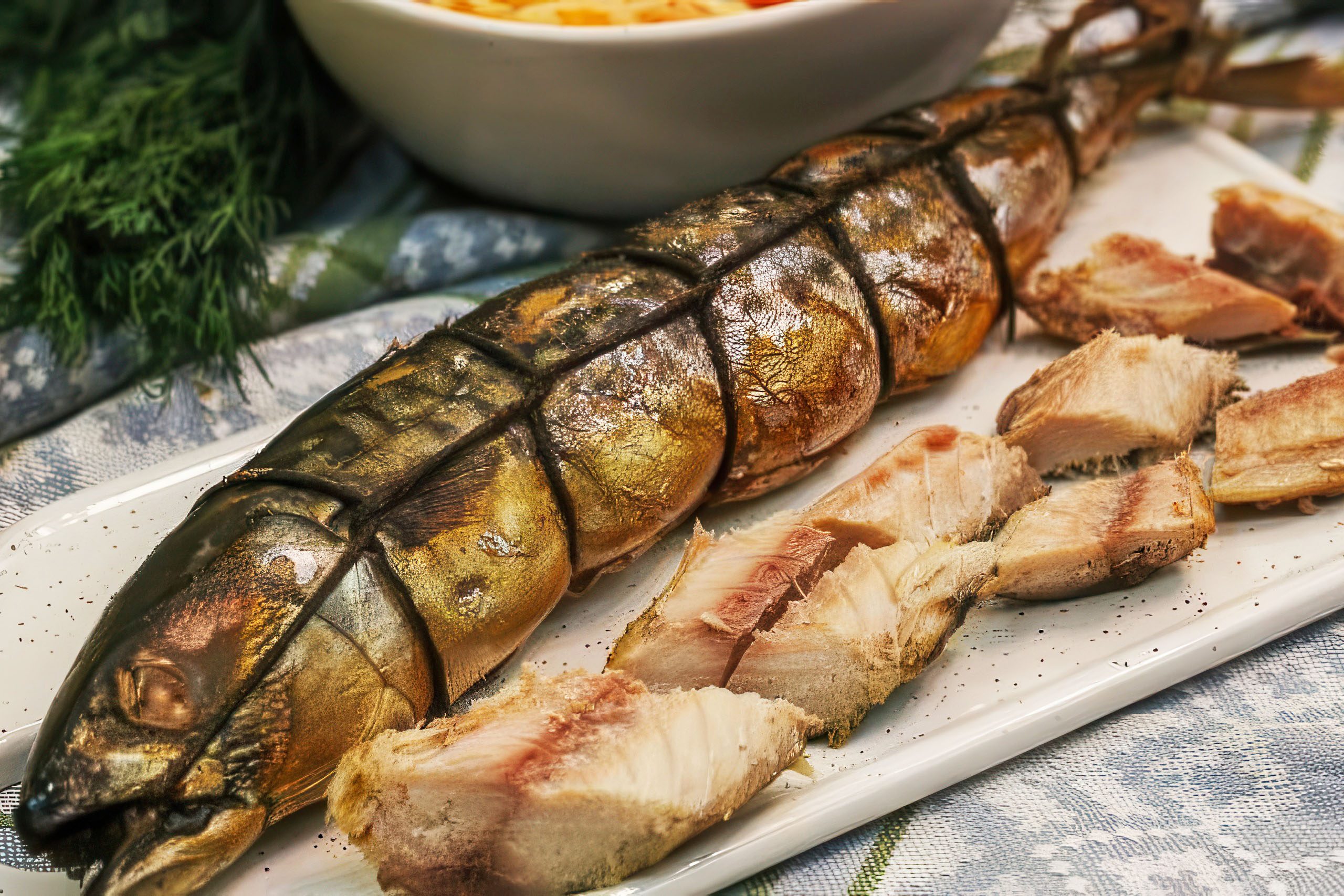
Fish were exposed to smoke from burning wood, herbs, or plant matter in hearths or enclosed spaces. Light smoking extended freshness briefly and added flavor, while heavier smoking introduced compounds that slowed spoilage more effectively.
In Cyprus, smoking was rarely a standalone solution. It complemented salting or drying, enhancing taste while contributing modestly to preservation.
Preservation as an Economic Tool
Preserved fish reshaped Cyprus’s internal economy. Coastal communities traded salted and dried fish with inland villages in exchange for grains, olives, wine, and other staples. These exchanges created stable commercial routes that linked sea and countryside.
During Ottoman times, preserved fish appeared in tax records and market regulations, reflecting its economic value. What could not be sold fresh became tradable, predictable, and valuable. Preservation transformed fishing from a daily activity into an island-wide supply system.
Food Culture Shaped by Preservation
Preserved fish influenced how Cypriots cooked and ate. Strong flavors became familiar rather than unusual. Salted and dried fish were soaked, simmered, or combined with simple ingredients such as legumes, greens, and bread.
Religious practice reinforced their importance. With many fasting days throughout the Orthodox calendar, preserved fish became a primary protein source when meat was forbidden. These foods were not occasional substitutes. They were essential components of everyday meals.
Cuisine followed necessity rather than indulgence, valuing nourishment over complexity.
Shared Labor and Collective Knowledge
Preservation was rarely done alone. When catches were large, families and neighbors worked together. Women often handled cleaning, salting, and drying, while men managed fishing and transport. Drying racks and smoking spaces were sometimes shared, and knowledge passed through demonstration rather than instruction.
Nothing was wasted. Trimmings became bait or animal feed. Excess was shared. Preservation reinforced community bonds by turning seasonal abundance into shared security.
Signs, Smells, and Skill
Without thermometers or timers, fishers relied on sensory judgment. Texture mattered. Smell mattered. A white salt crust signaled proper curing. Firmness indicated readiness. These cues were learned through repetition and memory.
Mistakes were costly. Spoiled fish meant lost labor and lost food. Skill developed not through theory, but through careful attention to detail.
From Survival to Heritage
The spread of refrigeration in the mid-20th century reduced dependence on traditional preservation. Fresh fish became available year-round, and salting or drying shifted from necessity to choice. Smoking survived mainly as a flavoring technique rather than a preservation strategy.
Yet these methods did not disappear. In rural areas and family kitchens, they continued as expressions of identity and continuity. What was once essential became meaningful.
Why These Techniques Still Matter
Today, salting, drying, and smoking fish represent knowledge shaped by environment rather than convenience. They remind us how people adapted intelligently to limits, using time, cooperation, and patience instead of technology.
Preserved fish appears in festivals, traditional meals, and educational settings, not because it is required, but because it connects present life to past wisdom.
Experiencing Preservation Traditions Today
Visitors may still encounter sun-dried sardines or lightly salted fish served alongside fresh catch in coastal villages. Local markets sometimes display traditionally cured fish, identifiable by texture rather than packaging.
The experience is understated. It ties taste to climate, history, and shared effort.
Why Preserving the Catch Still Matters
Salting, drying, and smoking fish tell a broader story about Cyprus. They show how communities responded thoughtfully to scarcity and distance, creating systems that fed families, supported trade, and shaped culture.
Understanding these techniques offers more than culinary insight. It reveals a way of living rooted in respect for resources and awareness of limits. In this quiet relationship between sea, sun, and time, preservation became not just a method, but a foundation of Cypriot life.