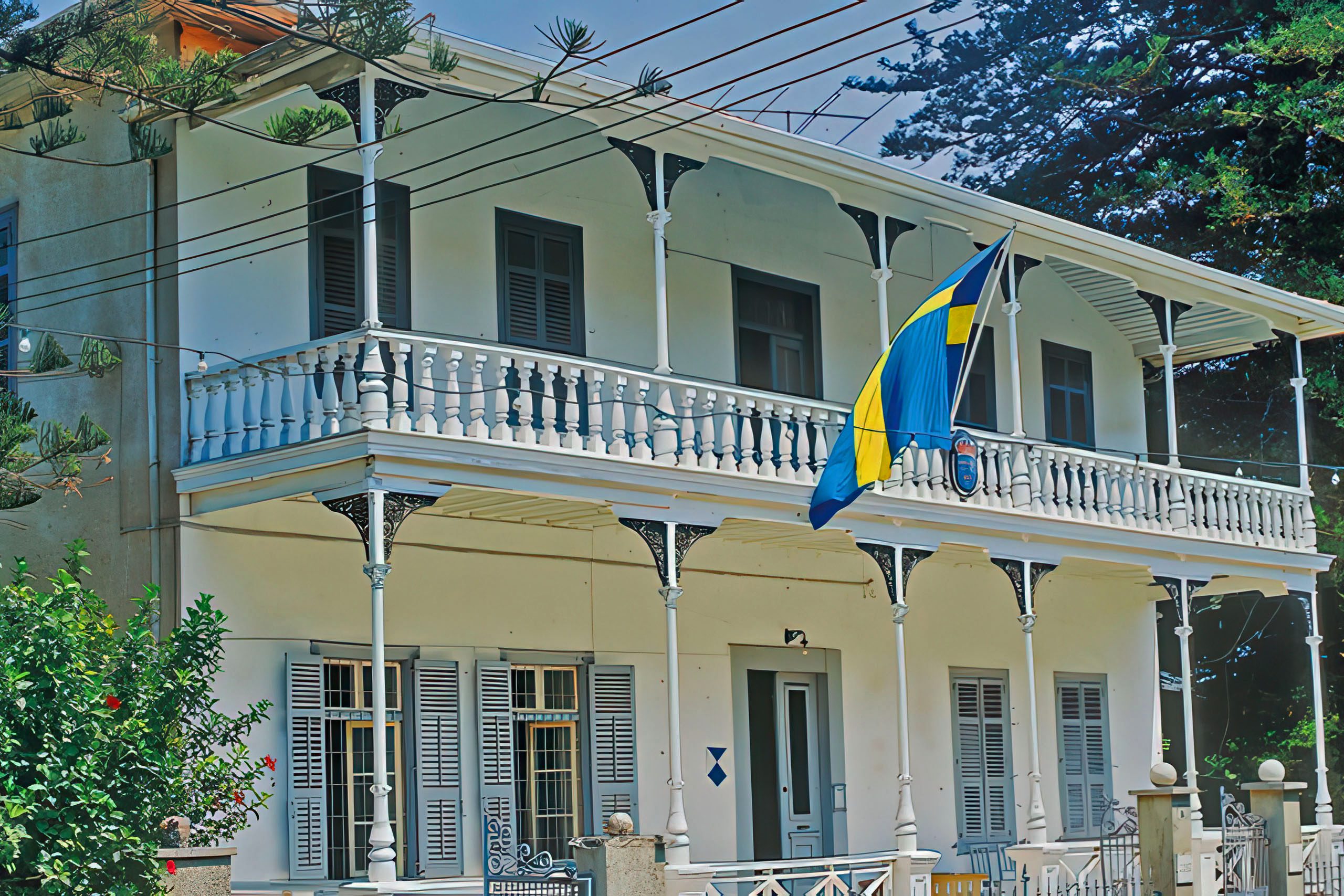
The Pierides Museum is the oldest private museum in Cyprus, housed in the ancestral home of the Pierides family in central Larnaca. This colonial-style mansion contains approximately 2,500 artifacts that document 9,000 years of Cypriot history, from the Neolithic period through the medieval era. The collection was assembled over five generations and represents one of the most important private archaeological holdings in the Eastern Mediterranean.
- Historical Background
- The Colonial Mansion Setting
- Hall 1: Prehistoric Periods
- Hall 2: Classical and Roman Antiquities
- Hall 3: Historical Maps and Charts
- Halls 4 and 5: Glass and Medieval Ceramics
- Special Features for Visitors
- Visiting the Museum
- Significance in the Cyprus Museum Landscape
- Preservation and Conservation
- The Museum Today
Historical Background
The museum’s history began in 1839 when Demetrios Pierides started collecting Cypriot antiquities. Born in 1811, Pierides witnessed the widespread looting and export of Cyprus’s archaeological heritage during the early 19th century. Foreign collectors and archaeologists routinely removed artifacts from the island, shipping them to museums in London, Paris, and other European capitals. Pierides believed that Cyprus’s cultural heritage should remain on the island, and he dedicated his life to acquiring and preserving objects that might otherwise be lost.
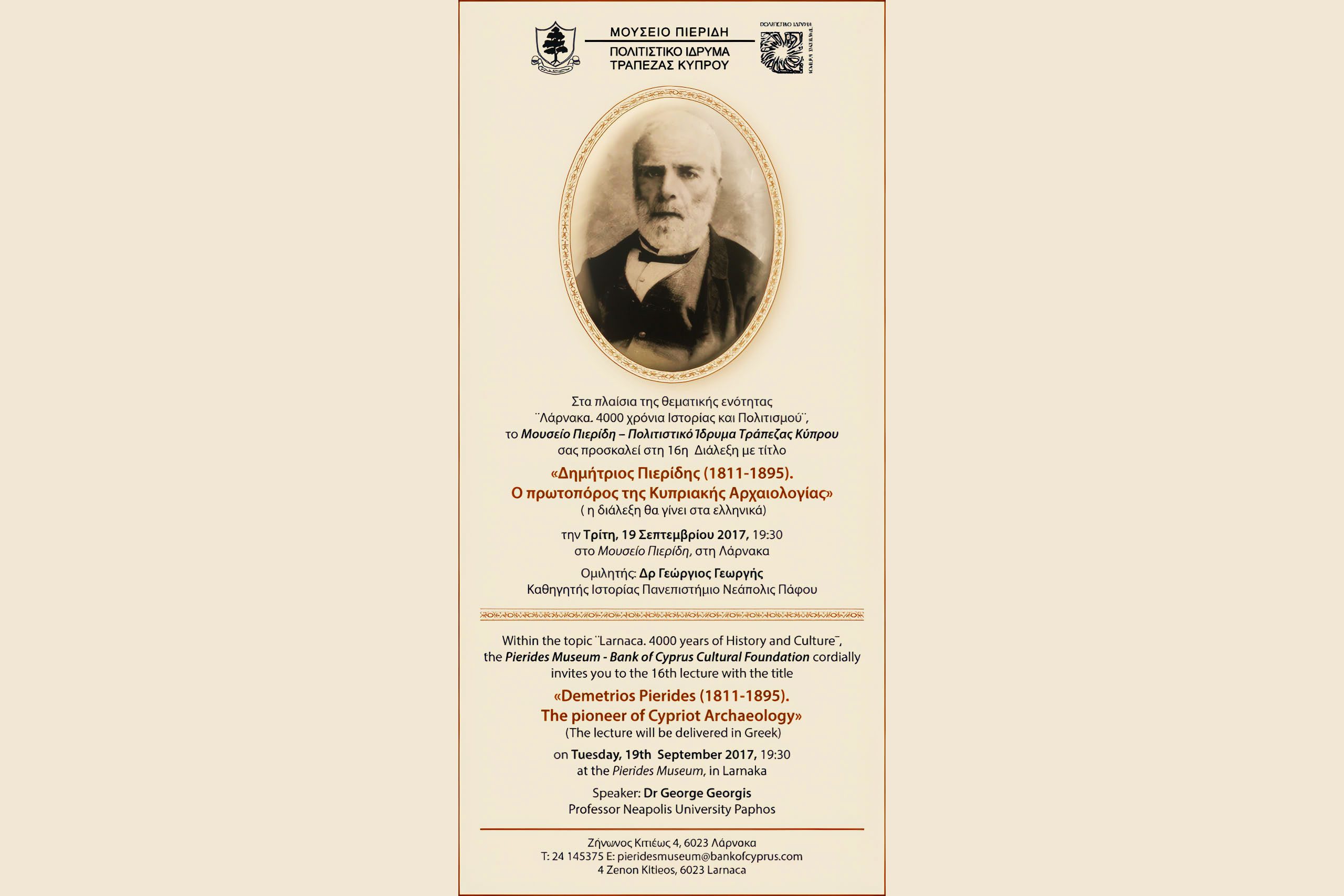
Demetrios Pierides came from a prominent Larnaca family with roots in the local merchant class. His position gave him access to antiquities discovered during agricultural work, construction projects, and tomb robberies. He purchased items directly from farmers and workmen, built relationships with other collectors, and sometimes conducted his own excavations at known archaeological sites. By his death in 1895, he had assembled a substantial collection covering most periods of Cypriot history.
The family continued his work through five generations. Each generation added new pieces, maintained the collection’s organization, and ensured its preservation. The Pierides family recognized that their private collection served a public purpose, and they eventually opened it to scholars and visitors. In the late 20th century, the collection became formally associated with the Bank of Cyprus Cultural Foundation, which provided funding for conservation and public access while the Pierides Foundation retained ownership.
The Colonial Mansion Setting
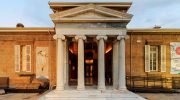
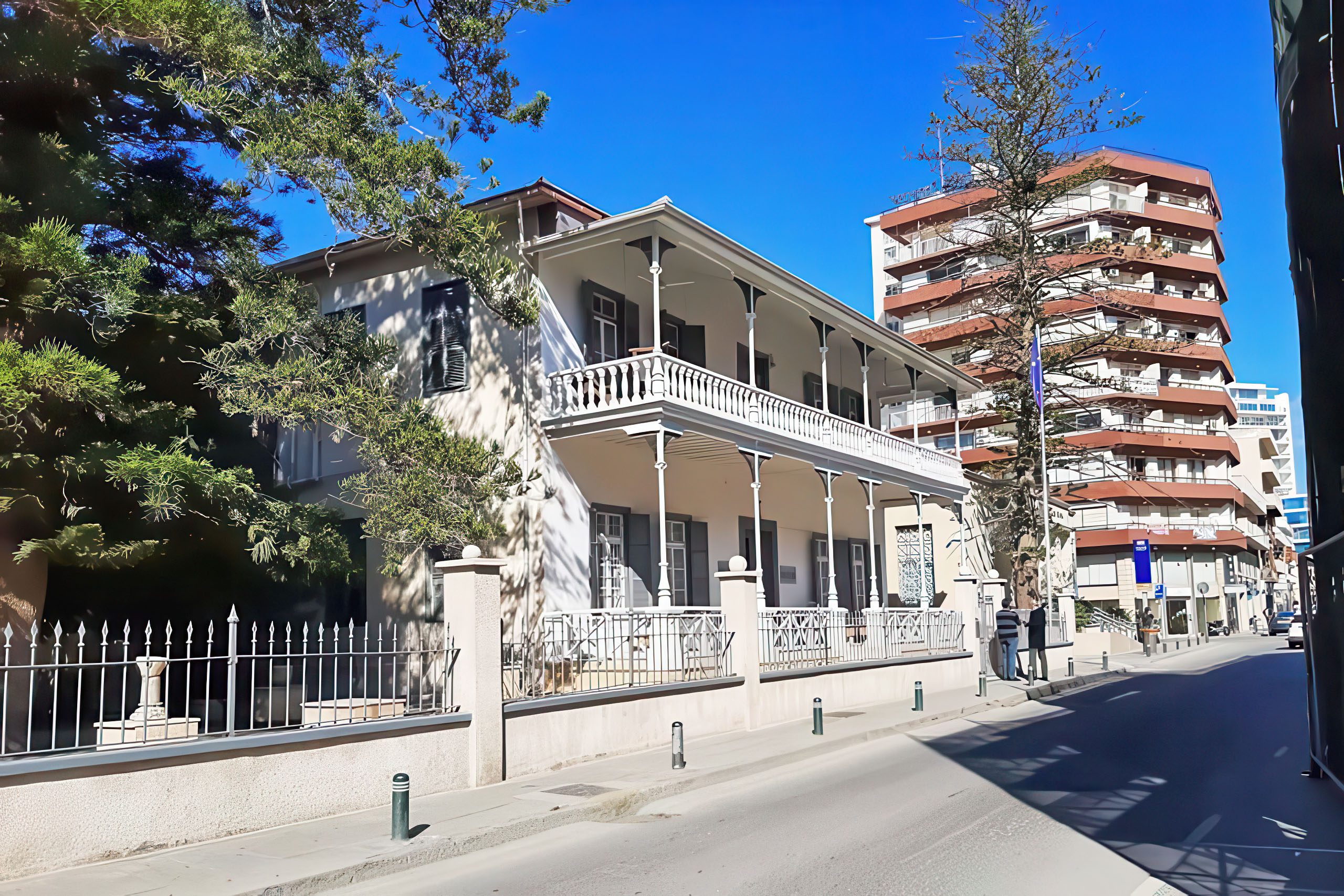
The museum occupies the Pierides family residence, built in 1815 on Zinonos Kitieos Street in the heart of Larnaca. The building represents colonial-era architecture with thick stone walls, high ceilings, wooden balconies, and large windows designed to provide ventilation in the Mediterranean climate. The structure has been carefully maintained over two centuries and retains its original character.
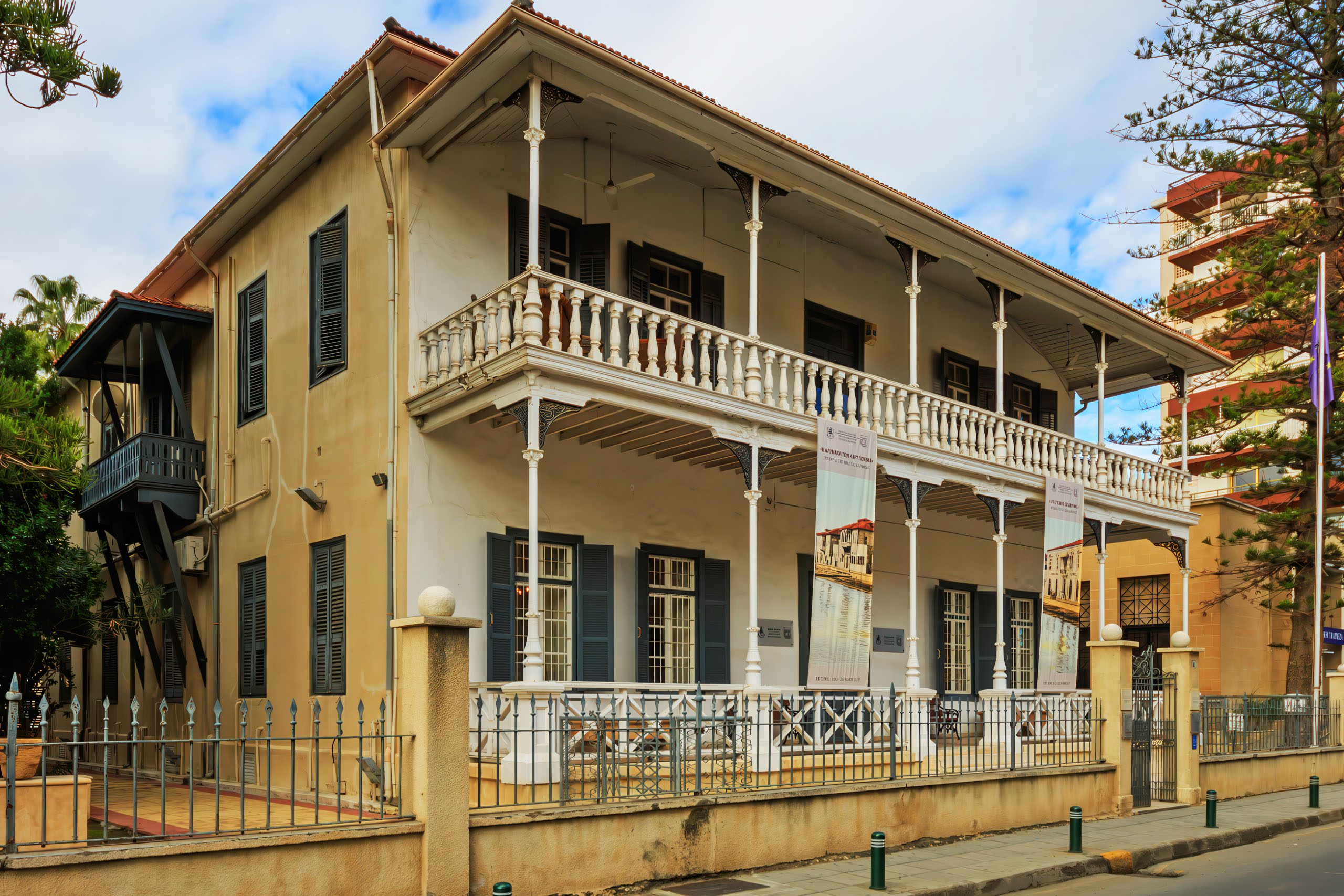
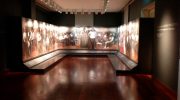
The mansion’s rooms now serve as exhibition galleries. Each space has been adapted to display artifacts while preserving the domestic atmosphere of a family home. Original architectural features, including carved woodwork, decorative plasterwork, and antique furniture, create a setting quite different from purpose-built museum buildings. This intimate environment allows visitors to experience the collection as the Pierides family might have viewed it in their own residence.
A courtyard with a display case of modern Greek and Cypriot sculptures provides an outdoor exhibition space. The garden offers a quiet area where visitors can rest and reflect on what they have seen. The combination of indoor galleries and outdoor spaces creates variety in the museum experience.
Hall 1: Prehistoric Periods
The first exhibition hall covers Cyprus’s earliest inhabitants from approximately 7000 BC to 475 BC. This spans the Neolithic, Chalcolithic, and Bronze Age periods when Cyprus developed its distinctive prehistoric cultures. The hall contains pottery, stone tools, figurines, and other objects that reveal how people lived during these formative millennia.
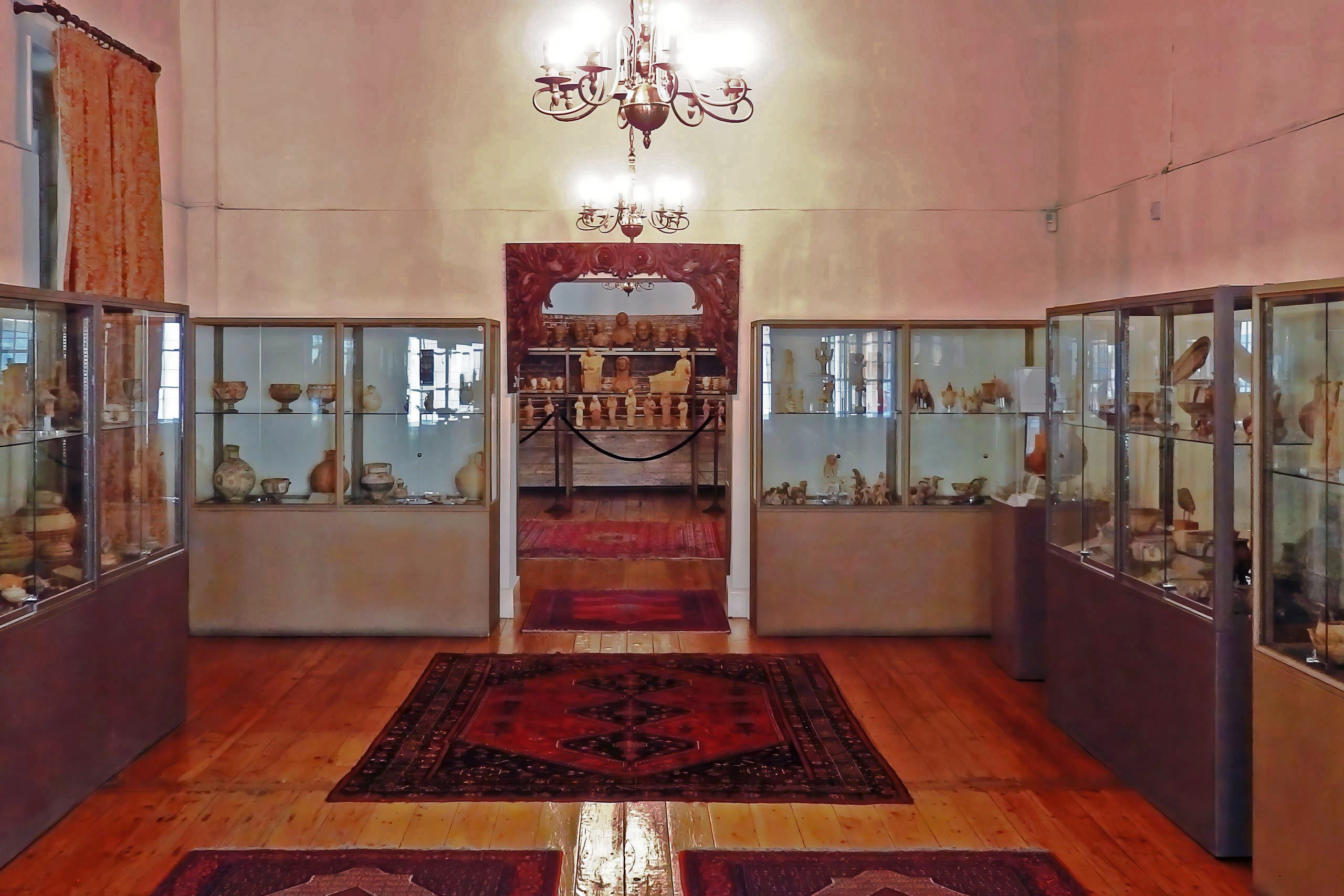
The most celebrated items in this hall are Red Polished Ware vessels from the Early Bronze Age, around 2300 to 1900 BC. This distinctive pottery type features burnished red surfaces created by polishing clay before firing. Cypriot potters developed sophisticated techniques for achieving consistent color and luster. The vessels range from simple bowls to elaborate forms with multiple handles, spouts, and decorative elements.
Hall 2: Classical and Roman Antiquities
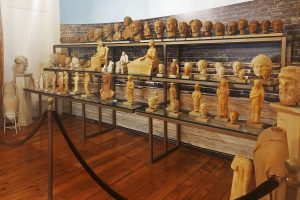
The second hall displays objects from the Archaic through Roman periods, approximately 750 BC to 395 AD. During these centuries, Cyprus experienced Greek colonization, Persian rule, conquest by Alexander the Great, Ptolemaic Egyptian control, and finally incorporation into the Roman Empire. The artifacts reflect these changing political circumstances and cultural influences.
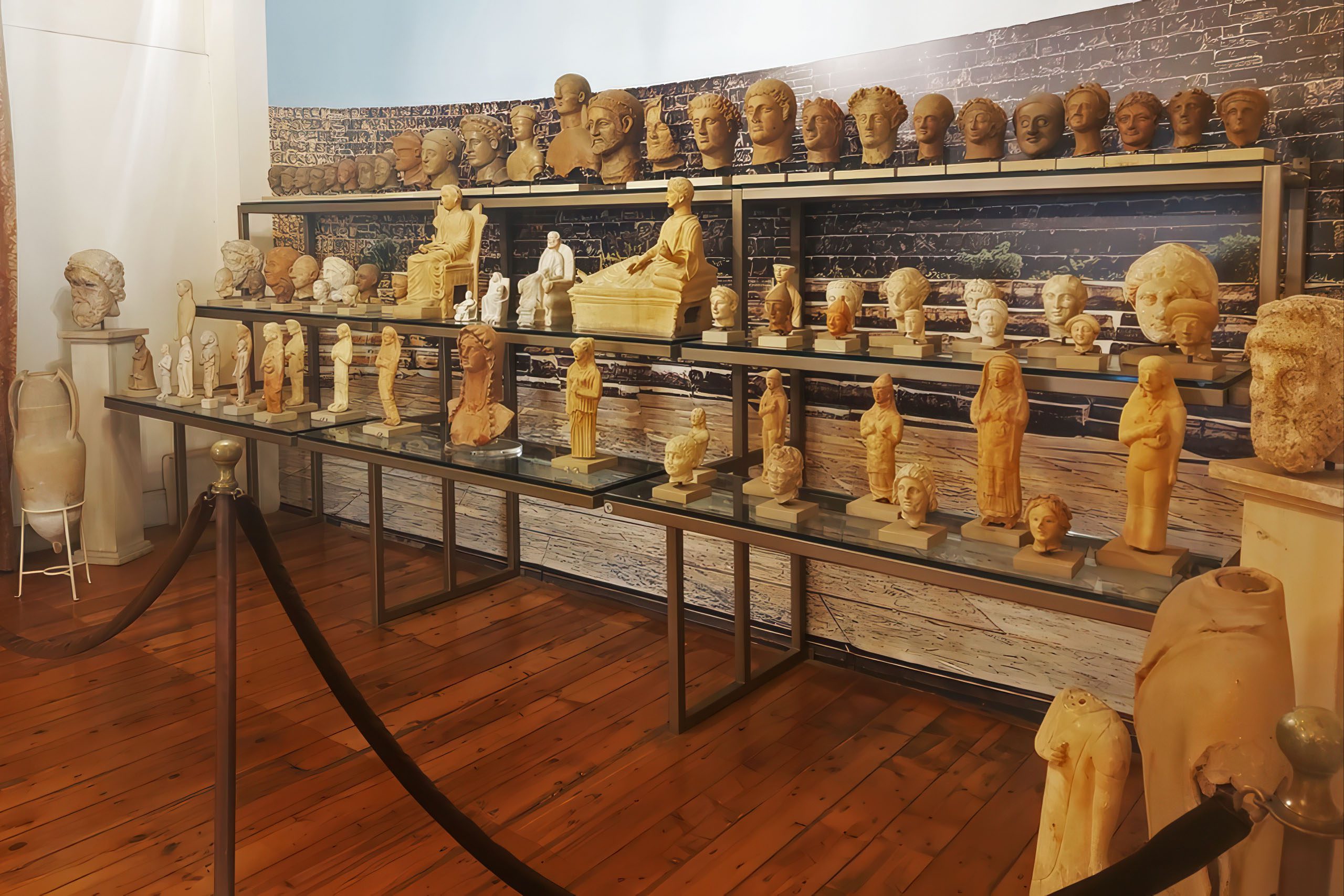
The hall also contains jewelry including gold earrings, bracelets, and rings decorated with filigree work and precious stones. Bronze objects include mirrors, bowls, and small statues. These luxury items indicate the wealth accumulated by Cyprus’s elite during periods of peace and prosperity.
Hall 3: Historical Maps and Charts
The third hall houses a collection of old maps and charts depicting Cyprus and the Eastern Mediterranean. This cartographic collection spans the mid-15th century through 1960, showing how European mapmakers understood and represented the region across five centuries.
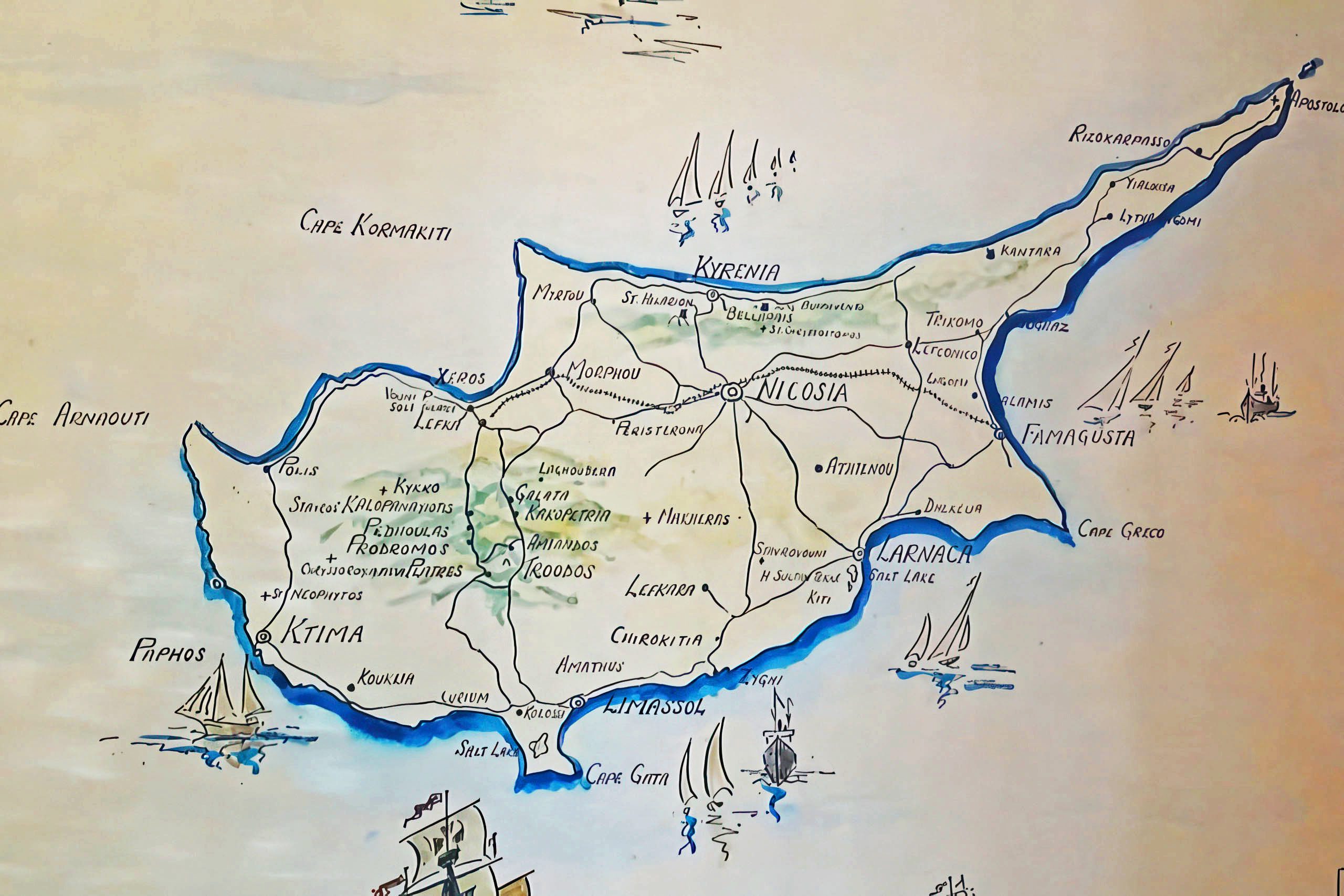
Early maps reflect limited geographic knowledge and often combine accurate coastal outlines with fanciful interior details. Cyprus appears in various orientations and projections as cartographers experimented with different methods of representing spherical surfaces on flat pages. The island’s strategic position made it important in navigation charts used by merchants and naval commanders.
Halls 4 and 5: Glass and Medieval Ceramics
The fourth and fifth halls contain the museum’s renowned collection of Hellenistic and Roman glassware along with medieval ceramics. Ancient glass represents one of the museum’s most valuable holdings and demonstrates technical achievements that rival modern production.
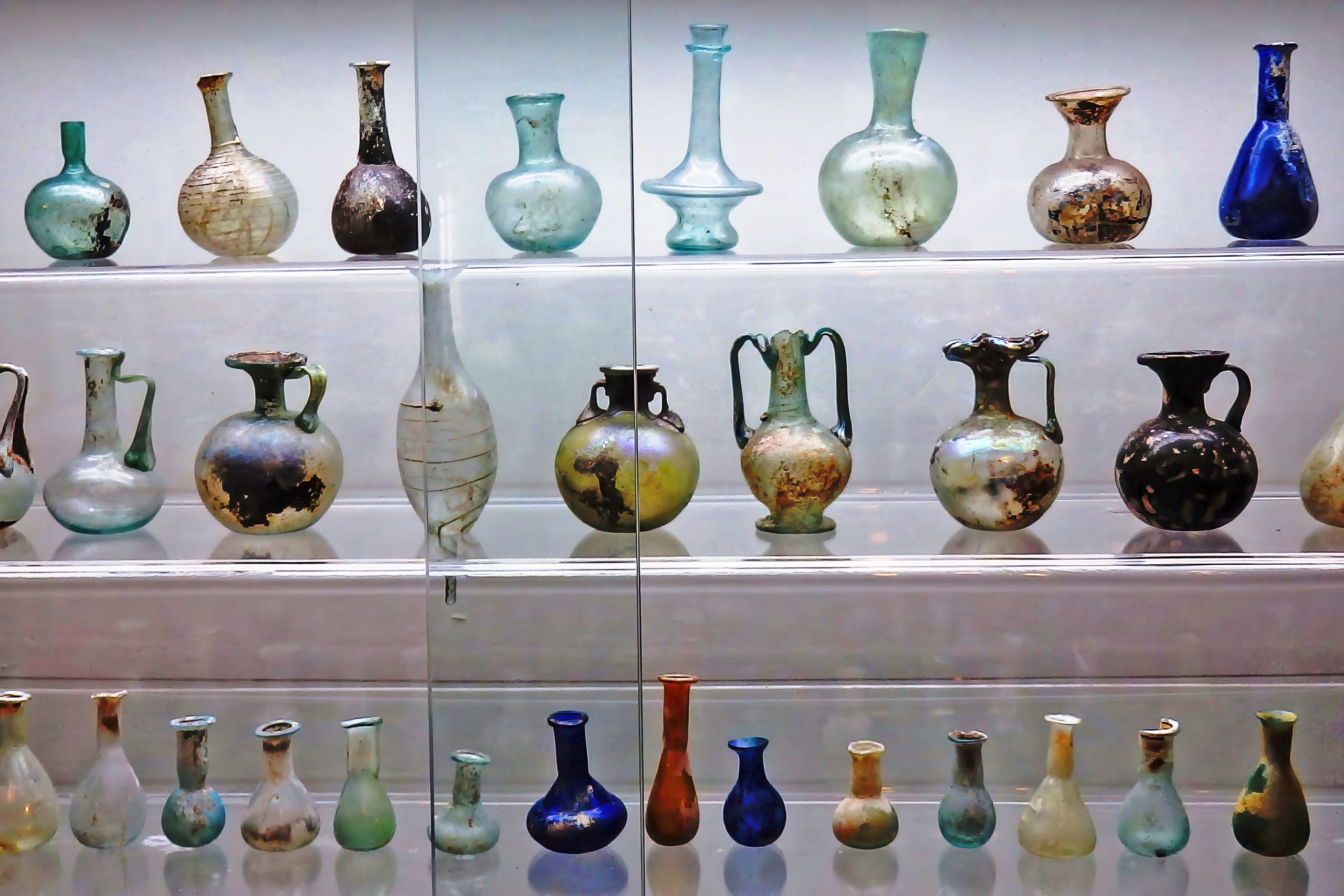
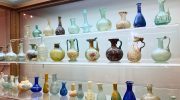
Roman glass vessels include bottles, bowls, jars, and drinking cups in various colors and forms. Some pieces feature delicate handles or decorative trails of glass applied to the surface. The collection includes examples of blown glass, cast glass, and mold-pressed glass showing the range of techniques Roman craftsmen employed. Many vessels retain their original iridescent patina created by centuries of burial.
Special Features for Visitors
The museum includes a tactile exhibit station designed for persons with sensory disabilities. This allows visitors who cannot see the objects to explore Cyprus’s history through touch. Selected artifacts and reproductions are presented in a format that accommodates different ways of experiencing museum collections. This accessibility feature demonstrates the museum’s commitment to inclusive public programming.
The museum participates in the Larnaka Virtual Museums project, which created a digital tour allowing online exploration. The virtual tour includes enriched material and bonus content not available through physical visits alone. Visitors can use the virtual tour from home for advance planning or access it on mobile devices during their museum visit for a hybrid experience combining physical and digital elements.
The museum is linked with the Aphrodite Cultural Route, a thematic tourism path that connects sites associated with the cult of Aphrodite across Cyprus. This connection positions the Pierides Museum within broader cultural tourism initiatives and encourages visitors to explore multiple locations.
Visiting the Museum
The Pierides Museum is located at Zinonos Kitieos 4 in central Larnaca, within easy walking distance of other major attractions, including the Church of Agios Lazaros, Larnaca Medieval Castle, and the Finikoudes seafront promenade. The compact size of Larnaca’s historic center makes it practical to visit multiple sites in a single day.
Opening hours vary by season. The museum is typically open Monday through Saturday, though visitors should verify current schedules before planning their visit. Entrance fees are modest, and various discounts are available for students, seniors, and groups.
The museum is relatively small, and most visitors can thoroughly explore all galleries in 30 to 45 minutes. However, the density of interesting objects rewards closer examination, and visitors interested in particular periods or artifact types may wish to spend more time. The staff can provide information and answer questions about specific items.
Significance in the Cyprus Museum Landscape
The Pierides Museum occupies a special position among Cyprus’s museums. While state-run archaeological museums focus on materials from specific excavations or regions, the Pierides collection ranges across the entire island and all major historical periods. This comprehensive scope makes it valuable for obtaining an overview before visiting more specialized institutions.
Private ownership distinguishes the museum from government-operated facilities. The Pierides Foundation’s continuing involvement ensures institutional memory and long-term commitment to the collection’s preservation. The partnership with the Bank of Cyprus Cultural Foundation provides financial support while maintaining the collection’s independent character.
The museum’s emphasis on quality over quantity means that most displayed objects are significant examples rather than fragmentary or common pieces. The selection process exercised by five generations of collectors concentrated the collection on items with aesthetic merit, historical importance, or unusual characteristics.
Preservation and Conservation
Maintaining a collection spanning 9,000 years presents significant conservation challenges. Objects made from different materials require different storage conditions and handling procedures. The museum employs professional standards for climate control, security, and object care.
Recent restoration work has addressed structural issues in the historic building while preserving its character. Modern museum systems for lighting, security, and environmental monitoring have been integrated sensitively into the colonial architecture. The balance between updating facilities and maintaining historical authenticity requires careful planning and execution.
Conservation work on individual objects includes cleaning, stabilization, and repair where necessary. Fragile items receive special housing and are rotated off display to limit light exposure. The museum follows international best practices for collection management and conservation.
The Museum Today
The Pierides Museum continues to fulfill its founding purpose of preserving and presenting Cyprus’s cultural heritage. The combination of archaeological excellence, historical architecture, and family dedication creates a unique institution that serves both scholarly and public audiences.
For residents of Larnaca and Cyprus generally, the museum represents local pride in cultural heritage and demonstrates that valuable collections can be maintained outside major capital city institutions. The museum’s survival and success over more than 180 years prove the viability of private collecting when combined with public-spirited stewardship.