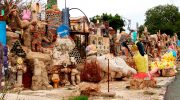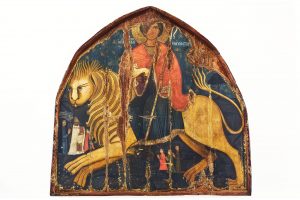
Ritual function over aesthetic realism in ancient Cypriot art meant creators focused more on making pieces that worked for spiritual purposes and clear symbols, rather than looking exactly like real life. This approach turned sculptures, pots, and carvings into tools for rituals, devotion, and symbolic clarity, putting heart and belief ahead of perfect looks. It’s a style that makes art a bridge to the divine, sparking curiosity about what really mattered to island people long ago.
- A Style Built for Meaning, Not Mirrors
- The Roots of Purposeful Art
- Art That Served Rituals and Symbols
- Quirky Examples That Show the Focus
- Deeper Ways It Shaped Beliefs
- How Ritual Elements Made It to Contemporary Times
- How It Fits Cyprus Today
- Ways to Experience the Style Now
- A Lasting Choice for What Matters
A Style Built for Meaning, Not Mirrors
Ancient Cypriot art placed practical use in rituals above lifelike details, creating items that served spiritual needs with bold, straightforward designs. Figures often appeared with exaggerated features or stiff poses, not from lack of ability, but to highlight symbols that carried deep significance. Across the island, from coastal temples to inland villages, this art helped connect communities with spirits, honor life’s cycles, and bring order to daily existence. The simplicity allowed for easy recognition during ceremonies, where the focus stayed on the message rather than visual perfection.
The Roots of Purposeful Art
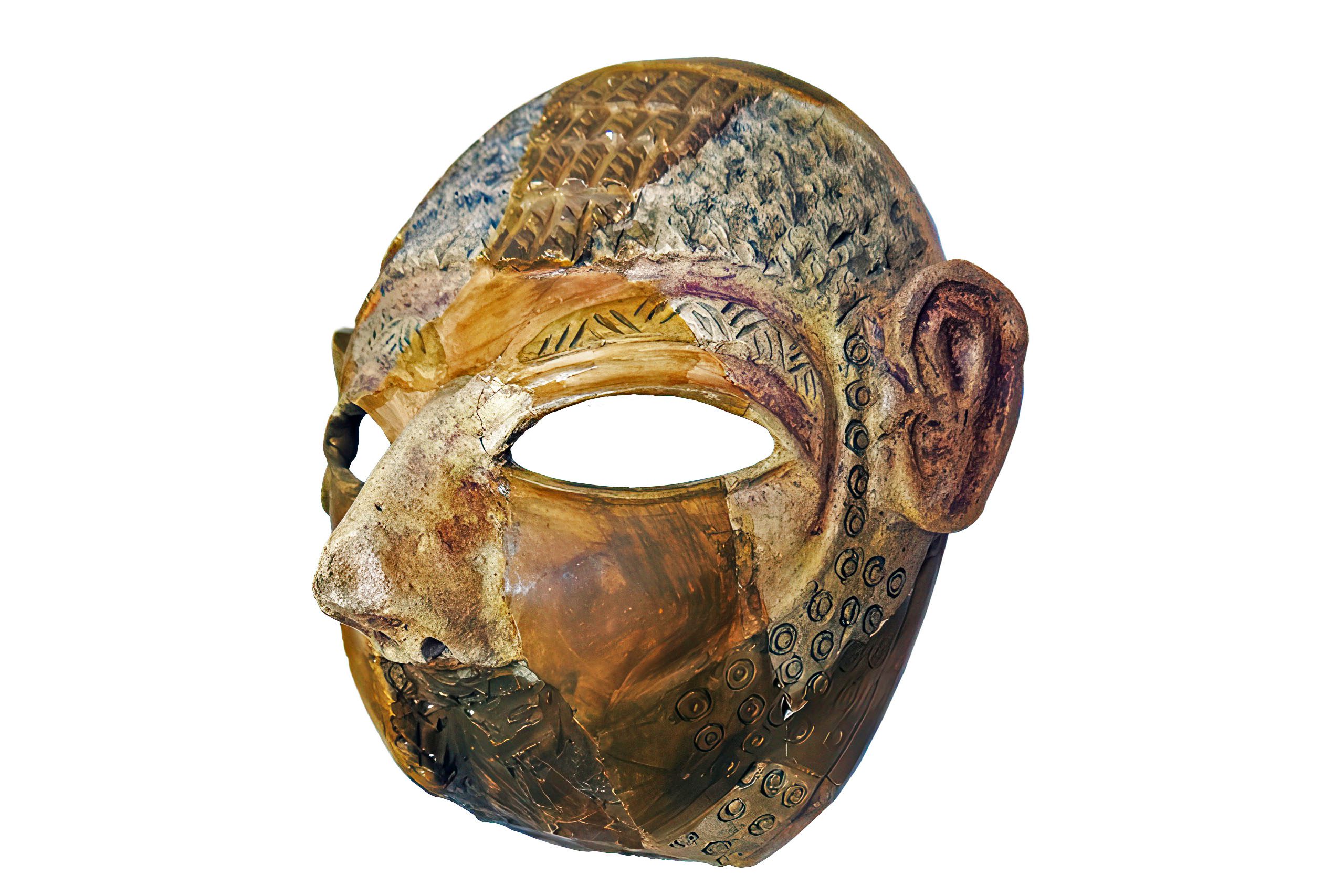
Cypriot art’s emphasis on ritual began in the Neolithic period, around 8500 BC, when early settlers shaped clay and stone into forms tied to their survival needs. Excavations at Choirokoitia, a southern village site from 7000 BC, uncovered basic figurines with minimal features, such as outlined bodies emphasizing heads or torsos. Archaeologists interpret these as aids in home rituals for protection or fertility, their plain design suited for handling in group settings.
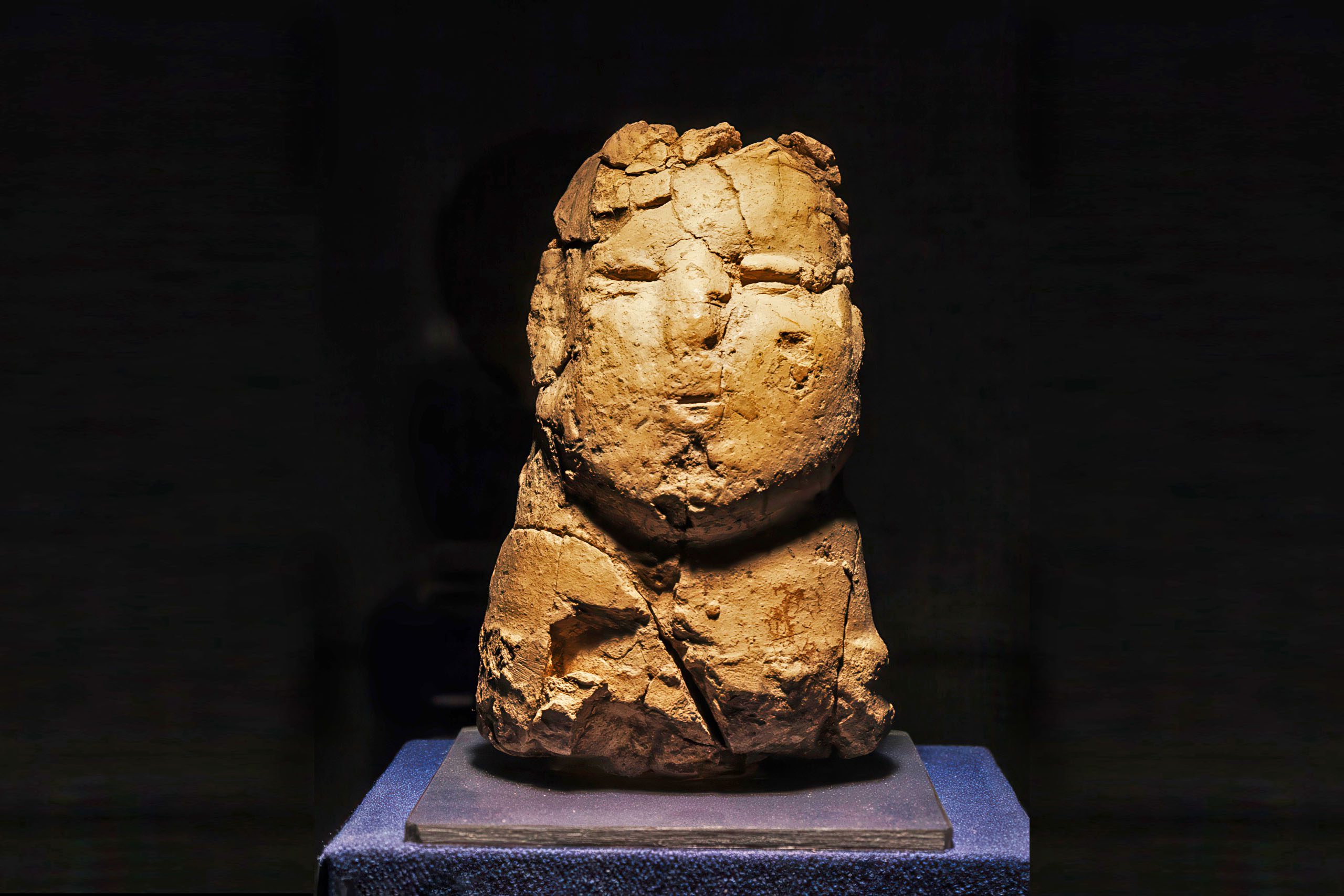
The Chalcolithic era, starting around 4000 BC, brought more examples through digs at Lemba near Paphos. The “Lady of Lemba” limestone statue from 3500 BC, housed in the Cyprus Museum, features a stylized body with broad hips and basic facial traits. Studies suggest it played a role in birth rituals, its symbolic shape underscoring themes of motherhood and renewal rather than individual likeness. Trade with Anatolia and the Levant introduced new tools, but Cypriot adaptations kept engravings on copper items from Ambelikou simple, with circles symbolizing eternity over detailed scenes.
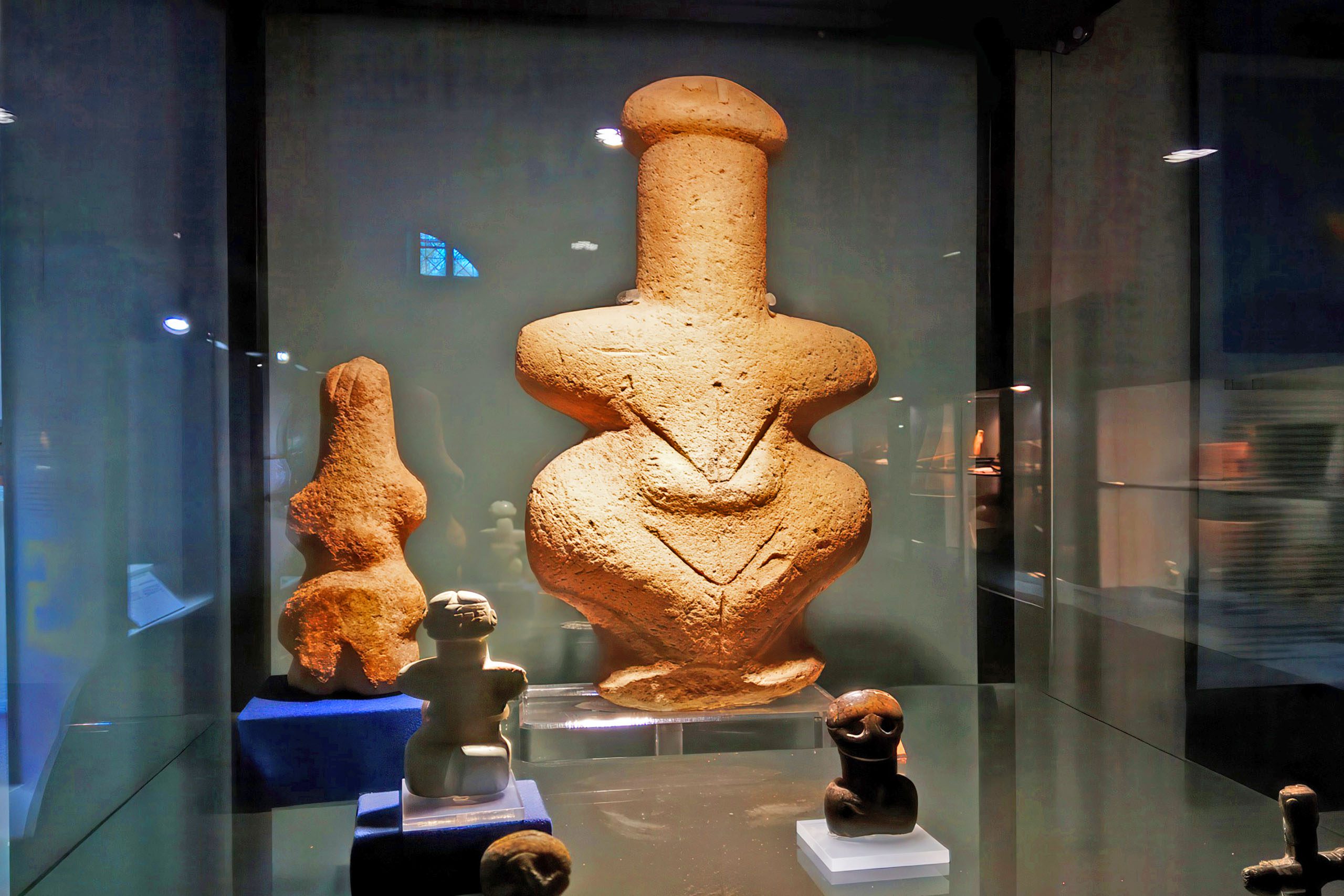
The Bronze Age, from 2500 BC, saw copper mining drive growth, blending influences from Egypt, Mesopotamia, and the Aegean. Digs at Enkomi in the east, a key city from 2000 BC led by Claude Schaeffer in the 1950s, revealed bronze statuettes like the “Ingot God,” a horned form on a copper ingot with exaggerated traits for strength and wealth. These likely featured in temple rites blessing miners, their bold symbols visible in low light. Greek arrivals after 1200 BC added myths, yet pottery from Alassa maintained stiff, symbolic processions, prioritizing ritual intent.
Through the Iron Age and Persian (525 BC) and Roman (58 BC) periods, this focus endured. Excavations at Idalion’s temple uncovered terracotta votives with basic faces but strong symbols like doves for peace, dedicated to Astarte-Aphrodite. Earthquakes preserved many sites, as seen in George McFadden’s 1930s work at Kourion, where symbolic artifacts from 365 AD layers showed continuity in blending styles without chasing realism.
Art That Served Rituals and Symbols
Cypriot art’s value came from its role in ceremonies, with designs that made symbols stand out. A goddess idol might feature oversized eyes to represent seeing prayers, or a bull with bulky arms for strength, setting aside natural shapes. This made items ideal for use: in fertility rites, a stylized mother figure could be anointed with oil, its clear symbols uniting the group’s focus.
Excavations offer clear examples. The Sanctuary of Apollo Hylates near Kourion, from 600 BC, yielded votive statues with front-on poses and basic attire, etched with wheat symbols for harvest blessings. These served as offerings, their symbolism conveying pleas to the god. Graves at Salamis from the 8th century BC contained pots with abstract patterns – circles for life cycles, zigzags for water – guiding the dead’s passage without lifelike images.
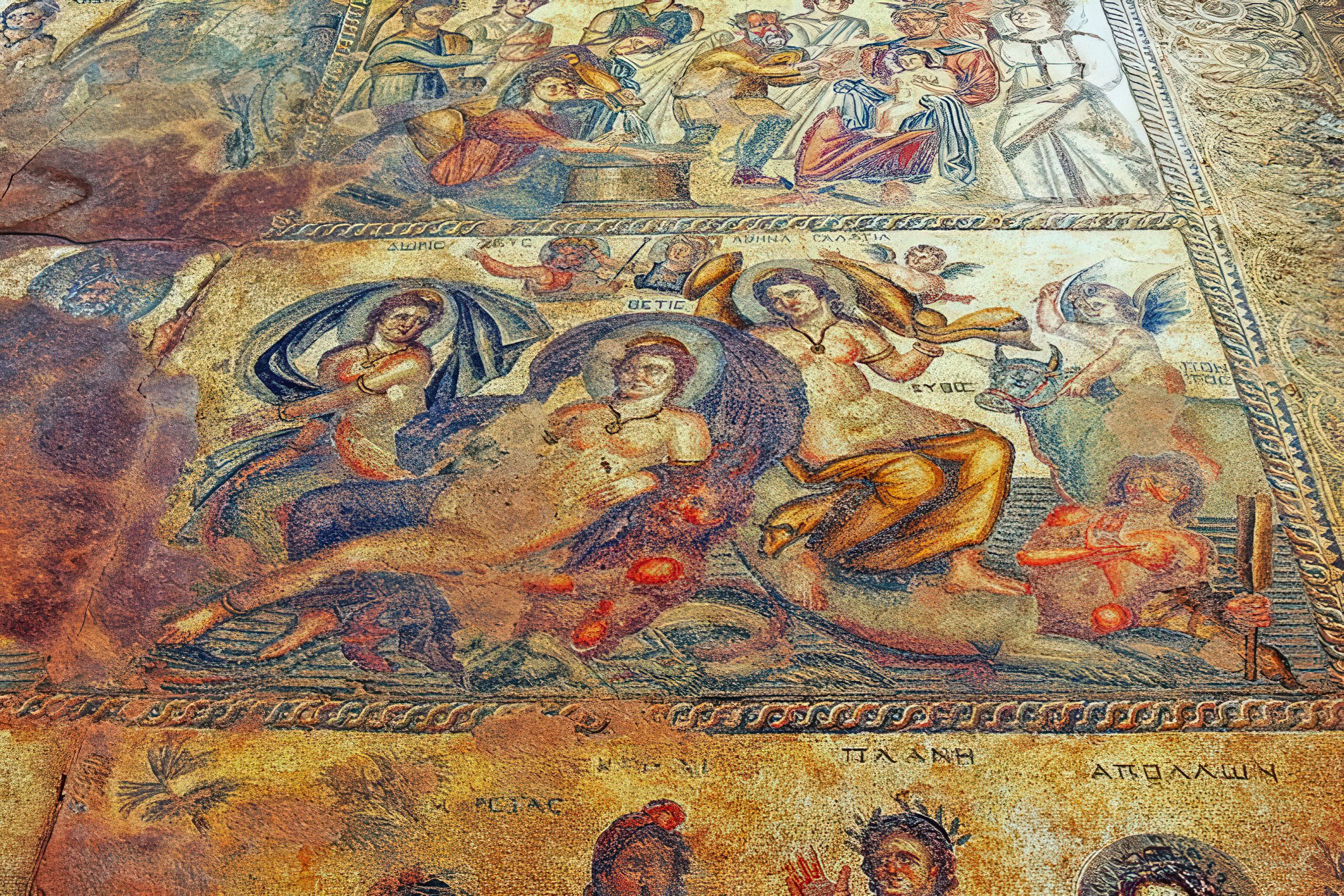
Roman mosaics from the House of Aion in Paphos, found in 1930s digs by the Cyprus Department of Antiquities, depict gods in symbolic poses with oversized importance and vine motifs for renewal. Such floors supported feasts or rites, with symbols underfoot enhancing the event’s purpose. From Tamassos’s copper workshops to coastal Amathus, art favored ritual effectiveness, serving as a communal and spiritual aid.
Quirky Examples That Show the Focus
Excavations have revealed pieces where ritual focus adds a layer of interest. The “Lady of Lemba,” from Edgar Peltenburg’s 1970s digs, presents a curved form without fine details, interpreted as a charm squeezed during labor for symbolic strength. Pots from Lapithos in the 8th century BC feature stick-like dancers in ritual circles, emphasizing the act’s essence over individual traits, possibly for rain-invoking altars – one includes a rough bull head for fertility, favoring impact over accuracy.
A Roman mosaic from Nea Paphos, uncovered in 1962, portrays Dionysus in a basic pose with prominent grape symbols for abundance, suited for wine rites where participants stepped on it for blessings. Grave stelae from Marion (modern Polis) display flat, front-facing families with doves or pomegranates, supporting memory rites with heartfelt simplicity. These discoveries, often from rescue excavations during modern development, illustrate art as functional magic rather than display items.
Deeper Ways It Shaped Beliefs
This ritual emphasis aligned with Cypriot views of spirits dwelling in nature, closer than in some distant mythologies. Symbols like circles for endless life or bulls for strength were made prominent for quick recognition in dim temples or home altars. It incorporated influences: Egyptian flat styles received Cypriot warmth for local deities, maintaining spiritual potency. Socially, it promoted inclusion – a village shrine’s simple symbol could engage farmers or traders alongside elites in devotion. During challenges like the 365 AD earthquake burying Kourion (excavated by George McFadden in the 1930s), this enduring symbolism aided faith reconstruction, centering on lasting elements.
Digs at Khirokitia, led by Porphyrios Dikaios in the 1930s, exposed Neolithic symbolic tools for communal rites, their basic forms designed for shared handling. Persian-era stelae from Vouni, from Swedish 1920s excavations, employ stiff figures with lotus symbols for renewal, supporting rituals under foreign influence. This method positioned art as a spiritual foundation, embodying hope in an unpredictable environment.
How Ritual Elements Made It to Contemporary Times
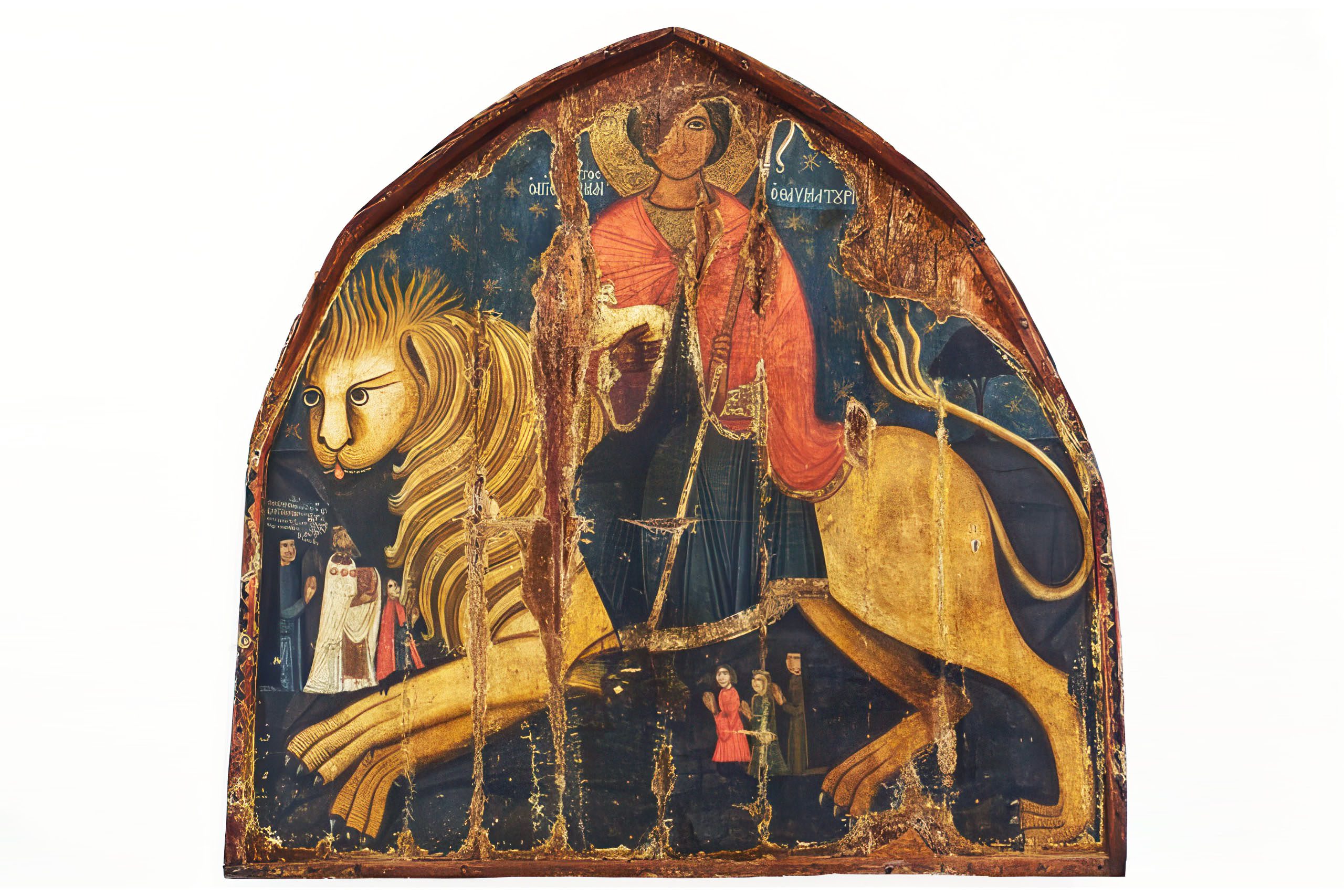
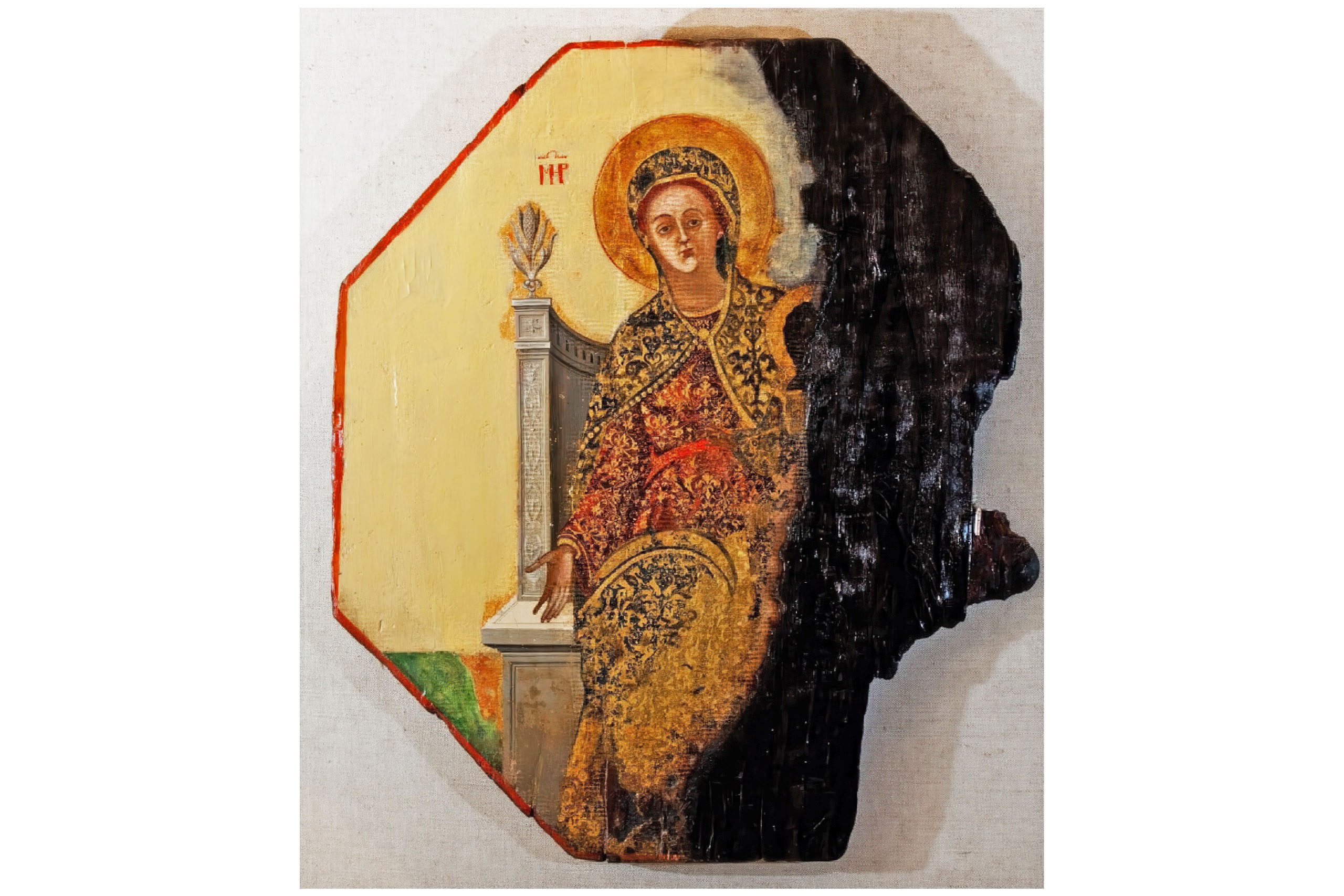
Ancient ritual elements persist in Cyprus through gradual evolution, influenced by the island’s historical overlays. From the 4th century AD, Christianity integrated them: Orthodox icons adopt bold, symbolic poses similar to old figurines, emphasizing devotion. Sites like Soloi, where Roman symbolic mosaics lie beneath churches, indicate direct continuity – early Christians overlaid pagan locations, preserving the ritual essence.
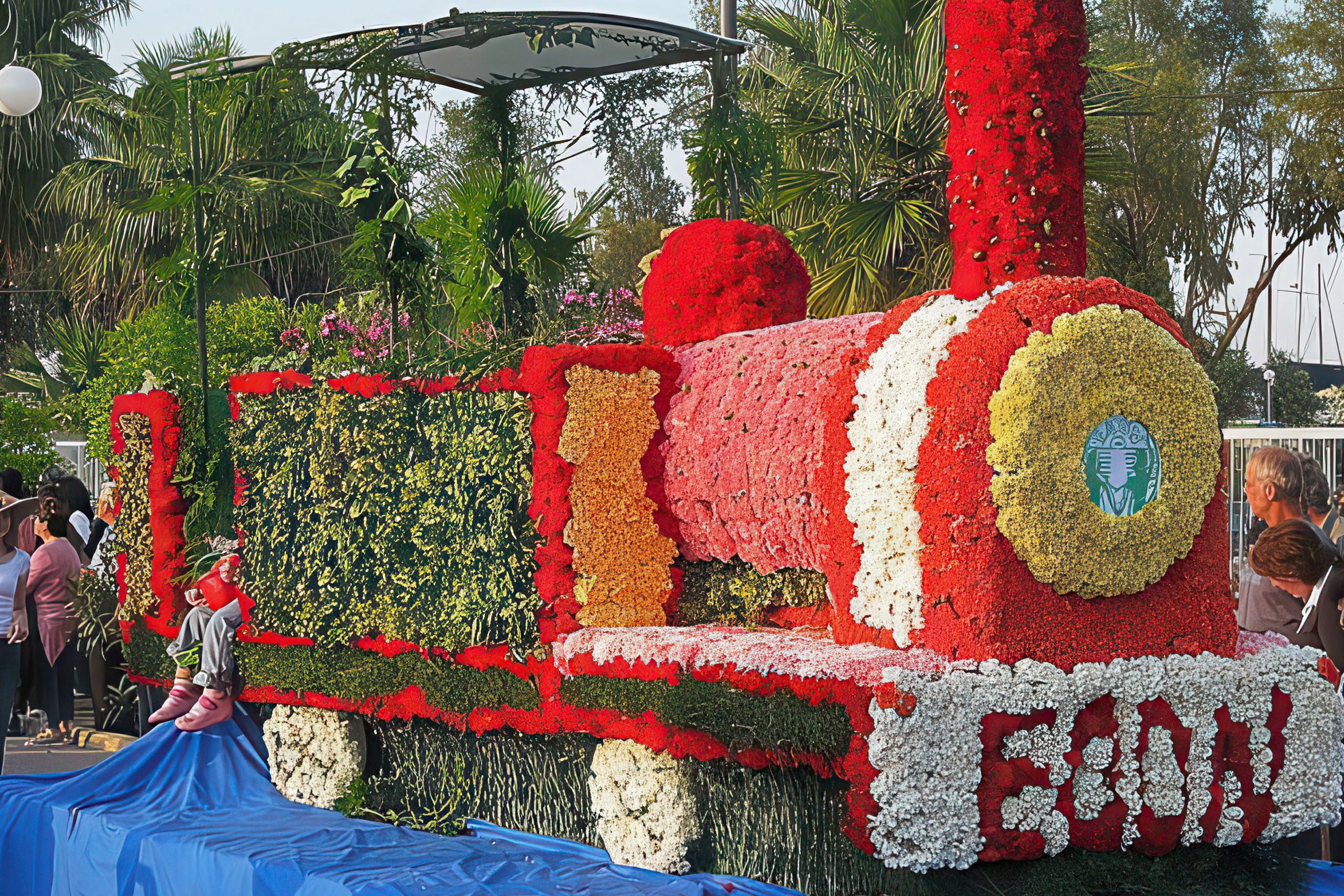
Contemporary festivals maintain these threads. Easter bonfires mirror Bronze Age purifications, with branch crosses as symbols prioritizing intent over detail. The Anthestiria flower festival in May echoes ancient fertility parades, using wreaths to symbolize renewal without intricate artistry. Findings from Amathus in 1970s French excavations inspire modern crafts, where potters replicate symbolic designs for home altars, merging old function with current aesthetics.
How It Fits Cyprus Today
Cypriot art and rituals continue to favor meaning over elaborate detail. Churches feature icons with symbolic clarity to inspire devotion, reflecting ancient priorities. Amid division, this approach fosters unity through community murals using bold symbols for peace messages. Contemporary artists incorporate it in street art or jewelry, emphasizing narratives over realism to celebrate heritage. The style underscores that value arises from purpose, sustaining island spirit in everyday contexts.
Ways to Experience the Style Now
The Cyprus Museum in Nicosia displays the Lady of Lemba alongside guided tours that detail its ritual context, open daily with free entry on Wednesdays. Easter events in villages like Kato Lefkara include bonfires on Lazarus Saturday in April, where flames are leaped for health, linking to ancient cleansings; local calendars or tourist offices provide schedules.
Folklore tours through the Cyprus Tourism Organization (cyprustourism.org) visit sites like Choirokoitia for €15-20, with explanations of Neolithic figures in rites and occasional reenactments. Troodos churches like Asinou host services showcasing icons, free to attend on Sundays. Summer’s Anthestiria in Limassol features parades with symbolic wreaths in May, open to all. These opportunities allow observation of traditions in their settings, with respect for quiet spaces enhancing the experience.
A Lasting Choice for What Matters
Ritual function over aesthetic realism in Cypriot art demonstrates how spiritual utility and symbolic clarity took precedence, crafting pieces that resonated deeply. This strength transformed art into an instrument for faith and memory island-wide. Discoveries from sites like Enkomi or Paphos illustrate its role in real rituals, with elements enduring in contemporary festivals and customs. This legacy enriches understanding of Cyprus as a place where straightforward designs conveyed profound truths. Exploration of a bold figure or a modern rite highlights respect for art with purpose. In a era of vivid imagery, it affirms that true value stems from meaning rather than appearance.